

Table of Contents
- Understanding the Bauxite Mining Process from Extraction to Refinement
- Crucial Role of Bauxite Washing in Enhancing Ore Quality and Purity
- Efficient Crushing Techniques for Bauxite to Maximize Processing Performance
- Advanced Machinery and Technology in Bauxite Washing and Crushing Operations
- Sustainability and Environmental Considerations in Bauxite Processing Plants
- Frequently Asked Questions
- What is the primary purpose of washing in bauxite mining operations?
- How does crushing impact bauxite processing efficiency?
- What equipment is most effective for bauxite washing and scrubbing?
- How is slurry managed after bauxite washing?
- What role does screening play in bauxite crushing circuits?
- Why is moisture control important in washed bauxite?
- What environmental safeguards are necessary in bauxite washing plants?
- How does bauxite hardness affect crusher selection and wear?
- What are the quality specifications for bauxite after crushing and washing?
- How do modular washing plants benefit remote bauxite mining operations?
- What is the impact of bauxite mineralogy on washing efficiency?
- How is automation used to optimize bauxite washing and crushing?
Bauxite mining forms the foundational step in aluminum production, where raw ore is transformed into a refined feedstock capable of fueling one of the world’s most essential industries. Central to this transformation are the washing and crushing stages—critical processes that determine the quality and efficiency of downstream operations. As global demand for aluminum continues to rise, optimizing these stages has become paramount for cost-effective and sustainable production. Effective bauxite washing removes clay, silica, and other impurities, while precision crushing enhances material homogeneity and liberation, setting the stage for efficient refining. The selection of appropriate equipment—ranging from rotary scrubbers and hydrocyclones to jaw and cone crushers—plays a decisive role in throughput, energy consumption, and final product specification. With advancements in automation, real-time monitoring, and process integration, modern operations are redefining efficiency benchmarks. This article explores the intricacies of bauxite mining, washing, and crushing, offering insights into equipment selection, operational best practices, and innovative strategies for maximizing productivity and sustainability across the value chain.
Understanding the Bauxite Mining Process from Extraction to Refinement
-
Bauxite mining begins with exploration and resource delineation, utilizing geological surveys and drilling to assess deposit quality, depth, and overburden characteristics. Once viable reserves are confirmed, open-pit mining is typically employed due to the shallow depth of most bauxite deposits. Overburden removal precedes extraction, conducted using hydraulic shovels, excavators, and dump trucks.
-
Extracted bauxite is transported to processing sites where washing is the initial step in beneficiation. Washing removes clay, silica, and other fine contaminants that reduce alumina content. Rotary scrubbers or log washers are commonly used, utilizing mechanical agitation and water spray to disaggregate clays and liberate impurities. The washed material is then screened—typically through vibrating or trommel screens—to separate oversize material from fines, which may undergo further classification via hydrocyclones.
-
Crushing follows washing to achieve a consistent feed size for downstream processing. Jaw and cone crushers are standard, with primary crushing reducing run-of-mine bauxite to 100–150 mm, followed by secondary crushing to 10–25 mm. Closed-circuit configurations with vibrating screens ensure product uniformity and reduce energy waste from over-crushing.
-
The refined bauxite stream proceeds to alumina refineries via the Bayer process, where digestion in caustic soda at elevated temperatures dissolves aluminum hydroxide. Impurities such as iron oxides and silica remain as red mud residue. Efficient washing and crushing significantly enhance Bayer process performance by minimizing silica influx, reducing chemical consumption, and improving liquor clarity.
-
Process efficiency relies on integrated equipment optimization and real-time monitoring. Automated moisture control in wash plants, crusher gap adjustments via hydraulic systems, and screen media selection based on feed gradation improve throughput and reduce downtime. Energy recovery systems and water recycling further bolster sustainability.
-
Key performance indicators include liberation efficiency, product size distribution, moisture content post-washing, and energy per ton of processed bauxite. Advanced analytics and predictive maintenance increasingly support operational optimization, particularly in large-scale operations where marginal gains translate to substantial cost savings.
Crucial Role of Bauxite Washing in Enhancing Ore Quality and Purity
-
Bauxite washing is a critical initial step in the beneficiation of bauxite ore, directly influencing downstream processing efficiency and final product quality in alumina production. Raw bauxite mined from open-pit operations typically contains appreciable quantities of moisture, clay minerals, silica, iron oxides, and organic impurities. These contaminants adversely affect the Bayer process by increasing caustic soda consumption, reducing alumina recovery, and promoting the formation of scale in digestion equipment.
-
Effective washing removes loosely bound particulate matter and soluble salts, thereby reducing the silica-to-alumina ratio and improving ore homogeneity. This preprocessing step is particularly vital for lateritic bauxite deposits, which are prone to high clay content due to tropical weathering. A well-designed washing circuit enhances the mass and chemical consistency of feed material to crushing and grinding stages, minimizing process upsets in subsequent refining.
-
The washing process typically employs equipment such as rotary scrubbers, log washers, and wet vibrating screens. These systems utilize mechanical agitation and hydraulic action to disperse clays and liberate impurities from coarse ore particles. The washed product is then classified via hydrocyclones or spiral classifiers to separate fine slimes from the upgraded coarse fraction suitable for further size reduction.
-
Water quality and recycle efficiency play a significant role in washing performance. Closed-loop water circuits with efficient solid-liquid separation reduce freshwater demand and mitigate environmental impact. Moreover, precise control of residence time and slurry density optimizes contaminant removal while preserving alumina-bearing minerals.
-
From an economic standpoint, bauxite washing significantly reduces refining costs. For every 1% reduction in reactive silica achieved through effective washing, alumina plants report up to a 3–5% decrease in soda consumption and extended equipment life. Additionally, consistent feed quality supports stable kiln and digester operations, directly enhancing overall energy efficiency.
-
In high-purity applications such as metallurgical-grade alumina or specialty chemicals, stringent ore specifications necessitate advanced washing protocols. Integration with sensor-based sorting or density separation may further refine feed quality, ensuring compliance with stringent industry standards.
Efficient Crushing Techniques for Bauxite to Maximize Processing Performance
-
Bauxite crushing efficiency is foundational to downstream processing performance, directly influencing energy consumption, grinding circuit throughput, and overall refining economics. Optimal crushing strategies must balance size reduction with minimal overgrinding and equipment wear, particularly given bauxite’s variable hardness and silica content.
-
Primary crushing typically employs jaw or gyratory crushers due to their robustness in handling high-moisture and abrasive feed materials. To maximize performance, feed gradation should be controlled to ensure uniform input, reducing choke feeding and improving crusher stability. Pre-screening with grizzly or vibrating feeders removes fines and tramp material, preventing downstream bottlenecks.
-
In secondary and tertiary stages, cone crushers are preferred for their precise size control and high reduction ratios. Modern automated systems with real-time cavity monitoring and hydraulic adjustment optimize closed-side settings dynamically, maintaining consistent product size despite feed variability. This adaptability is crucial for bauxite ores exhibiting inconsistent lithology across the deposit.
-
Closed-circuit crushing configurations—where oversize material is recirculated—improve size uniformity and reduce energy per ton of final product. Integration of vibrating screens with adjustable apertures ensures effective classification, minimizing recirculating loads and enhancing throughput.
| Crusher Stage | Equipment Type | Target Output Size (mm) | Key Performance Factor |
|---|---|---|---|
| Primary | Jaw / Gyratory | 100–150 | Feed uniformity, moisture tolerance |
| Secondary | Cone Crusher | 25–50 | Closed-side setting control |
| Tertiary | Fine Cone / HPGR | 10–25 | Recirculation efficiency |
-
Emerging applications of high-pressure grinding rolls (HPGR) in tertiary crushing demonstrate up to 20–30% energy savings compared to conventional cone circuits. HPGR induces microfractures within bauxite particles, enhancing grindability and reducing load on downstream ball mills.
-
Operational efficiency further improves through predictive maintenance and condition monitoring—vibration analysis, temperature sensors, and wear-part tracking extend equipment life and reduce unplanned downtime.
-
Ultimately, crushing efficiency must be evaluated holistically, considering not just throughput but also particle shape, liberation characteristics, and compatibility with subsequent washing and digestion stages. Tailoring the crushing circuit to the specific bauxite composition ensures maximum processing performance and cost-effective alumina production.
Advanced Machinery and Technology in Bauxite Washing and Crushing Operations
-
Implementation of advanced machinery and automation in bauxite washing and crushing operations has significantly enhanced throughput, precision, and operational efficiency. Modern processing plants integrate sensor-based sorting, real-time monitoring, and closed-loop control systems to maintain consistent feed quality and reduce downtime.
-
Primary crushing stages employ hydraulic toggle jaw crushers with variable stroke and speed controls, enabling selective fragmentation while minimizing fines generation. These crushers are equipped with integrated overload protection and automated gap adjustment, ensuring optimal performance under fluctuating feed conditions.
-
Secondary and tertiary crushing increasingly utilize high-efficiency cone crushers with intelligent liner profiles and automated cavity optimization. These systems adapt dynamically to feed variations, maintaining consistent product size distribution essential for downstream beneficiation.
-
Bauxite washing circuits now incorporate high-pressure drum scrubbers and attrition cells with adjustable rotational speed and residence time. These units effectively liberate silica and clay contaminants from bauxite particles, improving alumina recovery in subsequent refining. Advanced water recycling systems, including counter-current decantation and high-rate thickeners, reduce freshwater consumption and minimize environmental impact.
-
Vibrating screens with polyurethane modular panels and adaptive amplitude controls ensure precise sizing and high screening efficiency. Multi-deck configurations with spray bars enhance particle separation and surface cleaning, particularly in high-clay feedstocks.
-
Digital twins and predictive maintenance platforms are deployed to model equipment behavior, forecast wear part life, and schedule interventions proactively. Integration with plant-wide SCADA systems allows operators to optimize energy consumption and throughput in real time.
-
Sensor-based ore sorting, using X-ray transmission (XRT) and near-infrared (NIR) technologies, enables pre-concentration by rejecting waste rock prior to crushing. This reduces processing volume, energy demand, and tailings generation.
-
Autonomous haulage and in-pit crushing-conveying systems are emerging in large-scale operations, minimizing truck-based transport and lowering carbon emissions. These systems are coordinated via centralized fleet management software with GPS and terrain modeling capabilities.
-
Overall equipment effectiveness (OEE) is maximized through data-driven decision-making, integrating maintenance logs, production metrics, and quality assays. The convergence of mechanization, digitalization, and sustainable engineering practices defines the current benchmark in bauxite processing excellence.
Sustainability and Environmental Considerations in Bauxite Processing Plants
-
Implementation of sustainable practices in bauxite processing plants is critical to mitigating environmental degradation and ensuring long-term operational viability. The washing and crushing stages, while essential for liberating Al₂O₃-rich particles from clay and silica contaminants, generate substantial particulate emissions, wastewater effluents, and energy demand.
-
Dust suppression is a primary concern during crushing and screening. Closed-circuit operations equipped with water sprays and high-efficiency baghouse filters significantly reduce fugitive emissions. Enclosed transfer points and conveyor systems further limit airborne particulate dispersion, complying with ambient air quality standards.
-
Water management plays a pivotal role. Bauxite washing consumes large volumes of water, resulting in suspended solids-laden runoff. Closed-loop water recycling systems with settling ponds, hydrocyclones, and high-rate thickeners can achieve >90% water recovery, minimizing freshwater intake and reducing effluent discharge. Residual sludge from clarification units must be dewatered via filter presses or vacuum belts and stored in engineered tailings facilities with impermeable liners to prevent leaching.
-
Energy efficiency in crushing circuits directly influences carbon footprint. Utilizing optimized gyratory and cone crusher configurations with variable frequency drives (VFDs) reduces specific energy consumption. Pre-screening to remove fines ahead of tertiary crushing enhances throughput efficiency and lowers wear-related maintenance.
-
Equipment lifecycle and material selection affect sustainability. High-wear components fabricated from abrasion-resistant alloys or ceramic composites extend service intervals, reducing replacement frequency and associated resource use. Modular plant designs support refurbishment and scalability, diminishing embodied energy over time.
-
Site rehabilitation planning should begin prior to commissioning. Progressive rehabilitation of mined and processed areas with native vegetation restores ecological functionality and prevents erosion. Real-time environmental monitoring systems—tracking noise, water quality, and dust—enable proactive compliance and adaptive management.
-
Finally, integrating environmental, social, and governance (ESG) metrics into operational KPIs ensures accountability. Benchmarking against ISO 14001 and IRMA (International Aluminium Association’s IRMA standard) provides a structured framework for continuous improvement in environmental stewardship across the bauxite value chain.
Frequently Asked Questions
What is the primary purpose of washing in bauxite mining operations?
Washing in bauxite mining is critical to remove clay, silica, and other impurities that compromise the quality of alumina during the Bayer process. High-pressure rotary scrubbers or log washers are typically used to disaggregate clay coatings and liberate contaminants, ensuring the feedstock meets refinery-grade specifications (typically >45% Al₂O₃ with low silica content).
How does crushing impact bauxite processing efficiency?
Crushing reduces bauxite to a consistent particle size suitable for downstream processing, optimizing material handling and digestion efficiency. Primary jaw or gyratory crushers are used for run-of-mine ore, followed by secondary cone or impact crushers to reach a top size of 10–25 mm, which enhances alumina extraction and reduces energy consumption in grinding circuits.
What equipment is most effective for bauxite washing and scrubbing?
Trommel washers and rotary scrubbers are most effective for high-clay bauxite ores, offering mechanical agitation and water spray systems to break down agglomerates. For harder, lower-clay ores, attrition scrubbers or log washers may be employed. Equipment selection depends on moisture content, clay type (e.g., kaolinite vs. smectite), and desired liberation size.
How is slurry managed after bauxite washing?
Post-washing slurry is processed through hydrocyclones and thickener units to separate fine solids from process water. Flocculants like polyacrylamide are used to accelerate settling in thickeners, enabling water recovery (up to 90%) and minimizing environmental discharge. The underflow is often filtered or stockpiled as sludge.
What role does screening play in bauxite crushing circuits?
Vibrating screens classify crushed bauxite into oversize and undersize fractions. Oversized material is recirculated for re-crushing, while undersized material advances to washing or stockpiling. Multi-deck screens with variable apertures (e.g., 10 mm and 25 mm decks) ensure precise sizing, which reduces overgrinding and improves process control.
Why is moisture control important in washed bauxite?
Excess moisture in washed bauxite affects transportation efficiency, drying costs, and calcination performance. Filter presses or vacuum disc filters are used to reduce moisture to <10%, ensuring stability in conveyors and kilns. Optimal moisture also prevents dust emissions and improves stacking behavior.
What environmental safeguards are necessary in bauxite washing plants?
Closed-loop water recycling, sedimentation basins, and pH-neutralization systems are essential to prevent contamination of groundwater and surface water. Tailings are stored in engineered impoundments with geomembrane liners and monitored for seepage. Dust suppression via misting systems and vegetation buffers mitigate air quality impacts.
How does bauxite hardness affect crusher selection and wear?
Bauxite’s Mohs hardness (3–7) and abrasiveness influence crusher liner and screen media selection. High-silica bauxite increases wear on steel components, necessitating manganese steel or tungsten carbide liners. Crusher throughput and power draw are optimized by pre-screening to remove fines and prevent choke feeding.
What are the quality specifications for bauxite after crushing and washing?
Refinery-grade bauxite typically requires Al₂O₃ content >45%, SiO₂ <3–8%, Fe₂O₃ <15–25%, and low reactive silica. Washing and crushing aim to meet these specs by rejecting low-grade fractions and minimizing contamination. On-line XRF analyzers and moisture probes enable real-time feed control.
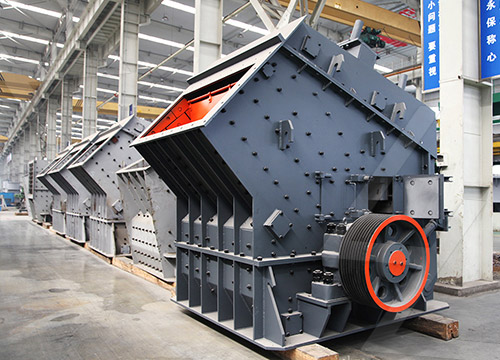
How do modular washing plants benefit remote bauxite mining operations?
Modular, skid-mounted washing and crushing units offer rapid deployment, reduced civil works, and scalability in remote areas. These systems are pre-engineered for containerized transport and can be reconfigured as ore characteristics change, reducing capital expenditure and commissioning time.
What is the impact of bauxite mineralogy on washing efficiency?
Gibbsite-rich bauxite is softer and more easily liberated from clay, whereas boehmite or diaspore-based ores require more aggressive scrubbing. The presence of kaolinite clay is more problematic than goethite due to its swelling properties, necessitating higher shear forces and optimized retention times in scrubbers.
How is automation used to optimize bauxite washing and crushing?
Advanced process control (APC) systems integrate feed rate sensors, moisture analyzers, and particle size monitors to dynamically adjust crusher gaps, water flow, and screen amplitude. This minimizes energy use, maintains product consistency, and reduces operator intervention, especially in variable-grade ore bodies.