Table of Contents
- What Are Aggregate Crushers? Industrial-Grade Solutions for Construction & Mining Operations
- Key Operational Challenges Solved by Aggregate Crushers
- Product Overview: What Are Aggregate Crushers?
- Core Features of Modern Aggregate Crushers
- Hydraulic Adjustment System | Technical Basis: PLC-controlled piston actuators | Operational Benefit: On-the-fly CSS changes (±10mm in <30 sec) | ROI Impact: Eliminates 2+ hours/day of manual adjustments
- Modular Wear Assembly | Technical Basis: Bolt-on manganese steel liners | Operational Benefit: Reduces liner replacement time by 65% | ROI Impact: Cuts annual maintenance labor costs by $8,200+
- Hybrid Drive Technology | Technical Basis: Diesel-electric power train | Operational Benefit: Lowers fuel consumption to 6–8L/ton crushed | ROI Impact: Saves $14/ton vs. conventional systems
- Automated Tramp Release | Technical Basis: Pressure-sensing hydraulic relief valves | Operational Benefit: Prevents damage from uncrushables (rebar, steel) | ROI Impact: Avoids $32,000+ in annual repair costs
- Multi-Chamber Rotor Design (Impact Crushers) | Technical Basis: Adjustable breaker plates + 3-stage impact zones | Operational Benefit: Achieves <5% oversize in single pass | ROI Impact: Reduces recirculation load by 22%
- Competitive Advantages of Advanced Aggregate Crushers
- Technical Specifications (Model XC-2200 Aggregate Crusher)
- Application Scenarios Proven in Field Operations
What Are Aggregate Crushers? Industrial-Grade Solutions for Construction & Mining Operations
Key Operational Challenges Solved by Aggregate Crushers
- Material Processing Bottlenecks: Up to 30% of production downtime stems from inefficient primary crushing, forcing secondary crushers to compensate.
- Premature Wear Costs: Low-quality crushers require liner replacements every 400–600 hours, costing $18,000–$25,000 annually in parts and labor.
- Inconsistent Output Gradation: Poorly calibrated crushers produce off-spec aggregates, resulting in 15–20% material rejection rates.
- Energy Inefficiency: Outdated designs consume 25% more power per ton processed versus modern aggregate crushers.
Does your operation face recurring maintenance costs or output quality issues? What if a single equipment upgrade could reduce downtime by 40%?
Product Overview: What Are Aggregate Crushers?
Equipment Type: Heavy-duty machines designed to reduce quarried rock, recycled concrete, or slag into specified aggregate sizes (5mm–150mm). 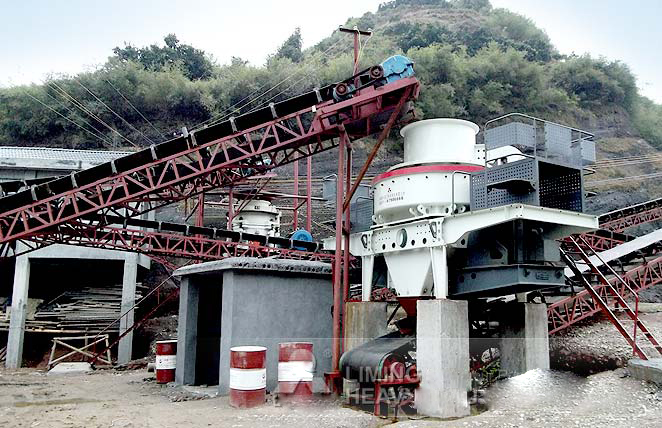
Operational Workflow: 
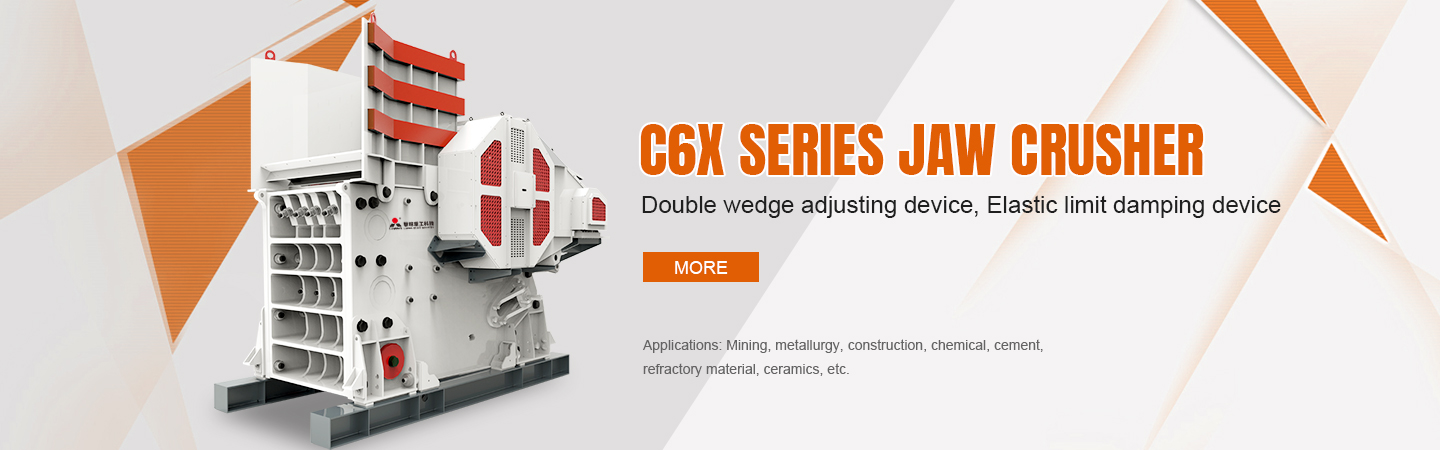
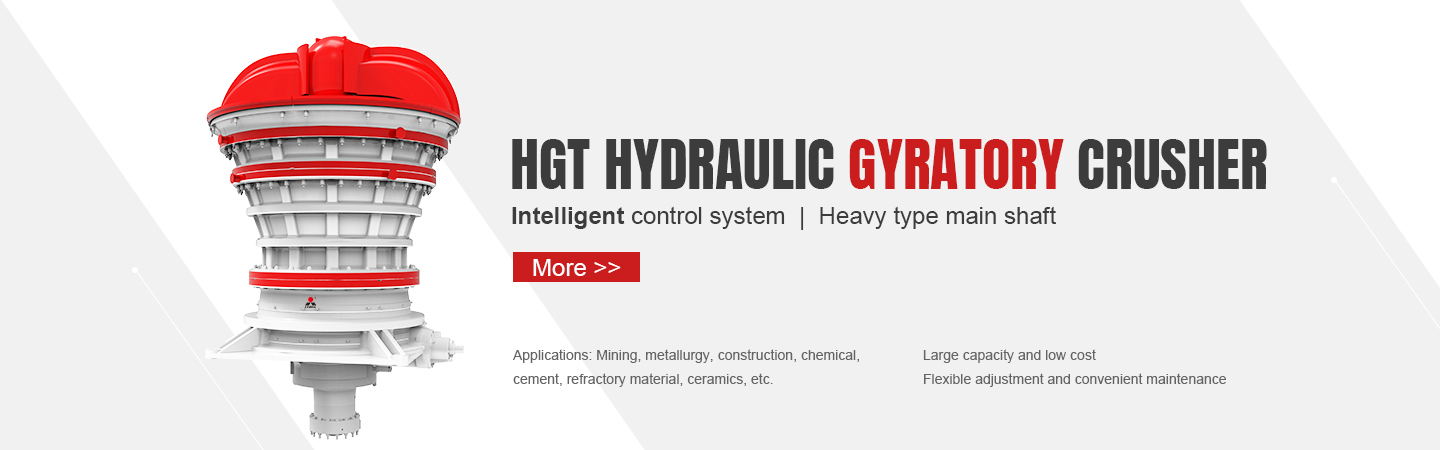
- Primary crushing: Jaw or gyratory crushers break down large feed material (>1m³).
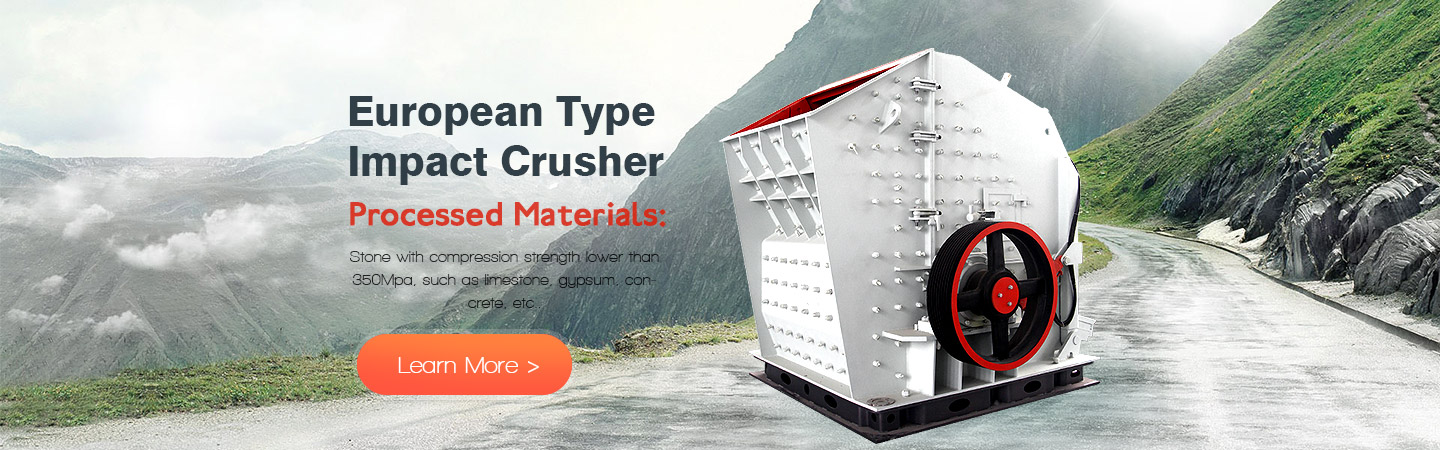
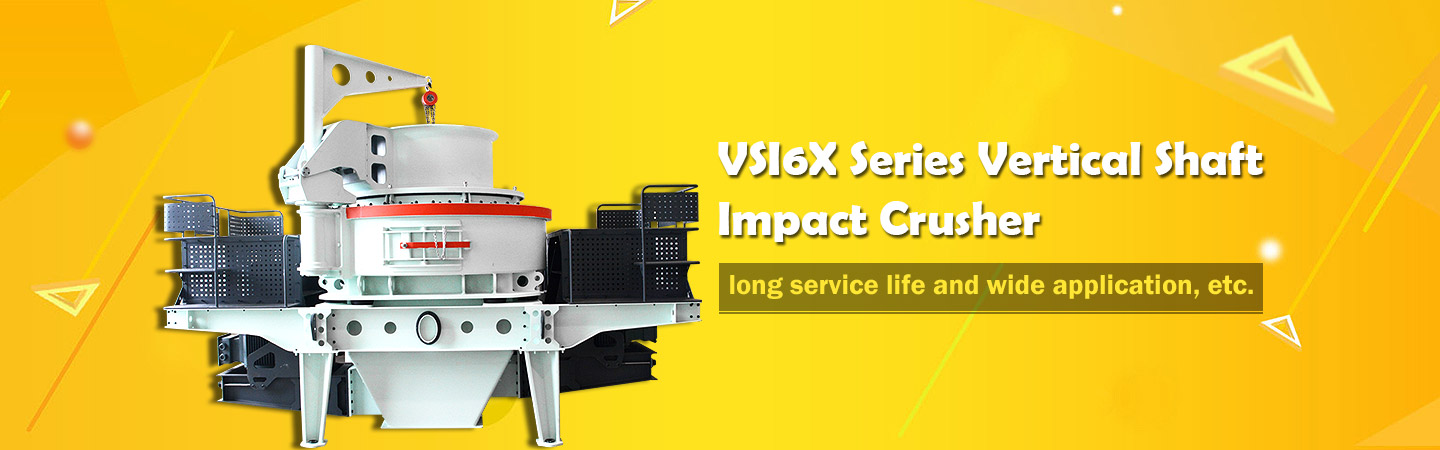
- Secondary/tertiary crushing: Cone or impact crushers refine material to target gradations.
- Screening: Vibrating screens separate crushed aggregates by size fractions.
Applications: Road base production (RAP), concrete/asphalt plants, railway ballast, drainage layers.
Limitations: Not suitable for cohesive clay-rich materials without pre-screening.
Core Features of Modern Aggregate Crushers
Hydraulic Adjustment System | Technical Basis: PLC-controlled piston actuators | Operational Benefit: On-the-fly CSS changes (±10mm in <30 sec) | ROI Impact: Eliminates 2+ hours/day of manual adjustments
Modular Wear Assembly | Technical Basis: Bolt-on manganese steel liners | Operational Benefit: Reduces liner replacement time by 65% | ROI Impact: Cuts annual maintenance labor costs by $8,200+
Hybrid Drive Technology | Technical Basis: Diesel-electric power train | Operational Benefit: Lowers fuel consumption to 6–8L/ton crushed | ROI Impact: Saves $14/ton vs. conventional systems
Automated Tramp Release | Technical Basis: Pressure-sensing hydraulic relief valves | Operational Benefit: Prevents damage from uncrushables (rebar, steel) | ROI Impact: Avoids $32,000+ in annual repair costs
Multi-Chamber Rotor Design (Impact Crushers) | Technical Basis: Adjustable breaker plates + 3-stage impact zones | Operational Benefit: Achieves <5% oversize in single pass | ROI Impact: Reduces recirculation load by 22%
Competitive Advantages of Advanced Aggregate Crushers
| Performance Metric | Industry Standard | Our Solution | Advantage (%) |
|---|---|---|---|
| Tons/hour (hard granite) | 120–150 tph | 180–220 tph | +47% |
| Liner Life | 550 hours | 850 hours | +55% |
| Power Consumption | 0.45 kWh/ton | 0.32 kWh/ton | -29% |
| Noise Emissions | 110 dB at 15m | 89 dB at 15m | -19% |
Technical Specifications (Model XC-2200 Aggregate Crusher)
- Feed Opening: 1,200 x 800 mm
- Capacity Range: 175–240 tph (varies by material hardness)
- Drive System: CAT C9.3B diesel (242 kW) + electric option
- Weight: 38,500 kg (operational)
- Operating Temp.: -25°C to +50°C with cold-climate package
- Output Gradation Control: ±3mm tolerance via laser CSS monitoring