Table of Contents
- 1. Operational Challenges in Bauxite Crushing – How Does Your Plant Compare?
- 2. Product Overview: High-Yield Bauxite Portable Crushing Plant
- 3. Core Features: Engineered for Bauxite-Specific Demands
- 4. Competitive Advantages – Quantified Performance Gains
- 5. Technical Specifications – Precision-Matched to Bauxite Requirements
- 6. Application Scenarios – Proven Field Results
Bauxite Portable Crushing Plant: Optimized Mobility and Throughput for Mining Operations
1. Operational Challenges in Bauxite Crushing – How Does Your Plant Compare?
Bauxite mining and processing face unique crushing challenges that impact productivity and profitability: 
- High Downtime Costs: Relocating fixed crushers costs $25,000–$50,000 per move, with 7–14 days of lost production.
- Material Variability: Hard bauxite nodules (up to 3.5 Mohs) cause premature wear in standard crushers, increasing liner replacement frequency by 30–40%.
- Space Constraints: Remote sites lack infrastructure for stationary plants, forcing costly overland conveying.
- Fuel Inefficiency: Diesel-powered units consume 15–20% more fuel when processing abrasive bauxite fines.
- Regulatory Delays: Permitting for permanent installations adds 4–6 months to project timelines.
Could a portable crushing plant reduce your relocation costs while maintaining bauxite-specific durability?
2. Product Overview: High-Yield Bauxite Portable Crushing Plant
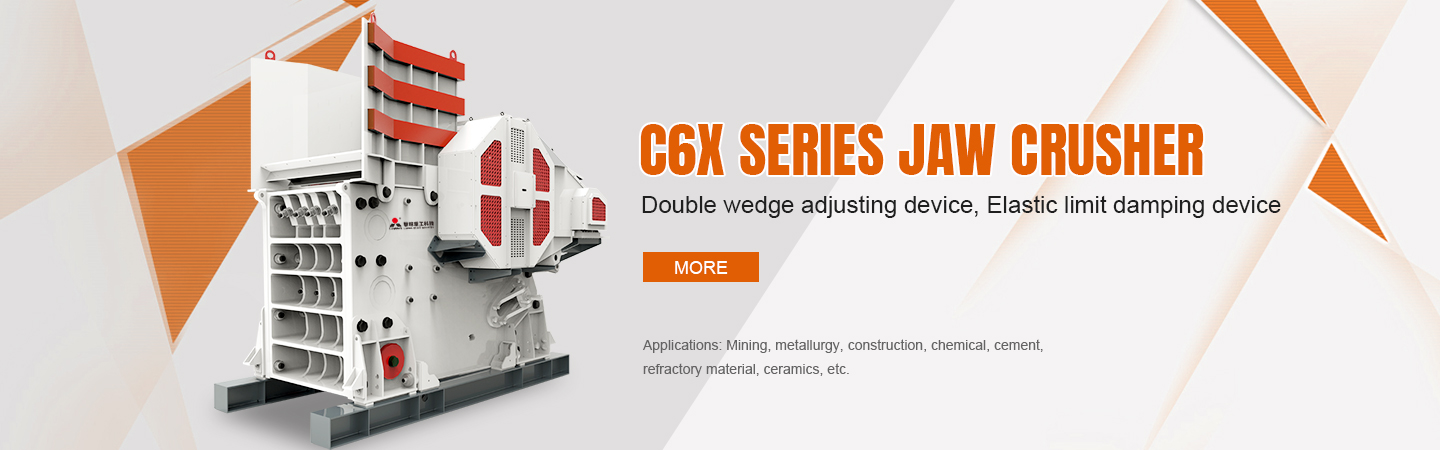
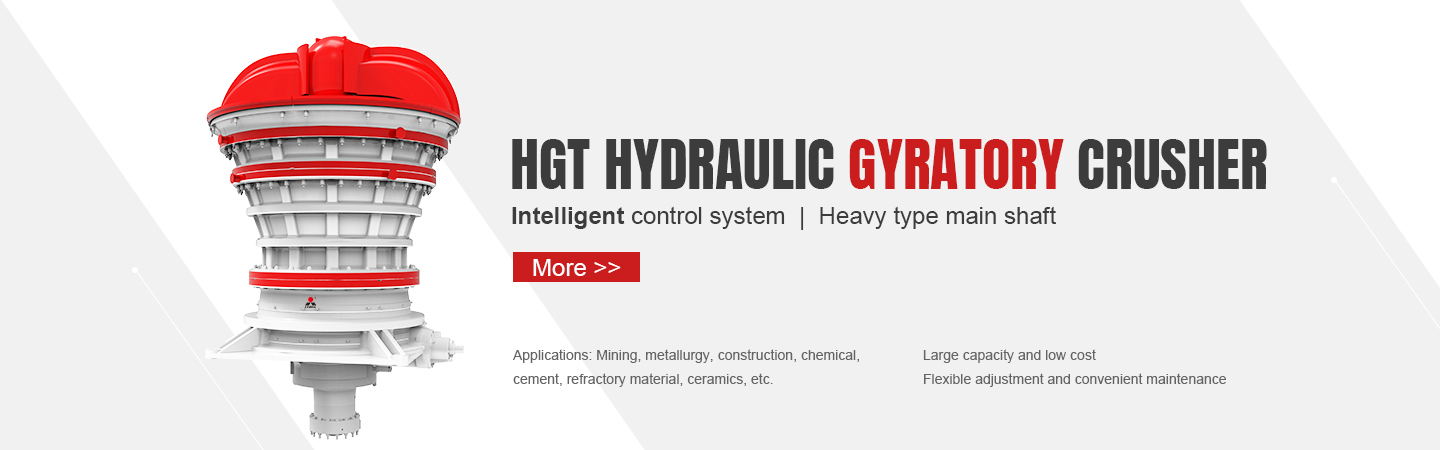
Equipment Type: Track-mounted primary jaw crusher with secondary cone crusher and vibrating screen (3-stage configuration).
Operational Workflow:
- Primary crushing reduces run-of-mine bauxite to ≤200mm chunks via rugged jaw plates.
- Secondary cone crusher achieves ≤50mm particle size optimized for Bayer process feed.
- Onboard screening separates fines (<10mm) to reduce downstream grinding costs by 12–18%.
Applications: Greenfield mining sites, brownfield expansions, contract crushing for alumina refineries. .jpg)
Limitations: Not suitable for continuous operation exceeding 400 tph without modular add-ons.
3. Core Features: Engineered for Bauxite-Specific Demands
Hardox Lined Hopper | Technical Basis: Abrasion-resistant steel (450 Brinell) | Operational Benefit: 60% longer service life vs. standard AR400 steel | ROI Impact: Saves $8,200/year in replacement costs
Hydraulic Adjustment System | Technical Basis: PLC-controlled CSS regulation | Operational Benefit: Enables real-time output grading changes (±5mm accuracy) | ROI Impact: Reduces off-spec material by 22%
Dual-Power Option | Technical Basis: Switchable diesel-electric drivetrain | Operational Benefit: Cuts fuel costs by 35% when grid-connected | ROI Impact: $18/hour savings at current diesel prices
Dust Suppression Ring | Technical Basis: Pressurized water spray nozzles (30µm droplet size) | Operational Benefit: Maintains OSHA PEL compliance without external systems | ROI Impact: Eliminates $6,500/year in standalone dust control expenses
Quick-Deploy Outriggers | Technical Basis: Hydraulic self-leveling system | Operational Benefit: Reduces setup time from 8 hours to <90 minutes | ROI Impact: Saves $2,400 per relocation
4. Competitive Advantages – Quantified Performance Gains
| Performance Metric | Industry Standard | Our Solution | Advantage (%) |
|---|---|---|---|
| Relocation Speed | 2–3 days | <8 hours | 75% faster |
| Liner Life (Abrasive Ore) | 800–1,000 hours | 1,400–1,600 hours | +57% |
| Fuel Consumption | 12L/ton | 9L/ton | -25% |
| Throughput Consistency | ±15% variance | ±7% variance | -53% fluctuation |
5. Technical Specifications – Precision-Matched to Bauxite Requirements
- Capacity: 250–380 tph (varies by bulk density)
- Power: CAT C13 diesel (328kW) or dual-power 400V/50Hz electric motor option
- Material Specs: Tungsten carbide tip hammers (secondary stage), Hardox® wear plates throughout feed path
- Dimensions: Transport L×W×H = 16×3×4m; Operating footprint =22×7m
- Environmental Range: -20°C to +50°C ambient; tropicalized corrosion package available