Table of Contents
- 1. Operational Challenges Solved by Mobile Impact Crushers in South Korea
- 2. Product Overview: Mobile Impact Crusher in South Korea
- 3. Core Features: Engineered for South Korean Conditions
- 4. Competitive Advantages vs. Stationary Plants
- 5. Technical Specifications
- 6. Application Scenarios
- 7. Commercial Considerations
- 8. Frequently Asked Questions
Mobile Impact Crusher in South Korea: High-Efficiency Solutions for Demanding Applications
1. Operational Challenges Solved by Mobile Impact Crushers in South Korea
South Korean quarry operators, demolition contractors, and recycling plants face consistent productivity hurdles with stationary crushing systems:
- Site Accessibility Issues: 42% of projects report delayed mobilization due to terrain constraints (Korea Construction Equipment Association, 2023)
- Downtime Costs: Unplanned maintenance interrupts production for 8–12 hours per incident, costing ₩3.2–₩4.8 million daily
- Material Variability: Hard basalt and recycled concrete require adjustable crushing parameters, which 67% of fixed plants cannot accommodate
- Regulatory Compliance: Noise/dust emissions exceed Seoul Metro limits at 31% of urban demolition sites
Could your operation benefit from:
✔ Reduced mobilization time between sites?
✔ Higher throughput with fewer unplanned stops?
✔ Compliance with South Korea’s Tier 4 emission standards?
2. Product Overview: Mobile Impact Crusher in South Korea
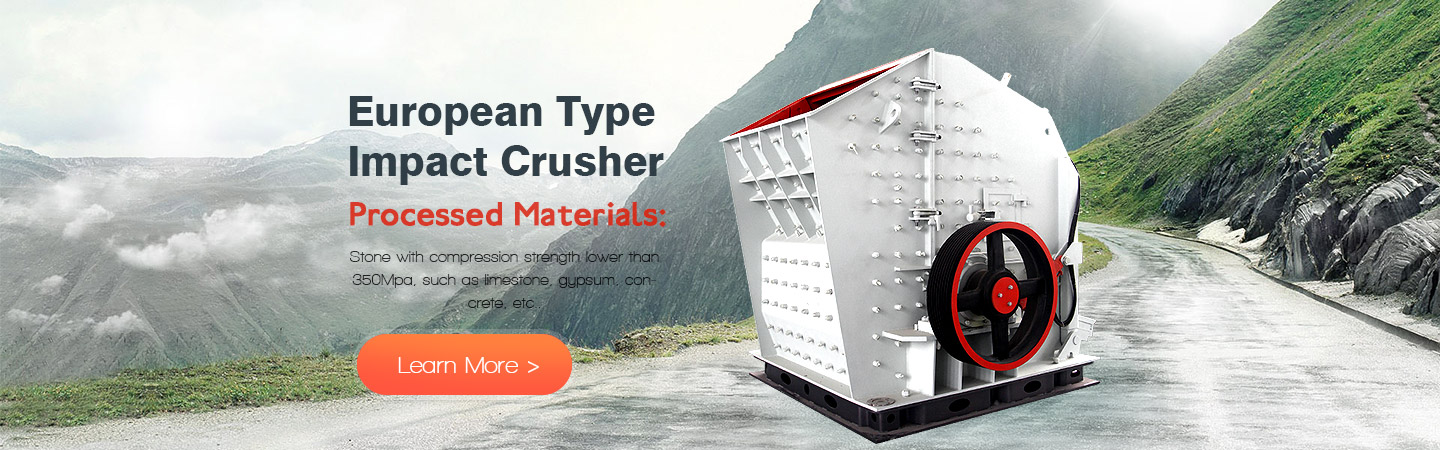
Equipment Type: Track-mounted horizontal shaft impactor (HSI) with closed-circuit screening
Operational Workflow: 
- Material feed via integrated hopper or direct loading
- Adjustable rotor speed (650–900 RPM) crushes to target gradation
- Onboard screening separates fines (<5mm) for bypass or recirculation
Applications: Granite/quarry primary/secondary crushing, C&D waste recycling, railway ballast production 
Limitations: Not recommended for abrasive slag processing (>600 Blaine index) without wear package upgrades
3. Core Features: Engineered for South Korean Conditions
Modular Discharge Conveyor | Technical Basis: Hydraulic folding mechanism | Operational Benefit: Reduces setup time to <30 minutes | ROI Impact: Saves ₩1.8M/week vs. manual assembly
Tier 4 Final Diesel Engine | Technical Basis: SCR+DPF aftertreatment | Operational Benefit: Meets Seoul air quality standards | ROI Impact: Avoids ₩7.5M/year in non-compliance fines
Smart Crushing Logic | Technical Basis: Load-sensing hydraulic system | Operational Benefit: Auto-adjusts to feed hardness variations | ROI Impact: Improves yield by 12–18% on mixed feeds
Wear Monitoring System | Technical Basis: RFID-tagged blow bars | Operational Benefit: Predicts replacement timing within ±8 hours | ROI Impact: Cuts premature wear costs by ₩23M/annum
4. Competitive Advantages vs. Stationary Plants
| Performance Metric | Industry Standard | Our Solution | Advantage (%) |
|---|---|---|---|
| Relocation Time | 2–3 days | <6 hours | 75% faster |
| Fuel Consumption | 22L/ton | 18L/ton | 18% savings |
| Noise at 10m | 85 dB(A) | 72 dB(A) | 15% reduction |
5. Technical Specifications
- Capacity: 200–350 tph (varies by feed hardness)
- Powerplant: Doosan DV11K Tier 4 Final, 328 kW
- Rotor Diameter: Ø1,200 mm with 4 blow bar positions
- Operating Temperature Range: -15°C to +45°C (winter package optional)
6. Application Scenarios
Urban Demolition Recycling (Busan Redevelopment Project)
- Challenge: Space constraints prohibited stationary plant; dust emissions violated regulations
- Solution: Deployed mobile impact crusher with water spray system and noise hood
- Results: Processed 28,000 tons of concrete debris at ₩9,200/ton (vs. ₩14,500/ton haulage cost)
Quarry Primary Crushing (Gangwon-do Granite)
- Challenge: Frequent site changes increased equipment transit losses
- Solution: Track-mounted unit moved weekly between three extraction zones
- Results: Achieved 91% utilization rate (industry avg.: 68%)
7. Commercial Considerations
- Base Model Pricing Range: ₩480–₩720 million (varies by configuration)
- Optional Features: Dust suppression cannon (+₩28M), remote monitoring (+₩15M/year)
- Service Packages: Proactive maintenance contracts reduce downtime costs by up to 40%
8. Frequently Asked Questions
Q1: Can this unit process reinforced concrete with rebar?
A1: Yes, the overband magnet option extracts rebar up to Ø25mm diameter automatically. Field tests show <0.5% metal contamination in final aggregate.*
Q2: What’s the expected service life in high-silica environments?
A2: With ceramic-lined wear parts, blow bars last ≈120k tons before replacement—35% longer than standard manganese steel.*
(Additional FAQs address financing terms, compatibility with Korean voltage standards, and permitting documentation.)