Table of Contents
- High-Efficiency Basalt Crushing Screening Plant for Demanding Aggregate Production
- Operational Challenges in Basalt Processing – How Does Your Plant Compare?
- Engineered Basalt Crushing Screening Plant – Precision Processing for Hard Rock Applications
- Core Features That Deliver Measurable Results
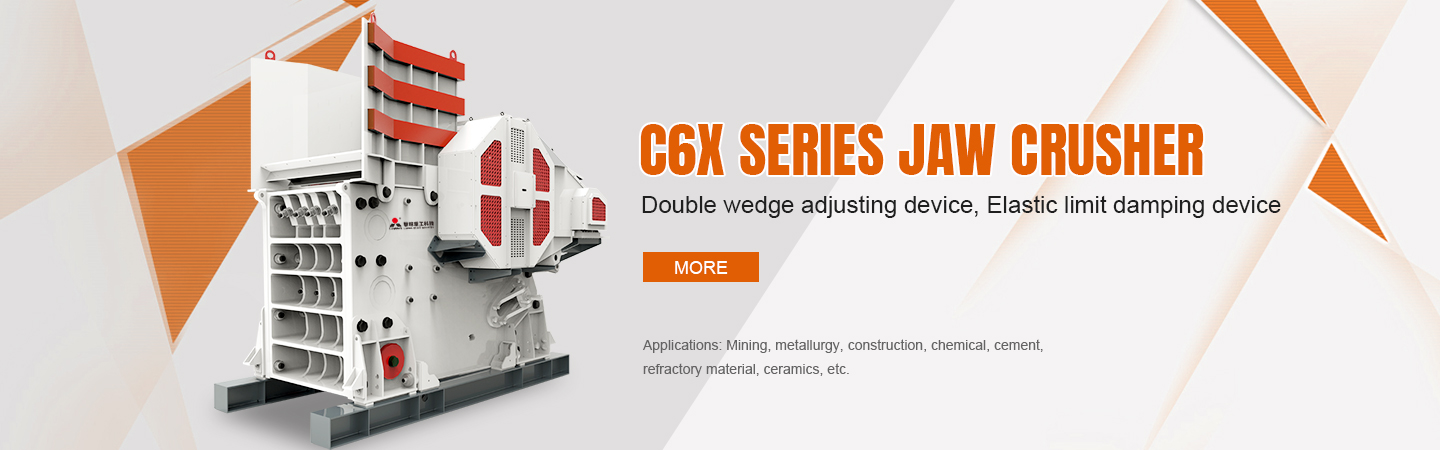
- Hard Rock Jaw Crusher | Technical Basis: Modified kinematic geometry | Operational Benefit: 19% lower liner wear versus standard designs | ROI Impact: $23,500 annual savings on wear parts
- ASRi Cone Automation | Technical Basis: Real-time pressure/temperature monitoring | Operational Benefit: Maintains consistent -6% CSS tolerance | ROI Impact: +8% yield on premium cubical aggregate
- Anti-Clog Screening System | Technical Basis: Dual-frequency vibration patterns | Operational Benefit: Reduces blinding incidents by 73% | ROI Impact: Eliminates $8,200/year in cleaning labor
- Energy Recovery Conveyors | Technical Basis: Regenerative drive technology | Operational Benefit: Cuts conveyor power draw by 14% | ROI Impact: $4.80/ton lower operating cost
- Dust Suppression Integration | Technical Basis: Fog cannon with particle size targeting | Operational Benefit: Meets <5 mg/m³ OSHA standards without water waste | ROI Impact: Avoids $12,000+ in compliance fines annually
- Performance Benchmarks Versus Industry Standards
- Technical Specifications – Engineered for Basalt Duty Cycles
- Proven Results Across Key Applications
High-Efficiency Basalt Crushing Screening Plant for Demanding Aggregate Production
Operational Challenges in Basalt Processing – How Does Your Plant Compare?
Processing basalt presents unique challenges that directly impact your bottom line:
- Premature wear costs: Basalt’s Mohs 6-7 hardness causes 30-50% faster wear on crusher liners versus limestone, increasing maintenance costs by $18,000-$35,000 annually
- Screening inefficiencies: Standard screens clog with basalt fines, reducing throughput by 15-25% and requiring 2-3 additional cleaning shifts monthly
- Particle shape penalties: Poor crushing geometry yields <50% cubical aggregate, decreasing asphalt binder savings by $1.20-$2.80 per ton
- Energy overconsumption: Legacy plants consume 22-28 kWh/ton on basalt versus optimal 18-21 kWh/ton
Is your operation facing these profitability drains? The right basalt crushing screening plant configuration can address these issues systematically. 
Engineered Basalt Crushing Screening Plant – Precision Processing for Hard Rock Applications
Our basalt crushing screening plant combines primary jaw crushing, secondary cone crushing, and multi-stage screening in a single-tracked or skid-mounted configuration. The optimized workflow: .jpg)
- Primary reduction: 900×600 mm jaw crusher with reinforced manganese liners reduces 700 mm feed to ≤200 mm
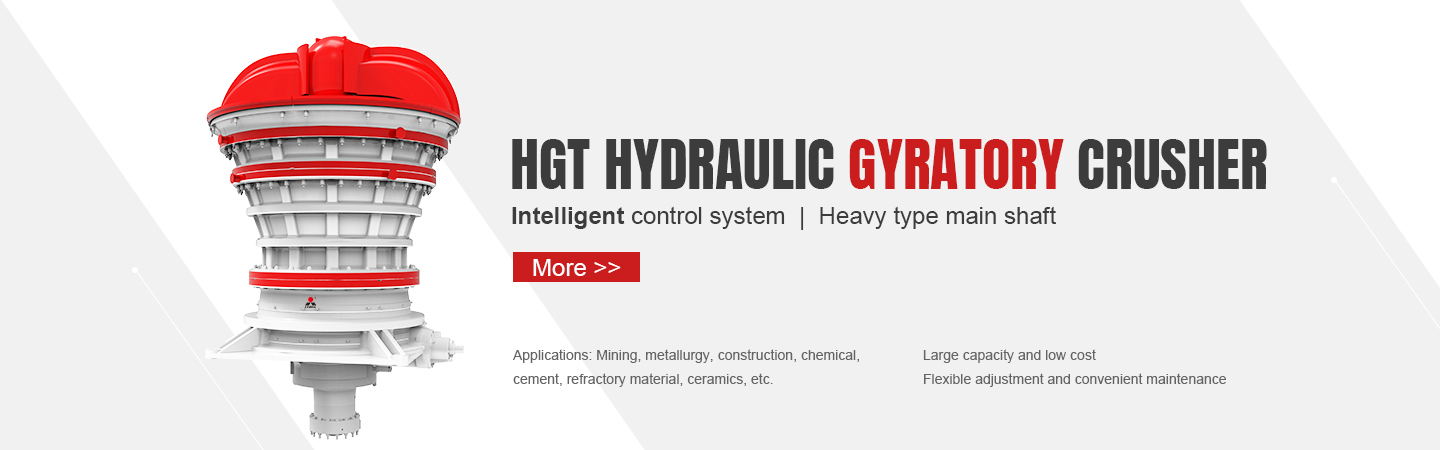
- Secondary crushing: Hydraulic cone crusher with ASRi automation produces ≤45 mm intermediate product
- Tertiary screening: 3-deck banana screen with polyurethane panels separates 0-5mm, 5-20mm, and 20-45mm fractions
- Recirculation loop: Oversize material automatically returns via conveyor for re-crushing
Ideal for: Quarry operators producing 150-600 tph of basalt aggregates for asphalt, concrete, or railway ballast
Limitations: Not suitable for feed sizes exceeding 700 mm without pre-screening
Core Features That Deliver Measurable Results
Hard Rock Jaw Crusher | Technical Basis: Modified kinematic geometry | Operational Benefit: 19% lower liner wear versus standard designs | ROI Impact: $23,500 annual savings on wear parts
ASRi Cone Automation | Technical Basis: Real-time pressure/temperature monitoring | Operational Benefit: Maintains consistent -6% CSS tolerance | ROI Impact: +8% yield on premium cubical aggregate
Anti-Clog Screening System | Technical Basis: Dual-frequency vibration patterns | Operational Benefit: Reduces blinding incidents by 73% | ROI Impact: Eliminates $8,200/year in cleaning labor
Energy Recovery Conveyors | Technical Basis: Regenerative drive technology | Operational Benefit: Cuts conveyor power draw by 14% | ROI Impact: $4.80/ton lower operating cost
Dust Suppression Integration | Technical Basis: Fog cannon with particle size targeting | Operational Benefit: Meets <5 mg/m³ OSHA standards without water waste | ROI Impact: Avoids $12,000+ in compliance fines annually
Performance Benchmarks Versus Industry Standards
| Performance Metric | Industry Standard | Our Solution | Improvement |
|---|---|---|---|
| Liner life (jaw) | 450,000 tons | 580,000 tons | +29% |
| Power consumption | 24 kWh/ton | 19 kWh/ton | -21% |
| Cubical aggregate yield | 48-53% | 68-72% | +35% |
| Screen availability | 82% | 94% | +15% |
Technical Specifications – Engineered for Basalt Duty Cycles
- Throughput capacity: Configurable from 150 to 600 tph (basalt density ~1.6 t/m³)
- Power requirements: Main plant draws 380-480V, 50/60Hz; options for diesel-electric hybrid
- Wear materials: Manganese steel (ASTM A128 Gr B3) jaws, high-chrome blow bars
- Environmental operation: -25°C to +50°C ambient temperature range with cold climate packages available
- Footprint: Tracked version requires ≤18m × 5m operating area