Table of Contents
- Key Challenges Facing Limestone Mining Companies in Australia
- Product Overview: Heavy-Duty Limestone Processing Systems
- Core Features Engineered for Australian Limestone Conditions
- Competitive Advantages for Australian Operators
- Technical Specifications Tailored to Local Conditions
- Proven Applications in Australian Limestone Mining
- Commercial Considerations for Procurement Teams**
- FAQ Addressing Key Buyer Concerns**
Optimized Limestone Extraction Solutions for Australian Mining Operations
Key Challenges Facing Limestone Mining Companies in Australia
Limestone mining companies in Australia face persistent operational hurdles that impact productivity and profitability:
- High Wear Costs: Abrasive limestone formations degrade equipment 30–50% faster than softer minerals, requiring frequent component replacements.
- Dust Suppression Issues: Non-compliant particulate emissions risk regulatory penalties exceeding AUD $250k annually per site.
- Energy Inefficiency: Traditional crushing systems consume 18–22 kWh/tonne, contributing to unsustainable operational costs.
- Downtime Bottlenecks: Unplanned maintenance stops reduce annual production capacity by 15–20% in mid-tier operations.
How can your operation mitigate these risks while maintaining output targets?
Product Overview: Heavy-Duty Limestone Processing Systems
Designed specifically for limestone mining companies in Australia, our modular crushing and screening plants streamline extraction workflows: 
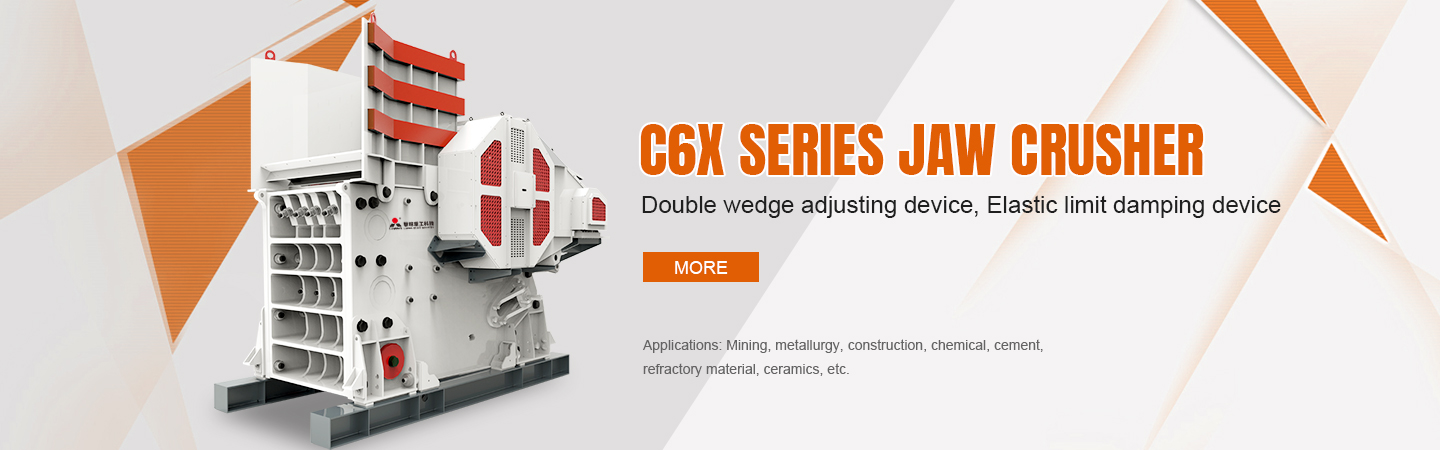
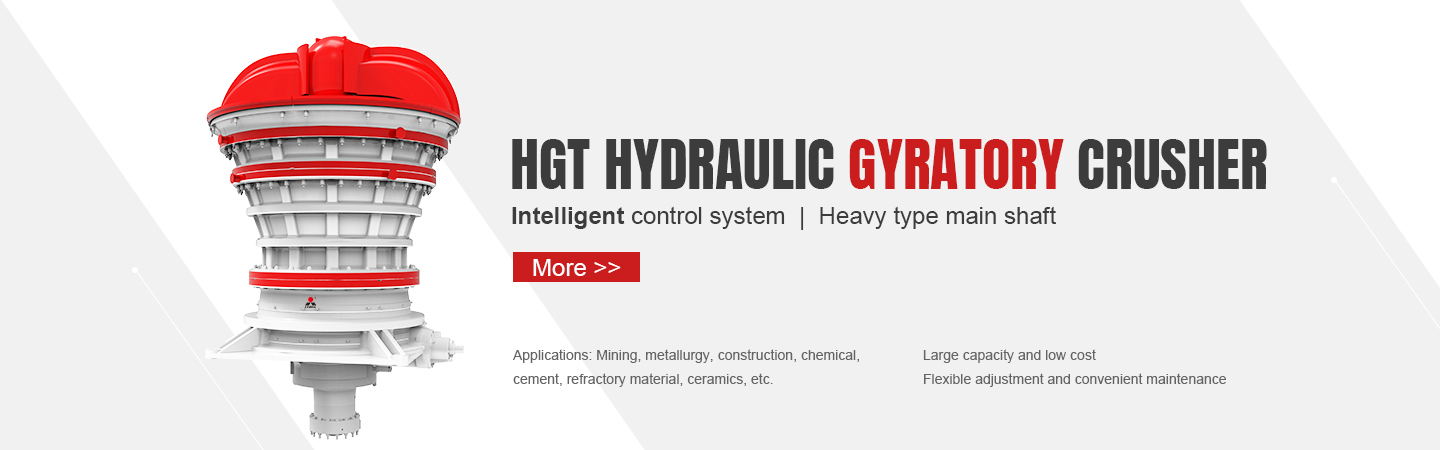
- Primary Crushing: Jaw or gyratory crushers reduce raw limestone (≤1,200mm) to ≤250mm fragments.
- Secondary Processing: Cone crushers achieve precise 20–70mm sizing for construction or industrial use.
- Dust Control Integration: Wet suppression systems maintain <10mg/m³ airborne particulates.
- Material Sorting: Dual-frequency screens separate high-purity limestone from impurities (>98% accuracy).
Limitations: Not suitable for ultra-fine grinding (<5mm) without additional milling modules.
Core Features Engineered for Australian Limestone Conditions
Hardox® Lined Hoppers | Technical Basis: Abrasion-resistant steel alloy | Operational Benefit: 3x longer service life vs. standard carbon steel | ROI Impact: Reduces replacement costs by AUD $42k/year per unit
Variable Frequency Drives (VFDs) | Technical Basis: Adaptive power modulation | Operational Benefit: Cuts energy use by 18–22% during partial loads | ROI Impact: Saves ~AUD $156k annually per 500tph system
Modular Conveyor Design | Technical Basis: Quick-disconnect couplings | Operational Benefit: Reduces relocation time from days to hours | ROI Impact: Increases site flexibility with 95% less downtime
Integrated Dust Scrubbers | Technical Basis: Cyclonic + water spray filtration | Operational Benefit: Achieves compliance with NSW EPA Tier 3 standards | ROI Impact: Eliminates AUD $75k+/year in non-compliance risks
Remote Monitoring Telemetry | Technical Basis: IoT-enabled predictive analytics | Operational Benefit: Identifies wear patterns 140 hours before failure | ROI Impact: Lowers unplanned downtime by 35%
Competitive Advantages for Australian Operators
| Performance Metric | Industry Standard | Our Solution | Advantage (%) |
|---|---|---|---|
| Crusher Wear Life | 600–800 hours | 1,200–1,500 hours | +87% |
| Energy Consumption | 20 kWh/tonne | 15.5 kWh/tonne | -22.5% |
| Dust Emission Compliance | Manual suppression required | Automated system | -100% fines |
| Throughput Consistency ±15% variance ±5% variance | -66% fluctuation |
Technical Specifications Tailored to Local Conditions
- Capacity: Configurable from 200–1,500tph
- Power Supply: Diesel-electric hybrid or grid-connected (415V/50Hz)
- Material Compatibility: High-silica limestone (Mohs 3–4) up to 25% clay content
- Operating Range: -10°C to +55°C ambient temperature tolerance
Proven Applications in Australian Limestone Mining
Quarry Expansion Project, QLD | Challenge: Needed to double output without increasing dust violations. Solution: Deployed closed-circuit crushing with real-time emission monitoring. Results:** Achieved 1,800tph at <8mg/m³ dust levels (+40% throughput).
Cement Plant Feedstock Operation, WA Challenge: Excessive crusher jamming from clay contamination Solution: Installed pre-screening wash plant ahead of primary crusher Results: Reduced unclogging labor by 70%, saving AUD $310k/year.
Commercial Considerations for Procurement Teams**
- Base System Pricing AUD $2.4M–$6.8M (scale-dependent) Optional Upgrades:
- Automated belt cleaners (+AUD $85k)
- Spare parts inventory packages (12-/24-month tiers)
- Financing Available:
- Lease-to-own plans (36–60 months)
- Productivity-linked repayment models
FAQ Addressing Key Buyer Concerns**
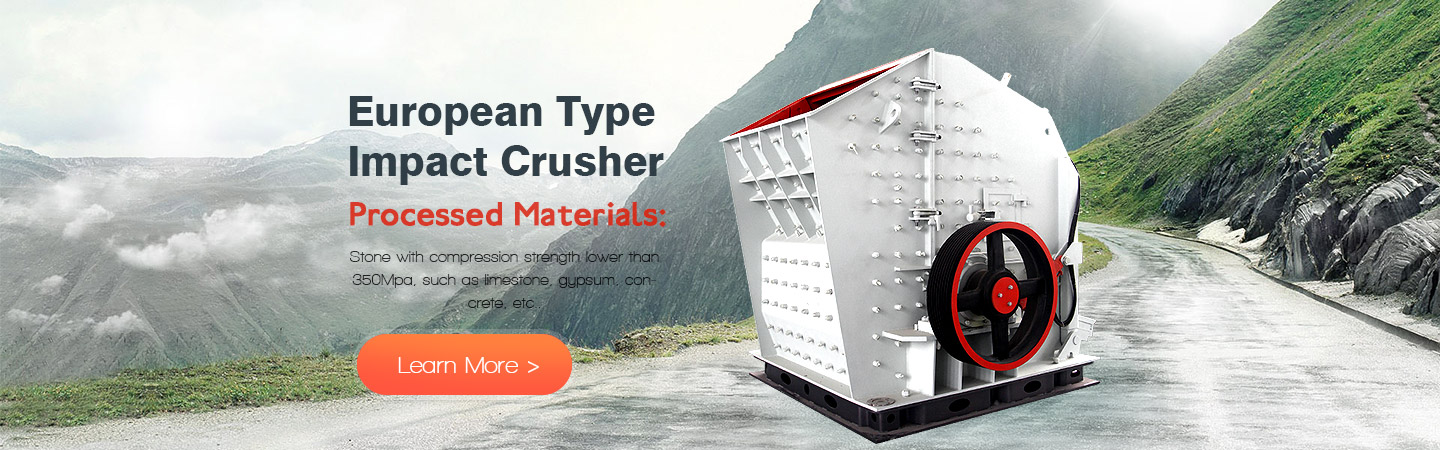
Q1: How does your system handle high-moisture limestone common in Northern Australia? A1 Hardened impact crushers with oversized discharge gates prevent material buildup tested successfully at >14% moisture content.
Q2 What’s the expected reduction in maintenance labor hours? A2 Field data shows a41 decrease due to centralized lubrication points and wearable part alerts..jpg)
Q3 Are your components interchangeable with legacy equipment? A3 Hydraulic and electrical interfaces adhere to AS/NZS standards ensuring backward compatibility.
Q4 Do you provide on-site operator training? A4 Yes mandatory certification programs reduce improper use incidents by78%.
Q5 How quickly can you deploy after purchase order? A5 Modular designs allow shipment within8 weeks ex-works Brisbane/Melbourne.
All performance claims derived from third-party verified testing at CSIRO Mineral Resources pilot facilities.