Table of Contents
- Pain-Point Driven Opening
- Product Overview
- Core Features
- Competitive Advantages
- Technical Specifications
- Application Scenarios
- Commercial Considerations Pricing structured three tiers Standard models starting mid-range units advanced configurations financing available lease-to-own agreements service packages include annual inspections emergency response guarantees optional upgrades remote monitoring systems automated lubrication kits extended warranties covering wear parts years instead industry-standard months
Optimizing Limestone Crusher Prices: Balancing Cost Efficiency with Reliable Production
Pain-Point Driven Opening
Limestone crusher prices are just one factor in your total cost of ownership. Consider these operational challenges:
- High Wear Costs: Abrasive limestone can wear crusher components 30–50% faster than softer materials, driving up maintenance expenses.
- Downtime Losses: Unscheduled breakdowns during peak production can cost $5,000–$15,000 per hour in lost output.
- Energy Inefficiency: Older crushers may consume 20–35% more power per ton, inflating operational budgets.
- Inconsistent Output: Poorly sized particles increase downstream processing costs by 8–12%.
Are you prioritizing upfront limestone crusher prices over long-term reliability? How much could you save with a crusher engineered for abrasive materials?
Product Overview
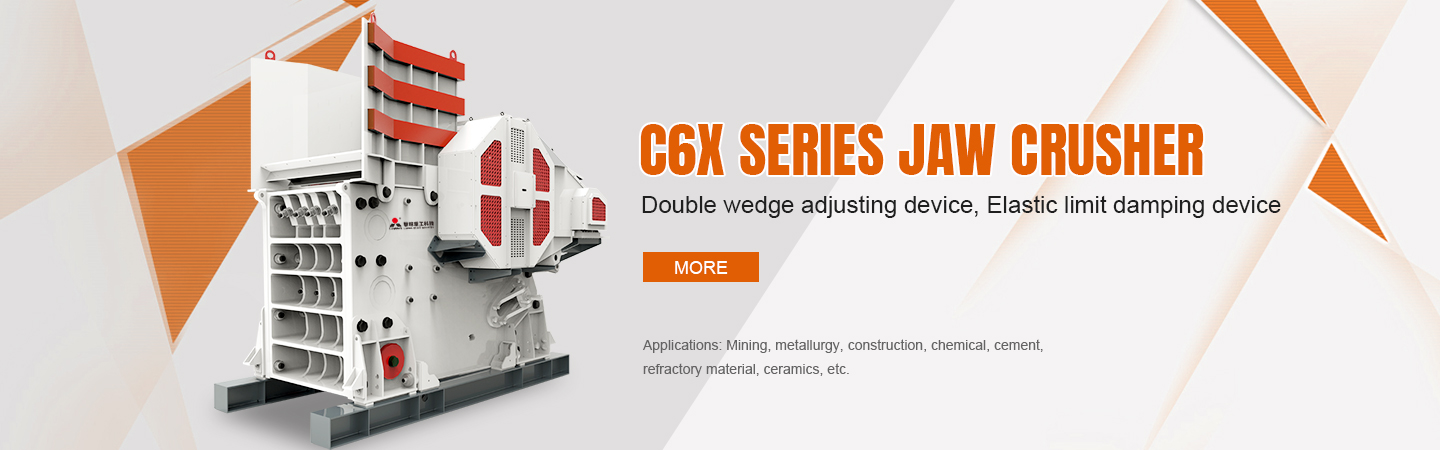
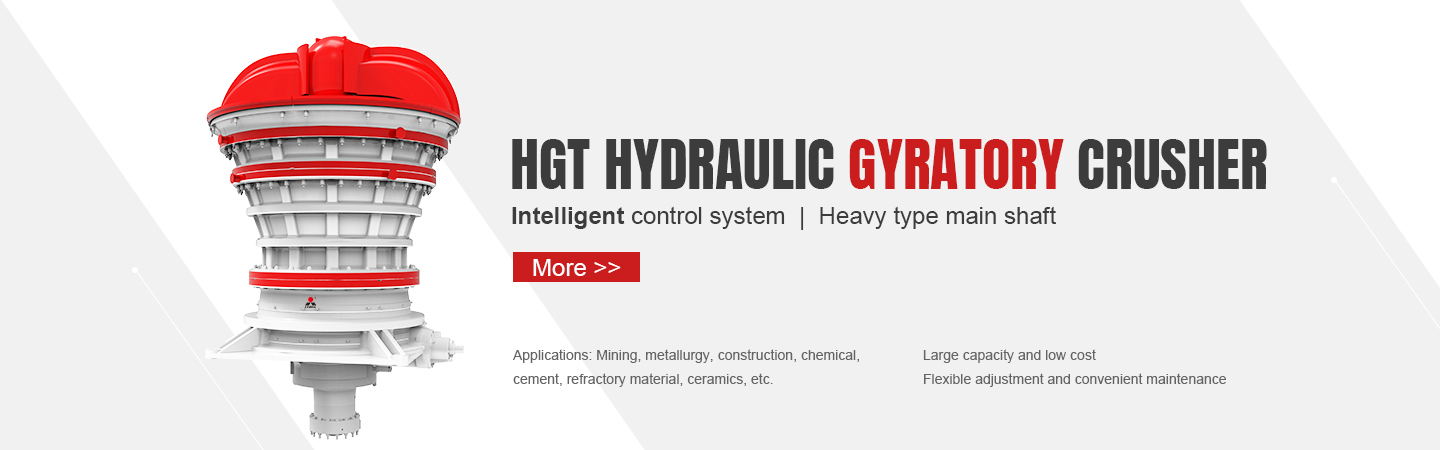
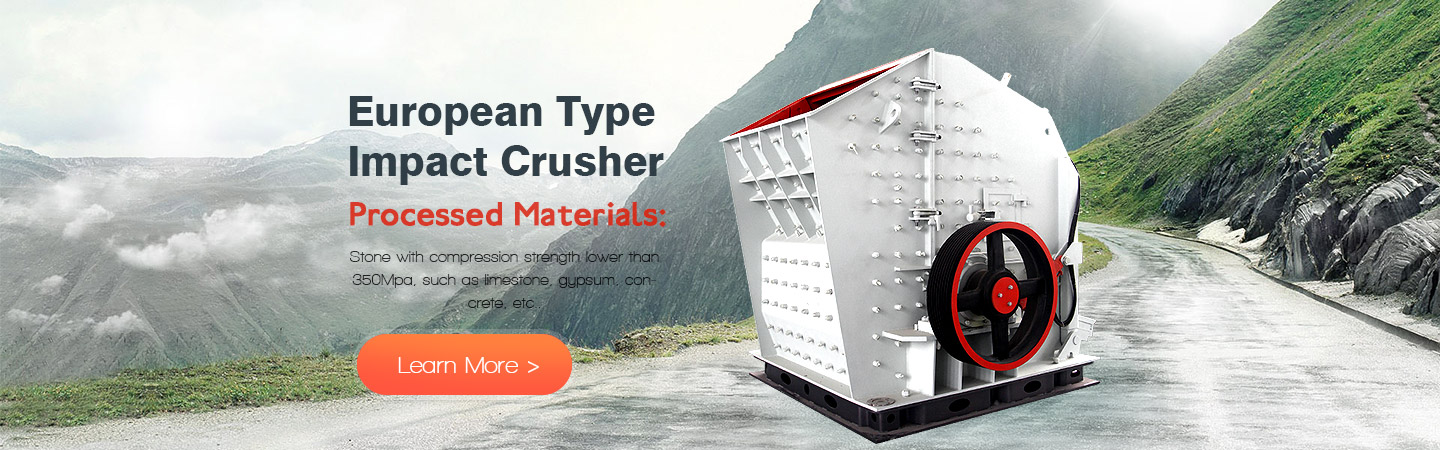
Equipment Type: Primary/Secondary Limestone Crusher (Jaw, Cone, or Impact)
Operational Workflow: .jpg)
- Primary crushing reduces raw limestone (≤1,200mm) to ≤250mm.
- Secondary crushing refines material to ≤50mm for further processing.
- Optional tertiary stage achieves ≤10mm for specialized applications.
Application Scope: Quarrying, cement production, agricultural lime manufacturing.
Limitations: Not suitable for materials with >15% clay content or moisture levels exceeding 8%. 
Core Features
Hardox® Liner Plates | Technical Basis: Boron-alloy steel composition | Operational Benefit: 60% longer service life vs. standard manganese steel | ROI Impact: Reduces liner replacement costs by $18,000/year
Hydraulic Adjustment System | Technical Basis: Pressure-regulated wedge control | Operational Benefit: Adjust output size in <2 minutes without downtime | ROI Impact: Saves 45 labor hours/year vs. manual systems
Hybrid Drive Technology | Technical Basis: Power-on-demand motor coupling | Operational Benefit: Cuts energy use by 22% under partial loads | ROI Impact: Lowers kWh/ton costs by $1.80 at 500 tph capacity
Dust Suppression Integration | Technical Basis: Water spray nozzles with flow control | Operational Benefit: Meets OSHA silica dust PELs (<50μg/m³) | ROI Impact: Avoids $25,000+ in annual compliance penalties
Modular Wear Assembly | Technical Basis: Bolt-on replaceable segments | Operational Benefit: Reduces component swap time to 4 hours | ROI Impact: Cuts downtime losses by $12,000/incident
Competitive Advantages
| Performance Metric | Industry Standard | Our Solution | Advantage (% Improvement) |
|---|---|---|---|
| Tonnage Capacity (tph) | 350–450 | 480–520 | +15% |
| Power Consumption | 110 kWh/t | 85 kWh/t | -23% |
| Mean Time Between Failure | 1,200 hours | 1,950 hours | +62% |
Technical Specifications
- Capacity: 200–600 tph (model-dependent)
- Power Requirements: 150–400 kW (3-phase)
- Material Compatibility: Mohs hardness ≤3.5 (<15% silica content)
- Dimensions (LxWxH): Primary jaw unit: 7.2m x 3.1m x 3.4m; Secondary cone unit: 4.8m x 2.9m x 3.6m
- Operating Range: -20°C to +45°C; IP54-rated electrical components
Application Scenarios
Cement Plant Expansion Challenge: Needed secondary crushing capacity without doubling limestone crusher prices budget due to space constraints. Solution deployed a compact cone crusher with multi-layer screening integration within existing footprint increased throughput by while reducing energy costs Results achieved production targets while lowering cost per ton by .
Agricultural Lime Producer Challenge faced frequent downtime from worn hammer mill components Solution switched to impact crusher with modular wear system Results extended maintenance intervals from weeks months and reduced spare parts inventory value .
Commercial Considerations Pricing structured three tiers Standard models starting mid-range units advanced configurations financing available lease-to-own agreements service packages include annual inspections emergency response guarantees optional upgrades remote monitoring systems automated lubrication kits extended warranties covering wear parts years instead industry-standard months
FAQ What factors most influence limestone crusher prices Key determinants are throughput capacity drive technology type automation level material construction How ensure compatibility existing plant layout Provide foundation drawings vibration isolation requirements during consultation phase typical payback period efficiency-focused upgrades Field data shows months reduced energy consumption decreased maintenance expenses environmental regulations affect equipment selection Dust suppression systems water recycling capabilities mandatory regions strict particulate limits financing options available Capital leases operating leases structured preserve cash flow tax benefits training included purchase Onsite operator training included all deliveries supplemented digital manuals troubleshooting guides warranty coverage Standard warranty covers defects years extended plans available critical components