Optimizing Your LECA Lightweight Aggregate Process: Solutions for Higher Output & Lower Costs
Operational Challenges in LECA Production
Producing consistent, high-quality lightweight expanded clay aggregate (LECA) requires precise process control. Common pain points include:
- Energy inefficiency: Rotary kilns consume 25–35% more fuel when feed moisture exceeds optimal levels, increasing production costs by $18–$25/ton.
- Aggregate inconsistency: Uncontrolled expansion leads to 15–20% yield loss from off-spec material, requiring reprocessing.
- Downtime bottlenecks: Manual feed systems cause 3–5 hours/week of unplanned maintenance in high-volume operations.
- Dust emissions: Open material handling violates EPA/NIOSH exposure limits (50 µg/m³ PEL), risking compliance fines.
Are your LECA lightweight aggregate processes meeting quality targets while minimizing waste and energy use? .jpg)
LECA Lightweight Aggregate Process Equipment Overview
Our counterflow rotary kiln systems automate critical production stages: 
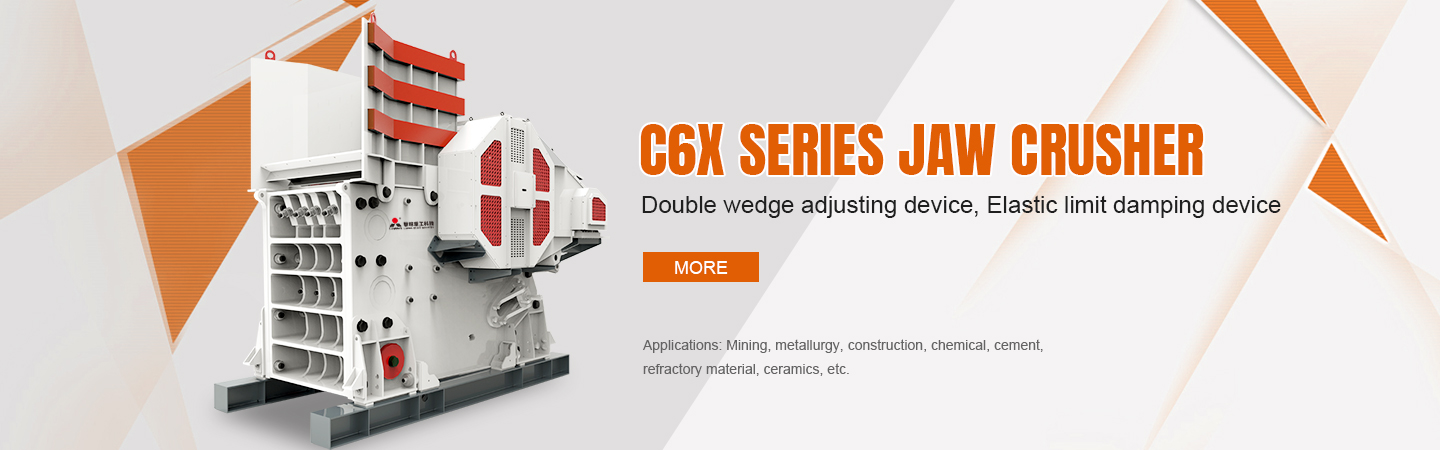
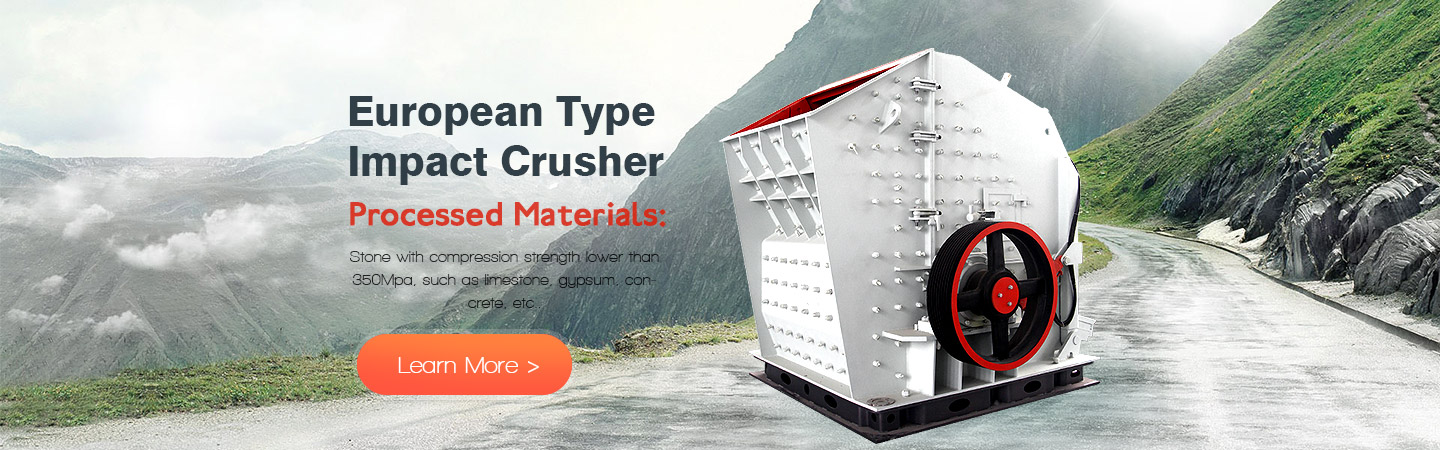
- Clay preparation: Crushers and mixers homogenize raw material to ≤5mm granules (<2% moisture variance).
- Preheating: Multi-stage cyclones heat clay to 400°C using waste kiln gases (85% thermal recovery).
- Expansion: Kiln zones maintain precise 1100–1200°C profiles for uniform pore structure (bulk density: 0.6–1.2 g/cm³).
- Cooling: Air quenching stabilizes aggregates without thermal shock fractures.
- Classification: Vibratory screens separate products into ASTM C330 gradations (4–20mm).
Ideal for: Plants producing 50,000–500,000 tons/year of structural LECA aggregate.
Core Features Driving ROI
Automated Feed Control | Technical Basis: Loss-in-weight dosing | Operational Benefit: ±0.5% moisture consistency | ROI Impact: Reduces fuel consumption by 18% ($142,000/year savings at 100k ton capacity)
Multi-Zone Kiln Heating | Technical Basis: PID-controlled burners | Operational Benefit: ±15°C profile stability | ROI Impact: Increases yield of on-spec aggregate by 22%
Waste Heat Recovery | Technical Basis: Regenerative air preheating | Operational Benefit: Cuts external energy demand | ROI Impact: Lowers operating costs by $8–$12/ton
Dust Suppression System | Technical Basis: High-pressure fog nozzles | Operational Benefit: Maintains <10 µg/m³ particulate levels | ROI Impact: Eliminates $45k/year compliance penalties
Performance Comparison
| Performance Metric | Industry Standard | Our Solution | Advantage (%) |
|---|---|---|---|
| Thermal efficiency | 65–75% | 82–86% | +18% |
| Production yield | 78–82% on-spec | 93–95% on-spec | +16% |
| Maintenance intervals | Every 400 hours | Every 750 hours | +88% |
Technical Specifications
- Capacity: 15–150 tons/hour (custom configurations available)
- Power: 380–480V, 60Hz, total connected load of 450–1,100 kW
- Material Compatibility: Shale, clay, slate feed with SiO₂ >50%, Al₂O₃ >20%
- Dimensions: Kiln lengths of 25m–75m × Ø2.8m–Ø4.5m (+30% active volume vs conventional designs)
- Operating Environment: -30°C to +50°C ambient with IP54 protection