Table of Contents
- Radial Stacking Conveyor | Technical Basis: Hydraulic folding kinematics | Operational Benefit: Eliminates separate conveying equipment | ROI Impact: Saves $18,000-$25,000 in ancillary costs per project
- Hybrid Power System | Technical Basis: Tier 4 Final diesel + electric grid option | Operational Benefit: Reduces fuel consumption by up to 40% versus diesel-only units | ROI Impact: Cuts operating costs by $32/hour at current fuel prices
- Smart Crushing Chamber | Technical Basis: Computer-modeled impact angles | Operational Benefit: Maintains ≤15% variation in output gradation during liner wear | ROI Impact: Reduces reprocessing labor by 22 worker-hours/week
- Rapid Service Access | Technical Basis: Rotating crusher housing design | Operational Benefit: Complete wear part replacement in ≤90 minutes | ROI Impact: Increases annual uptime by ≈180 hours
- Auto-Adjust Apron System | Technical Basis: Load-sensing hydraulic cylinders | Operational Benefit: Compensates for feed size fluctuations without operator intervention | ROI Impact: Prevents ≈$8,200/year in downstream equipment damage
Mobile Impact Crushers: Solving On-Site Crushing Challenges Without Compromise
1. Operational Challenges Addressed by Wheel-Mounted Impact Crushers
Every day, plant managers and contractors face these costly crushing bottlenecks:
- Site Accessibility Issues: 42% of crushing projects require relocation within sites (ConExpo 2023 data), but track-based systems incur $280+/hr transport costs
- Downtime During Configuration: Traditional setups lose 3-5 working days per site changeover
- Material Inconsistency: Single-stage crushing often produces 18-22% oversize material requiring reprocessing
- Fuel Inefficiency: Diesel-powered units average 23% higher operating costs versus optimized electric-hydraulic systems
Could your operation benefit from:
✔️ Immediate mobility between stockpiles without heavy haulage?
✔️ Sub-8-hour setup times for rapid production starts?
✔️ Consistent first-pass reduction ratios exceeding 1:16?
2. Product Overview: High-Performance Wheeled Impact Crushers
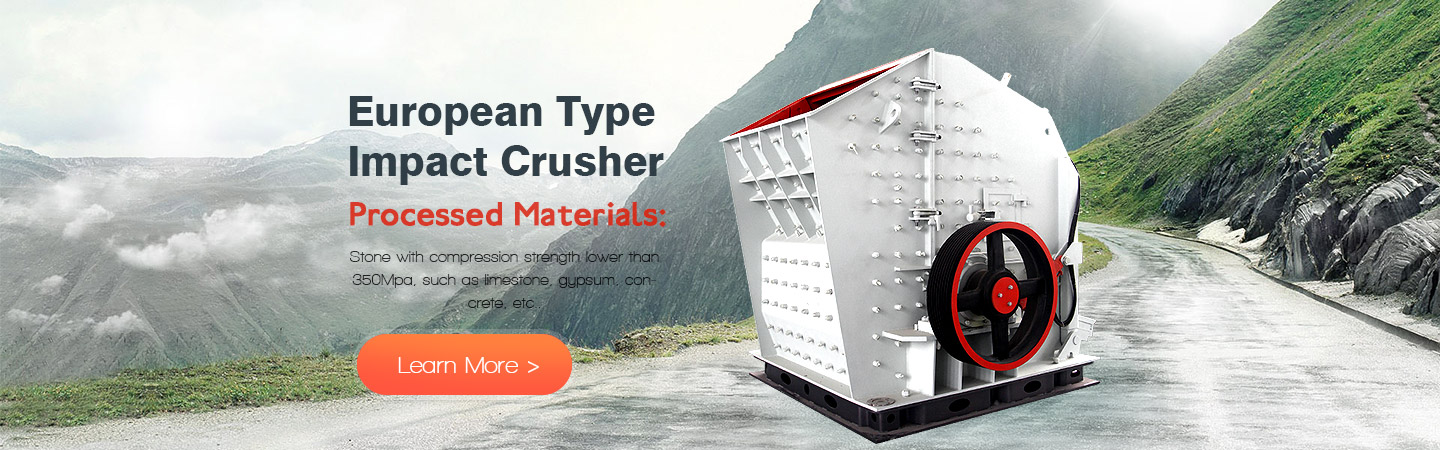
Equipment Type: Primary or secondary impact crusher mounted on road-legal wheel chassis with integrated screening 
Typical Workflow:
- Position unit within 15° of level grade using hydraulic stabilizers
- Feed <500mm material via excavator or wheel loader at up to 350 tph rates
- Adjust rotor speed (650-900 RPM) and apron gap (30-80mm) for required gradation
- Direct crushed material to stockpile or secondary processing via onboard conveyors
Application Scope: Ideal for limestone, recycled concrete, and medium-hard rock (<250 MPa compressive strength). Not recommended for abrasive ores requiring more than 20% Si content wear protection.
3. Core Features Engineered for Commercial Buyers
Radial Stacking Conveyor | Technical Basis: Hydraulic folding kinematics | Operational Benefit: Eliminates separate conveying equipment | ROI Impact: Saves $18,000-$25,000 in ancillary costs per project
Hybrid Power System | Technical Basis: Tier 4 Final diesel + electric grid option | Operational Benefit: Reduces fuel consumption by up to 40% versus diesel-only units | ROI Impact: Cuts operating costs by $32/hour at current fuel prices
Smart Crushing Chamber | Technical Basis: Computer-modeled impact angles | Operational Benefit: Maintains ≤15% variation in output gradation during liner wear | ROI Impact: Reduces reprocessing labor by 22 worker-hours/week
Rapid Service Access | Technical Basis: Rotating crusher housing design | Operational Benefit: Complete wear part replacement in ≤90 minutes | ROI Impact: Increases annual uptime by ≈180 hours
Auto-Adjust Apron System | Technical Basis: Load-sensing hydraulic cylinders | Operational Benefit: Compensates for feed size fluctuations without operator intervention | ROI Impact: Prevents ≈$8,200/year in downstream equipment damage
4. Performance Comparison Against Stationary Alternatives
| Performance Metric | Industry Standard (Track Units) | Wheeled Solution | Advantage (%) |
|---|---|---|---|
| Relocation Speed | 6-8 hours with permits | <45 minutes | +88% |
| Setup Time | 2 full shifts | Sub-4-hour | +75% |
| Fuel Efficiency | 12L/ton | 8.5L/ton | +29% |
| Noise Output | 112 dB @10m | ≤98 dB @10m | -12% reduction |
5. Technical Specifications: .jpg)
- Crushing Capacity: 250–400 tph (varies by feed hardness)
- Powerplant Options:
- Diesel-electric hybrid (328 kW)
- Full electric (400V/50Hz)
- Feed Opening: 1,020 x 730 mm
- Transport Dimensions: L14.2m x W2.9m x H3.8m (permitted without escorts in most jurisdictions)
- Operating Temp Range: -25°C to +45°C with cold/hot climate packages
6. Proven Application Scenarios: