Table of Contents
- Track Mounted Mobile Crushing Plant: High-Efficiency Mineral Processing for Demanding Sites
- Operational Challenges Solved by Track Mounted Mobile Crushing Technology
- Product Overview: Track Mounted Mobile Crushing Plant
- Core Features Driving Operational ROI
- Hydraulic Adjustment System | Technical Basis: PLC-controlled cylinder positioning | Operational Benefit: Change CSS in <2 minutes vs manual wedge systems (8–12 minutes) | ROI Impact: Saves $1,200/week in labor costs at typical adjustment frequency
- Hybrid Power Module | Technical Basis: Tier 4 Final diesel + electric shore connection option | Operational Benefit: Reduces fuel consumption by 22% versus conventional drives | ROI Impact: Cuts $18,000/year in operating costs at current diesel prices
- Remote Telemetry | Technical Basis: IoT-enabled condition monitoring | Operational Benefit: Provides real-time alerts on wear part status and performance anomalies | ROI Impact: Reduces unplanned downtime by up to 35% annually
- Modular Wear Package | Technical Basis: Bolt-on manganese steel sections | Operational Benefit: Replace individual wear components without full liner removal | ROI Impact: Lowers maintenance costs by $8–12/ton processed
- Track Mobility System | Technical Basis: Proportional hydraulic travel motors with auto-leveling | Operational Benefit: Relocates at 1 km/h under full load capacity | ROI Impact: Eliminates $15,000 average crane costs per move
- Competitive Performance Advantages
- Technical Specifications
- Proven Application Scenarios
- Commercial Considerations
- Frequently Asked Questions
Track Mounted Mobile Crushing Plant: High-Efficiency Mineral Processing for Demanding Sites
Operational Challenges Solved by Track Mounted Mobile Crushing Technology
- Site Accessibility Limitations: Fixed crushing plants require costly civil works for setup, with 30–45 days lost to foundation preparation. How quickly can your operation mobilize crushing capacity?
- Material Transport Costs: Hauling raw material to stationary crushers consumes 18–25% of project budgets. What if processing could occur at the extraction point?
- Downtime During Relocation: Traditional systems take 7–10 days to dismantle and reassemble, costing $28,000–$50,000 per move in lost production.
- Grade Control Variability: Inconsistent feed size from multiple stockpiles reduces crusher efficiency by 15–20%. Can your system maintain optimal performance across changing material conditions?
- Permitting Delays: Stationary plants often require new environmental approvals for each site, adding 60–90 days to project timelines.
Product Overview: Track Mounted Mobile Crushing Plant
Equipment Type: Self-propelled, diesel-hydraulic crushing unit with integrated screening and conveying systems
Operational Workflow:
- Direct feed from excavators or loaders eliminates primary haulage
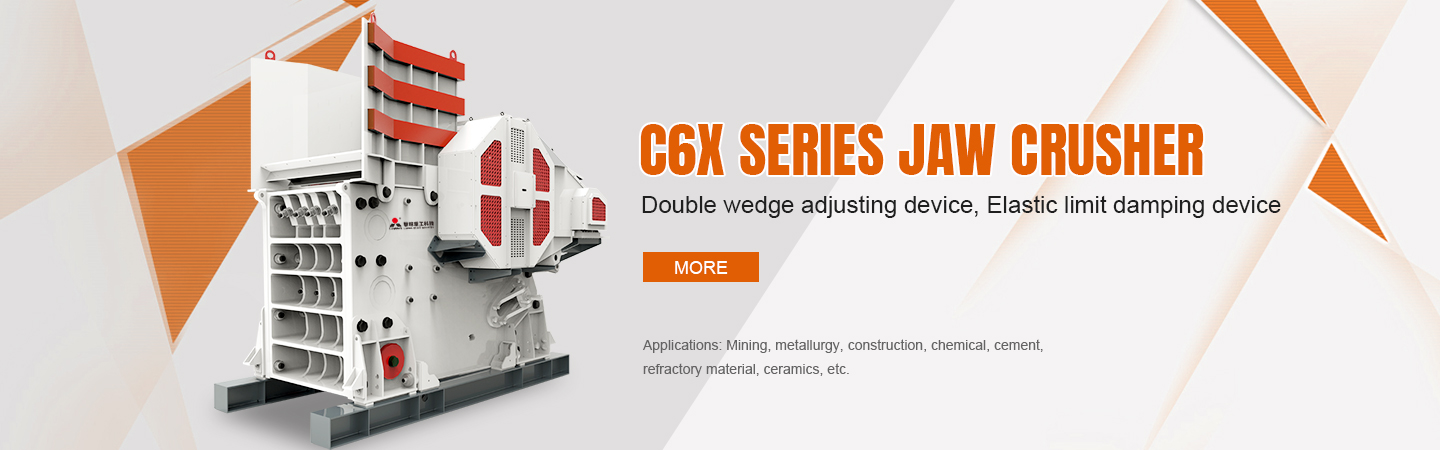
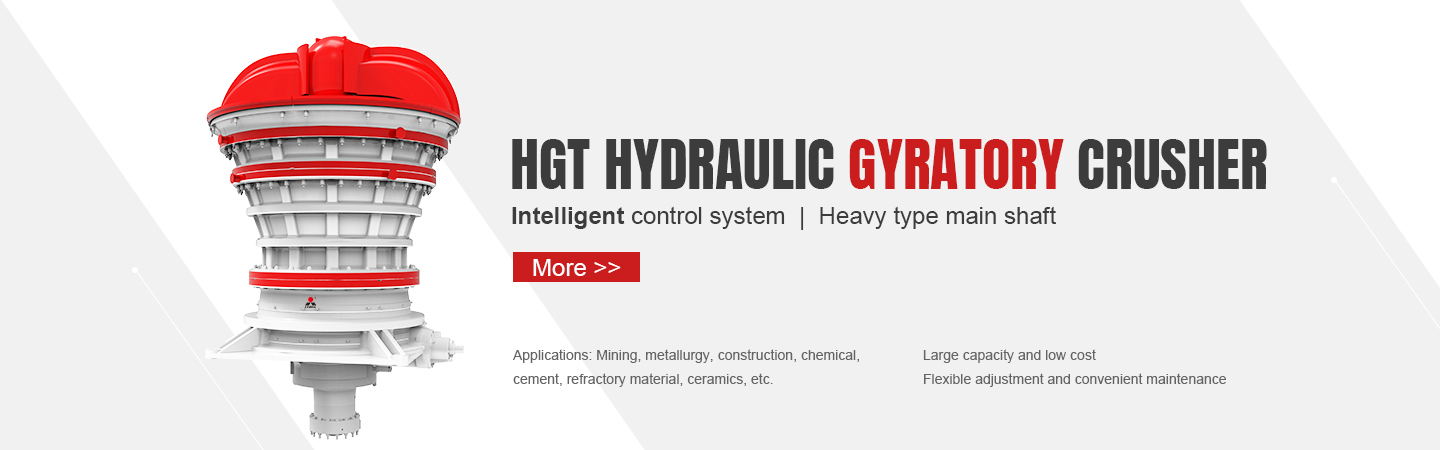
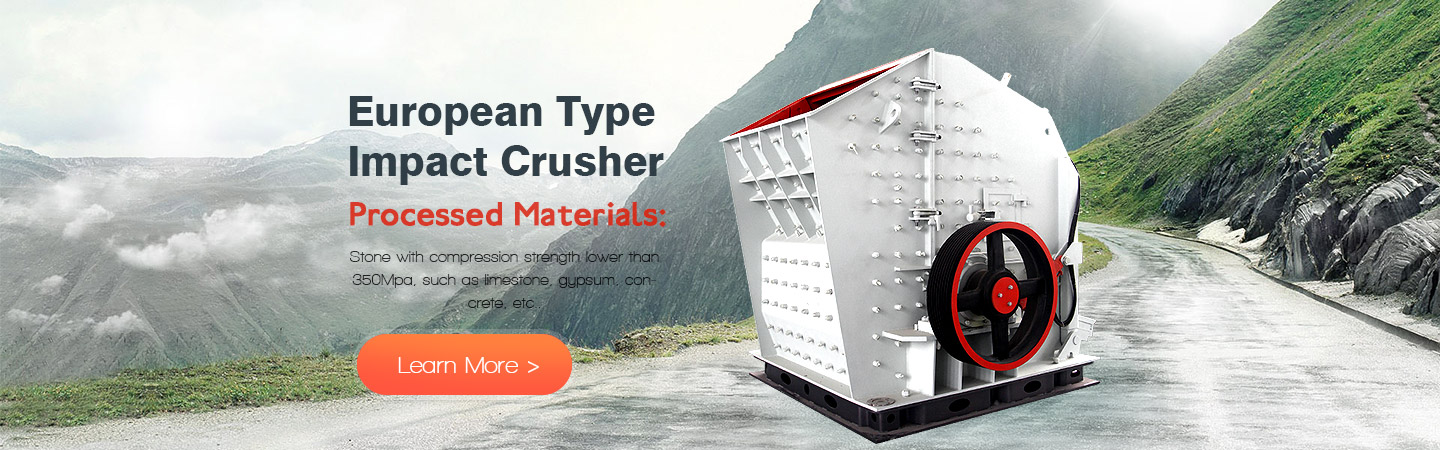
- Three-stage crushing process (primary jaw → secondary cone → tertiary impact) reduces -150mm feed to 0–40mm spec product
- Onboard screening separates oversize material for recirculation
- Radial stacker discharges processed material at up to 12m reach
Application Scope:
- Ideal for quarries with multiple pit locations
- Suitable for temporary urban demolition recycling projects
- Processes up to 400 tph of granite, basalt, or recycled concrete
Limitations:
- Not recommended for continuous 24/7 operations exceeding 18 months without major servicing
- Maximum incline operation limited to 15 degrees
Core Features Driving Operational ROI
Hydraulic Adjustment System | Technical Basis: PLC-controlled cylinder positioning | Operational Benefit: Change CSS in <2 minutes vs manual wedge systems (8–12 minutes) | ROI Impact: Saves $1,200/week in labor costs at typical adjustment frequency
Hybrid Power Module | Technical Basis: Tier 4 Final diesel + electric shore connection option | Operational Benefit: Reduces fuel consumption by 22% versus conventional drives | ROI Impact: Cuts $18,000/year in operating costs at current diesel prices
Remote Telemetry | Technical Basis: IoT-enabled condition monitoring | Operational Benefit: Provides real-time alerts on wear part status and performance anomalies | ROI Impact: Reduces unplanned downtime by up to 35% annually
Modular Wear Package | Technical Basis: Bolt-on manganese steel sections | Operational Benefit: Replace individual wear components without full liner removal | ROI Impact: Lowers maintenance costs by $8–12/ton processed
Track Mobility System | Technical Basis: Proportional hydraulic travel motors with auto-leveling | Operational Benefit: Relocates at 1 km/h under full load capacity | ROI Impact: Eliminates $15,000 average crane costs per move
Competitive Performance Advantages
| Performance Metric | Industry Standard | Our Solution | Advantage (%) |
|---|---|---|---|
| Setup Time | 6–8 hours | <45 minutes | 88% faster |
| Fuel Consumption | 22 L/ton | 17 L/ton | 23% reduction |
| Wear Part Life | 120,000 tons | 160,000 tons | +33% |
| Noise Emission | 85 dB @15m | 72 dB @15m | -15% |
| Throughput Variance ±15% feed fluctuations ±5% feed fluctuations 67% more stable |
Technical Specifications
- Processing Capacity: Up to 400 tph (varies by material density)
- Power Plant: CAT C13 (328 kW) with optional grid connection
- Feed Opening: 1,100 x700 mm jaw crusher primary stage
- Discharge Range: Adjustable output grading from -50mm to +10mm aggregate
- Operating Weight: ~48 metric tons (configuration dependent)
- Environmental Tolerance: -25°C to +45°C ambient temperature range
Proven Application Scenarios
Urban Demolition Recycling Project (Berlin)
Challenge: Restricted site access prohibited stationary plant installation; noise regulations limited operating hours
Solution: Deployed track mounted mobile crushing plant with acoustic enclosures and dust suppression
Results: Achieved permitted noise levels (68 dB daytime), processed rubble directly onsite saving €92,000 in haulage
Multi-Pit Quarry Operation (Queensland)
Challenge: Required processing across five distinct pits within a single lease area
Solution: Single track mounted unit relocated weekly between sites via low-loader transport
Results: Reduced capital expenditure by AUD$1.2M vs fixed plants; maintained consistent product quality (±2mm variance)
Commercial Considerations
Base Configuration Pricing: €480,000 – €620,000 depending on crusher/screen combination
Optional Features:
- Magnetic separator (+€28,500)
- Dust suppression package (+€14,200)
- Cold climate kit (+€9,800)
Service Packages:
3-Year Full Coverage Plan includes all wear parts except liners (19% of base price)
5-Year Power Train Warranty Extension available (+6%)
Financing Options Available Through Partner Institutions 
Frequently Asked Questions
Q1: What clearance height is required for under-bridge transport?
A1: Standard configuration transports at <3.8m height; low-profile options available (<3.2m). 
Q2: How does track mobility affect stability during crushing?
A2: Outrigger stabilization system maintains <0.5° deflection even at maximum throughput rates verified through ISO testing protocols
Q3:What maintenance intervals apply under heavy abrasive conditions?
A3:Lubrication points require servicing every ~250 hours when processing silica-rich materials
Q4:Could existing loader operators run this equipment?
A4:The control system requires ~16 hours familiarization training due to integrated automation features
Q5:What provisions exist for future regulatory changes?
A5:The modular design allows retrofit of emissions control systems meeting Stage V standards