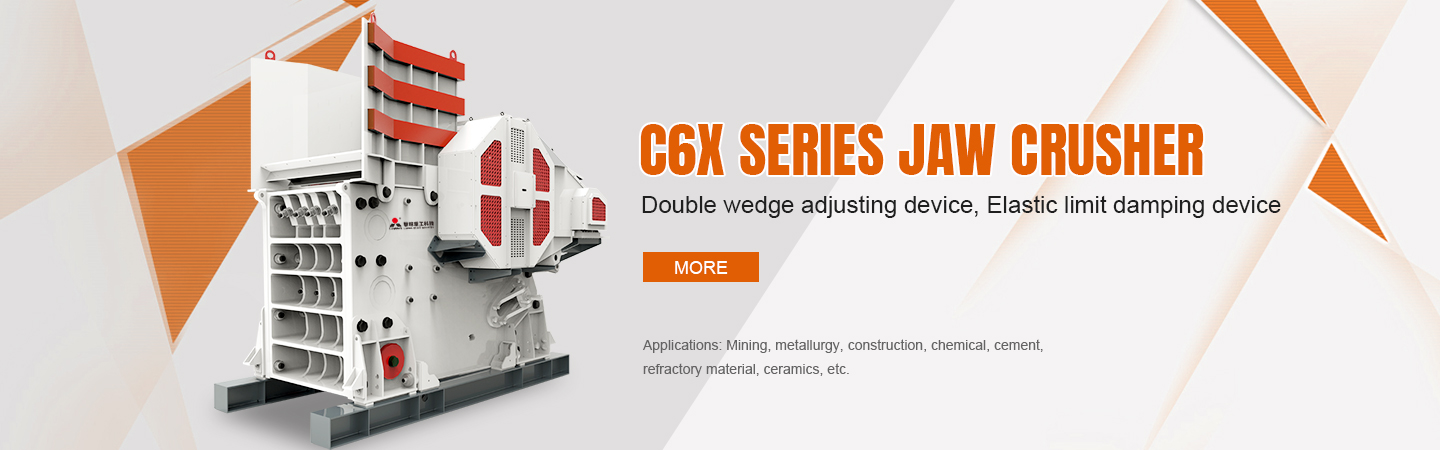
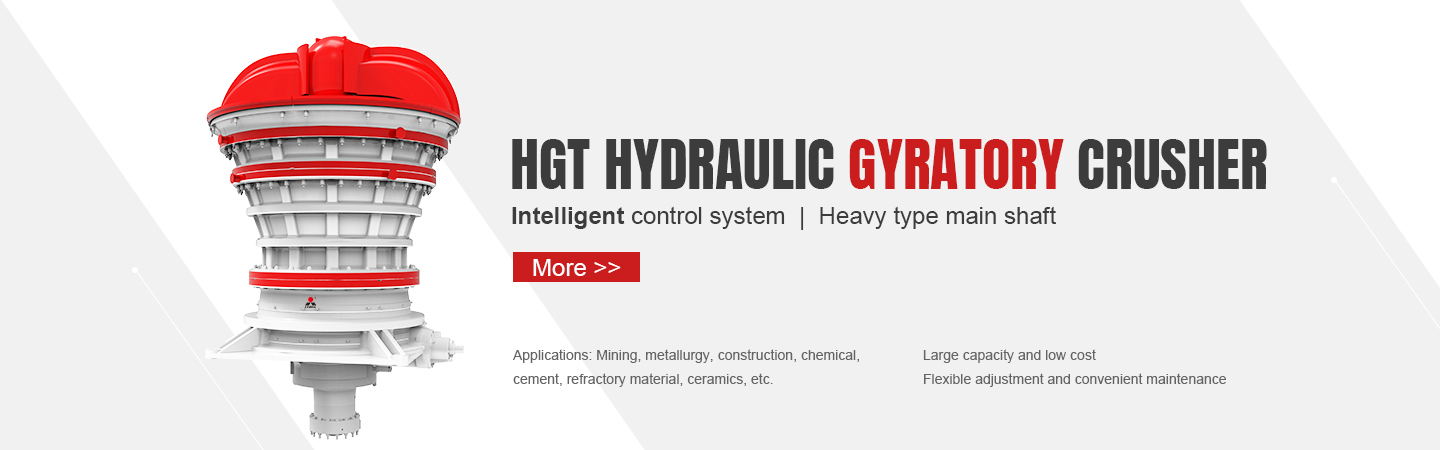
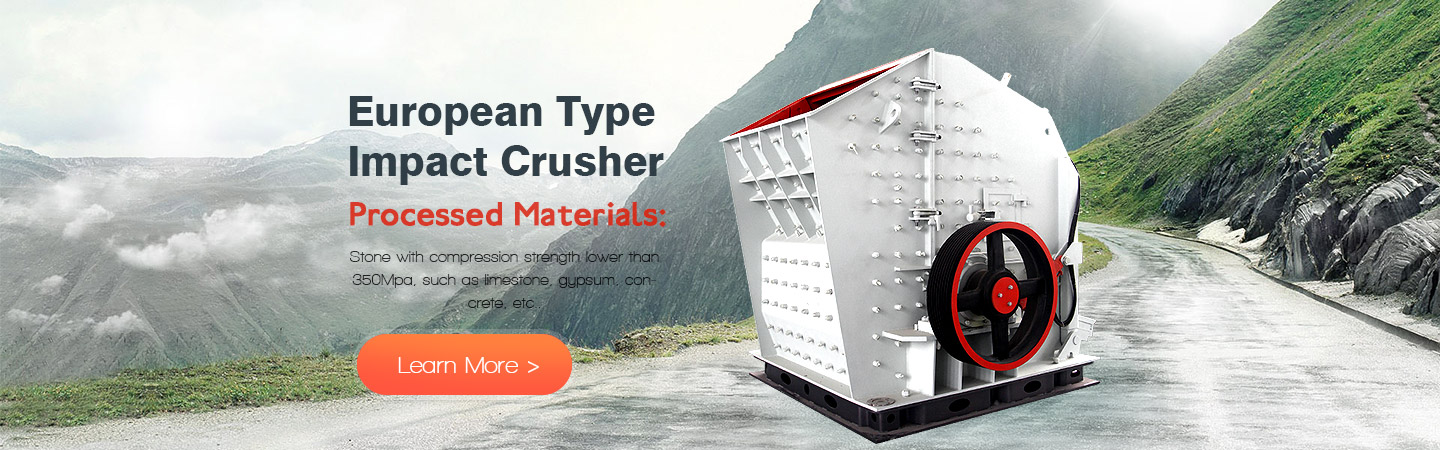
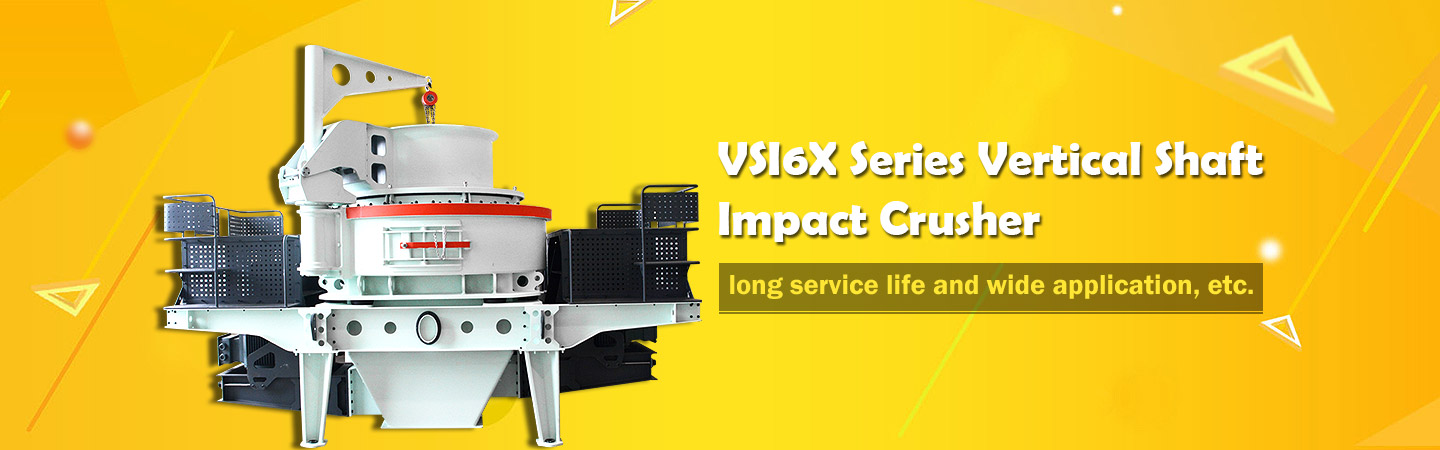
A jaw crusher is a primary crushing machine widely used in mining, quarrying, and construction industries to crush large stones, rocks, and minerals into smaller pieces. Here’s an overview of its key features, working principle, and applications:
How a Jaw Crusher Works:
1. Crushing Mechanism:
– A jaw crusher consists of two vertical jaws—one fixed (stationary jaw) and one movable (swing jaw).
– The movable jaw exerts compressive force on the rock by moving back and forth against the fixed jaw.
– The material is crushed progressively until it becomes small enough to pass through the discharge opening.
2. Feed & Discharge:
– Large stones are fed into the top of the crushing chamber.
– Crushed material exits from the bottom discharge gap (adjustable for different sizes).
3. Power Source:
– Typically driven by an electric motor or diesel engine connected via belts/pulleys.
Key Components:
– Fixed & Movable Jaw Plates (made of high manganese steel for durability).
– Toggle Plate (safety mechanism to protect against overload).
– Eccentric Shaft (drives the reciprocating motion).
– Flywheel (stores energy for smooth operation). 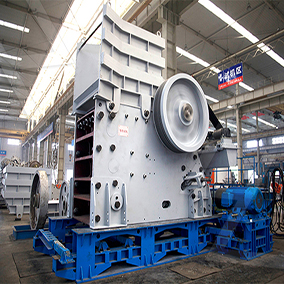
Applications:
✔ Primary crushing in mining/quarrying (granite, basalt, limestone).
✔ Recycling concrete & demolition waste.
✔ Aggregate production for roads/construction.
Advantages:
✅ High crushing efficiency & simple structure.
✅ Adjustable output size (10–350mm range).
✅ Low maintenance compared to other crushers. 
Common Types of Jaw Crushers:
1. Single Toggle Jaw Crusher: Simpler design with lower cost but higher wear on jaws.
2. Double Toggle Jaw Crusher: More complex but offers better crushing efficiency.
Would you like recommendations on specific models or manufacturers? Let me know your requirements!