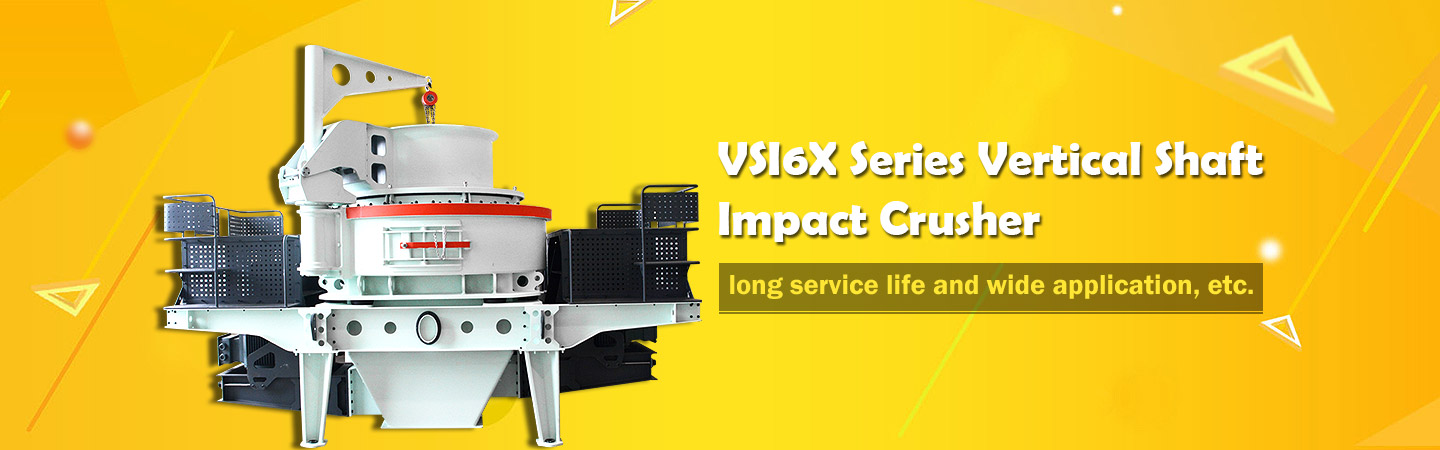
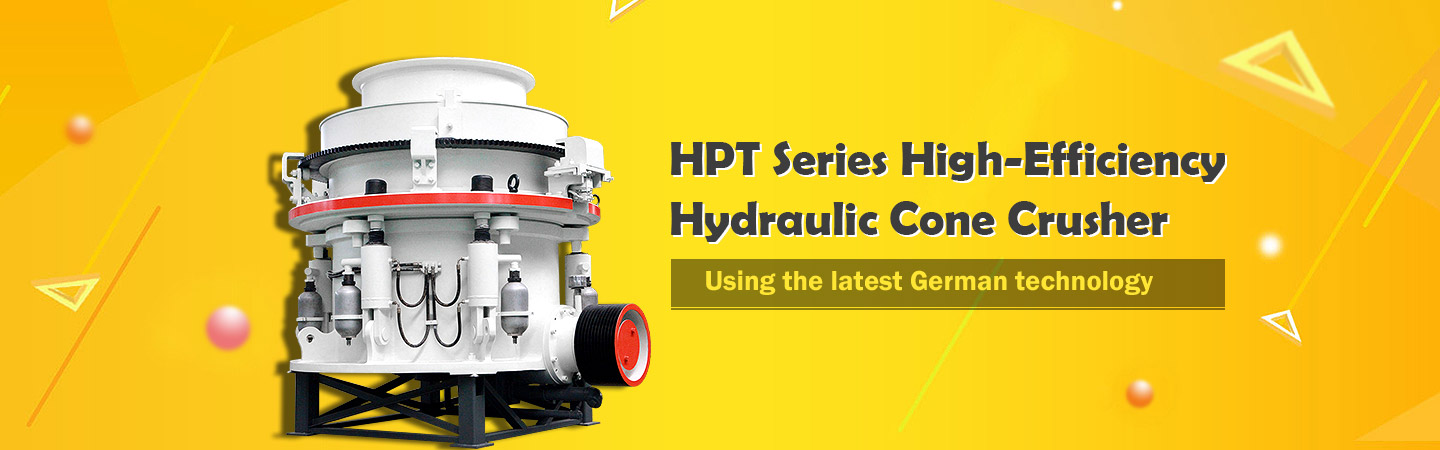
A Vertical Shaft Impact Crusher (VSI Crusher) is a type of stone crusher that uses high-speed rotors to crush rocks into fine particles or sand. It operates on the principle of rock-on-rock or rock-on-steel crushing, making it highly efficient for producing cubical-shaped aggregates and manufactured sand.
Key Features of Vertical Shaft Stone Crushers:
1. Working Principle:
– Material is fed into the center of a rotating rotor, which accelerates it outward toward an outer chamber (anvil ring or rock shelf).
– The impact between fast-moving particles and stationary surfaces causes breakage.
2. Applications:
– Producing high-quality sand for concrete and asphalt.
– Crushing hard and abrasive materials (granite, basalt, quartz).
– Recycling industrial minerals and construction waste.
3. Advantages:
– Produces well-shaped, cubical end products.
– Low wear costs due to rock-on-rock crushing principle.
– Adjustable gradation control for fine-tuning output size. .jpg)
4. Disadvantages:
– Higher initial cost compared to horizontal shaft impactors (HSI).
– Sensitive to feed moisture content (may require drying).
5. Popular VSI Crusher Brands:
– ZWC Barmac® B-Series VSI
– Sandvik CV200 Series
– Terex Canica VSI
Types of Vertical Shaft Impact Crushers:
– Rock-on-Rock (ROR): Uses autogenous crushing (material crushes itself). Best for abrasive materials.
– Rock-on-Steel (ROS): Uses metal anvils for higher reduction ratios but wears faster.
Common Uses in Industry:
– Manufactured Sand (M-Sand) production.
– Aggregate shaping for high-grade concrete.
– Mineral processing in quarries & mines.
Would you like recommendations on selecting a VSI crusher based on your specific material or output requirements?