

Gypsum mill pulverizers (or mills) are used in power plants to grind flue gas desulfurization (FGD) gypsum—a byproduct of coal combustion when sulfur dioxide (SO₂) is scrubbed from emissions—into fine powder for reuse in construction materials like drywall, cement, or agricultural applications. Here’s an overview of their role and operation:
 1. Purpose of Gypsum Pulverizers in Power Plants
– Recycling FGD Gypsum: After SO₂ is removed via wet scrubbers, the resulting synthetic gypsum (calcium sulfate dihydrate, CaSO₄·2H₂O) is dewatered and dried.
– Particle Size Reduction: Pulverizers grind gypsum into a fine powder (typically 80–200 mesh) to meet specifications for industrial use.
– Cost Efficiency: Reusing gypsum reduces landfill waste and generates revenue for power plants.
2. Types of Gypsum Pulverizers
Common mills used include:
– Raymond Bowl Mills: Vertical rollers grind gypsum against a rotating bowl.
– Ball Mills/Tube Mills: Rotating cylinders with steel balls crush gypsum via impact/attrition.
– Hammer Mills: High-speed hammers pulverize dried gypsum.
– Vertical Roller Mills (VRM): Energy-efficient option with rollers pressing on a rotating table.
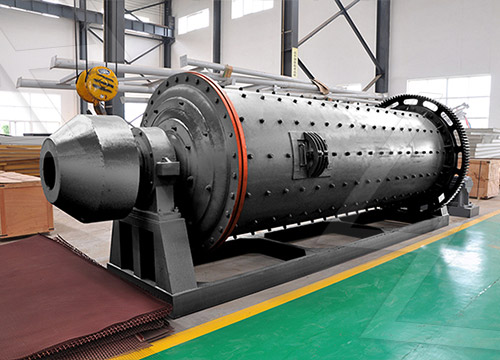 3. Key Components & Operation
– Feed System: Dewatered FGD gypsum (10–20% moisture) is fed into the mill.
– Grinding Zone: Rollers, hammers, or balls crush and dry the material.
– Classifier: Separates fine particles for collection; coarse material is recirculated.
– Drying System: Hot air (from power plant waste heat or auxiliary heaters) reduces moisture to <1%.
4. Challenges & Solutions
– Moisture Control: Wet gypsum can clog mills; pre-drying or heated airflow mitigates this.
– Abrasion: Gypsum’s moderate abrasiveness wears grinding elements; hardened alloys or ceramic linings extend lifespan.
– Contamination: Impurities (e.g., unreacted limestone) must be minimized to ensure product quality.
5. Applications of Ground Gypsum
– Drywall Manufacturing (major use).
– Cement Additive (retards setting time).
– Soil Amendment (improves water