
The processing of cement, lime, and gypsum involves several stages, each requiring specialized equipment. Below is an overview of the key equipment used in the processing of these minerals:
.jpg) 1. Cement Processing Equipment
1. Cement Processing Equipment
Cement production involves crushing, grinding, calcination, and milling. Key equipment includes:
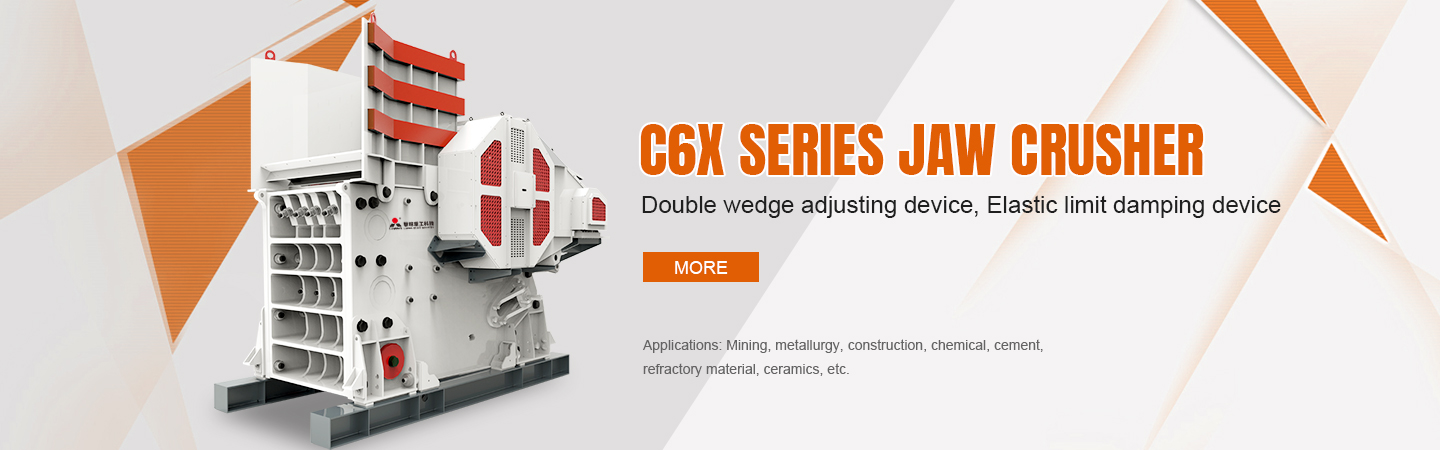
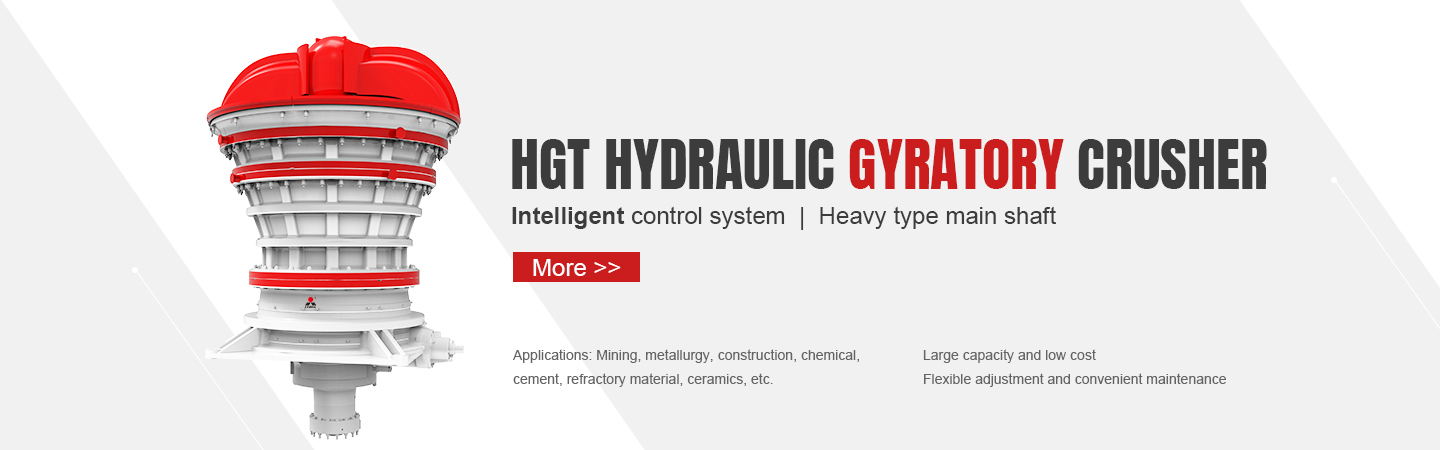
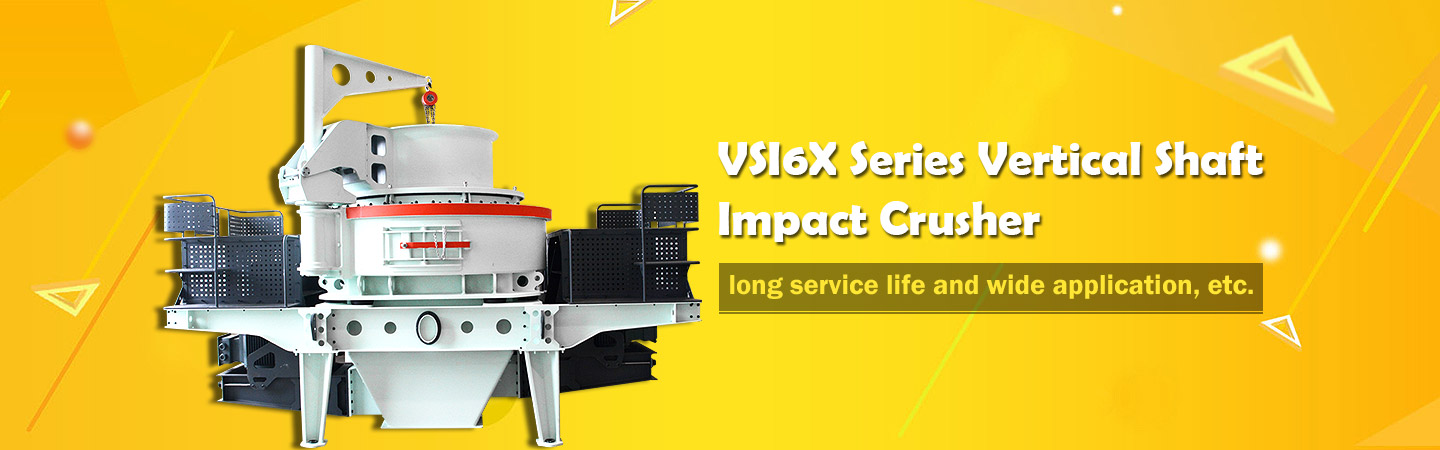
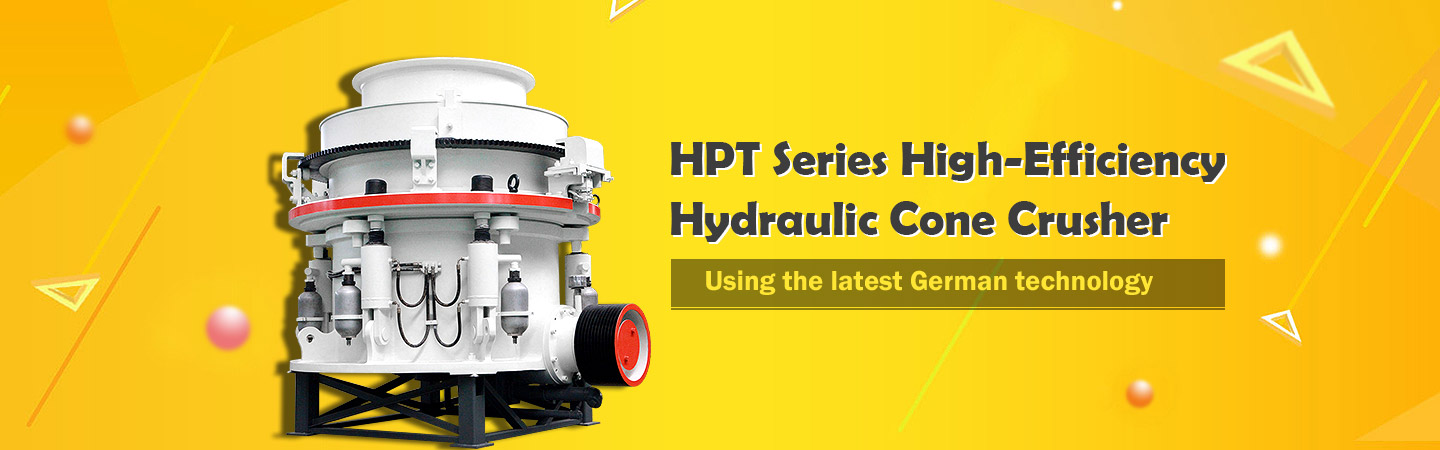
– Crushers (Jaw Crusher, Hammer Crusher, Impact Crusher) – for raw material size reduction.
– Raw Mill (Ball Mill, Vertical Roller Mill) – for grinding limestone, clay, and other additives.
– Preheater & Precalciner – to preheat raw meal before entering the kiln.
– Rotary Kiln – for clinker production at high temperatures (~1450°C).
– Cooler (Grate Cooler, Rotary Cooler) – to cool clinker after kiln discharge.
– Cement Mill (Ball Mill, Roller Press + Ball Mill) – for grinding clinker with gypsum to produce cement.
– Packing & Dispatch Systems (Silo, Packing Machine) – for storage and distribution.
2. Lime Processing Equipment
Lime is produced by calcining limestone (CaCO₃ → CaO + CO₂). Key equipment includes:
– Limestone Crushers & Screens – for size reduction and classification.
– Lime Kilns (Rotary Kiln, Shaft Kiln) – for calcination at ~900–1200°C.
– Coolers & Hydrators – to cool quicklime or produce hydrated lime (Ca(OH)₂).
– Mills & Classifiers – for fine grinding of lime products.
– Storage Silos & Bagging Systems – for bulk handling.
3. Gypsum Processing Equipment
Gypsum is processed into plaster or building materials. Key equipment includes:
– Gypsum Crushers (Hammer Mill, Impact Crusher) – for initial crushing.
– Grinding Mills (Ball Mill, Raymond Mill) – to produce fine gypsum powder.
– Calcination Kilns / Kettles – to remove water and produce stucco (CaSO₄·½H₂O).
– Board Production Line (for gypsum boards):
– Mixers & Forming Stations
– Dryers & Cutting Machines
– Packaging Systems
.jpg) Common Auxiliary Equipment
Common Auxiliary Equipment
– Dust Collectors (