Planning a crusher plant to produce 1250 TPH (tons per hour) of stone aggregate requires careful consideration of several factors, including material characteristics, crushing stages, equipment selection, and plant layout. Below is a structured approach to designing such a system:
—
1. Determine Material Properties
– Type of Rock: Hard (granite, basalt) or soft (limestone, sandstone)?
*(Harder rocks require more robust crushers.)*
– Feed Size: Maximum input size (e.g., 24-inch boulders)?
– Output Specifications: Desired aggregate sizes (e.g., ¾”, ½”, dust)?
– Moisture Content & Abrasiveness: Affects equipment wear and screening efficiency.
—
.jpg) 2. Crushing Stages
2. Crushing Stages
A typical setup for high-capacity production (1250 TPH) involves 3-stage crushing:
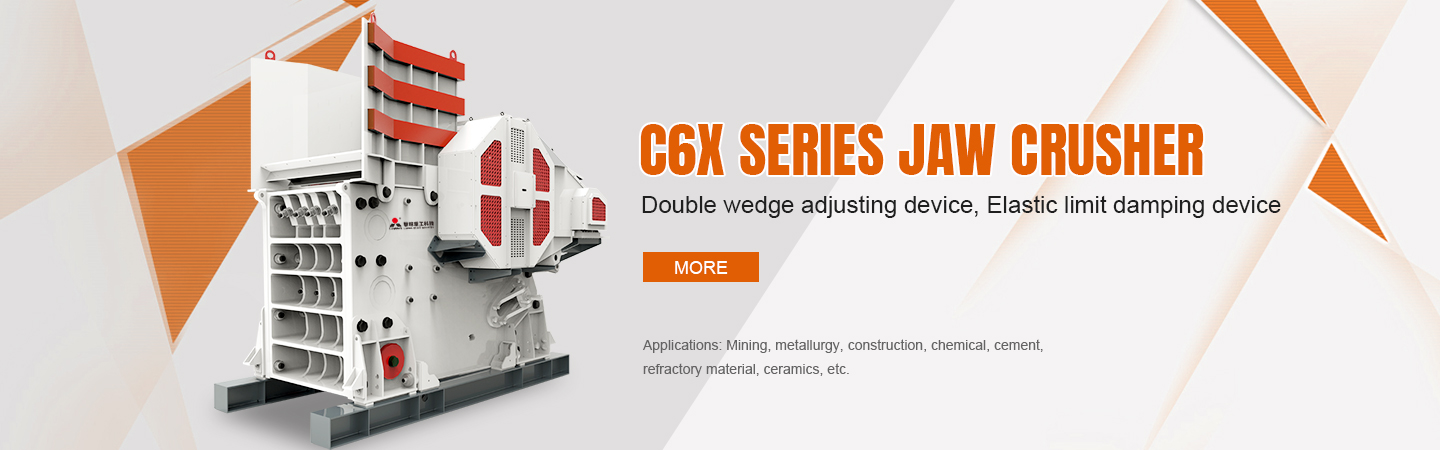
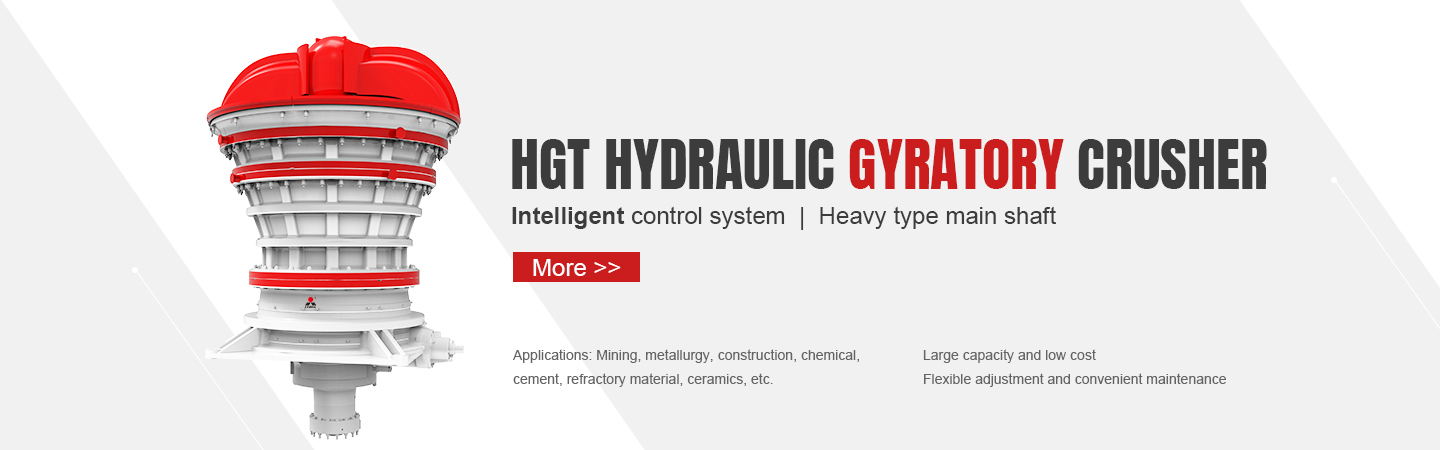
1. Primary Crushing (Jaw Crusher or Gyratory Crusher)
– Handles large feed size (up to 60″).
– Output: ~6–10″ material.
– Example: *ZWC C200 Jaw Crusher* or *Superior MKIII gyratory crusher*.
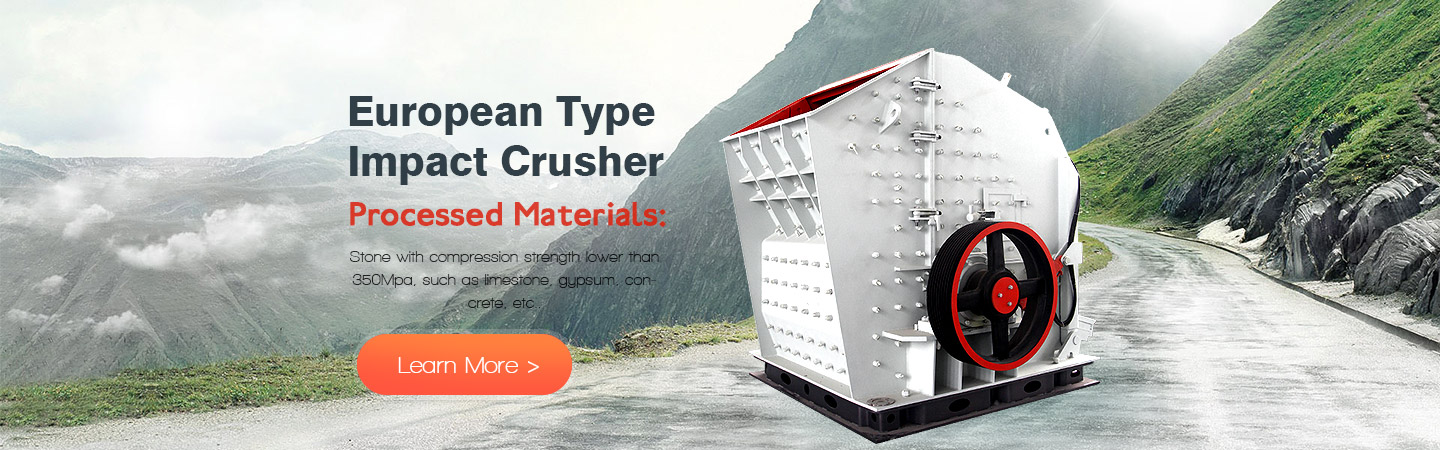
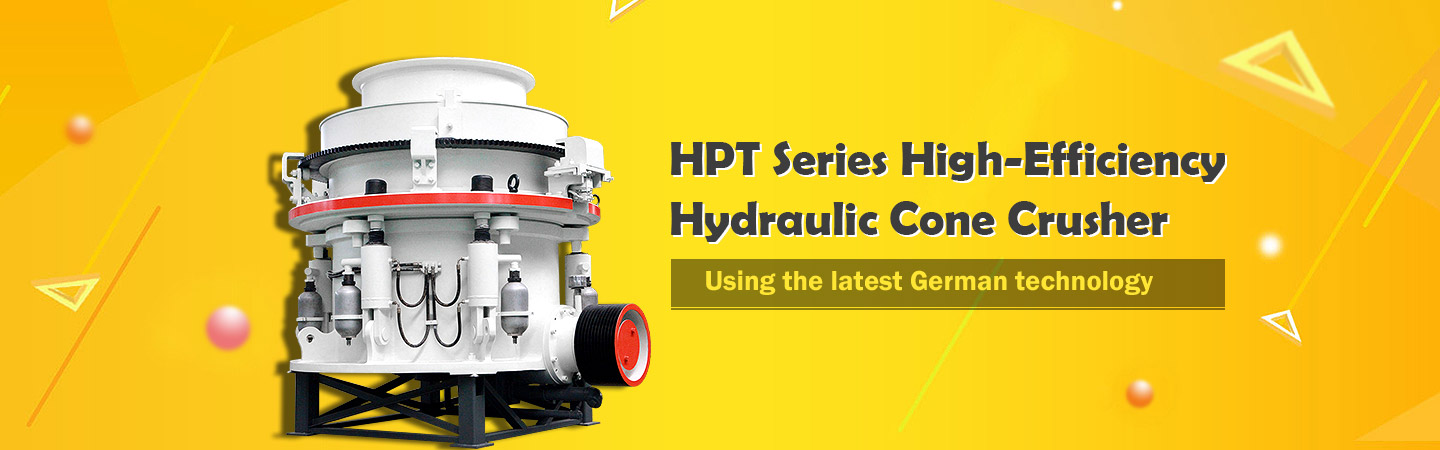
2. Secondary Crushing (Cone Crusher)
– Reduces material to ~1–4″.
– Example: *Sandvik CH860 cone crusher* or *Terex MVP450X*.
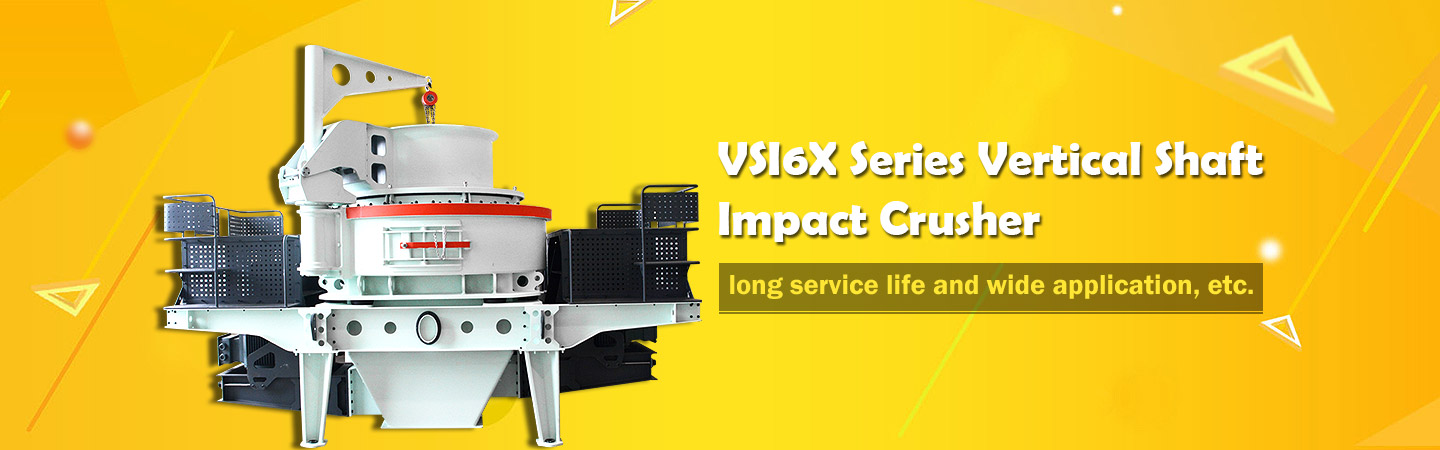
3. Tertiary Crushing (Cone Crushers or Vertical Shaft Impactors for shaping)
– Produces final aggregate sizes (e.g., ¾” or smaller).
– VSI crushers improve cubical shape for high-quality aggregates.
—
3. Screening and Conveying
– Screens: Multi-deck vibrating screens to separate sizes (e.g., 3/4″, 3/8″, fines).
– Conveyor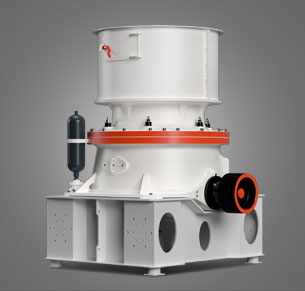 : Belt widths ≥ 48″ to handle 1250 TPH; incline <18° to prevent spillage.
—
4. Equipment Selection for 1250 TPH
| Stage | Equipment Model | Capacity (TPH) | Quantity |
|————-|—————————–|—————-|———-|
| Primary | ZWC C160 Jaw Crusher | 600–1200 | 2 |
| Secondary | Sandvik CH860 Cone Crusher |