The open-cast mining method (also called open-pit mining or surface mining) is a technique used to extract minerals or rocks from the Earth’s surface without tunneling underground. It is commonly used for deposits that are shallow, large, and near the surface.
Key Features of Open-Cast Mining:
1. Large-Scale Operations – Involves removing vast amounts of overburden (waste rock/soil) to access the mineral seam.
2. Cost-Effective – Generally cheaper than underground mining due to higher mechanization and productivity.
3. Safety – Lower risk of accidents compared to underground mining (no tunnels or cave-ins).
4. Environmental Impact – Causes significant land disturbance, deforestation, and pollution if not managed properly.
Stages of Open-Cast Mining:
1. Exploration & Planning
– Geological surveys and feasibility studies are conducted.
– Mine design, including pit shape and waste dump locations, is planned.
2. Clearing & Stripping Overburden
– Vegetation is cleared, and topsoil is removed.
– Heavy machinery (draglines, excavators, bulldozers) removes waste rock covering the ore.
3. Drilling & Blasting (if needed)
– Hard rock may require drilling and explosives to break it into manageable pieces.
4. Loading & Hauling
– Excavators load ore onto trucks or conveyors for transport to processing plants.
5. Processing & Refining
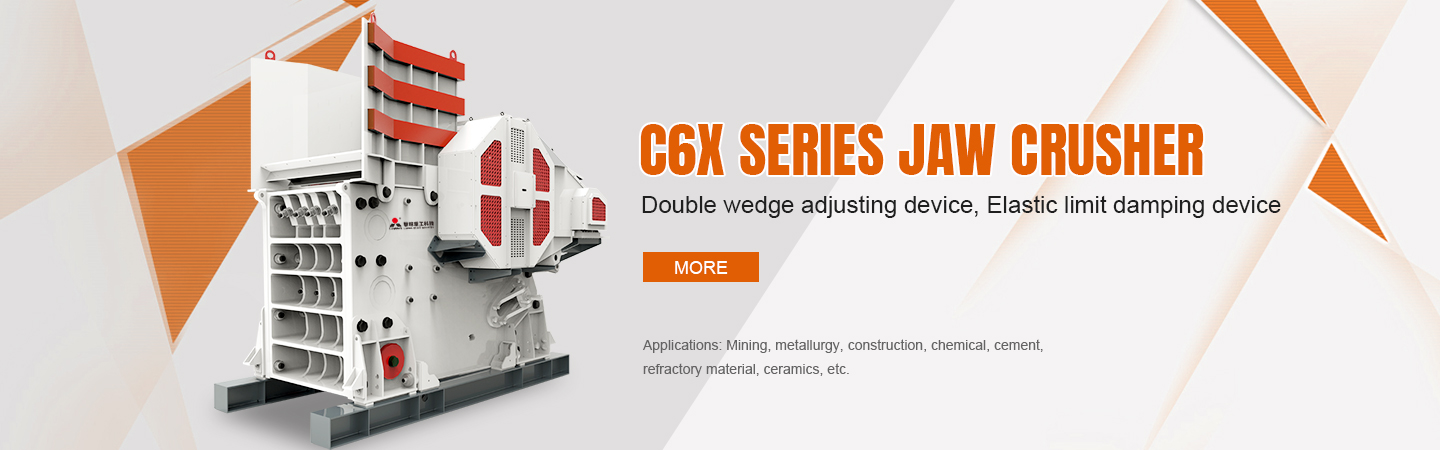
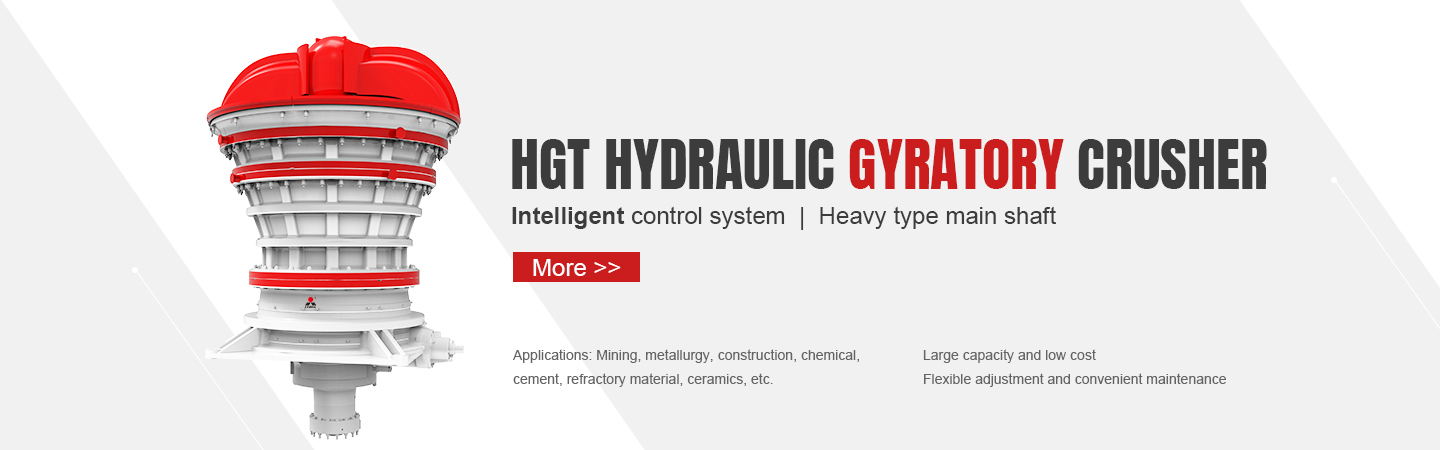
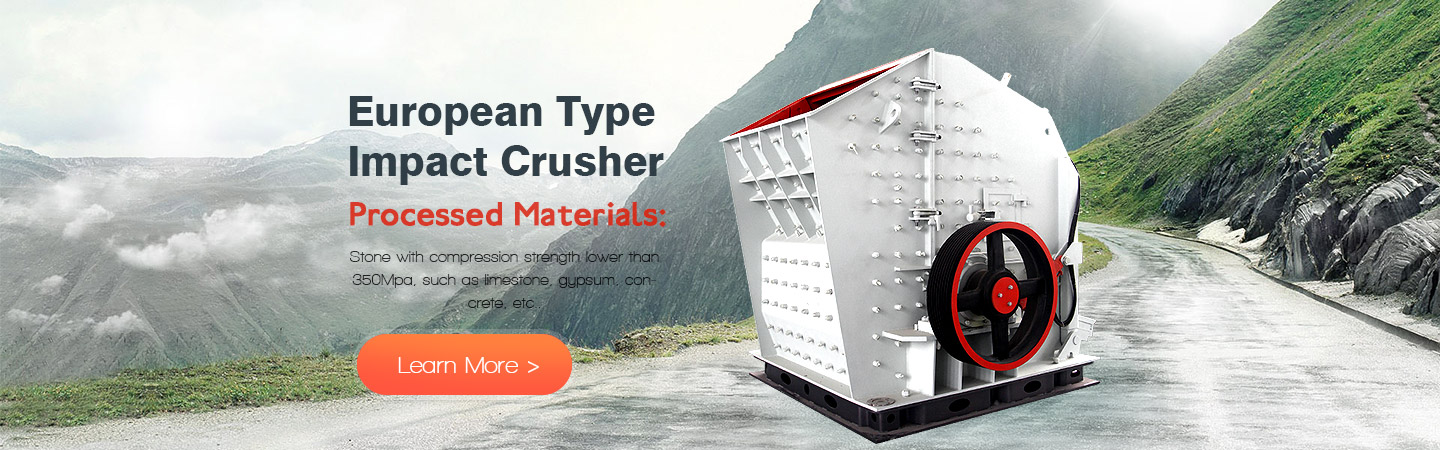
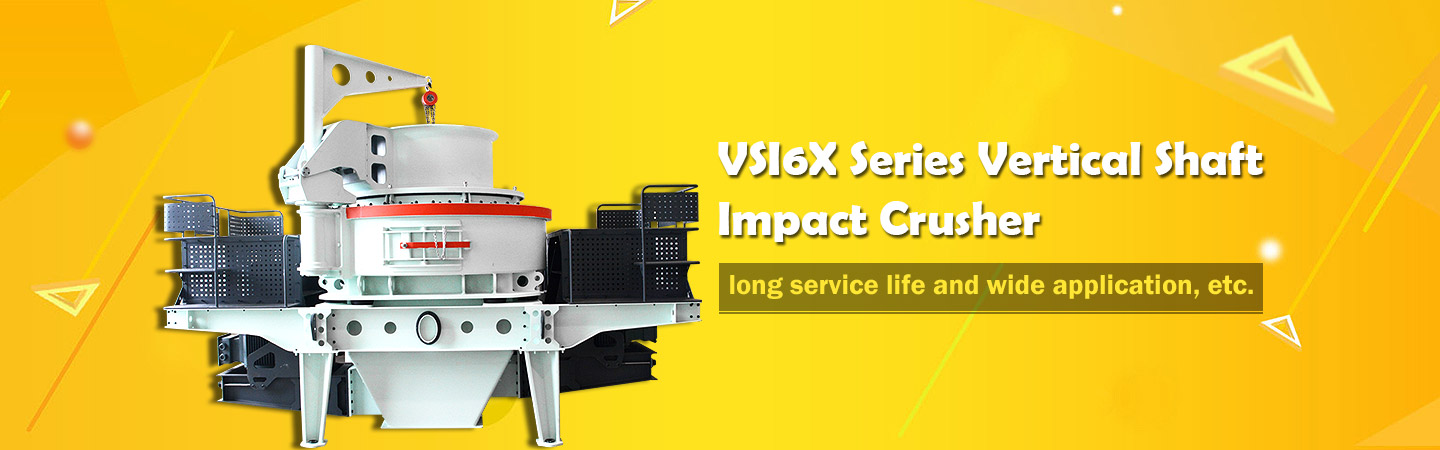
– Ore is crushed, washed, and refined to extract valuable minerals.
6. Reclamation & Rehabilitation
– After mining ends, land is restored through backfilling pits, replanting vegetation, and managing water runoff.
Equipment Used:
– Excavators & Shovels
– Draglines & Bucket-Wheel Excavators
– Dump Trucks (e.g., Caterpillar 797)
– Drilling Rigs
.jpg) Advantages:
Advantages:
✔ High production rates
✔ Lower operational costs.jpg) an underground mining
an underground mining
✔ Safer working conditions
Disadvantages:
✖ Large environmental footprint (habitat destruction, dust, noise)
✖ Requires extensive land area
✖ Long-term rehabilitation needed
Commonly Mined Materials:
– Coal
– Iron ore
– Copper
– Gold
– Bauxite (for aluminum)