

Table of Contents
From Quartz to Silica Sand: A Comprehensive Overview
Quartz, one of the most abundant minerals on Earth, serves as the primary source of silica sand—a material with extensive industrial applications. The transformation from raw quartz to refined silica sand involves a series of physical and chemical processes, each critical to achieving the desired purity and grain size.
Formation and Composition
Quartz, a crystalline form of silicon dioxide (SiO₂), is formed through geological processes over millions of years. It is found in igneous, metamorphic, and sedimentary rocks. High-purity quartz deposits are rare, as impurities such as iron, aluminum, and titanium often coexist within the mineral structure.
Extraction and Processing
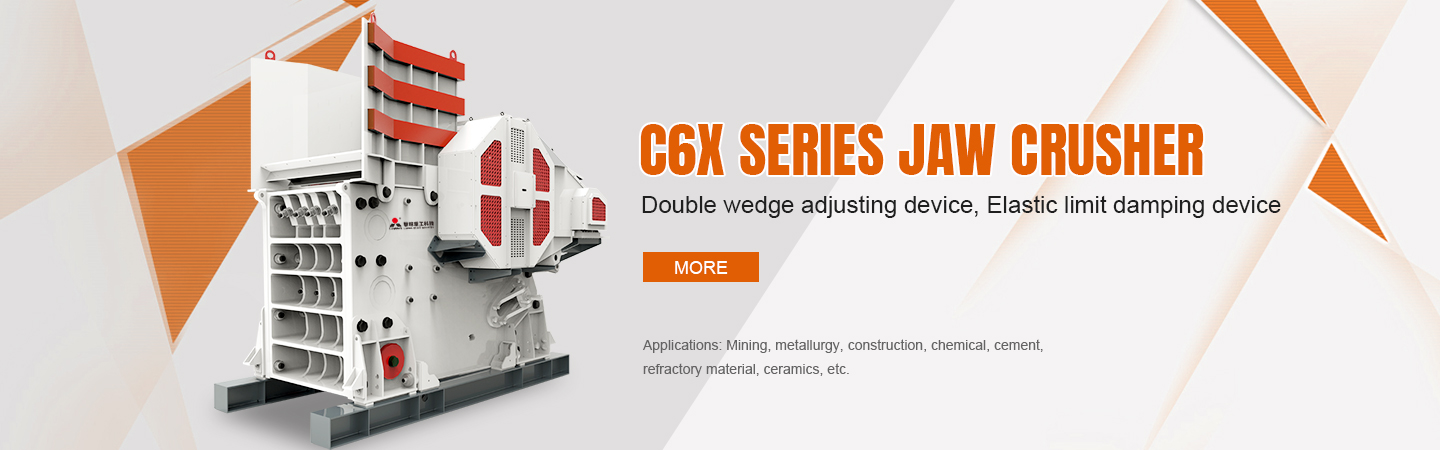
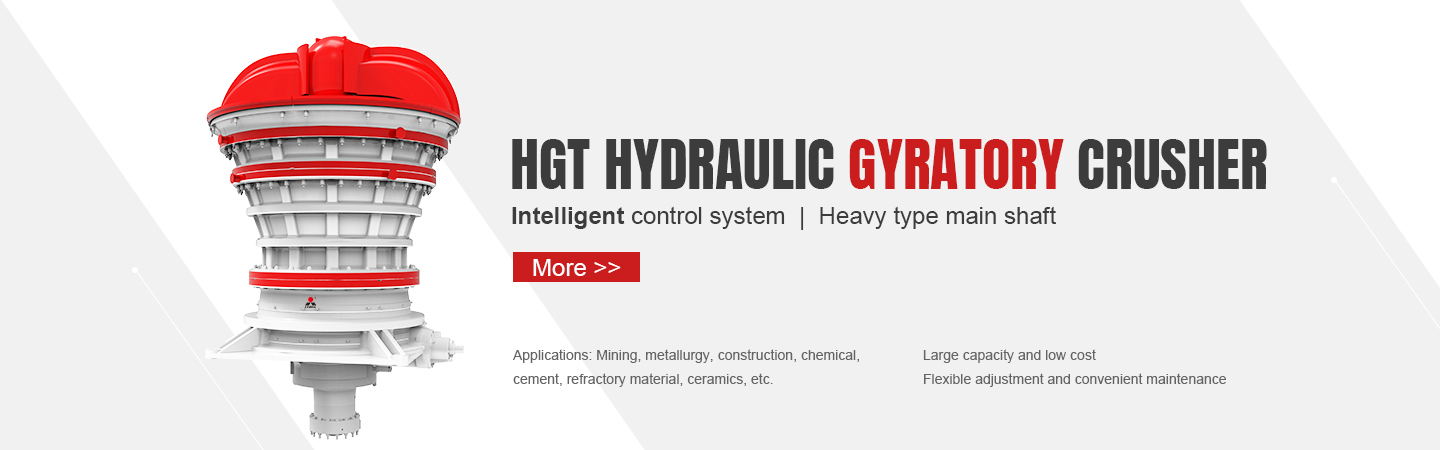
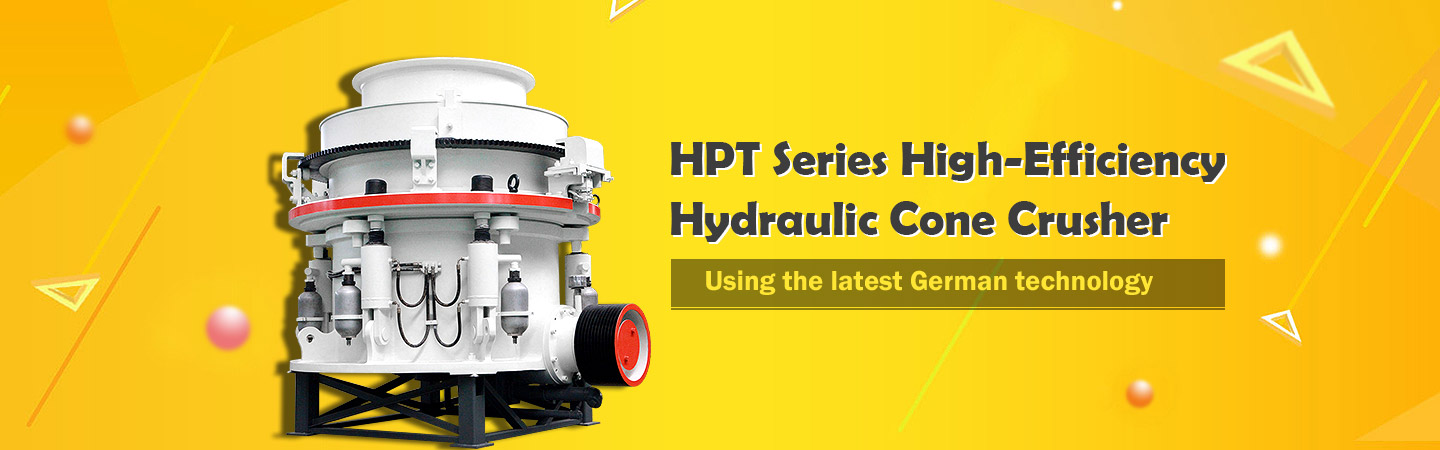
- Mining: Quartz is extracted through open-pit or underground mining. The ore is then crushed to reduce its size for further processing.
- Washing and Scrubbing: The crushed material undergoes washing to remove clay, dust, and organic contaminants. Scrubbing helps liberate quartz grains from surrounding impurities.
- Size Classification: Screens and hydrocyclones separate particles by size, ensuring uniformity in the final product.
- Magnetic and Gravity Separation: Magnetic separators remove iron-bearing minerals, while gravity separation eliminates heavier impurities.
- Acid Leaching (Optional): For high-purity applications, the sand may undergo acid leaching to dissolve residual metallic impurities.
- Drying and Packaging: The processed silica sand is dried and packaged for distribution.
Industrial Applications
- Glass Manufacturing: Silica sand is the primary raw material for glass production, contributing to transparency and strength.
- Foundry Casting: Its high melting point makes it ideal for creating molds in metal casting.
- Construction: Used in cement, concrete, and mortar for enhanced durability.
- Hydraulic Fracturing: Acts as a proppant to keep fractures open in oil and gas wells.
- Water Filtration: Its granular structure aids in removing impurities from water.
Quality Standards
The quality of silica sand is determined by its SiO₂ content, grain shape, and impurity levels. Industrial-grade sand typically contains over 95% SiO₂, while high-purity sand exceeds 99.5%. .jpg)
Environmental Considerations
Sustainable mining practices, including land rehabilitation and water recycling, are increasingly adopted to minimize ecological impact. Processing innovations, such as dry classification, reduce water usage and waste generation. 
Conclusion
The journey from quartz to silica sand highlights the importance of meticulous processing to meet industry demands. As technology advances, the efficiency and sustainability of silica sand production continue to improve, reinforcing its role as a critical industrial material.