
Table of Contents
Coal Beneficiation Plant Process: An Overview
Coal beneficiation is a critical process in the coal mining industry, aimed at improving the quality and efficiency of coal by removing impurities. This process enhances the calorific value and reduces environmental impact by minimizing ash, sulfur, and other non-combustible materials. Here’s a detailed look at the typical steps involved in a coal beneficiation plant. 
1. Coal Preparation
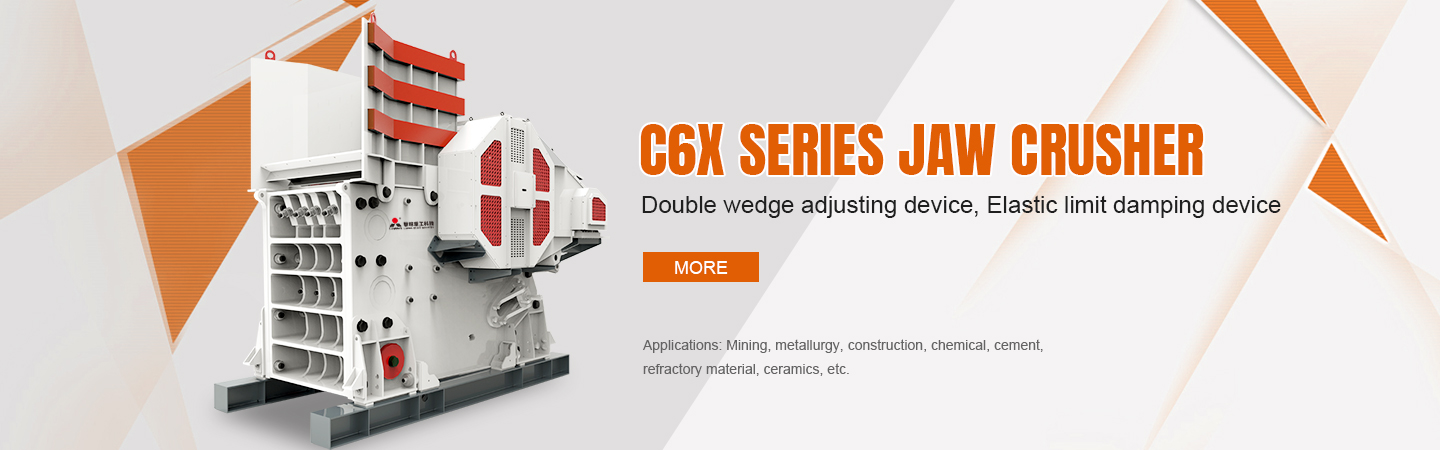
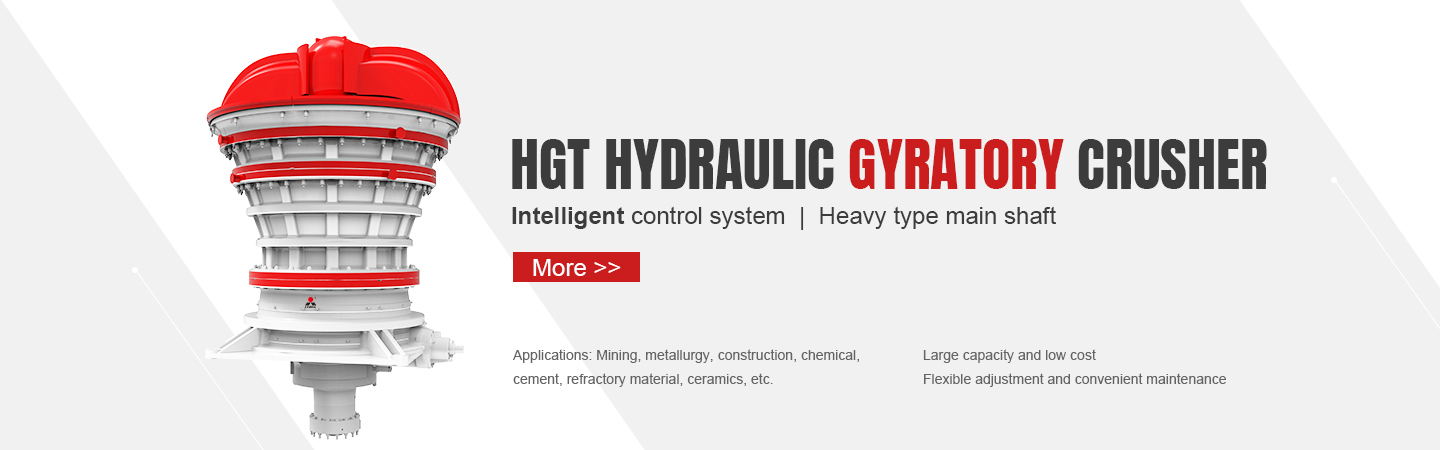
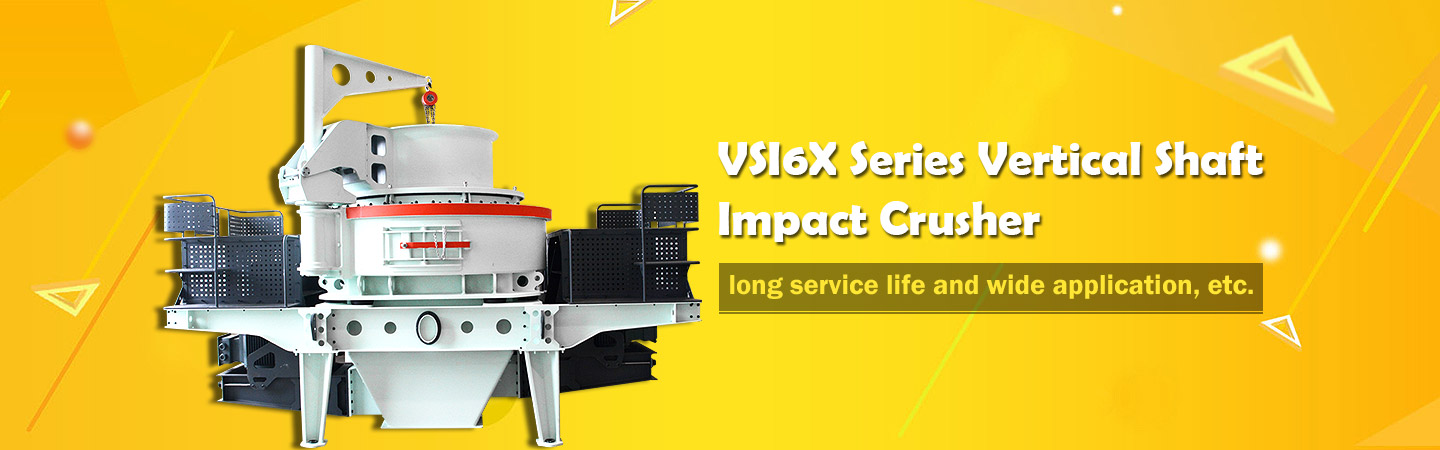
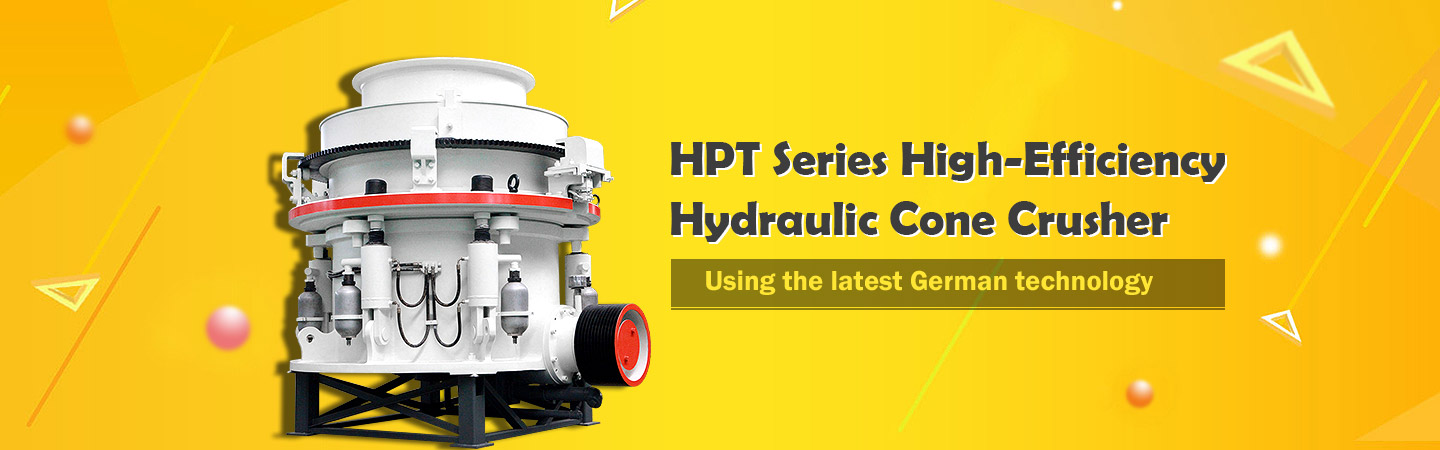
The process begins with the transportation of raw coal from mines to the beneficiation plant. The coal is crushed and screened to achieve a uniform size, facilitating efficient separation in subsequent stages. Oversized particles are reduced through crushers, while finer materials are separated using vibrating screens.
2. Gravity Separation
Gravity-based methods are commonly used for coal beneficiation, relying on density differences between coal and impurities. Key techniques include:
- Dense Medium Separation (DMS): A slurry of water and magnetite or ferrosilicon is used to separate coal from heavier impurities like rocks and pyrite. Clean coal floats, while denser materials sink.
- Jigging: Pulsating water separates coal particles based on density, with lighter coal rising to the top and heavier waste settling at the bottom.
3. Froth Flotation
For fine coal particles, froth flotation is employed. Chemicals are added to create bubbles that selectively attach to coal particles, lifting them to the surface while impurities remain in the slurry. The froth is skimmed off and further processed.
4. Dewatering
After separation, the cleaned coal contains excess moisture. Dewatering techniques such as centrifuges, filters, or thermal dryers remove water to improve handling and combustion efficiency.
5. Waste Management
The removed impurities (rejects) are disposed of responsibly to minimize environmental impact. Some plants repurpose waste for land reclamation or construction materials. 
6. Quality Control
Throughout the process, coal samples are tested for ash content, moisture, sulfur levels, and calorific value to ensure compliance with industry standards.
Conclusion
Coal beneficiation is a vital step in optimizing coal quality for industrial use while reducing environmental harm. By employing advanced separation and cleaning techniques, beneficiation plants deliver higher-grade coal with improved energy efficiency and lower emissions. Continued innovation in this field supports sustainable coal utilization in energy production.