
The Challenges and Opportunities of Ore Mining Rubble
Ore mining generates significant amounts of rubble—waste rock and debris extracted alongside valuable minerals. While often dismissed as mere byproducts, mining rubble presents both environmental and economic challenges, as well as potential opportunities for reuse and sustainability.
Environmental Impact
Mining rubble accumulates in vast piles near extraction sites, occupying land and posing risks of erosion, sediment runoff, and chemical leaching. Rainwater filtering through rubble can mobilize heavy metals or acidic compounds, contaminating nearby ecosystems. Proper management, including containment systems and stabilization techniques, is critical to minimizing long-term damage. 
Economic Considerations
Disposing of rubble increases operational costs. Transporting waste to designated sites requires fuel, labor, and equipment, cutting into profit margins. Some companies explore cost-saving measures like on-site backfilling—using rubble to stabilize excavated areas—or selling lower-grade material for construction or road base applications. .jpg)
Innovative Reuse Strategies
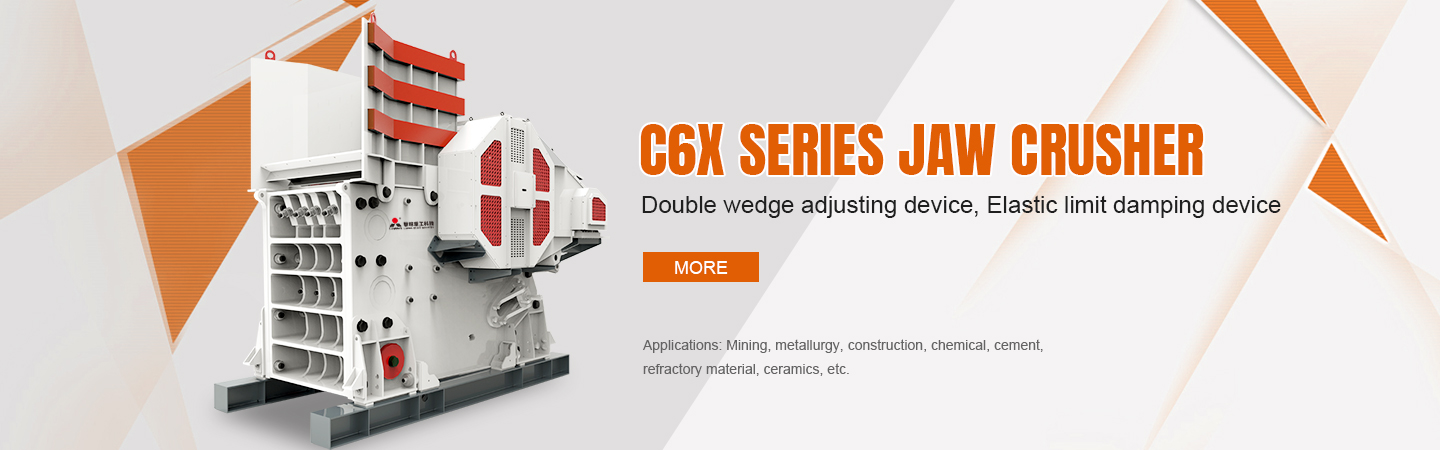
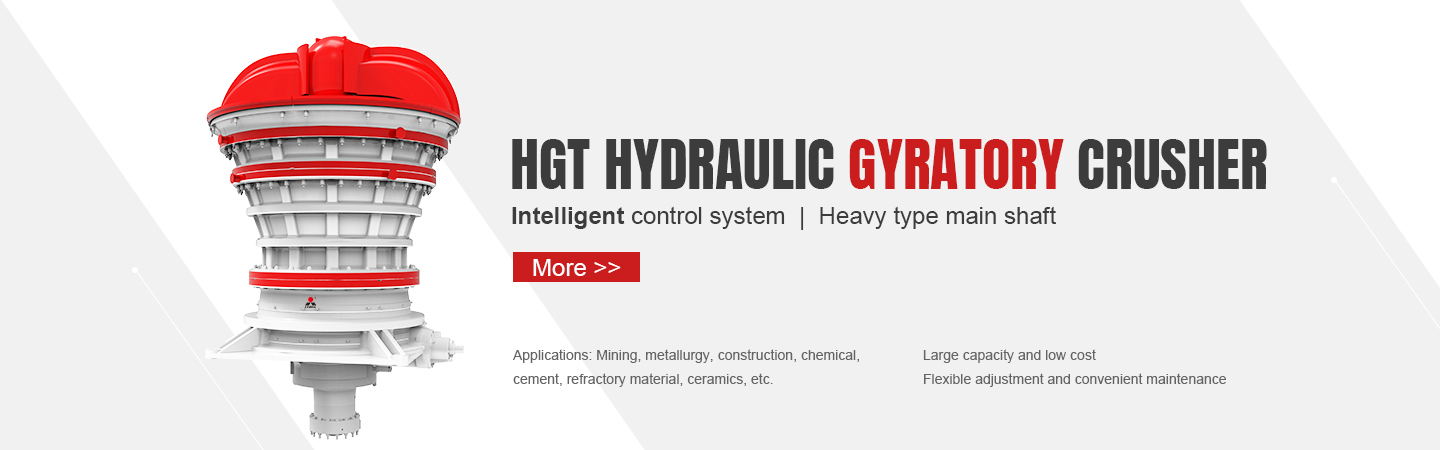
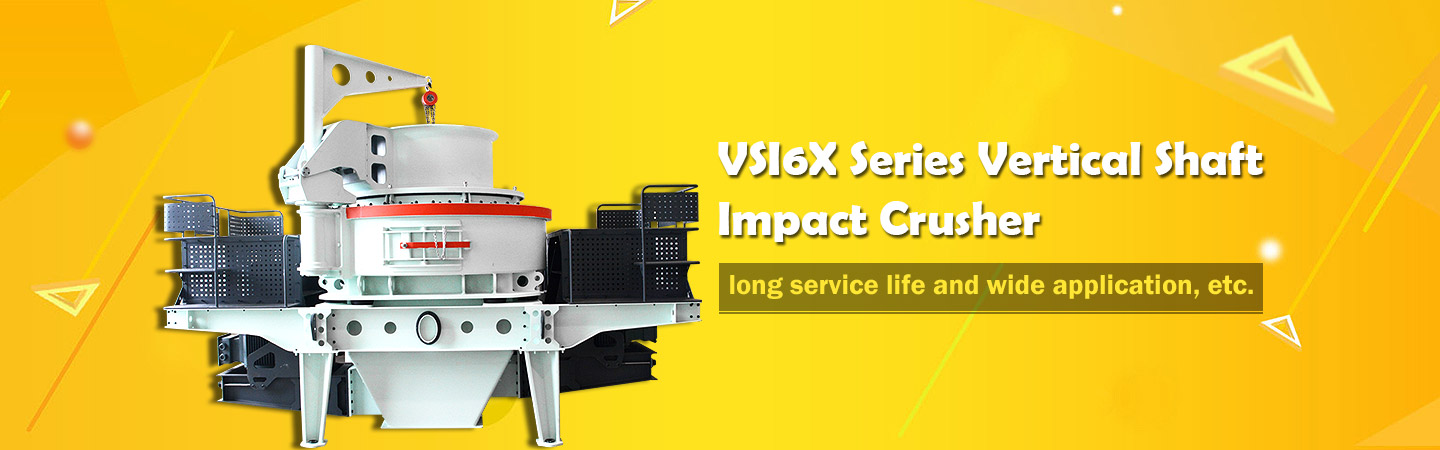
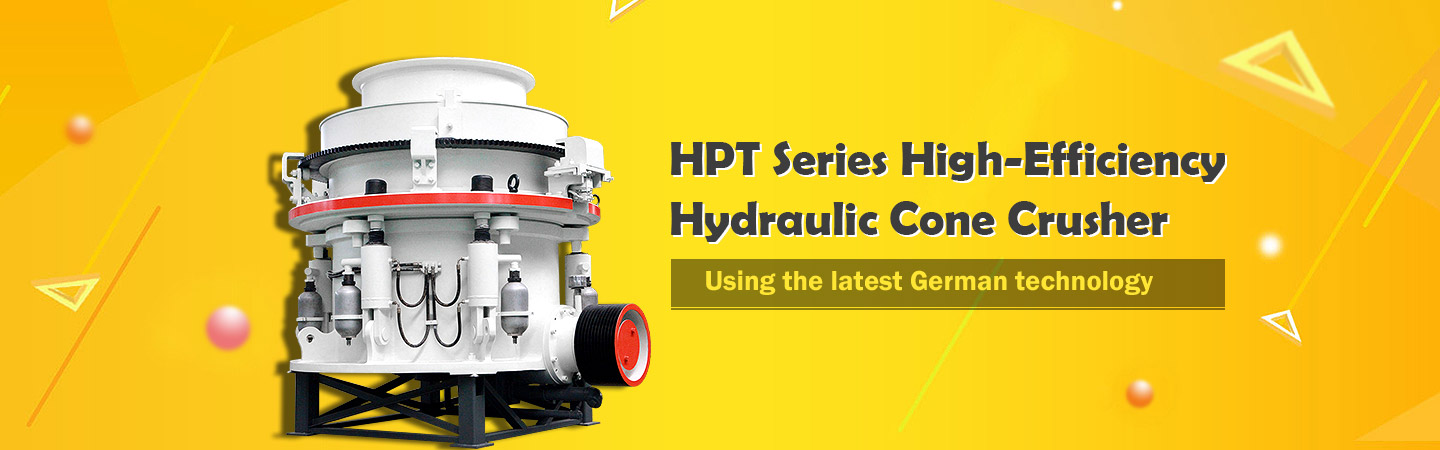
Advancements in processing allow certain rubble to be reprocessed for residual minerals. Older waste dumps, once deemed uneconomical, are now being revisited with modern extraction techniques. Additionally, crushed mining rubble serves as aggregate in concrete or rail ballast, reducing demand for virgin materials. Researchers are also investigating its use in carbon sequestration or as a substrate for land reclamation.
Regulatory and Community Factors
Stricter environmental laws push miners to adopt better rubble management practices. Community opposition to waste piles has led some operators to prioritize progressive rehabilitation—restoring land during active mining rather than waiting until closure. Transparent planning and engagement with local stakeholders are becoming essential to securing social license.
Conclusion
Ore mining rubble is more than just waste—it’s a resource requiring smarter handling. By investing in recycling technologies and sustainable practices, the industry can turn a logistical burden into an opportunity for efficiency and environmental stewardship. The future of mining lies not just in extraction, but in minimizing waste and maximizing every component of the process.