
Table of Contents
Understanding the Key Parts of a Vertical Shaft Impact Crusher
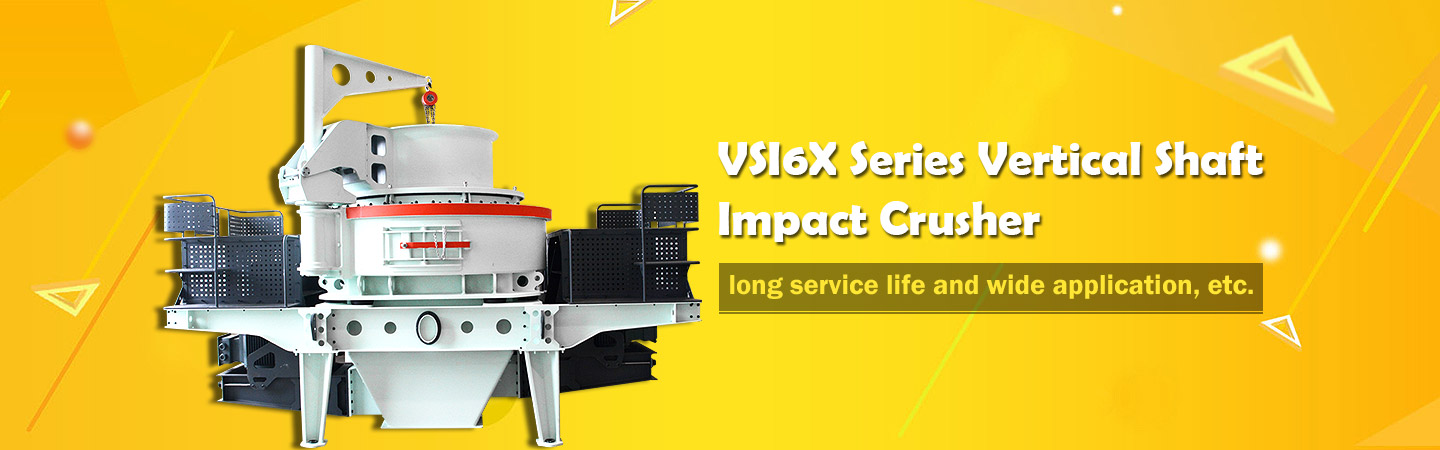
A vertical shaft impact (VSI) crusher is a critical machine in aggregate production, shaping and refining materials through high-speed rotor action. To maintain efficiency and durability, it’s essential to understand its core components and their functions. Below are the primary parts of a VSI crusher and their roles in the crushing process.
1. Rotor Assembly
The rotor is the heart of the VSI crusher, responsible for accelerating materials and throwing them against the crushing chamber or anvil. It consists of a central shaft, wear plates, and impeller shoes. The rotor’s design significantly impacts crushing efficiency, with options like open or enclosed configurations for different applications. High-quality rotors minimize wear and reduce maintenance downtime.
2. Anvils and Crushing Chambers
Anvils (or impact plates) are stationary components positioned around the rotor. They serve as targets for the material ejected by the rotor, ensuring optimal fragmentation. Crushing chambers may feature rock-on-rock or rock-on-steel configurations, depending on the desired output. Proper alignment and material selection for anvils are crucial to prevent premature wear and maintain consistent particle shape.
3. Feed Tube and Distribution Plate
The feed tube directs raw material into the rotor, while the distribution plate ensures even material distribution across the rotor’s width. Uneven feeding can lead to unbalanced rotor wear and reduced crushing performance. Some advanced models feature adjustable feed tubes to optimize material flow for different feed sizes. .jpg)
4. Wear Parts (Impeller Shoes, Tips, and Liners)
VSI crushers subject components to extreme abrasion, making wear-resistant parts vital. Impeller shoes and tips protect the rotor’s edges, while liners shield the crusher’s interior. Materials like tungsten carbide or high-chrome steel are commonly used to extend part lifespan. Regular inspection and replacement of wear parts are necessary to sustain throughput and product quality.
5. Drive System
The drive system powers the rotor, typically using electric motors coupled with belts or direct drives. Proper alignment and tensioning prevent energy loss and mechanical stress. Some crushers incorporate variable-speed drives to adjust rotor velocity for different material types.
6. Lubrication System
A reliable lubrication system ensures smooth operation of bearings and other moving parts. Automatic lubrication systems are often employed to reduce manual intervention and prevent failures due to insufficient lubrication. 
7. Base Frame and Support Structure
The base frame provides stability, absorbing vibrations and operational forces. Heavy-duty construction minimizes deflection, ensuring consistent performance. Proper installation and alignment of the frame are critical to avoid misalignment issues.
Maintenance Considerations
To maximize a VSI crusher’s lifespan, operators should prioritize:
- Regular inspection of wear parts and timely replacement.
- Monitoring rotor balance and bearing conditions.
- Ensuring proper feed distribution to prevent uneven wear.
- Using manufacturer-recommended materials for replacements.
By understanding these components and their maintenance needs, operators can optimize crushing efficiency, reduce downtime, and produce high-quality aggregates consistently. Investing in durable parts and proactive upkeep ensures long-term operational success.