Advantages and Disadvantages of Impact Crusher
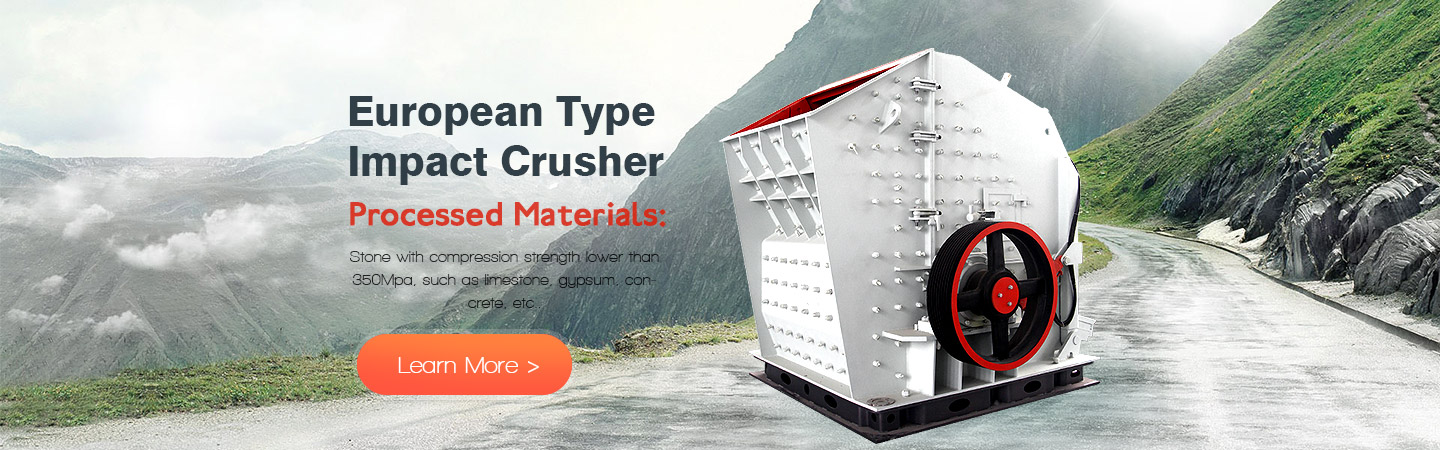
Impact crushers are widely used in mining, construction, and recycling industries for crushing various materials. They offer several benefits but also come with certain drawbacks. Understanding these pros and cons helps in selecting the right crushing equipment for specific applications. 
Advantages of Impact Crusher
-
High Reduction Ratio
Impact crushers provide a high reduction ratio, often up to 20:1, making them efficient in producing fine aggregates. This feature reduces the need for secondary crushing stages, saving time and costs. -
Versatile Material Processing
They can handle a variety of materials, including limestone, concrete, asphalt, and recycled demolition debris. Some models are also suitable for softer materials like coal or gypsum. -
Cubical-Shaped Output
Unlike jaw crushers, impact crushers produce uniformly shaped, cubical end products. This makes them ideal for applications requiring high-quality aggregates, such as road construction and concrete production.
-
Low Operating Costs
Impact crushers have fewer moving parts compared to other crushers, reducing maintenance requirements. Additionally, their simple design allows for quick and easy replacement of wear parts like blow bars and impact plates. -
Energy Efficiency
Due to their direct impact crushing mechanism, these machines consume less energy per ton of material processed compared to compression-based crushers like jaw or cone crushers. -
Adjustable Output Size
Many impact crushers feature adjustable settings, allowing operators to control the final product size by adjusting rotor speed, apron gaps, or hammer configurations.
Disadvantages of Impact Crusher
-
High Wear and Tear
The impact crushing process causes significant wear on components such as blow bars, impact plates, and liners. Frequent replacement of these parts increases operational costs, especially when processing hard or abrasive materials. -
Not Ideal for Hard Rocks
While impact crushers excel in medium-hard materials, they are less effective for extremely hard rocks like granite or basalt. Excessive wear and reduced efficiency make them unsuitable for such applications without frequent maintenance. -
Dust and Noise Pollution
Impact crushers generate high levels of dust and noise during operation, requiring additional measures like dust suppression systems or soundproof enclosures to comply with environmental regulations. -
Sensitive to Moisture Content
Wet or sticky materials can clog the crushing chamber, reducing efficiency and increasing downtime. Pre-screening or drying may be necessary for optimal performance. -
Higher Initial Investment
Compared to jaw crushers, impact crushers generally have a higher upfront cost. However, their long-term benefits in terms of efficiency and output quality may offset this disadvantage.
Conclusion
Impact crushers offer excellent versatility, high reduction ratios, and energy efficiency, making them a popular choice for many crushing applications. However, their limitations—such as high wear rates and unsuitability for extremely hard materials—must be carefully considered. Selecting the right crusher depends on material characteristics, operational requirements, and budget constraints.