

Table of Contents
Gold Mining Processing: Methods and Techniques
Gold mining involves extracting gold from the earth and processing it into pure metal. The methods used depend on the type of deposit, location, and economic factors. Below are the key steps and techniques in gold mining and processing.
1. Exploration and Site Preparation
Before mining begins, exploration is conducted to identify viable gold deposits. Geologists use drilling, sampling, and geophysical surveys to assess the ore’s quality and quantity. Once a site is selected, land clearing and infrastructure setup begin, including roads, power supply, and water management systems. .jpg)
2. Extraction Methods
Gold is extracted through surface or underground mining, depending on the deposit’s depth.
- Open-Pit Mining: Used for near-surface deposits. Large-scale excavation removes overburden (waste rock) to access gold-bearing ore. Heavy machinery, such as bulldozers and haul trucks, is employed.
- Underground Mining: Applied when gold veins are deep. Shafts and tunnels are dug to reach the ore, which is then extracted using drilling and blasting techniques.
3. Ore Processing
Once extracted, the ore undergoes several processing stages to isolate gold.
Crushing and Grinding
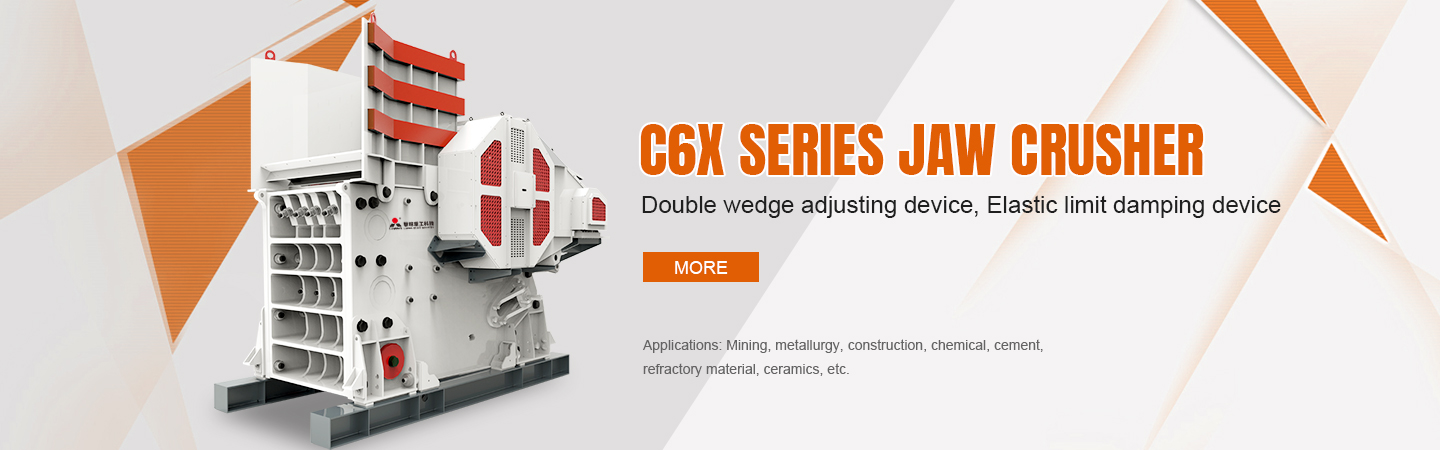
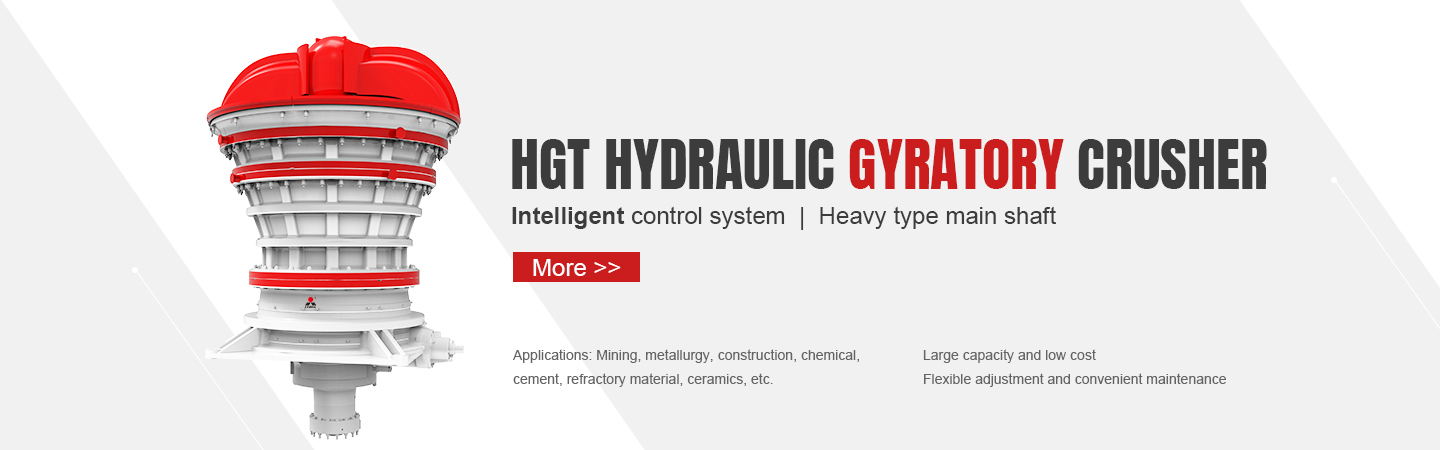
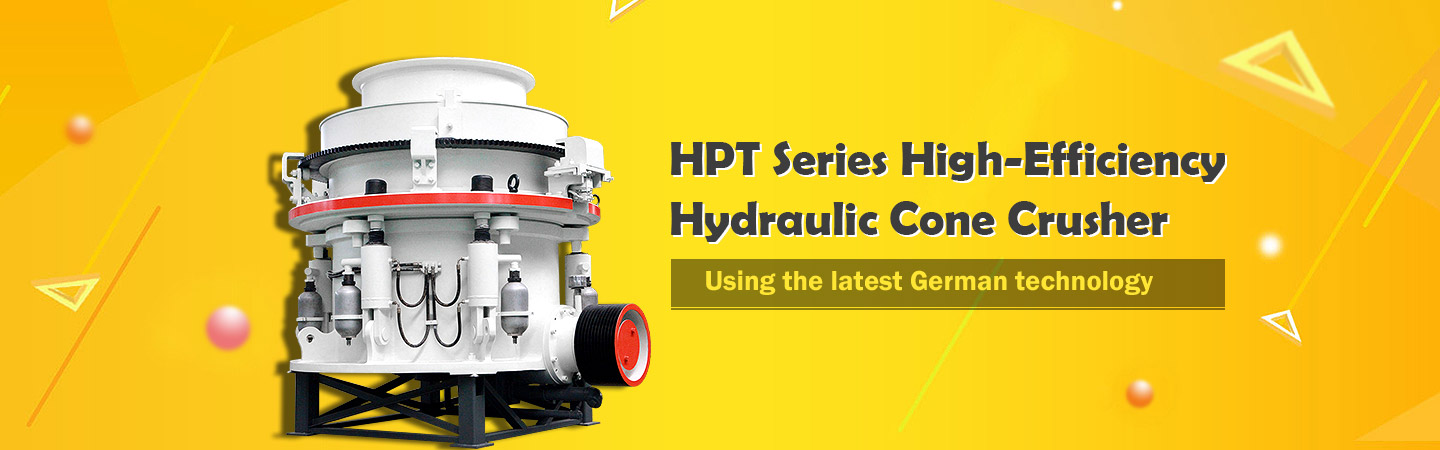
The ore is crushed into smaller pieces using jaw crushers or cone crushers. Further grinding in ball mills reduces it to a fine powder, increasing surface area for chemical treatment.
Gravity Separation
For free-milling gold (visible particles), gravity methods like sluice boxes or centrifugal concentrators separate gold from lighter materials based on density differences.
Flotation
Sulfide ores often require flotation. Chemicals are added to create a froth that binds to gold particles, allowing them to float and be skimmed off.
Cyanidation
The most common method for refractory ores (gold locked in minerals). Crushed ore is mixed with a dilute cyanide solution, which dissolves gold. The gold-cyanide solution is then collected for further treatment.
Carbon-in-Pulp (CIP) / Carbon-in-Leach (CIL)
Activated carbon absorbs gold from cyanide solutions. The carbon is later processed to strip gold, which is then smelted.
4. Refining and Smelting
Impure gold undergoes refining to achieve high purity (99.5% or higher). 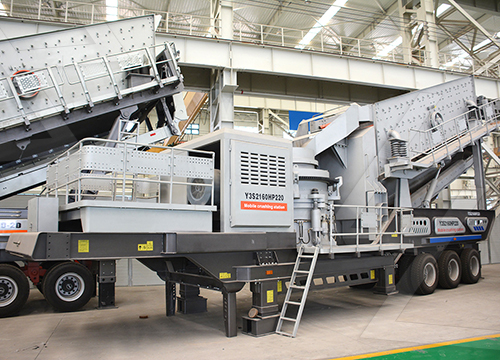
- Smelting: Gold concentrate is melted in a furnace with fluxes to remove impurities, producing doré bars.
- Electrolysis (Wohlwill Process): For ultra-pure gold, electrolysis dissolves gold anodes and redeposits pure metal on cathodes.
5. Waste Management
Mining generates waste like tailings (processed ore residue) and rock debris. Proper disposal is critical:
- Tailings Storage Facilities (TSFs): Secure dams store cyanide-contaminated waste to prevent environmental damage.
- Reclamation: Post-mining, sites are rehabilitated through re-vegetation and landform stabilization.
Conclusion
Gold mining and processing require a combination of geological expertise, advanced technology, and environmental responsibility. From extraction to refining, each step ensures efficient recovery while minimizing ecological impact. Innovations continue to improve sustainability, making gold mining a balance of economic gain and environmental stewardship.