
Table of Contents
High-Quality Aggregate Production Line for African Construction Projects
Africa’s rapid urbanization and infrastructure development have created a surging demand for high-quality construction materials, particularly aggregates. To meet this need, investing in a reliable aggregate production line is critical for ensuring durability, efficiency, and cost-effectiveness in large-scale projects such as roads, bridges, and housing.
Key Components of an Efficient Aggregate Production Line
-
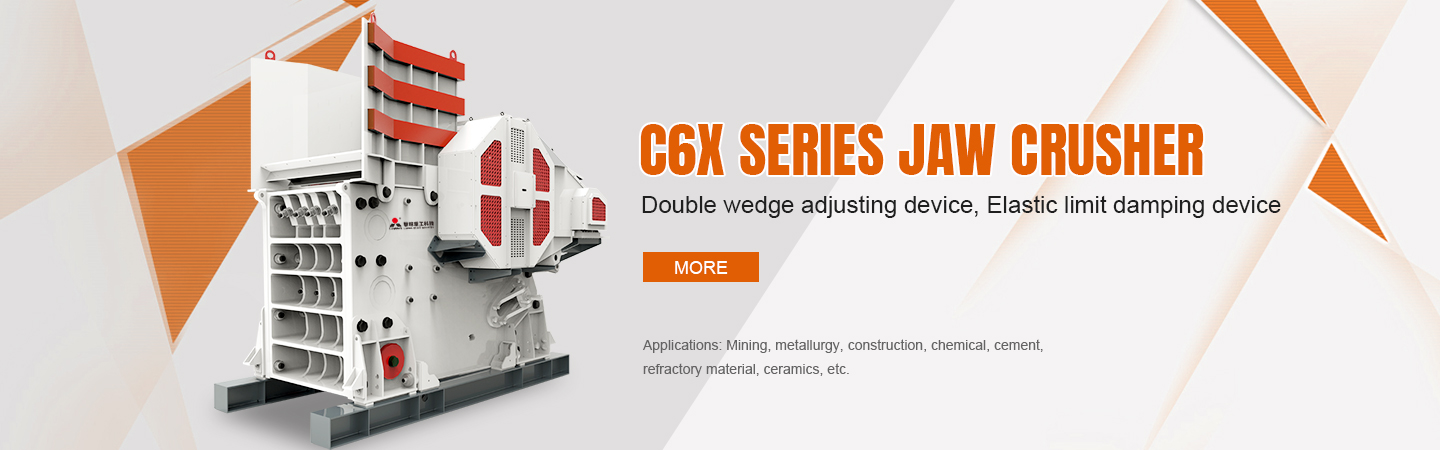
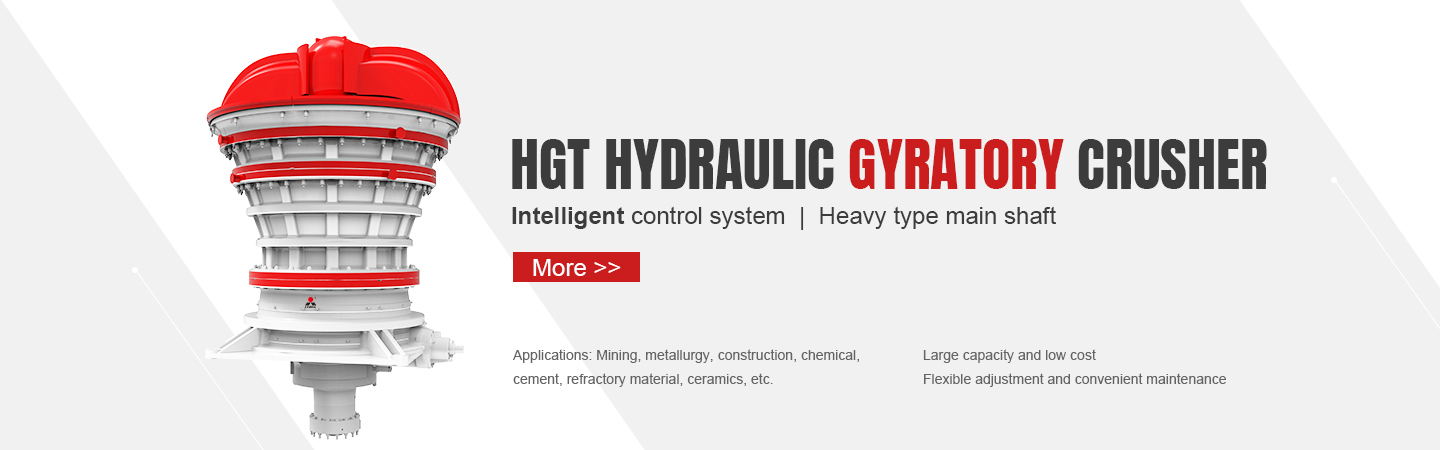
Primary Crushing – Jaw crushers or gyratory crushers break down large rocks into manageable sizes. These machines must handle hard materials like granite or basalt, which are common in African quarries.
-
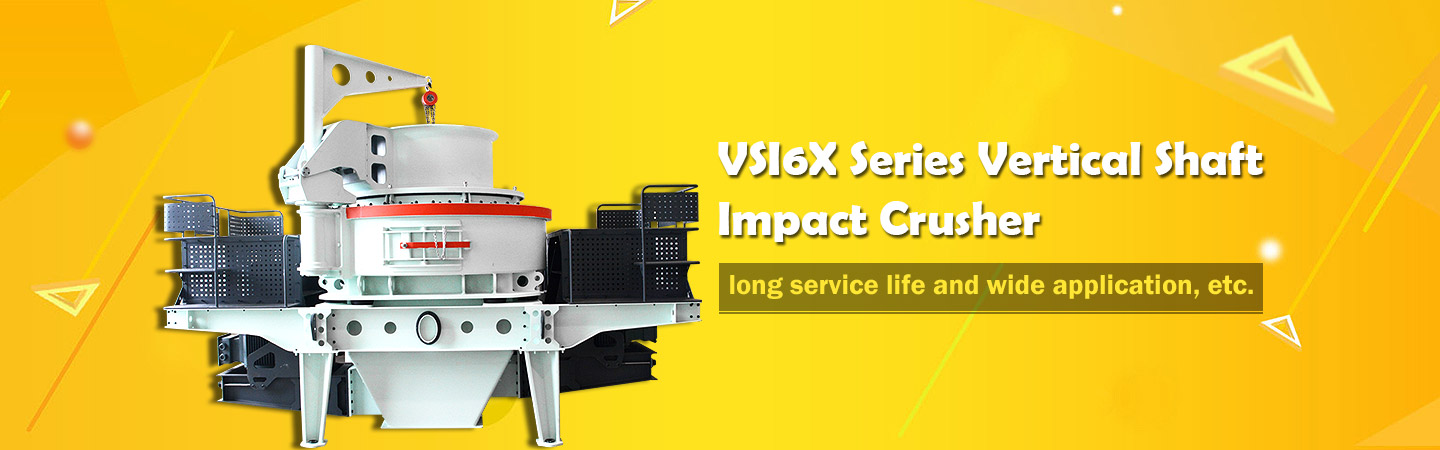
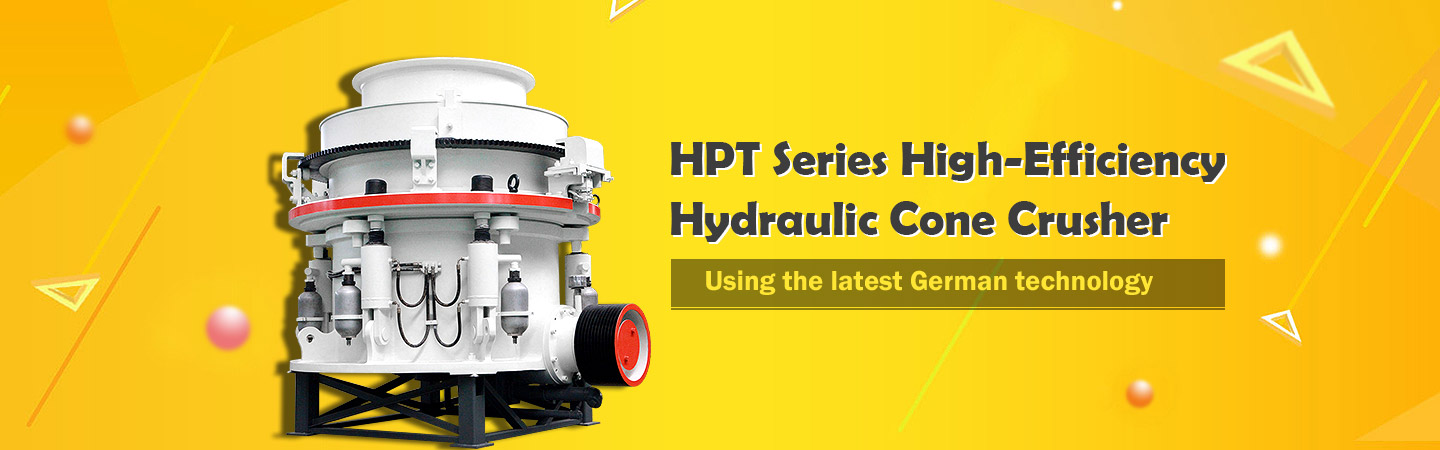
Secondary and Tertiary Crushing – Cone crushers or impact crushers further refine the material to the desired specifications. Consistent grain size and shape are essential for strong concrete and stable road bases.
-
Screening and Classification – Vibrating screens separate aggregates by size, ensuring uniformity. Proper screening minimizes waste and maximizes the usability of every ton produced.
-
Washing and Dewatering – Sand and gravel often require cleaning to remove impurities. Sand washers and hydrocyclones improve material quality, which is crucial for high-grade concrete mixes.
-
Automated Control Systems – Modern plants integrate PLC-based automation to optimize production, reduce downtime, and monitor output quality. This is especially valuable in remote locations where skilled labor is scarce.
.jpg)
Why African Projects Need Robust Solutions
Many African construction sites face challenges like unreliable power supply, harsh climates, and logistical constraints. A well-designed aggregate production line should prioritize:
- Durability: Equipment must withstand abrasive materials and extreme weather.
- Mobility: Modular or portable setups are ideal for projects in remote areas.
- Energy Efficiency: Diesel-electric hybrid systems or solar-powered options can mitigate power instability.
Economic and Environmental Benefits
Producing aggregates locally reduces transportation costs and supports regional employment. Additionally, advanced dust suppression and water recycling systems minimize environmental impact—a growing concern for sustainable development. .jpg)
Conclusion
For African infrastructure projects to succeed, a high-quality aggregate production line is non-negotiable. By combining rugged machinery, smart technology, and adaptable designs, suppliers and contractors can deliver materials that meet international standards while overcoming local challenges. Investing in the right setup today will pay off in faster project completion and longer-lasting structures.