
Table of Contents
Key Differences Between Single-Cylinder and Multi-Cylinder Cone Crushers
Cone crushers are widely used in mining and aggregate industries for crushing hard and abrasive materials. The two main types—single-cylinder and multi-cylinder hydraulic cone crushers—differ in design, performance, and application. Understanding these differences helps in selecting the right equipment for specific crushing needs. 
1. Structural Design
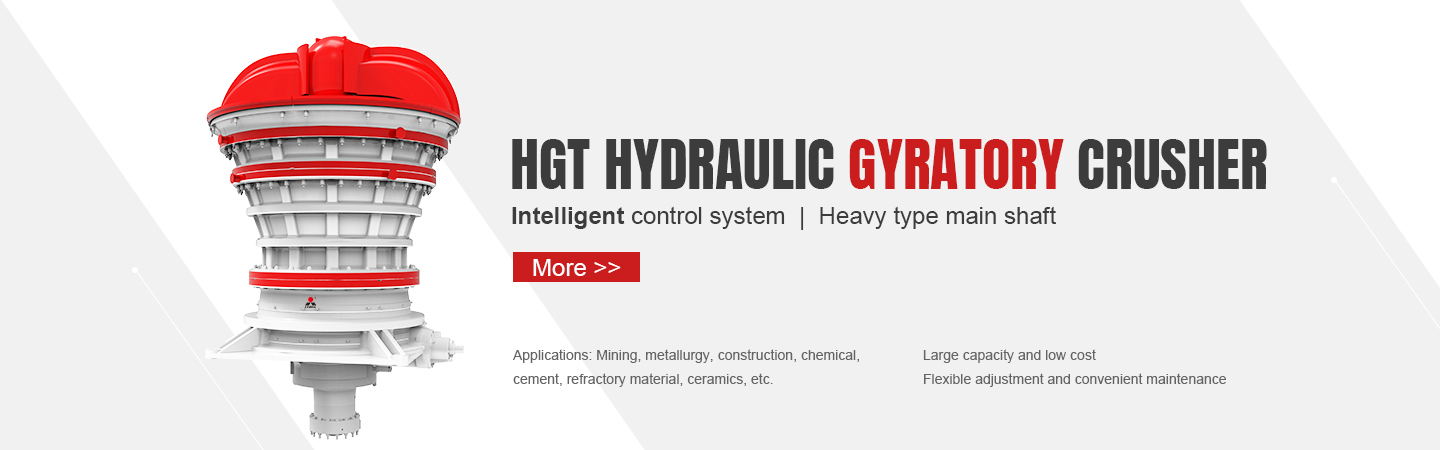
The most obvious difference lies in their hydraulic systems. A single-cylinder cone crusher has only one hydraulic cylinder, which controls the movement of the crushing cone. This design simplifies the structure, reducing maintenance complexity.
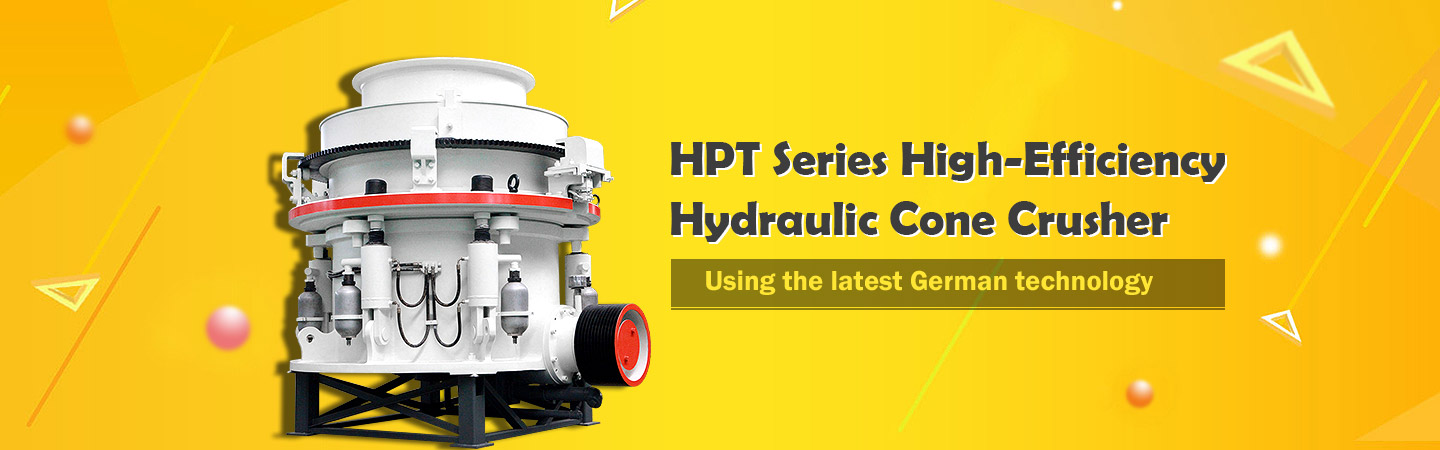
In contrast, a multi-cylinder cone crusher employs multiple hydraulic cylinders arranged around the machine. This configuration enhances stability and allows for finer adjustments in crushing settings, improving precision.
2. Crushing Performance
Single-cylinder crushers are known for their high efficiency in medium-to-fine crushing. They provide a larger crushing stroke, which helps process materials with higher compressive strength, such as granite and basalt. However, their output size may be less uniform compared to multi-cylinder models.
Multi-cylinder crushers excel in producing a more consistent particle size distribution. With multiple cylinders working together, they can apply balanced pressure to the material, reducing over-crushing and improving shape quality. This makes them ideal for applications requiring precise gradation, like high-grade aggregate production.
3. Energy Consumption and Efficiency
Single-cylinder crushers generally have lower energy consumption due to their simpler hydraulic system. They are suitable for operations where power efficiency is a priority.
Multi-cylinder crushers consume more energy, but their advanced hydraulic control system compensates by optimizing crushing force distribution. This results in higher throughput and better energy utilization for hard materials.
4. Maintenance and Reliability
Due to fewer components, single-cylinder crushers are easier to maintain and have lower failure rates. Their straightforward design reduces downtime for repairs.
Multi-cylinder crushers, while more complex, benefit from redundancy—if one cylinder malfunctions, the others can compensate temporarily. However, their intricate design requires more frequent inspections and skilled maintenance personnel. .jpg)
5. Cost and Application
Single-cylinder cone crushers are typically more affordable, making them a preferred choice for small to medium-sized operations with budget constraints. They are commonly used in secondary or tertiary crushing stages.
Multi-cylinder crushers are more expensive but offer superior precision and durability, justifying their cost in large-scale mining and high-performance aggregate plants.
Conclusion
Choosing between single-cylinder and multi-cylinder cone crushers depends on material hardness, required output quality, budget, and operational priorities. Single-cylinder models suit cost-sensitive projects with moderate demands, while multi-cylinder crushers are ideal for high-capacity, precision-crushing applications.