


Table of Contents
How Chinese Mining Equipment Suppliers Can Enter the African Market Faster
Africa’s mining sector presents significant opportunities for Chinese equipment suppliers. With abundant mineral resources and increasing demand for modern machinery, the continent is a strategic market for expansion. However, entering Africa requires a tailored approach to navigate challenges such as logistics, local competition, and regulatory hurdles. Here’s how Chinese suppliers can accelerate their market entry.
1. Understand Local Market Needs
African mining operations vary by region, with different requirements for equipment size, durability, and adaptability. Suppliers should conduct thorough market research to identify specific demands. For example, artisanal and small-scale miners may need affordable, easy-to-maintain machinery, while large-scale operators prioritize advanced automation and energy efficiency.
2. Build Strong Local Partnerships
Collaborating with local distributors, dealers, or joint ventures can streamline market entry. Local partners provide insights into regulatory processes, customer preferences, and after-sales service networks. Establishing relationships with mining companies, industry associations, and government bodies can also enhance credibility.
3. Offer Competitive Financing Solutions
Many African miners face budget constraints. Chinese suppliers can gain an edge by providing flexible financing options, such as leasing arrangements, deferred payments, or partnerships with Chinese and African financial institutions. Bundling equipment with financing packages makes purchases more accessible.
4. Focus on After-Sales Support
Reliable maintenance and spare parts availability are critical in Africa, where downtime can be costly. Setting up local service centers or partnering with regional workshops ensures prompt technical support. Training programs for local technicians can further strengthen trust and long-term relationships. 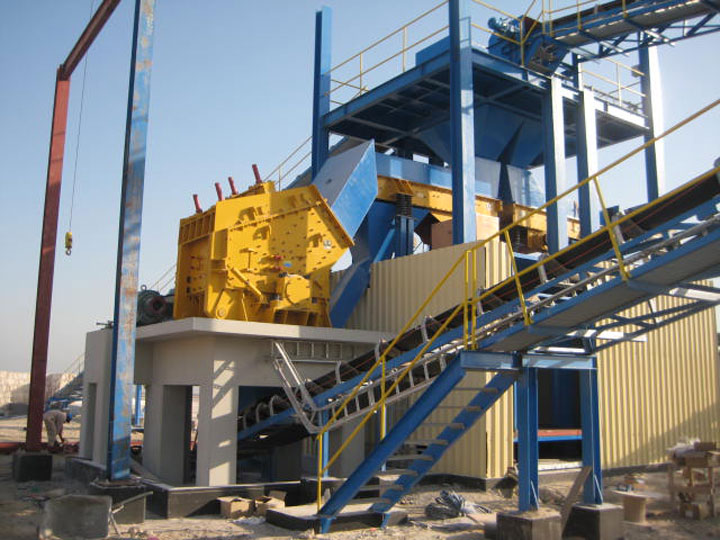
5. Leverage Government and Trade Agreements
China’s Belt and Road Initiative (BRI) and existing trade agreements with African countries create favorable conditions for exporters. Suppliers should explore subsidies, tax incentives, and diplomatic channels to reduce trade barriers. Participating in African mining expos and trade delegations can also increase visibility.
6. Adapt to Regulatory and Environmental Standards
Compliance with local regulations, safety standards, and environmental policies is non-negotiable. Suppliers must ensure their equipment meets regional certifications and invest in sustainable technologies, such as low-emission machinery, to align with Africa’s growing focus on responsible mining.
7. Utilize Digital Marketing and E-Commerce
Online platforms are increasingly influential in Africa’s B2B sector. A strong digital presence—through industry websites, social media, and e-commerce portals—can help suppliers reach decision-makers efficiently. Case studies, testimonials, and multilingual content enhance engagement. 
Conclusion
Entering Africa’s mining equipment market demands a strategic, localized approach. By understanding regional needs, forging partnerships, offering financing, and ensuring robust after-sales service, Chinese suppliers can establish a competitive presence faster. Leveraging government support and digital tools will further accelerate growth in this high-potential market.