
Table of Contents
Complete Limestone Crushing Production Line for the African Aggregates Industry
The African aggregates industry is experiencing rapid growth, driven by infrastructure development, urbanization, and increasing demand for construction materials. Limestone, as a key raw material for cement, concrete, and road base construction, plays a vital role in meeting this demand. To ensure efficient processing, a well-designed limestone crushing production line is essential for maximizing productivity, reducing operational costs, and maintaining consistent product quality.
Key Components of a Limestone Crushing Production Line
-
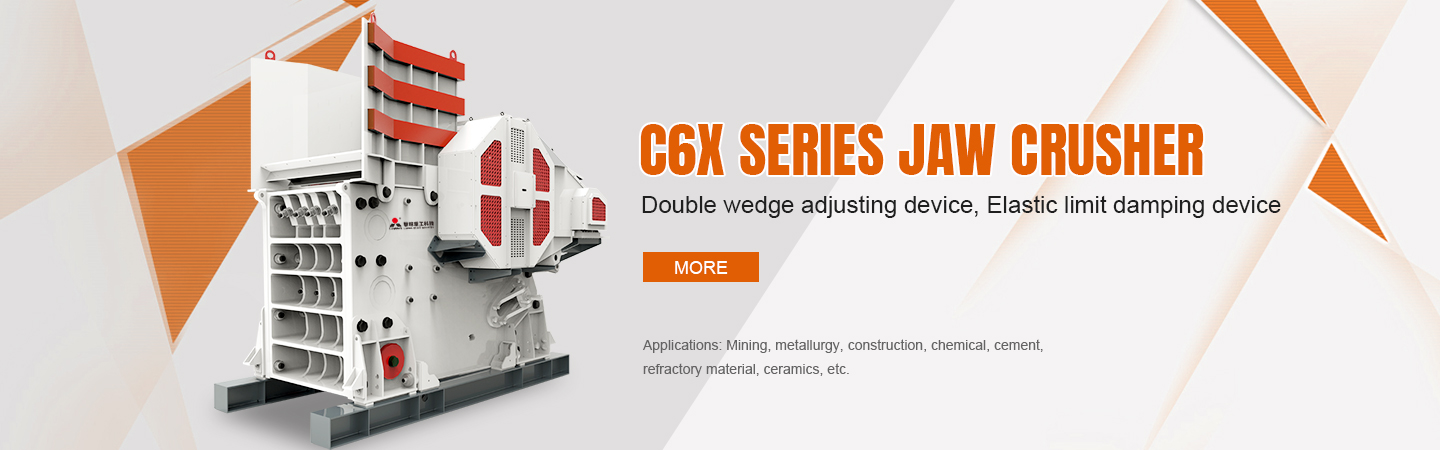
Primary Crushing (Jaw Crusher)
The process begins with primary crushing, where large limestone blocks (up to 1,000mm in size) are reduced to smaller pieces (150-300mm). A robust jaw crusher is typically used due to its high capacity, durability, and ability to handle abrasive materials. -
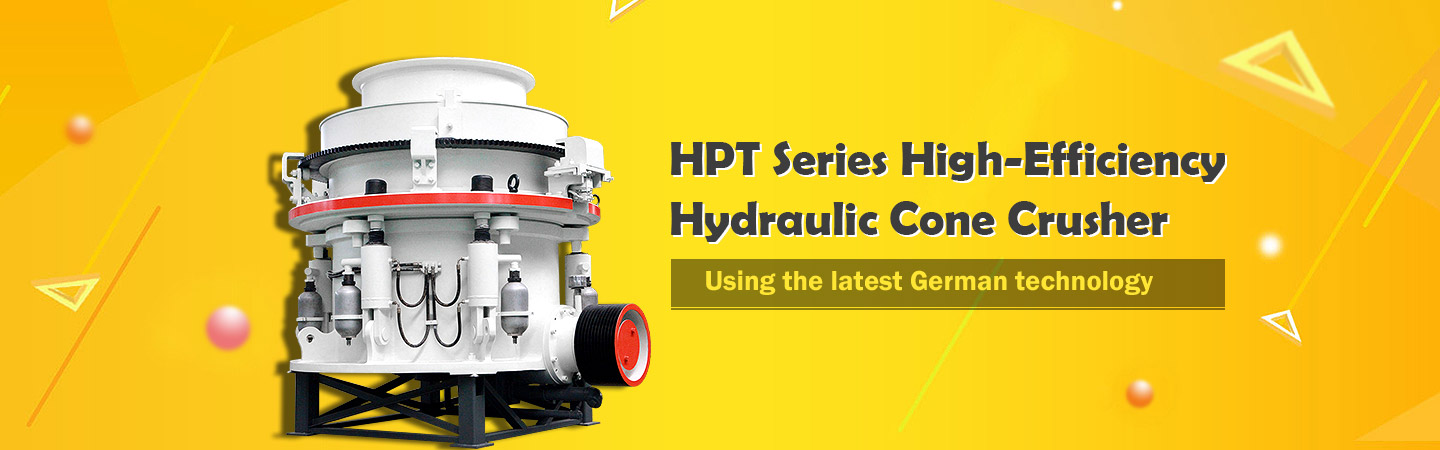
Secondary Crushing (Impact Crusher or Cone Crusher)
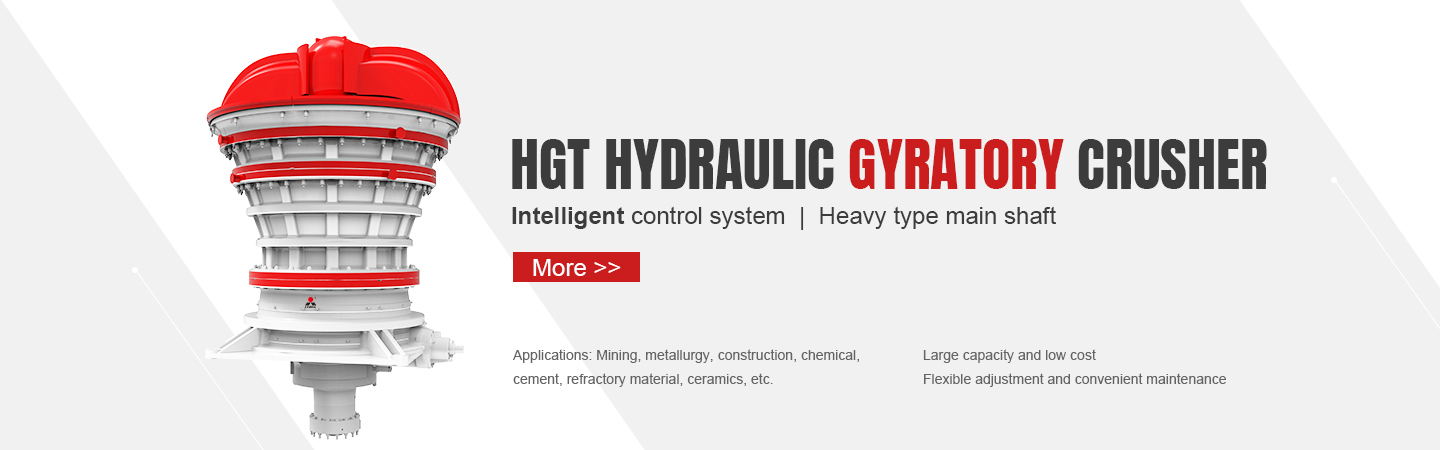
Secondary crushing further breaks down the material to 30-70mm. For limestone, an impact crusher is often preferred because it produces a well-shaped, cubical aggregate ideal for concrete and asphalt production. Alternatively, a cone crusher can be used for harder limestone variations. -
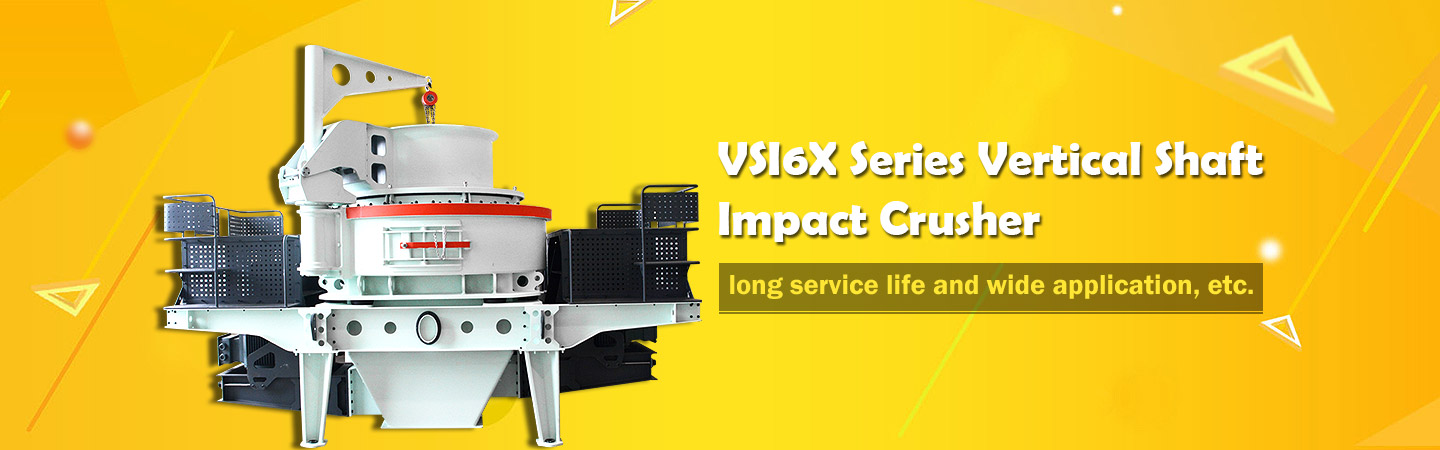
Tertiary Crushing (Vertical Shaft Impact Crusher – Optional)
For high-quality sand production or finer aggregates, a tertiary crushing stage with a VSI crusher may be included. This step enhances particle shape and eliminates weak grains, improving the final product’s performance in construction applications.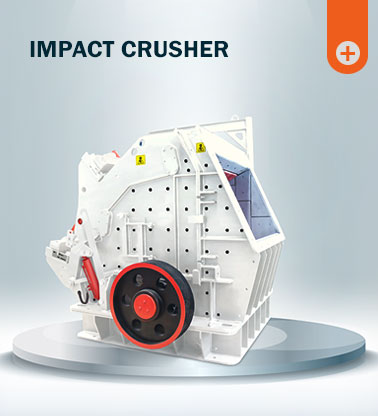
-
Screening and Classification
Vibrating screens separate the crushed limestone into different sizes (e.g., 0-5mm, 5-15mm, 15-30mm). Multi-deck screens ensure precise grading, meeting specific project requirements. -
Material Handling and Conveying Systems
Belt conveyors transport materials between crushing stages efficiently, minimizing dust and spillage. Dust suppression systems may be integrated to comply with environmental regulations..jpg)
-
Control and Automation
Modern production lines incorporate PLC-based control systems to monitor performance, adjust settings in real-time, and optimize energy consumption.
Benefits for the African Market
- High Output and Low Downtime: A well-optimized line minimizes breakdowns, ensuring continuous operation in harsh environments.
- Cost Efficiency: Energy-efficient crushers and automated controls reduce operational expenses.
- Versatility: The system can be adjusted to produce various aggregate sizes for diverse applications, from road construction to precast concrete.
- Sustainability: Dust control and noise reduction features align with Africa’s growing emphasis on environmentally responsible mining practices.
Conclusion
A complete limestone crushing production line tailored for the African aggregates industry ensures reliable, high-quality output to support infrastructure growth. By integrating advanced crushing technology, efficient screening, and automation, operators can achieve superior productivity while maintaining cost-effective and sustainable operations. With the right equipment and design, limestone crushing plants will remain a cornerstone of Africa’s construction sector for years to come.