
Table of Contents
- Optimizing Material Handling in Crushing Plants with Belt Conveyor Systems
- 1. Continuous and Efficient Material Flow
- 2. Reduced Labor and Operational Costs
- 3. Flexibility in Layout and Scalability
- 4. Minimized Material Degradation
- 5. Dust Suppression and Environmental Control
- 6. Integration with Automation Systems
- Conclusion
Optimizing Material Handling in Crushing Plants with Belt Conveyor Systems
Belt conveyor systems play a crucial role in enhancing efficiency and productivity in crushing plants. By automating material transportation, these systems minimize manual handling, reduce operational costs, and improve overall workflow. Here’s how they optimize material handling in crushing operations:
1. Continuous and Efficient Material Flow
Unlike manual or intermittent loading methods, belt conveyors ensure a steady flow of raw materials to crushers and processed aggregates to storage or loading areas. This uninterrupted movement prevents bottlenecks, maximizes crusher utilization, and boosts throughput. 
2. Reduced Labor and Operational Costs
Automating material transport with conveyors significantly cuts labor requirements. Workers can focus on monitoring and maintenance rather than manual loading, leading to lower labor expenses and reduced workplace injuries. Additionally, fuel costs associated with wheel loaders or dump trucks are minimized.
3. Flexibility in Layout and Scalability
Belt conveyors can be customized to fit various plant layouts, including inclines, declines, and horizontal configurations. Modular designs allow easy expansion as production demands grow, making them ideal for both small-scale operations and large industrial crushing plants. 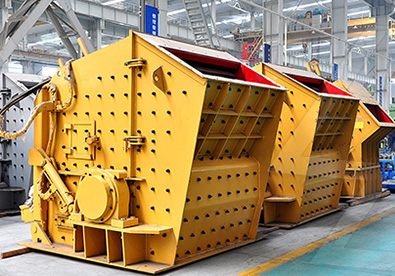
4. Minimized Material Degradation
Gentle handling of materials on conveyor belts reduces degradation compared to repeated loading and unloading with heavy machinery. This is particularly important for fragile or high-value aggregates that must maintain consistent size and quality for end-use applications.
5. Dust Suppression and Environmental Control
Enclosed belt conveyors help contain dust emissions, improving air quality around the plant while complying with environmental regulations. Water spray systems or dust covers can be integrated to further mitigate airborne particles during material transfer.
6. Integration with Automation Systems
Modern conveyor systems can be linked with sensors, weigh feeders, and programmable logic controllers (PLCs) to optimize material flow dynamically. Automated sorting, speed adjustments based on crusher load, and real-time monitoring enhance efficiency while reducing downtime.
Conclusion
Belt conveyor systems are indispensable in crushing plants for their ability to streamline material handling processes while cutting costs and improving safety. By ensuring continuous operation, reducing manual intervention, and integrating with smart technologies, they contribute significantly to the profitability and sustainability of aggregate production facilities.