
High Capacity Impact Crusher: Revolutionizing Aggregate Production in Africa
The demand for high-quality aggregates in Africa is rapidly increasing, driven by infrastructure development, urbanization, and large-scale construction projects. To meet this demand efficiently, the adoption of advanced crushing technology is essential. Among the most effective solutions is the high-capacity impact crusher, a robust machine designed to deliver superior performance in aggregate production.
Why Impact Crushers?
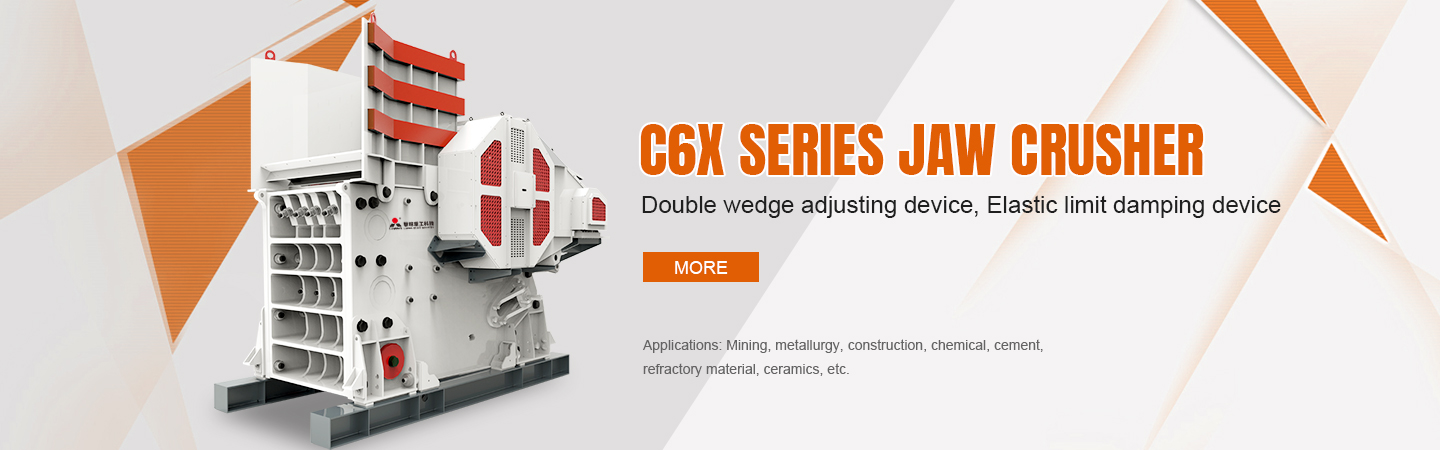
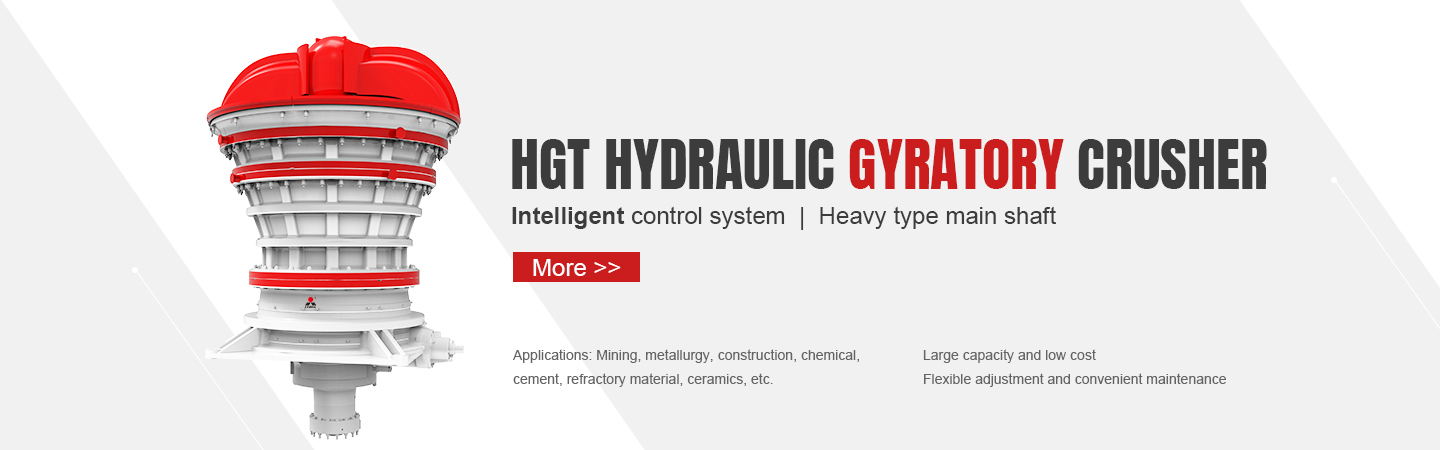
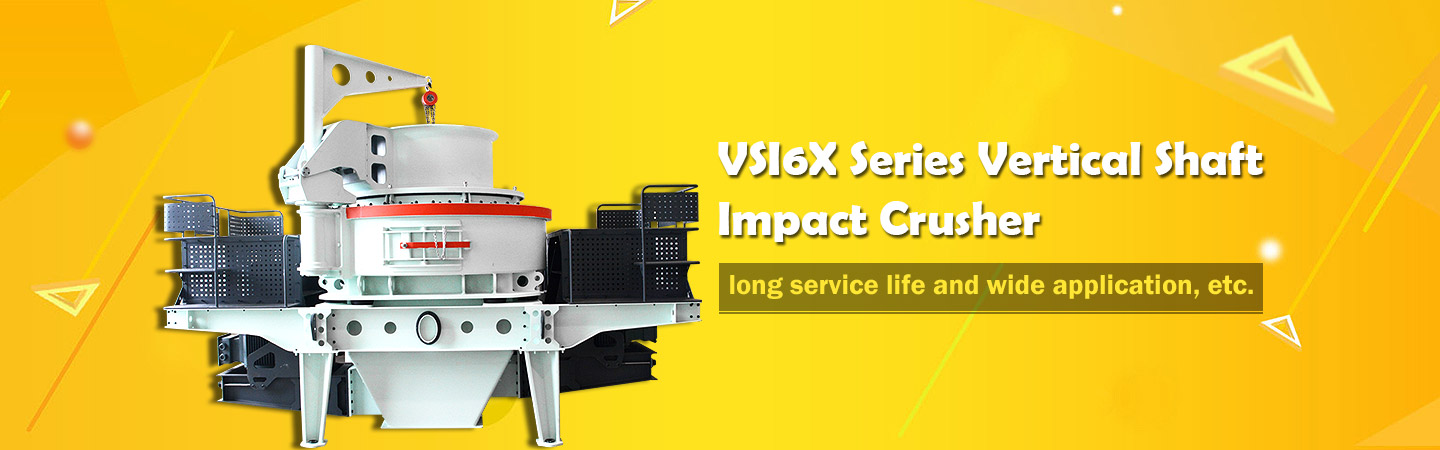
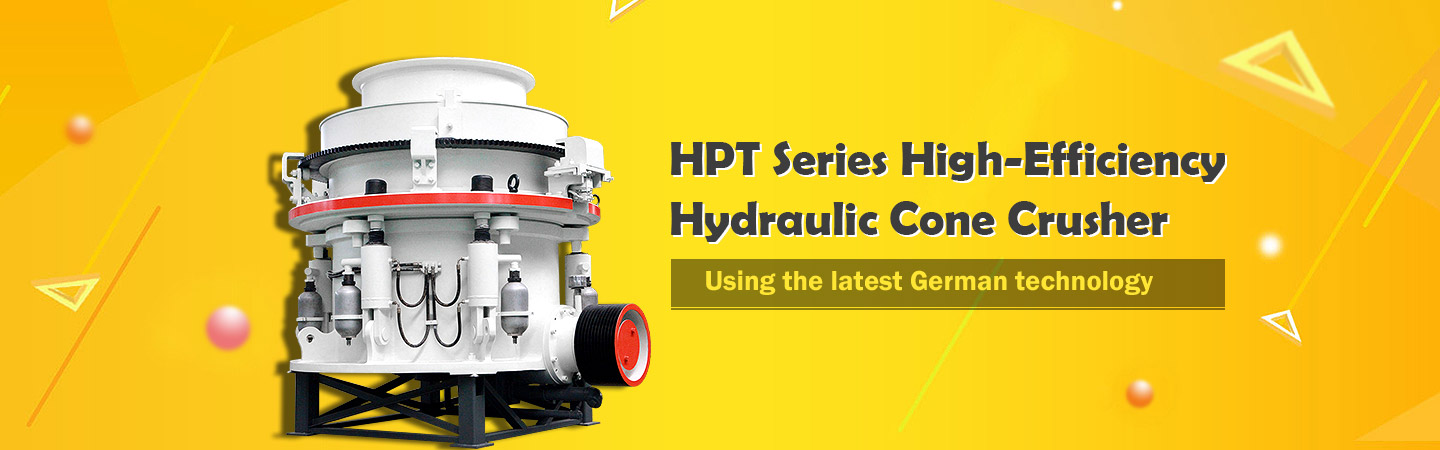
Impact crushers are ideal for processing medium to hard materials such as limestone, granite, and recycled concrete. Their ability to produce uniformly shaped aggregates with high reduction ratios makes them a preferred choice for modern quarries and mining operations. Unlike jaw or cone crushers, impact crushers utilize high-speed impact forces to break down materials, resulting in better particle shape and higher productivity.
Key Features of High-Capacity Impact Crushers
- High Production Efficiency – Equipped with powerful rotors and large feed openings, these crushers can process large volumes of material quickly, reducing downtime and maximizing output.
- Adjustable Output Gradation – Advanced hydraulic or mechanical adjustment systems allow operators to control the size and shape of the final product, catering to specific project requirements.
- Durable Construction – Built with wear-resistant materials and reinforced components, high-capacity impact crushers withstand harsh operating conditions common in African mining and quarrying environments.
- Low Operational Costs – Energy-efficient designs minimize power consumption while reducing maintenance needs due to fewer wear parts compared to traditional crushers.
Applications in Africa’s Aggregate Industry
Africa’s diverse geology presents unique challenges for aggregate production. From granite-rich regions in Southern Africa to limestone deposits in North Africa, impact crushers provide a versatile solution capable of handling various rock types. Their ability to produce cubical aggregates makes them particularly valuable for road construction, concrete production, and railway ballast applications. 
Moreover, the growing emphasis on sustainable construction has increased the demand for recycled aggregates. High-capacity impact crushers efficiently process demolition waste into reusable materials, supporting eco-friendly building practices across the continent. 
Conclusion
As Africa continues its infrastructure expansion, investing in high-capacity impact crushers is a strategic move for aggregate producers seeking efficiency, reliability, and cost-effectiveness. These machines not only enhance production capacity but also ensure consistent quality—key factors in meeting the continent’s evolving construction needs. By leveraging advanced crushing technology, African quarries and mining operations can achieve long-term growth while contributing to sustainable development goals.