
Table of Contents
What Are the Main Components of a Complete Stone Crushing Production Line?
A stone crushing production line is a systematic process designed to break down large rocks into smaller, usable aggregates for construction, road building, and other applications. The efficiency and output of the production line depend on the proper integration of several key components. Below are the main elements that make up a complete stone crushing system: 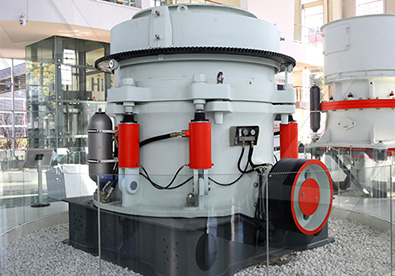
1. Feeding Equipment
The first stage involves feeding raw materials into the crushing system. A vibrating feeder or apron feeder is commonly used to regulate the flow of stones from the hopper to the primary crusher. This ensures a steady and controlled supply of material, preventing blockages and optimizing productivity.
2. Primary Crushing Unit
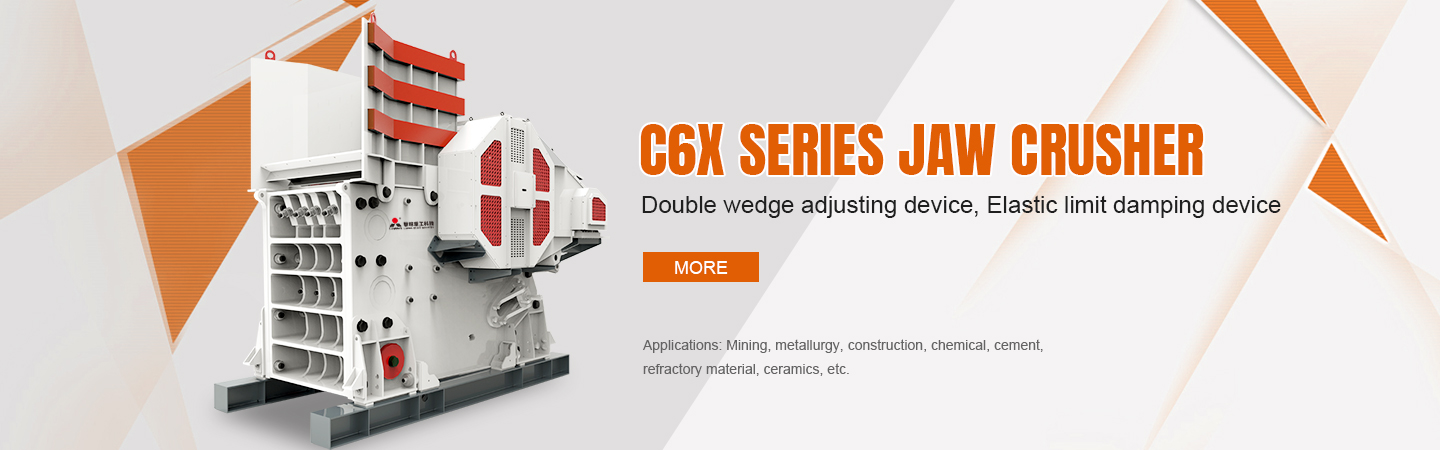
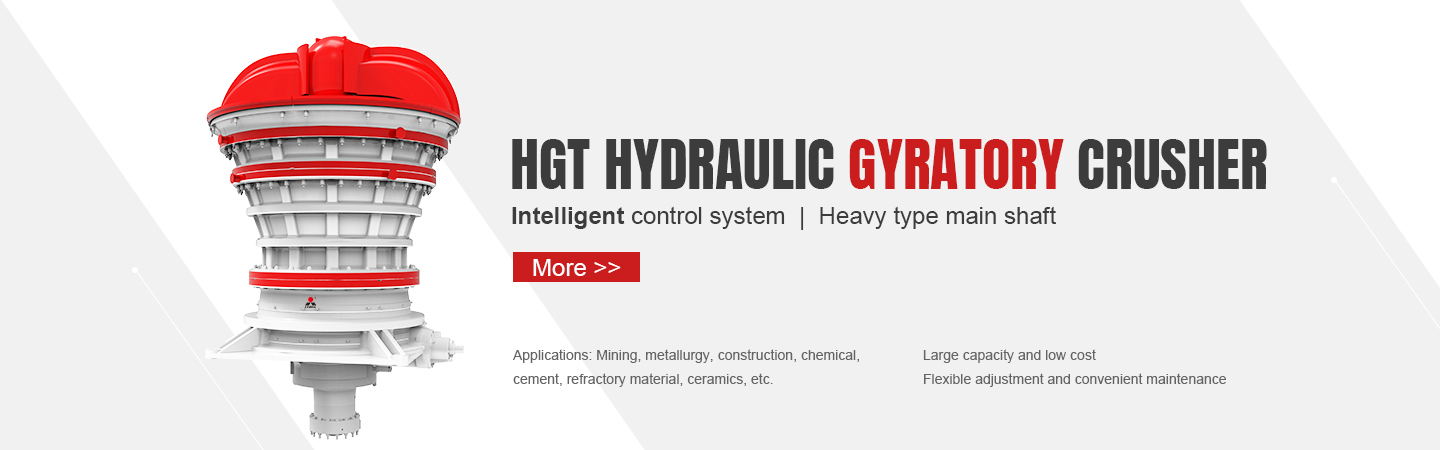
Large rocks are initially reduced in size by a primary crusher, such as a jaw crusher or gyratory crusher. These machines apply compressive force to break down hard materials into manageable pieces, typically ranging from 150mm to 300mm in diameter.
3. Secondary and Tertiary Crushers
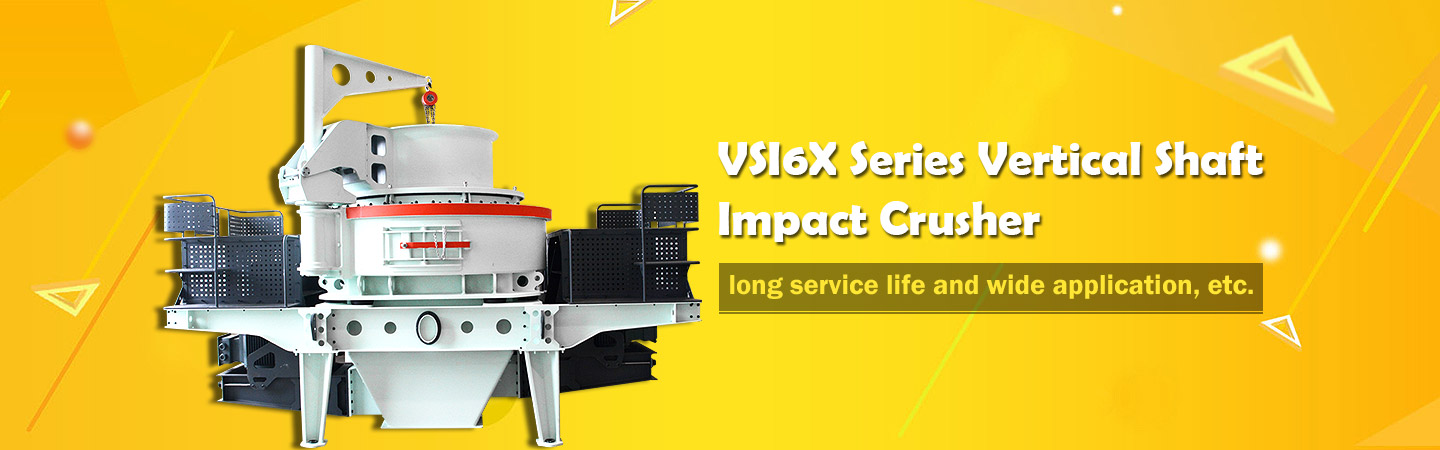
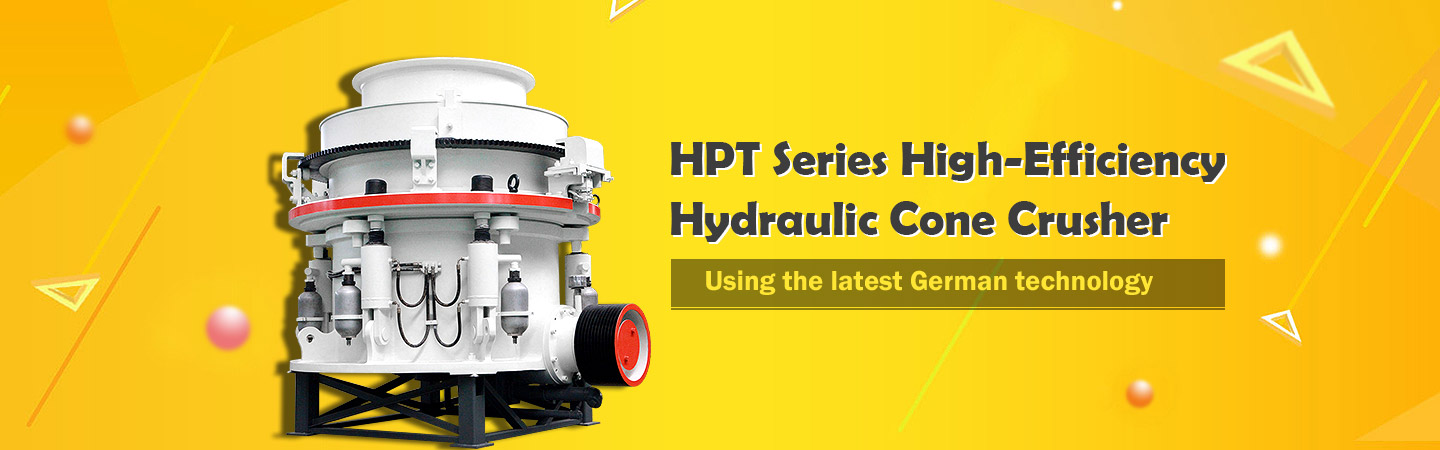
After primary crushing, smaller crushers like cone crushers or impact crushers further refine the material. Secondary crushers handle medium-sized rocks, while tertiary crushers produce finer aggregates for specific applications. This multi-stage crushing ensures uniformity in particle size.
4. Vibrating Screen
A vibrating screen separates crushed stones into different sizes by passing them through mesh layers. Oversized particles are returned to the crushers for reprocessing, while correctly sized aggregates proceed to the next stage or storage. .jpg)
5. Conveyor Belts
Conveyor belts transport materials between different stages of the production line, linking feeders, crushers, screens, and storage units. They improve automation and reduce manual handling, enhancing overall efficiency.
6. Dust Suppression System
Crushing operations generate significant dust, which can pose environmental and health risks. A dust suppression system uses water sprays or filters to minimize airborne particles, ensuring compliance with safety regulations.
7. Control System
Modern stone crushing lines incorporate automated control panels to monitor and adjust machine performance in real time. Operators can track production rates, detect malfunctions, and optimize energy consumption remotely.
8. Storage and Loading Units
Finished products are stored in silos or stockpiles before being loaded onto trucks or railcars for distribution. Proper storage prevents contamination and ensures quick dispatch based on demand.
Conclusion
A well-designed stone crushing production line integrates feeding, crushing, screening, conveying, and dust control systems to deliver high-quality aggregates efficiently. Each component plays a critical role in maintaining smooth operations and meeting industry standards for material consistency and environmental safety.