
Africa Zero Tariff Trade Opens New Market for Crusher Equipment Manufacturers
The recent implementation of zero-tariff trade policies across several African nations has created a significant opportunity for crusher equipment manufacturers. By eliminating import duties on industrial machinery, these measures are lowering barriers to entry and enabling foreign suppliers to expand their presence in Africa’s rapidly growing construction and mining sectors.
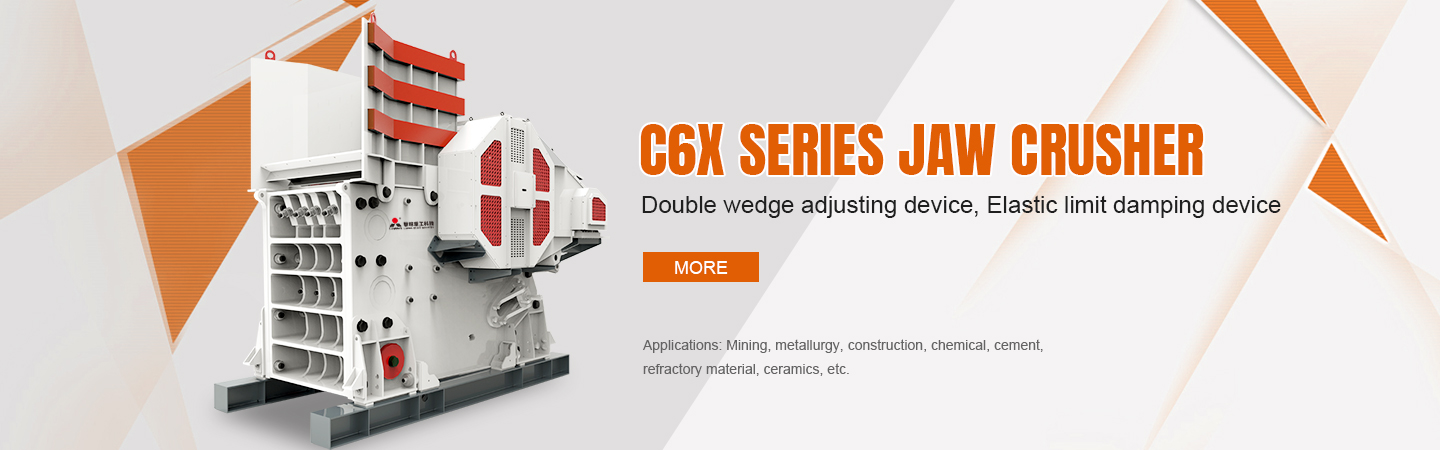
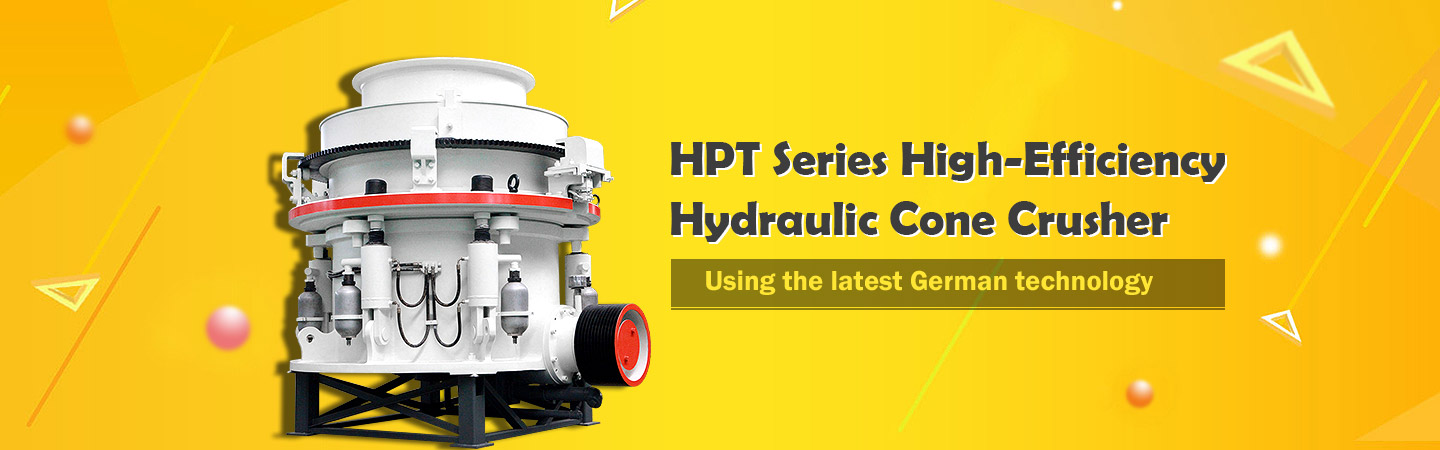
Countries such as Nigeria, Kenya, and South Africa have adopted tariff exemptions as part of broader economic reforms aimed at boosting infrastructure development. For crusher manufacturers, this translates to increased demand for stone crushers, jaw crushers, and cone crushers used in quarrying, road construction, and mineral processing. Local distributors report a surge in inquiries from international suppliers seeking partnerships to capitalize on the new tariff-free environment. 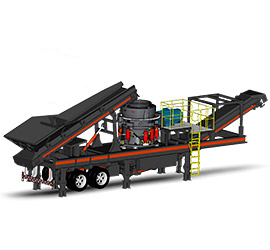
Industry analysts highlight Africa’s untapped potential, with urbanization and large-scale projects like the African Continental Free Trade Area (AfCFTA) driving equipment needs. “The removal of tariffs reduces costs for end-users, making high-quality crushers more accessible,” notes a trade expert. “Manufacturers from China, Europe, and India are actively repositioning to secure market share.” 
However, challenges remain, including logistical bottlenecks and varying regulatory standards across regions. Companies must also adapt to local preferences, such as rugged designs suited to harsh operating conditions. Despite these hurdles, the zero-tariff policy is reshaping trade dynamics, offering crusher manufacturers a competitive edge in one of the world’s fastest-growing markets.
For businesses willing to navigate the complexities, Africa’s open trade policies present a long-term growth avenue—one where strategic investments today could yield substantial returns in the coming decade.