
Table of Contents
How to Choose the Right Capacity Crusher for Your Specific Mining Project
Selecting the right crusher capacity is critical for optimizing productivity and minimizing operational costs in mining projects. The wrong choice can lead to inefficiencies, increased downtime, or unnecessary capital expenditure. Here’s a practical guide to help you make an informed decision. 
1. Assess Your Production Requirements
Start by evaluating your project’s daily or hourly production targets. Calculate the total material volume to be processed and account for peak demand periods. Overestimating capacity leads to higher upfront costs, while underestimating can bottleneck operations.
2. Understand Material Characteristics
The hardness, abrasiveness, and size of the raw material significantly impact crusher performance. Harder materials like granite require robust crushers with higher power and wear-resistant components, whereas softer materials may allow for smaller, more economical units.
3. Consider Feed Size and Output Specifications
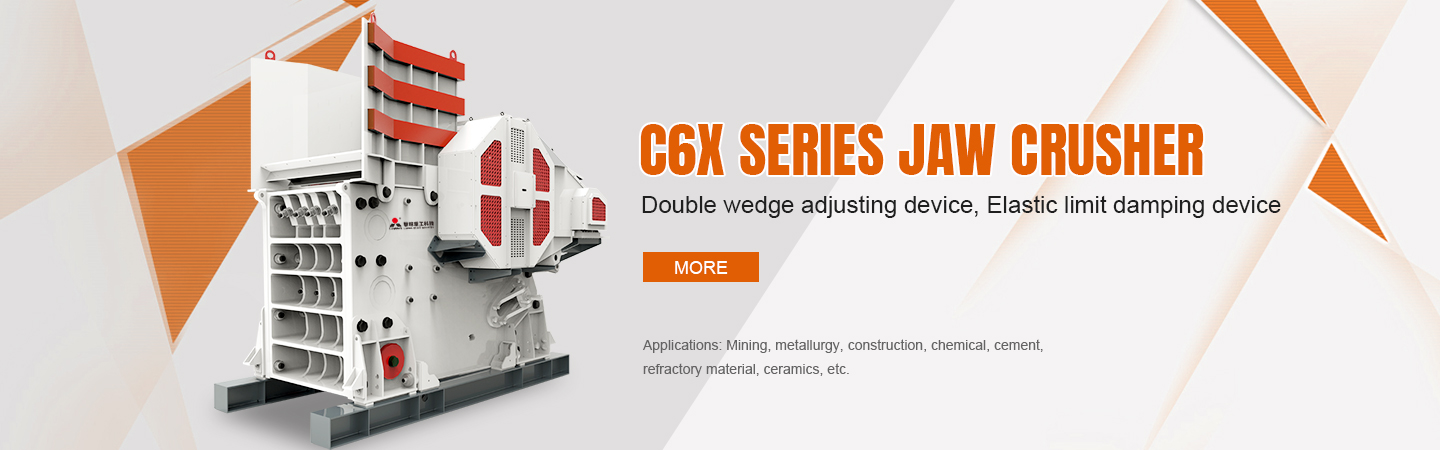
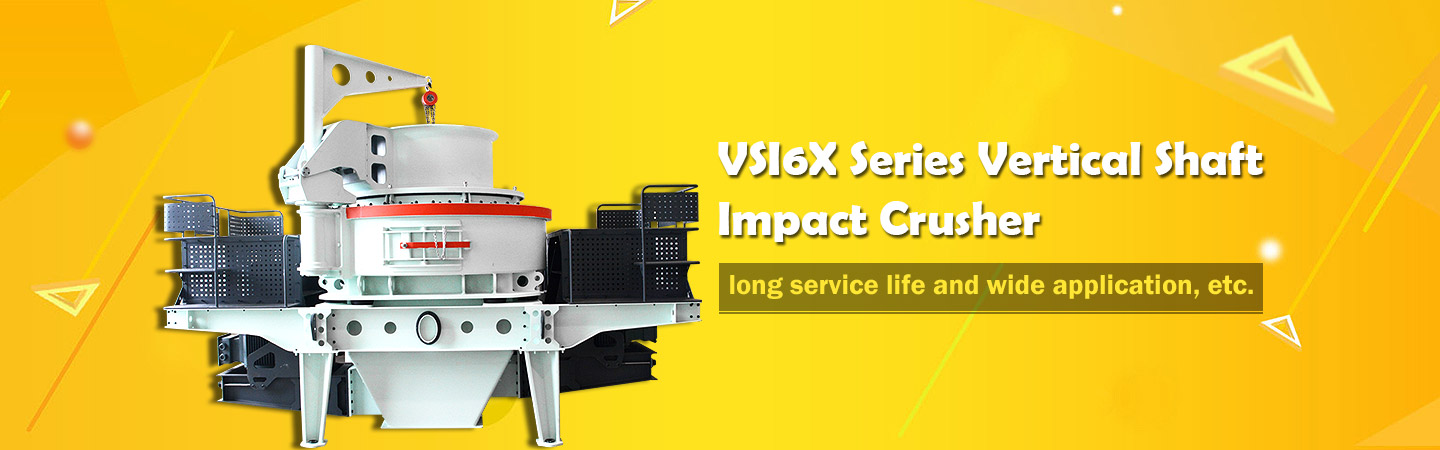
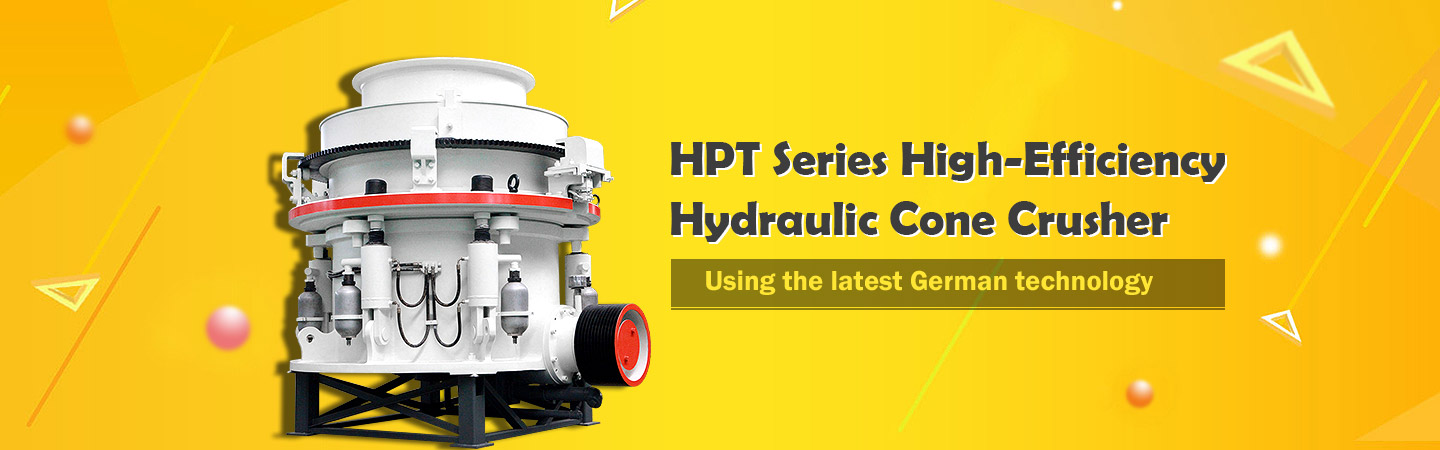
Match the crusher’s feed opening to the maximum size of your raw material. Jaw crushers handle larger feed sizes, while cone or impact crushers are better for finer outputs. Ensure the discharge setting aligns with your desired product size for downstream processes.
4. Evaluate Crushing Stages
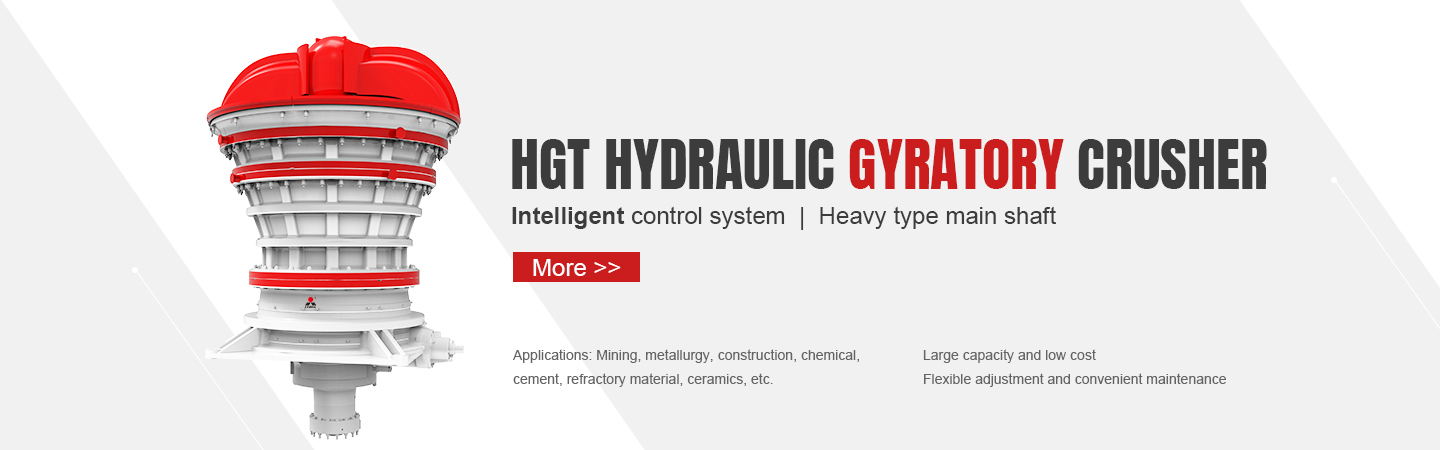
Single-stage crushing may suffice for smaller projects, but large-scale operations often need primary, secondary, and tertiary crushers to achieve optimal particle size reduction. Plan your crushing circuit accordingly to balance efficiency and cost. 
5. Account for Mobility and Site Conditions
Fixed crushers suit long-term projects with stable material sources, while mobile crushers offer flexibility for scattered deposits or temporary sites. Terrain, space constraints, and accessibility should influence your choice between stationary or portable units.
6. Factor in Maintenance and Operating Costs
Higher-capacity crushers may reduce labor costs but increase energy consumption and wear-part replacement expenses. Compare long-term operational costs against initial investment to ensure economic viability over the project’s lifespan.
7. Future-Proof Your Investment
Anticipate potential expansions or changes in material composition. Opting for a slightly larger capacity or modular design can save costly upgrades later without overcommitting resources upfront.
Conclusion
Choosing the right crusher capacity demands a balance between current needs and future scalability. By analyzing production goals, material properties, site logistics, and cost factors, you can select equipment that maximizes efficiency and profitability for your mining operation. Always consult manufacturers or industry experts to validate your specifications before finalizing the purchase.