
Table of Contents
What Is the Best Crusher Machine for African Limestone Quarries?
Limestone quarries in Africa face unique challenges due to varying rock hardness, abrasive properties, and environmental conditions. Selecting the right crusher machine is critical for efficiency, cost-effectiveness, and long-term productivity. Here’s a breakdown of the best crusher options for African limestone operations.
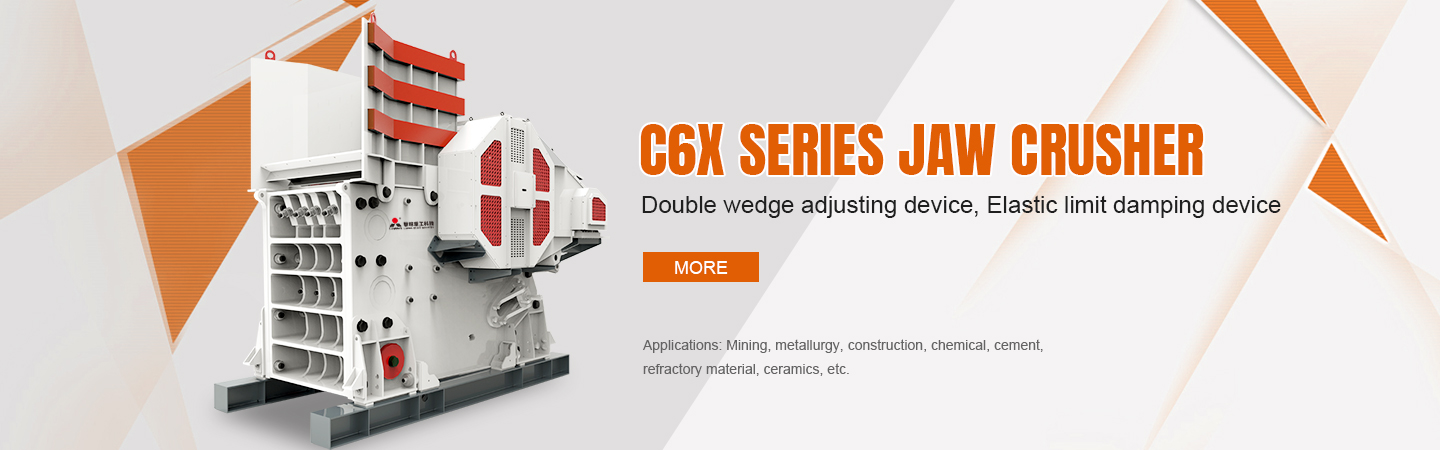
1. Jaw Crusher (Primary Crushing)
Jaw crushers are ideal for primary crushing in limestone quarries. Their robust design handles large feed sizes and high-capacity demands. Key advantages include:
- High Reduction Ratio: Effectively breaks down large limestone blocks.
- Low Maintenance: Simple structure reduces downtime.
- Versatility: Works well with medium-hard to hard limestone.
For African quarries with uneven or abrasive limestone, heavy-duty jaw crushers with wear-resistant liners are recommended.
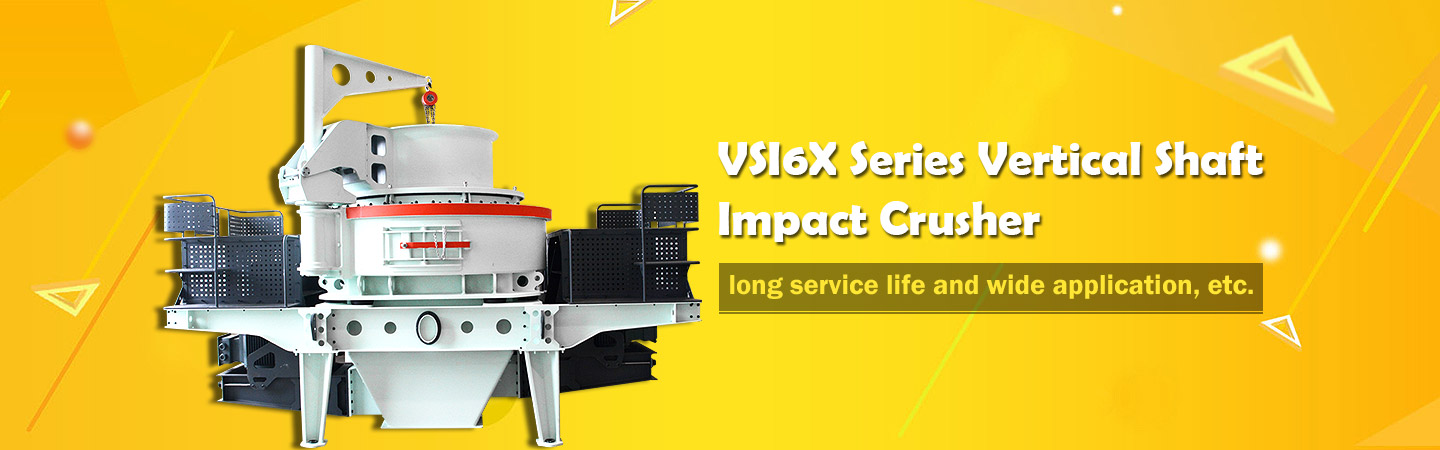
2. Impact Crusher (Secondary Crushing)
Impact crushers excel in producing uniform, cubical-shaped aggregates, making them suitable for secondary crushing. Benefits include: 
- High-Quality Output: Produces well-shaped particles for construction use.
- Adjustable Settings: Allows control over product size.
- Energy Efficiency: Lower power consumption compared to cone crushers in some cases.
Impact crushers are particularly effective for softer limestone but may require frequent wear-part replacements in highly abrasive conditions.
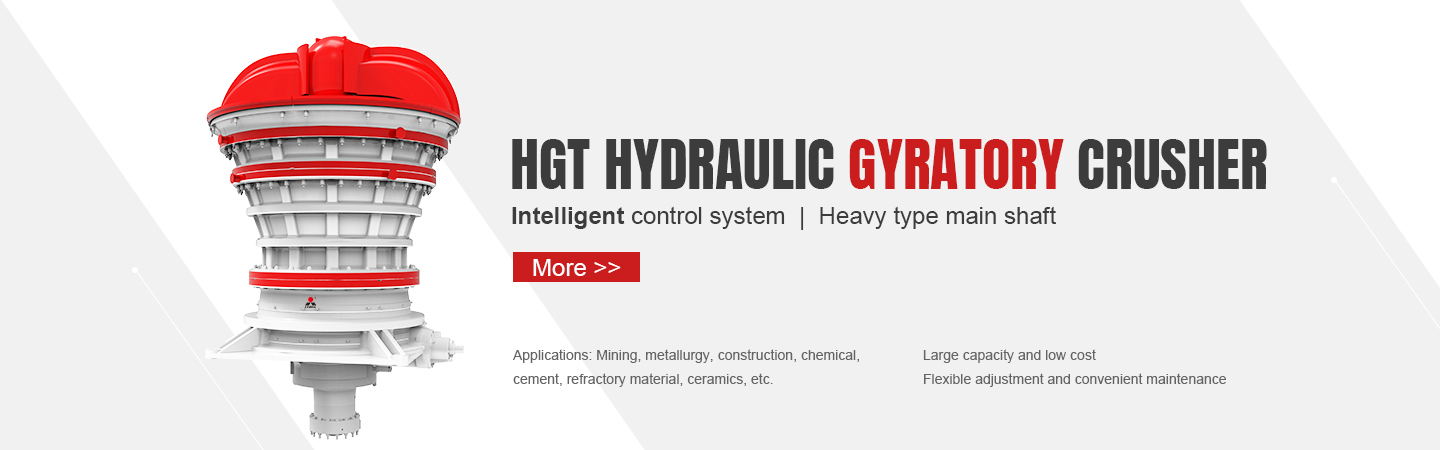
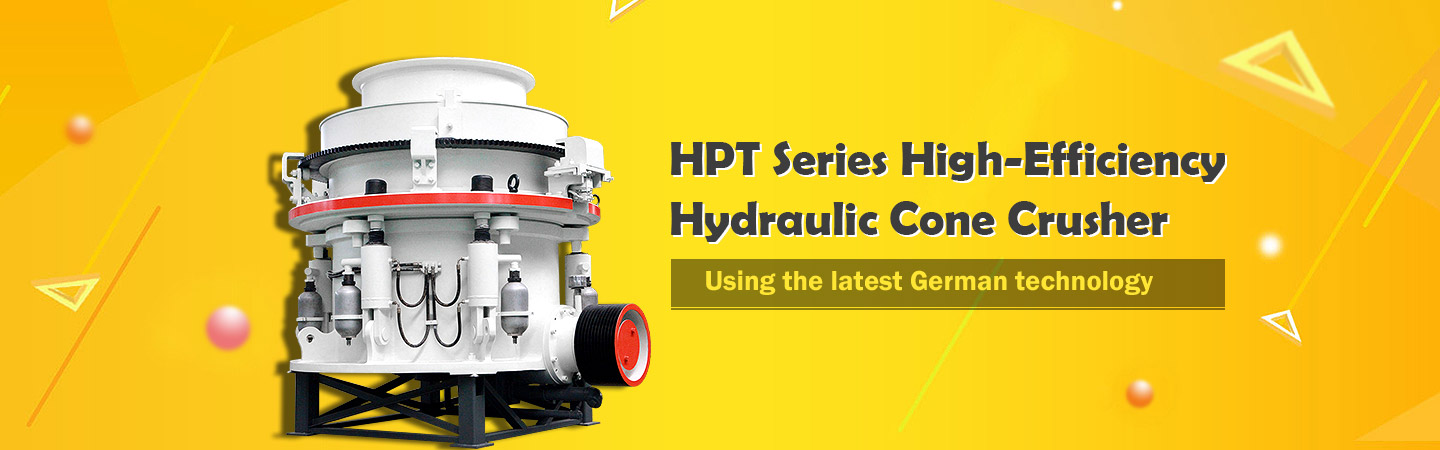
3. Cone Crusher (Secondary/Tertiary Crushing)
For harder limestone or high-production requirements, cone crushers offer reliable performance:
- Precision Crushing: Delivers consistent particle size distribution.
- Durability: Handles abrasive materials better than impact crushers in some scenarios.
- Automation Compatibility: Modern models integrate well with automated systems for optimized output.
Cone crushers are a preferred choice for quarries prioritizing product uniformity and minimal fines production.
4. Hammer Crusher (Cost-Effective Option)
Hammer crushers provide a budget-friendly solution for small to medium-sized limestone quarries:
- Simple Operation: Easy to maintain and repair locally.
- High Productivity: Efficient for soft to medium-hard limestone.
However, hammer crushers generate more fines and may not be suitable for high-abrasion environments without frequent part replacements. 
Key Selection Factors
When choosing a crusher for African limestone quarries, consider:
- Material Hardness & Abrasiveness – Determines wear resistance needs.
- Production Capacity – Matches quarry output goals.
- Maintenance Accessibility – Availability of spare parts and local technical support is crucial in remote locations.
Conclusion
The best crusher machine depends on specific quarry conditions—jaw crushers for primary crushing, impact or cone crushers for secondary/tertiary stages, and hammer crushers for cost-sensitive operations. Investing in durable, locally serviceable equipment ensures sustainable productivity in Africa’s diverse limestone quarries.