

Table of Contents
- 1. Assess Raw Material and Site Conditions
- 2. Determine Production Requirements
- 3. Select Crushing Equipment
- 4. Incorporate Screening Systems
- 5. Add Sand Washing (If Needed)
- 6. Design Material Handling & Conveying
- 7. Plan Stockpiling & Loading
- 8. Implement Dust & Noise Control
- 9. Automate for Efficiency
- 10.Test & Optimize the System
How to Build a Complete Sand and Gravel Production Line from Scratch
Building a sand and gravel production line requires careful planning, the right equipment selection, and efficient workflow design. Whether for construction, road building, or concrete production, a well-structured production line ensures high-quality output and cost-effectiveness. Here’s a step-by-step guide to setting up a complete system from scratch.
1. Assess Raw Material and Site Conditions
Before purchasing equipment, evaluate the raw materials (e.g., limestone, granite, basalt) for hardness, abrasiveness, and moisture content. Conduct geological surveys to determine deposit quality and volume. Additionally, analyze the site’s terrain, accessibility, and environmental regulations to ensure compliance.
2. Determine Production Requirements
Define the required output capacity (tons per hour), final product specifications (particle size, shape), and end-use applications (concrete sand, road gravel). This will dictate the type of crushers, screens, and washers needed. 
3. Select Crushing Equipment
A typical production line includes primary, secondary, and tertiary crushing stages:
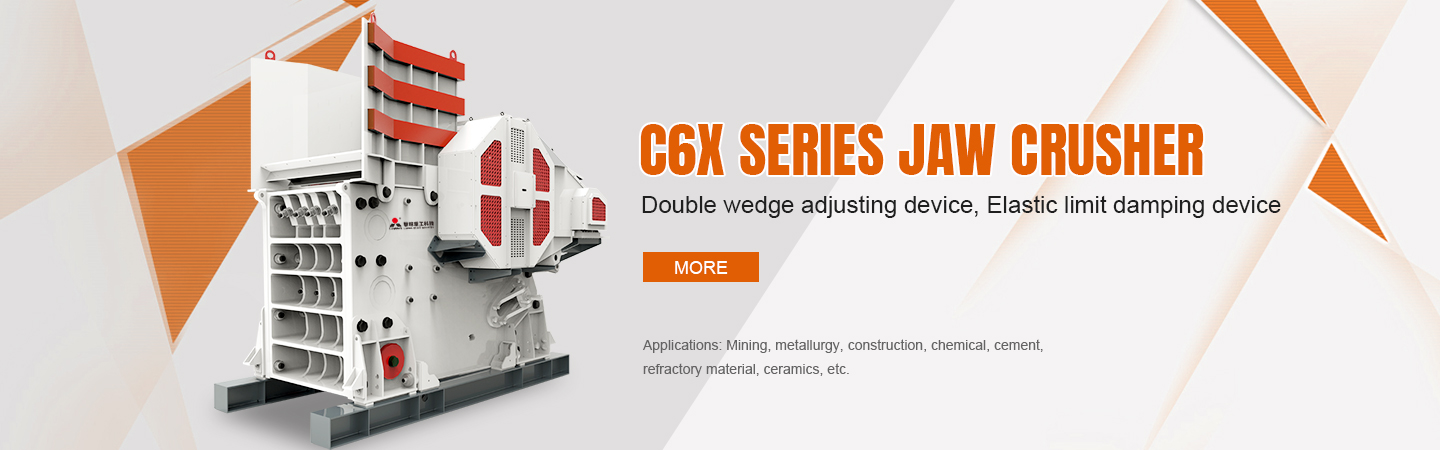
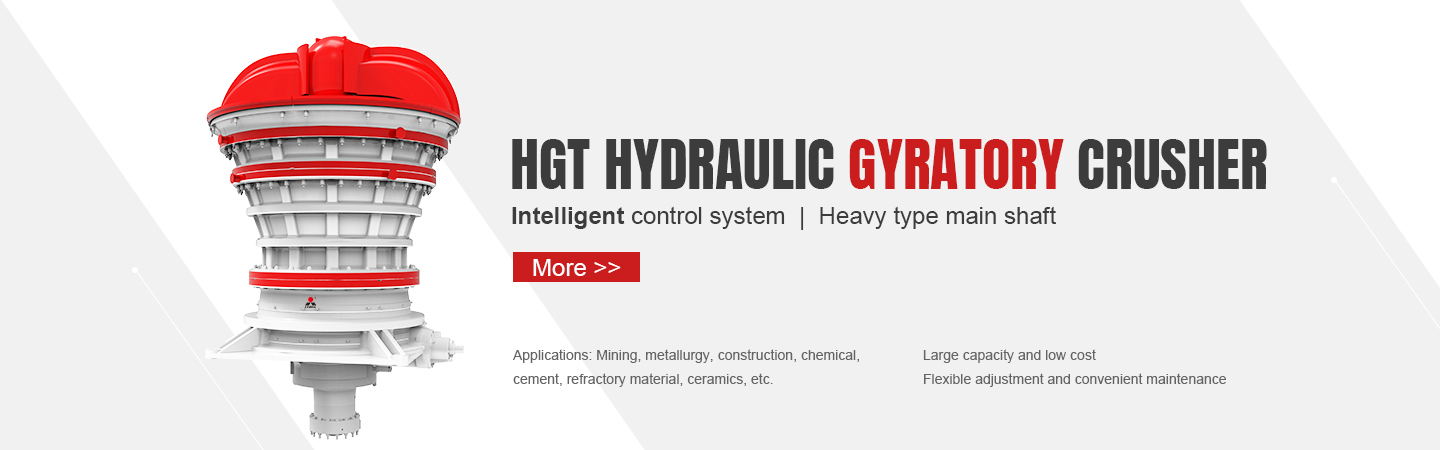
- Primary Crusher: Jaw crushers or gyratory crushers handle large rocks (up to 1.5m in diameter).
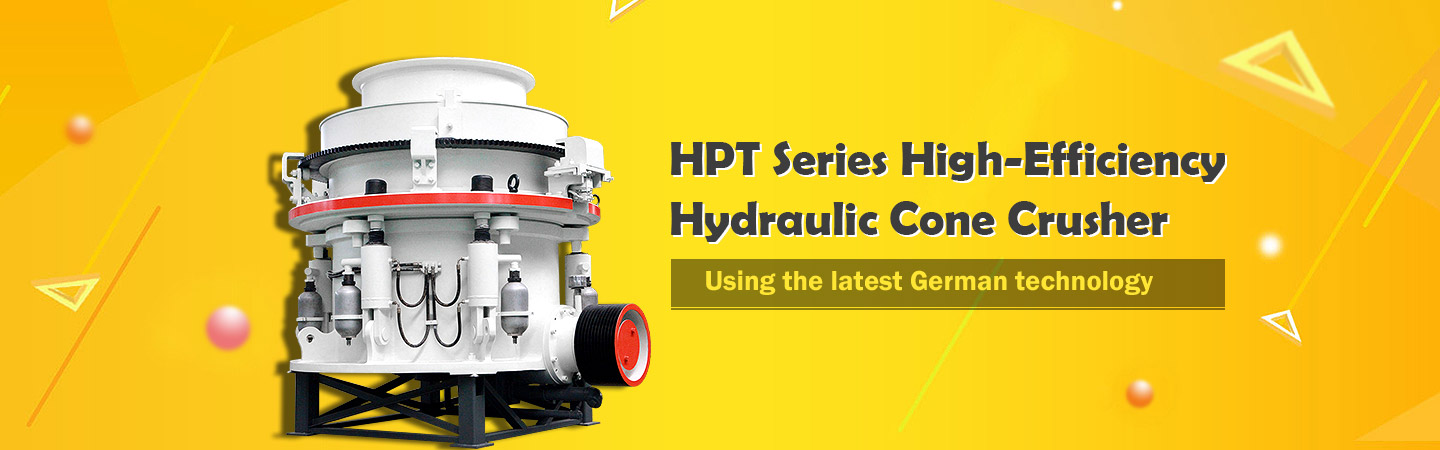
- Secondary Crusher: Cone crushers or impact crushers further reduce material to 50–100mm.
- Tertiary Crusher: Vertical shaft impactors (VSIs) produce finely shaped sand or cubical gravel.
4. Incorporate Screening Systems
Vibrating screens separate crushed material into different sizes before further processing or stockpiling:
- Pre-screening: Removes fines before crushing to improve efficiency.
- Post-crushing screening: Classifies material into saleable products (e.g., 0–5mm sand, 5–20mm gravel).
5. Add Sand Washing (If Needed)
For high-quality sand removal of clay, silt, and dust:
- Wheel washers are ideal for moderate cleaning with low water consumption.
- Log washers handle heavily contaminated materials but require more water and maintenance.
6. Design Material Handling & Conveying
Belt conveyors transport material between stages efficiently:
- Ensure proper incline angles to prevent spillage.
- Use transfer chutes to minimize dust and wear at connection points.
7. Plan Stockpiling & Loading
Radial stackers or fixed conveyors distribute finished products into segregated stockpiles. Front-end loaders or trucks then load materials for transport. 
8. Implement Dust & Noise Control
Install water spray systems at transfer points and enclosures for crushers/screens to meet environmental standards. Sound barriers may be necessary near residential areas.
9. Automate for Efficiency
Modern control systems monitor production rates, equipment health, and energy usage in real time to optimize performance and reduce downtime.
10.Test & Optimize the System
Run trial operations to fine-tune settings like crusher gaps or screen angles before full-scale production begins—adjust based on output quality feedback from customers or lab tests on gradation/shape properties of final products like ASTM C33 compliant concrete sand if required by market demand!
By following these steps systematically while prioritizing local regulations alongside operational goals—you can establish an efficient sand-and-gravel plant tailored precisely toward long-term profitability without unnecessary delays due unforeseen issues arising later down line during actual runtime phases!