Table of Contents
Iron Ore Mining Process and Machinery with Prices
Iron ore mining is a crucial industry that supplies the raw material for steel production. The process involves several stages, from exploration to extraction, processing, and transportation. Modern mining operations rely on advanced machinery to improve efficiency and reduce costs. Below is an overview of the iron ore mining process, key equipment used, and estimated prices. .jpg)
1. Exploration and Site Preparation
Before mining begins, geological surveys are conducted to identify viable deposits. Core drilling and sampling help determine ore quality and quantity. Once a site is selected, land clearing and infrastructure setup (roads, power, water) are completed.
2. Extraction Methods
Iron ore is extracted using two primary methods: 
- Open-Pit Mining: Used for near-surface deposits. Large-scale equipment such as draglines, excavators, and haul trucks remove overburden to access the ore.
- Underground Mining: Employed for deeper deposits. Techniques like block caving or sublevel caving are used with specialized machinery like loaders and drilling rigs.
3. Crushing and Screening
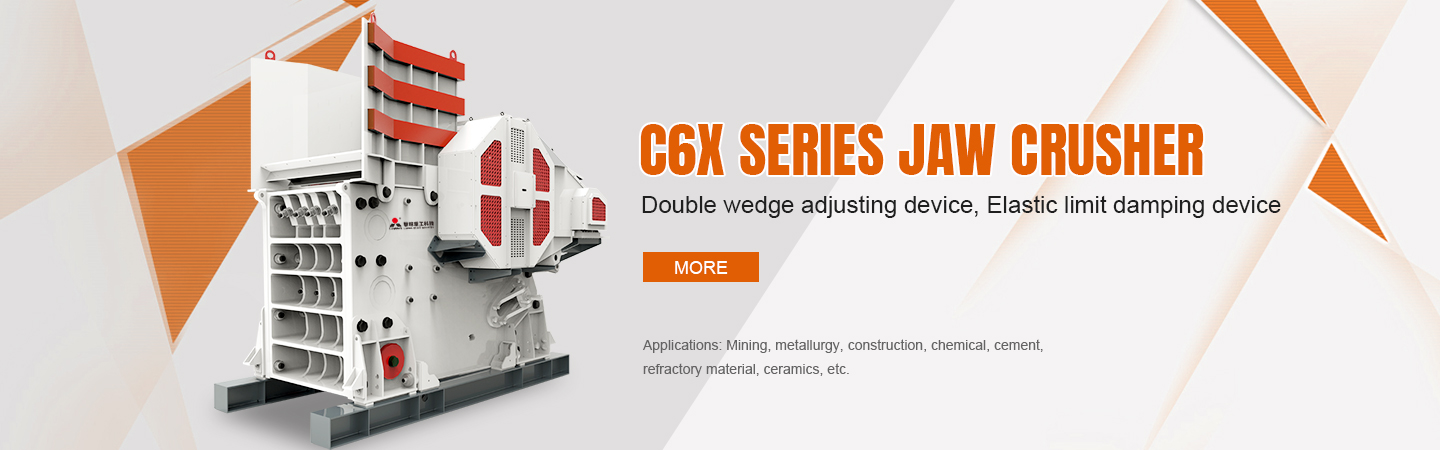
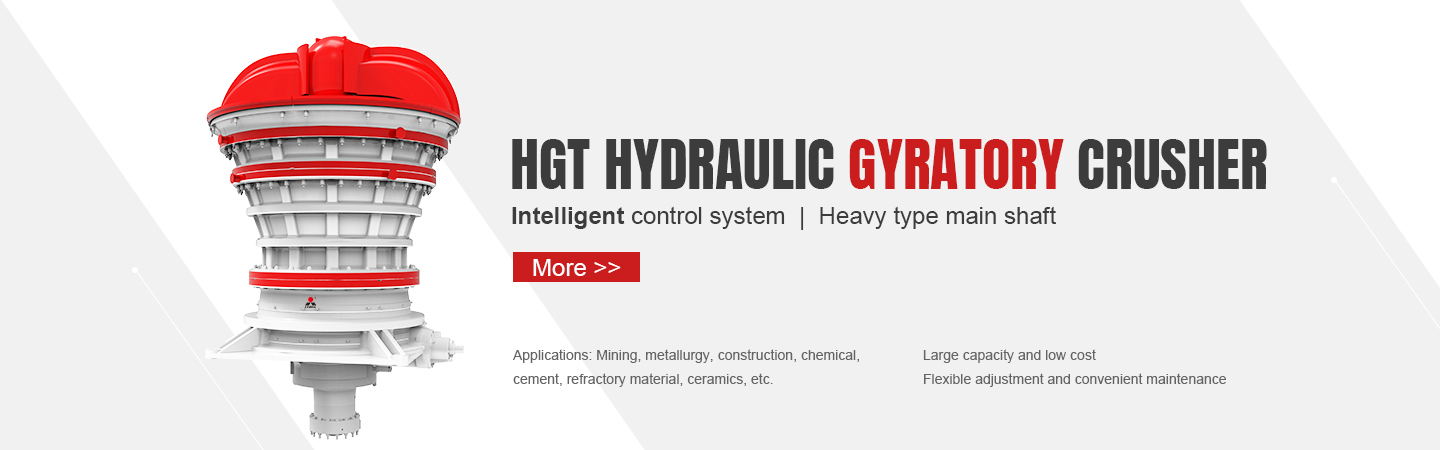
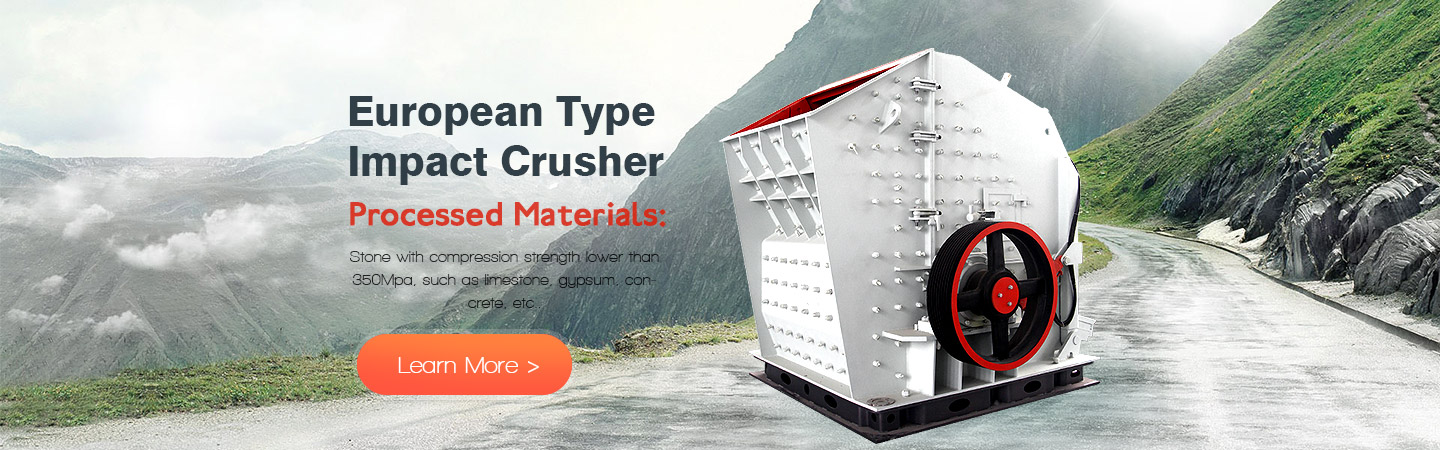
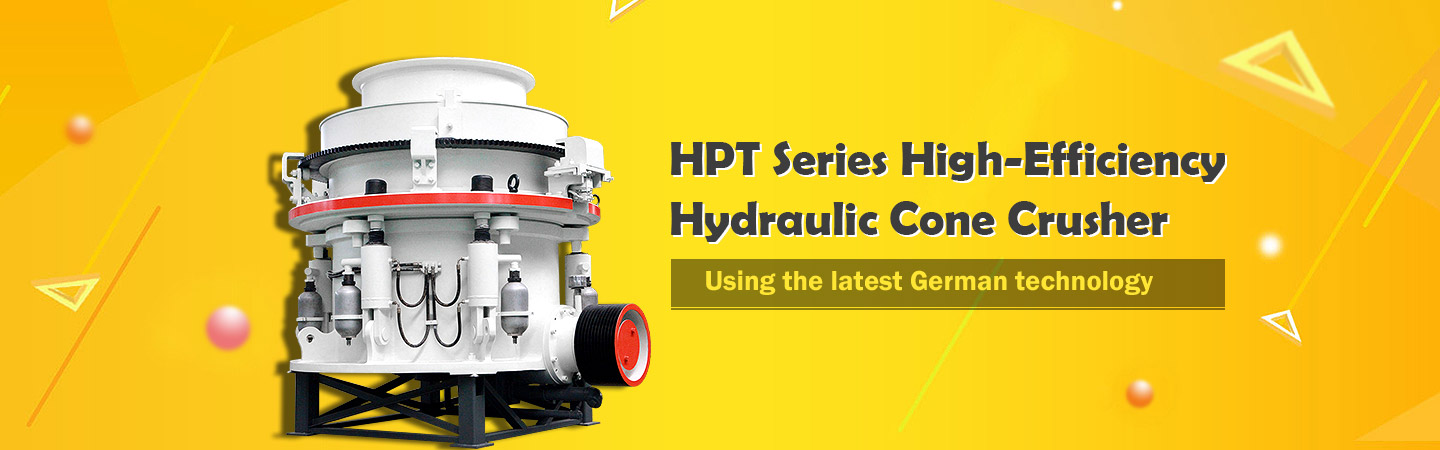
Extracted ore is transported to crushing plants where jaw crushers, cone crushers, or gyratory crushers break it into smaller pieces. Screens then separate the ore by size for further processing.
4. Beneficiation (Ore Processing)
Low-grade iron ore requires beneficiation to increase iron content:
- Magnetic Separation: Uses magnets to extract magnetite ores.
- Gravity Separation: Separates heavier iron particles from waste rock.
- Flotation: Chemicals help recover fine iron particles from slurry.
5. Pelletizing and Sintering
Processed ore may be pelletized (rolled into small balls) or sintered (heated to form clumps) for easier handling and improved blast furnace performance.
6. Transportation
Final products are transported via rail, ship, or truck to steel mills or export terminals.
Key Machinery Used in Iron Ore Mining
- Excavators & Shovels – Remove overburden and load ore ($500,000–$5M).
- Haul Trucks – Transport material ($1M–$6M per unit).
- Drilling Rigs – Create blast holes ($200,000–$2M).
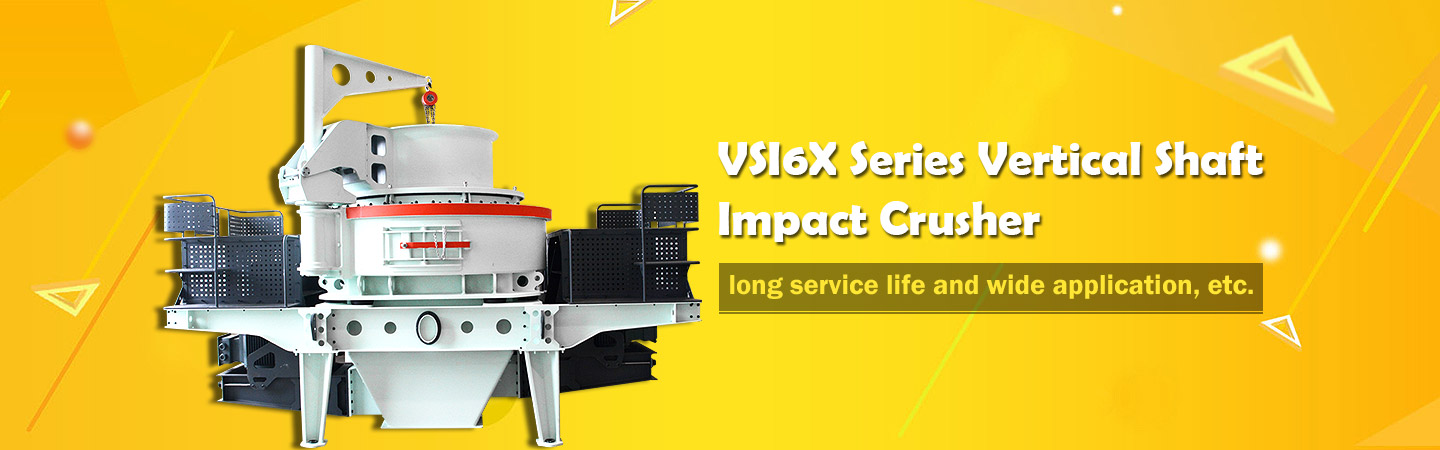
- Crushers & Screens – Break down ore ($100,000–$3M).
- Conveyor Systems – Move material efficiently ($50,000–$1M).
- Processing Plants – Beneficiation units ($2M–$50M).
Cost Factors in Iron Ore Mining
- Equipment prices vary based on size, brand (Caterpillar, Komatsu), and technology (automation features).
- Operational costs include fuel, labor, maintenance (~$10–$30 per ton of ore mined).
- Environmental compliance adds expenses for waste management and rehabilitation.
Conclusion
Iron ore mining relies on advanced machinery to maximize productivity while managing costs efficiently. Prices for equipment depend on scale and technology but remain a significant investment for mining companies worldwide. As demand for steel continues, optimizing extraction and processing methods will be key to sustaining profitability in this industry.