
Table of Contents
Iron Ore Mining Plants: Key Components and Operations
Iron ore mining plants play a critical role in global steel production, serving as the primary source of raw material for one of the world’s most essential industries. These facilities are designed to extract, process, and prepare iron ore for transportation to steel mills, where it is transformed into usable products. The efficiency and sustainability of these plants directly impact both economic and environmental outcomes. .jpg)
1. Extraction Methods
Iron ore is typically mined through two primary methods: open-pit and underground mining. Open-pit mining is the most common, involving large-scale removal of overburden to access ore deposits near the surface. This method is cost-effective for high-volume operations but requires significant land disturbance. Underground mining, though less common, is employed when ore bodies are located deep beneath the surface, minimizing surface impact but increasing operational complexity. .jpg)
2. Processing Stages
Once extracted, iron ore undergoes several processing stages to improve its quality and usability:
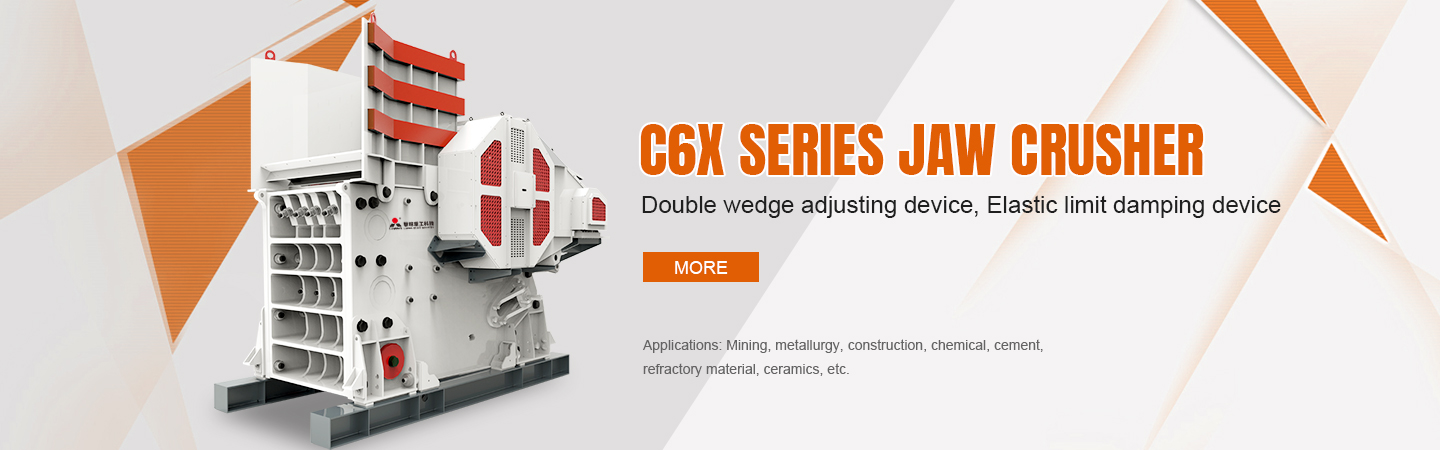
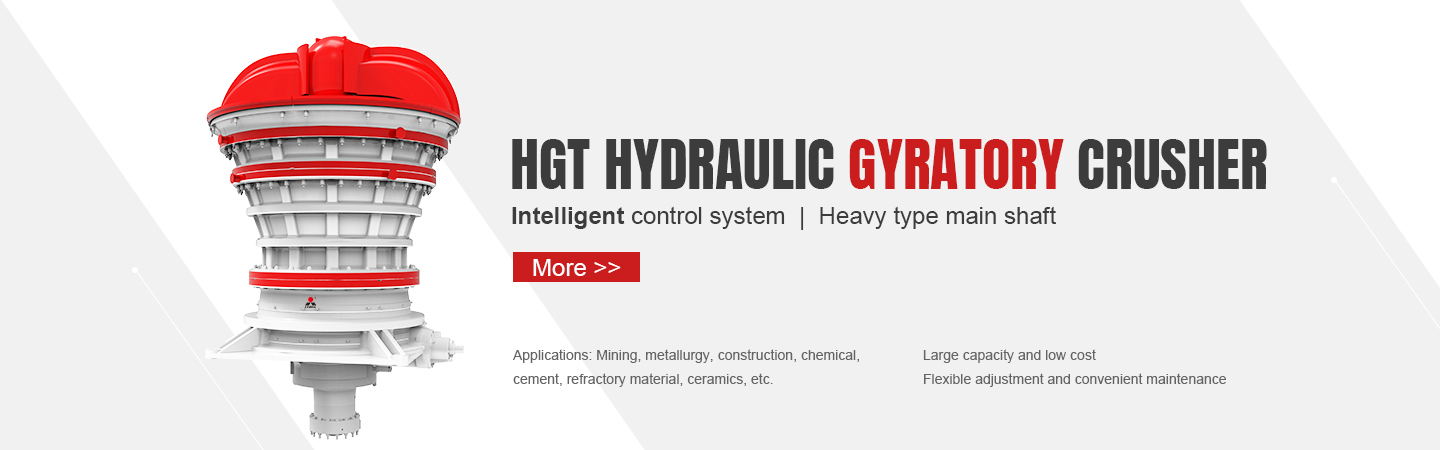
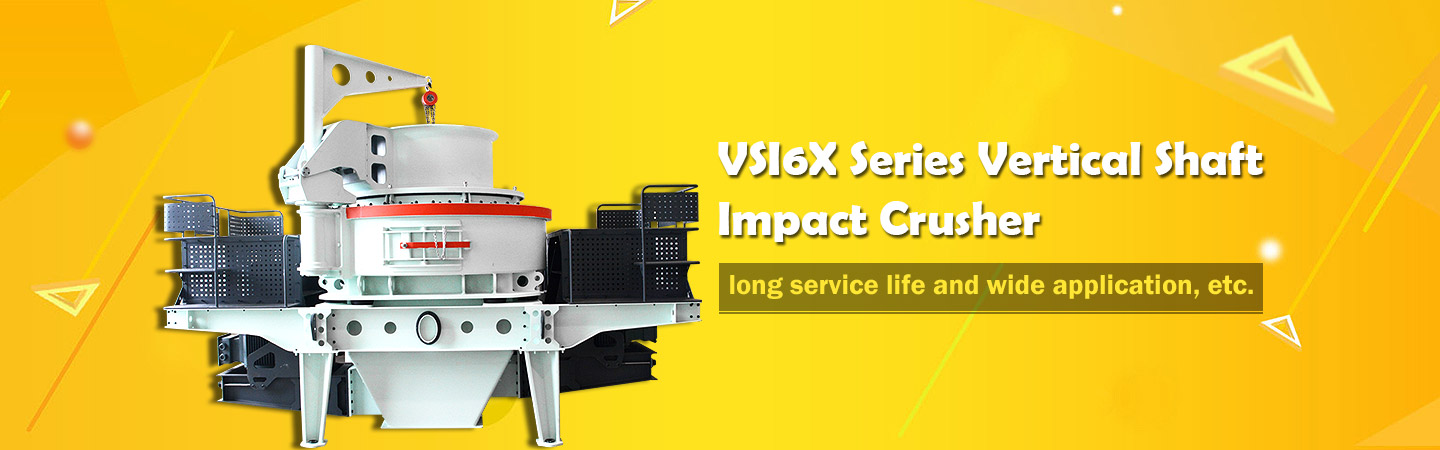
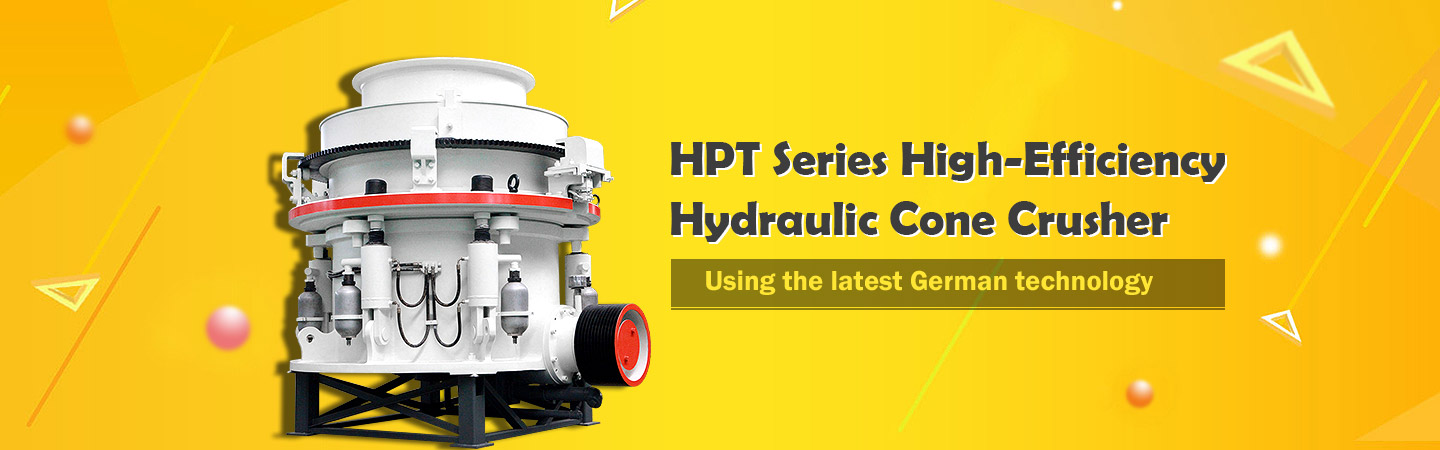
- Crushing and Screening: Raw ore is crushed into smaller fragments and screened to separate fine particles from larger chunks.
- Beneficiation: Low-grade ore often requires beneficiation to increase iron content. Techniques like magnetic separation, gravity separation, or flotation remove impurities such as silica and alumina.
- Pelletizing or Sintering: Processed ore may be agglomerated into pellets or sintered to enhance handling and smelting efficiency in blast furnaces.
3. Environmental Considerations
Mining plants face growing pressure to reduce their environmental footprint. Key measures include:
- Water Recycling: Closed-loop systems minimize freshwater consumption by reusing process water.
- Dust Suppression: Spray systems and vegetation cover reduce airborne particulate emissions.
- Rehabilitation: Progressive land restoration ensures mined areas are returned to stable ecological conditions post-operation.
4. Technological Advancements
Modern iron ore plants leverage automation and digital tools to optimize performance:
- Autonomous Haulage Systems (AHS): Driverless trucks improve safety and productivity in open-pit mines.
- Sensor-Based Sorting: Real-time ore analysis reduces waste by directing high-grade material to processing streams.
- Energy Efficiency: Electrification of equipment and renewable energy integration lower carbon emissions.
5. Economic Impact
Iron ore mining plants are major contributors to local and national economies, generating employment, infrastructure development, and export revenue—particularly in resource-rich regions like Australia, Brazil, and West Africa. However, dependence on commodity prices necessitates flexible operations to withstand market fluctuations.
Conclusion
Iron ore mining plants are complex industrial hubs that balance production demands with environmental responsibility. As steel demand continues rising—driven by construction and manufacturing—these facilities must innovate to meet sustainability goals while maintaining supply chain reliability. The future of iron ore mining lies in smarter technologies, stricter regulations, and collaborative efforts across the industry.