
Gold Mining Crushing and Processing Plant Costs: Key Factors and Considerations
Setting up a gold mining crushing and processing plant requires significant investment, with costs varying based on scale, technology, and location. Understanding these expenses is crucial for project planning and budgeting.
1. Crushing Plant Costs
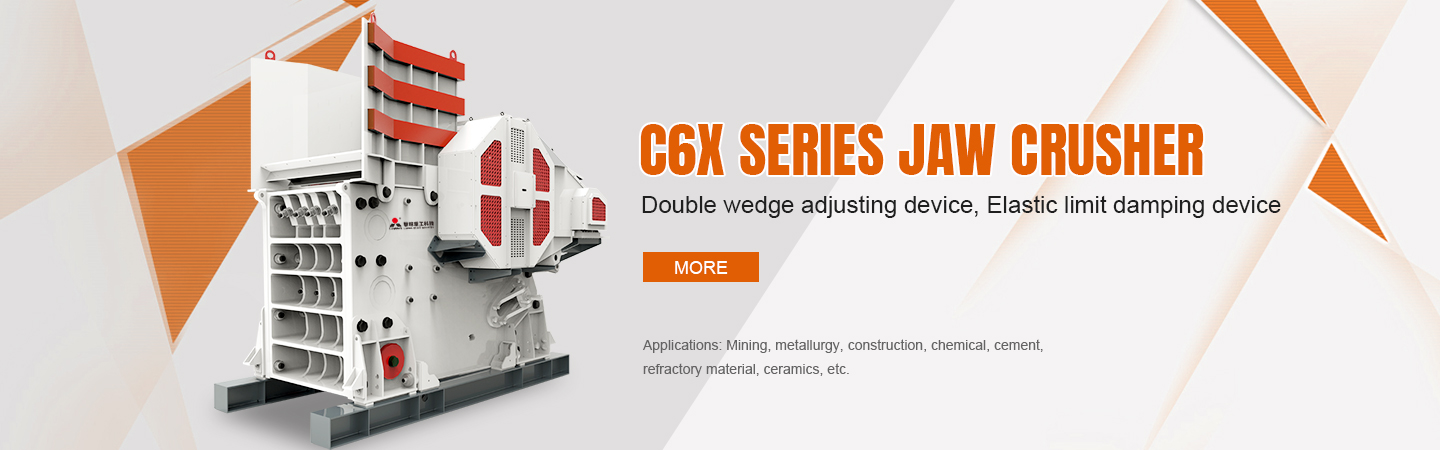
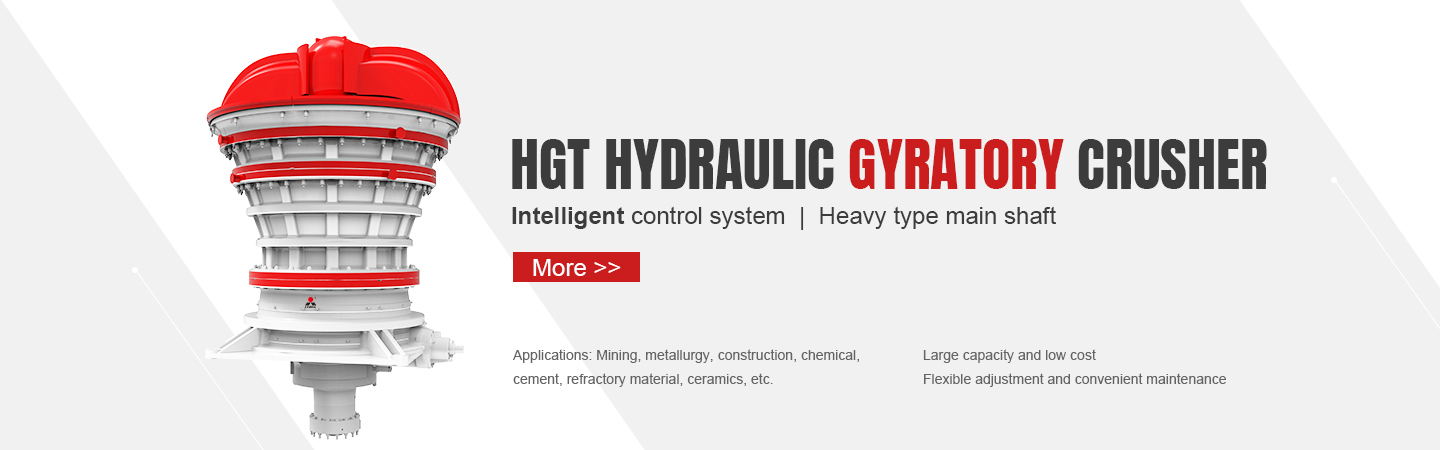
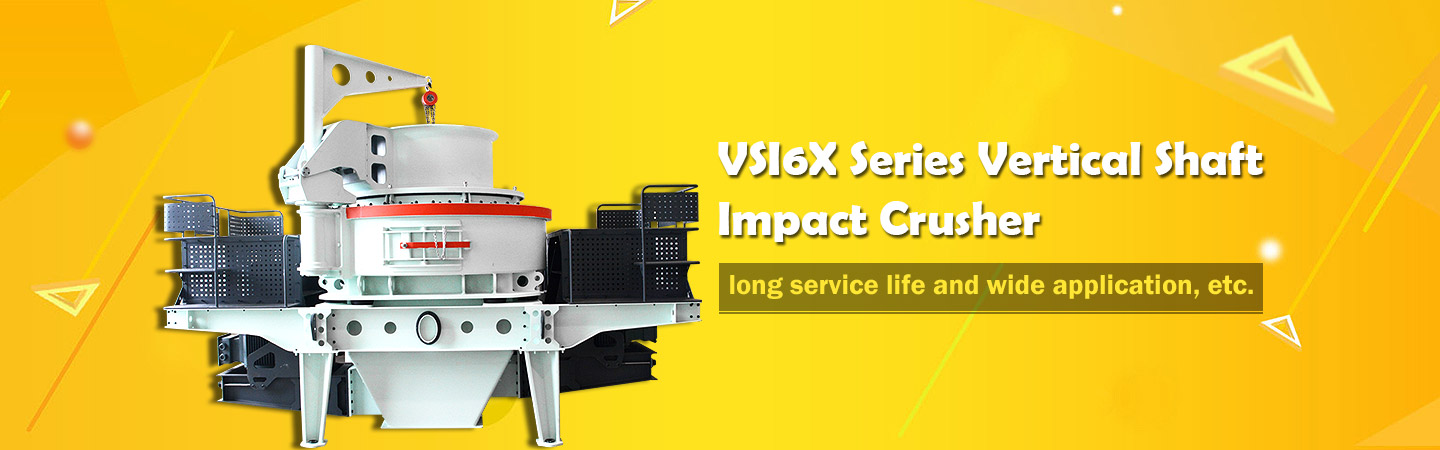
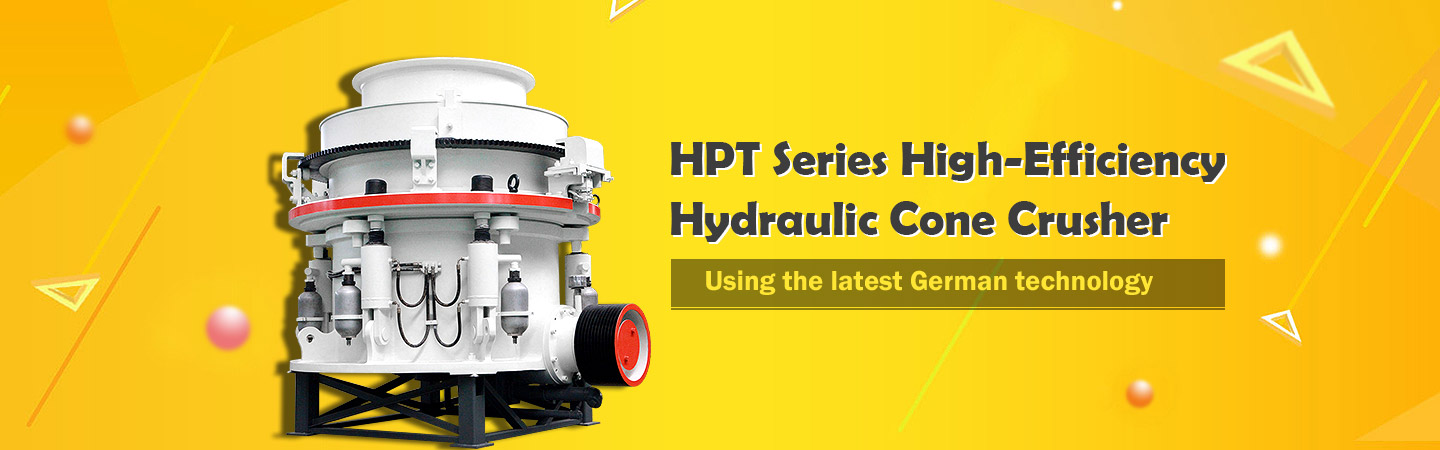
The primary crushing stage typically involves jaw or gyratory crushers, while secondary and tertiary stages use cone crushers or impactors. A medium-capacity plant (100–300 TPH) may cost between $1.5 million to $5 million, depending on equipment quality and automation levels. Factors influencing price include:
- Equipment selection: High-efficiency crushers (e.g., Nordberg® or Sandvik models) command premium prices but reduce long-term maintenance costs.
- Infrastructure: Remote sites require additional spending on power supply (generators vs. grid) and access roads.
- Labor: Automated systems lower manpower needs but increase upfront costs.
2. Processing Plant Expenses
Gold processing includes grinding, gravity separation, flotation, and leaching (e.g., carbon-in-pulp). A conventional CIP/CIL plant for 500 TPD (tons per day) ranges from $10 million to $30 million. Key cost drivers: 
- Ore characteristics: Refractory ores need roasting/bio-oxidation, adding $5M–$15M to capital costs.
- Recovery method: Heap leaching ($50–$100/ton) is cheaper than milling ($200–$400/ton) but yields lower recovery rates.
- Environmental compliance: Tailings management and cyanide detox systems account for 10–20% of total costs.
3. Operational Considerations 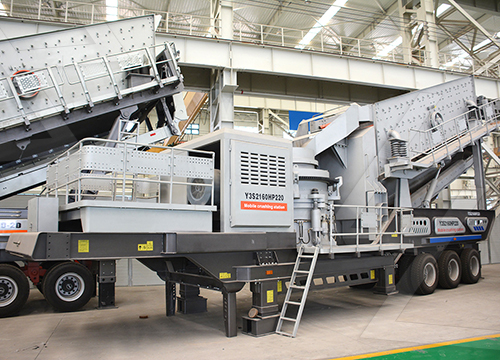
- Energy consumption: Milling/grinding consumes 50–70% of total energy; solar/hybrid solutions can cut costs in off-grid areas.
- Maintenance: Regular wear-part replacement (e.g., liners, pumps) adds $0.50–$2/ton processed annually.
Conclusion
Total costs for a mid-sized gold plant (crushing + processing) often exceed $15 million, with 40–60% allocated to equipment procurement. Cheaper modular plants ($2M–$8M) suit small-scale operations but sacrifice efficiency. Detailed feasibility studies and pilot testing are essential to optimize budgets before committing funds.