Table of Contents
- Why Gravel Sand Making Machines Are Essential for Azerbaijan’s Construction Boom
- Top Features to Look for in a Sand Making Machine for Azerbaijani Conditions
- How Gravel Sand Making Equipment Supports Infrastructure Development in Azerbaijan
- Best Sand Crushers and VSI Machines Compatible with Local Quarries in Azerbaijan
- Cost, Maintenance, and ROI of Sand Making Machines in Azerbaijani Projects
- Frequently Asked Questions
- What is a gravel sand making machine and how does it work in Azerbaijan’s construction industry?
- Why is artificial sand production important for Azerbaijan’s construction sector?
- Which type of sand making machine is best suited for Azerbaijan’s geological conditions?
- How do climate and environmental regulations in Azerbaijan impact sand making operations?
- What capacity range should a gravel sand making machine have for medium to large projects in Azerbaijan?
- Can gravel sand making machines process recycled construction waste in Azerbaijan?
- What maintenance protocols are essential for sand making machines operating in Azerbaijan?
- How does sand quality from a gravel sand making machine meet Azerbaijani construction standards?
- What are the power and infrastructure requirements for installing a sand making plant in Azerbaijan?
- Are there government incentives for investing in sand making technology in Azerbaijan?
- How can operators optimize sand yield and reduce waste in gravel sand making plants?
- What safety and training standards should operators follow for gravel sand making machines in Azerbaijan?
Azerbaijan’s construction sector is experiencing rapid growth, driven by urban development, infrastructure expansion, and increased investment in transportation networks—creating a surging demand for high-quality construction aggregates. At the heart of this evolution lies the need for efficient, reliable, and sustainable sand production solutions. Enter the gravel sand making machine: a cutting-edge innovation transforming raw materials into premium-grade sand with unmatched precision and productivity. Designed to meet the unique geological and industrial requirements of Azerbaijan, these high-efficiency machines deliver consistent particle shape, optimal gradation, and reduced waste, ensuring superior performance in concrete, roadwork, and building applications. Advanced crushing technology, energy efficiency, and low maintenance requirements make these systems ideal for both large-scale projects and localized production. As the nation advances toward modernized, eco-conscious construction practices, the gravel sand making machine emerges as a pivotal asset—bridging supply gaps, elevating material standards, and supporting Azerbaijan’s long-term development goals with intelligent, future-ready solutions.
Why Gravel Sand Making Machines Are Essential for Azerbaijan’s Construction Boom
-
High-quality construction aggregates are foundational to Azerbaijan’s accelerating infrastructure development, urban expansion, and transportation network modernization. As the nation undertakes major projects—from Baku’s urban renewal to regional road and rail developments—the demand for consistent, durable sand and gravel has surged. Natural sand resources, however, are becoming increasingly scarce and environmentally sensitive to extract. This scarcity necessitates a shift toward manufactured sand, where gravel sand making machines play a pivotal role.
-
Gravel sand making machines enable the transformation of locally available rock—such as limestone, basalt, or river gravel—into standardized, high-grade construction sand. These machines utilize advanced impact crushing, shaping, and grading technologies to produce aggregates with optimal particle size distribution, cubical shape, and minimal fines content. This precision ensures compliance with national and international construction standards, directly enhancing the strength and longevity of concrete and asphalt mixtures.
-
Azerbaijan’s geology offers abundant raw materials suitable for processing, but without mechanized sand production, inconsistencies in aggregate quality threaten structural integrity and project timelines. Sand making machines mitigate this risk by delivering uniform output at scale, reducing reliance on imported materials and lowering transportation costs. Furthermore, these systems are engineered for energy efficiency and low operational downtime, aligning with national goals for sustainable industrial growth.
-
Environmental compliance is increasingly critical in Azerbaijan’s construction sector. Traditional sand mining contributes to riverbed degradation and ecological disruption. In contrast, controlled sand production in closed-loop systems significantly reduces environmental impact, with modern machines incorporating dust suppression and water recycling features.
-
The integration of intelligent monitoring and automated feed controls in contemporary gravel sand making machines also enhances operational efficiency, allowing Azerbaijani producers to maintain output consistency while minimizing manual intervention. This technological edge supports the sector’s transition toward smart, data-driven production models.
-
Ultimately, gravel sand making machines are not merely equipment upgrades—they are strategic enablers of national development. By securing a sustainable, high-quality aggregate supply, they underpin the durability, cost-efficiency, and scalability of Azerbaijan’s construction ambitions.
Top Features to Look for in a Sand Making Machine for Azerbaijani Conditions
-
High resistance to abrasive materials: Azerbaijani aggregate feedstocks, particularly from the Lesser Caucasus regions, often contain quartz-rich and silica-dominant rock types known for high abrasiveness. The machine must feature wear-resistant materials in critical components—such as high-chrome alloy liners, tungsten carbide anvils, or ceramic-reinforced impact plates—to extend service life and reduce maintenance frequency.
-
Adaptive feed size tolerance: Given the variability in quarried stone sizes across regions like Nakhchivan and Goranboy, a sand making machine should handle a wide input range (typically 30–70 mm) without requiring excessive pre-crushing. This adaptability improves throughput efficiency and reduces upstream processing costs.
-
Optimized rotor design: A deep cavity rotor with balanced weight distribution ensures consistent particle acceleration and reduces vibration under continuous load. In Azerbaijan’s high-utilization construction environments, rotor durability directly impacts uptime. Look for rotors designed for hydrodynamic efficiency and balanced wear distribution to maintain performance over extended cycles.
-
Closed-circuit capability: Integration with screening and recirculation systems allows for precise control of final sand gradation. Given strict compliance requirements under TMK-01-2016 (Azerbaijani construction material standards), machines that support closed-loop operation ensure consistent output fineness modulus (2.6–3.0) and minimize waste.
-
Dust suppression compatibility: Arid climatic conditions in regions such as the Absheron Peninsula increase airborne particulate risks. Machines equipped with built-in misting nozzles or flange-ready dust extraction ports align with national environmental regulations and improve operator safety.
-
Modular and mobile configurations: For projects in remote or mountainous areas, such as in Qusar or Shaki, transportability and rapid deployment are critical. Track-mounted or trailer-based units with hydraulic folding mechanisms reduce setup time and logistical complexity.

-
Climate-resilient hydraulic and electrical systems: Operating temperatures in Azerbaijan range from sub-zero winters in the highlands to over 40°C in summer lowlands. Sealed bearings, corrosion-resistant coatings, and temperature-tolerant lubrication systems are essential for sustained performance.
-
Remote monitoring and diagnostics: Advanced models with IoT-enabled sensors allow real-time tracking of bearing temperature, vibration levels, and wear rates—critical for predictive maintenance in continuous-operation sites common in Baku’s urban development zones.
Prioritizing these features ensures operational efficiency, regulatory compliance, and long-term cost-effectiveness in Azerbaijan’s evolving construction aggregate sector.
How Gravel Sand Making Equipment Supports Infrastructure Development in Azerbaijan
-
Gravel sand making equipment plays a pivotal role in advancing Azerbaijan’s infrastructure development by ensuring a consistent, high-quality supply of construction aggregates essential for roads, bridges, residential complexes, and industrial facilities. As the nation continues to modernize its urban and transportation networks under strategic development initiatives, the demand for durable and precisely engineered aggregates has intensified, necessitating advanced sand manufacturing solutions.
-
Modern gravel sand making machines, particularly vertical shaft impact crushers (VSI) and hybrid tertiary crushing systems, deliver superior particle shape, gradation control, and production efficiency. These characteristics are critical for producing aggregates that meet Azerbaijani and international construction standards, especially in high-load applications such as highway pavements and reinforced concrete structures.
-
Azerbaijan’s geographically diverse terrain—spanning mountainous regions, coastal plains, and seismic zones—requires construction materials with enhanced mechanical properties. Sand making equipment enables the transformation of locally available raw materials, including river gravel and quarry by-products, into engineered aggregates with optimal strength, low water absorption, and high resistance to weathering. This localized production model reduces dependency on imported materials, cuts transportation costs, and supports sustainable resource utilization.
-
The integration of automated control systems and modular plant designs allows for rapid deployment and scalability, aligning with the dynamic timelines of infrastructure projects across Baku, Ganja, and regional development corridors. These systems ensure consistent output under variable feed conditions, minimizing downtime and maximizing operational efficiency.
-
Furthermore, gravel sand making equipment contributes to environmental sustainability by facilitating the recycling of construction and demolition waste into usable aggregates. This capability supports Azerbaijan’s growing emphasis on green construction practices and circular economy principles within the built environment.
-
With infrastructure investment projected to rise in alignment with national economic diversification goals, the role of high-efficiency sand making technology will remain integral to ensuring material reliability, cost-effectiveness, and long-term structural integrity across the country’s expanding construction landscape.
Best Sand Crushers and VSI Machines Compatible with Local Quarries in Azerbaijan
-
High-efficiency sand crushing and VSI (Vertical Shaft Impact) machines are critical for Azerbaijan’s construction aggregate sector, where local quarries face variable rock hardness, moisture levels, and logistical constraints. The optimal equipment must balance durability, throughput, and adaptability to regional feed materials such as basalt, limestone, and river pebbles.
-
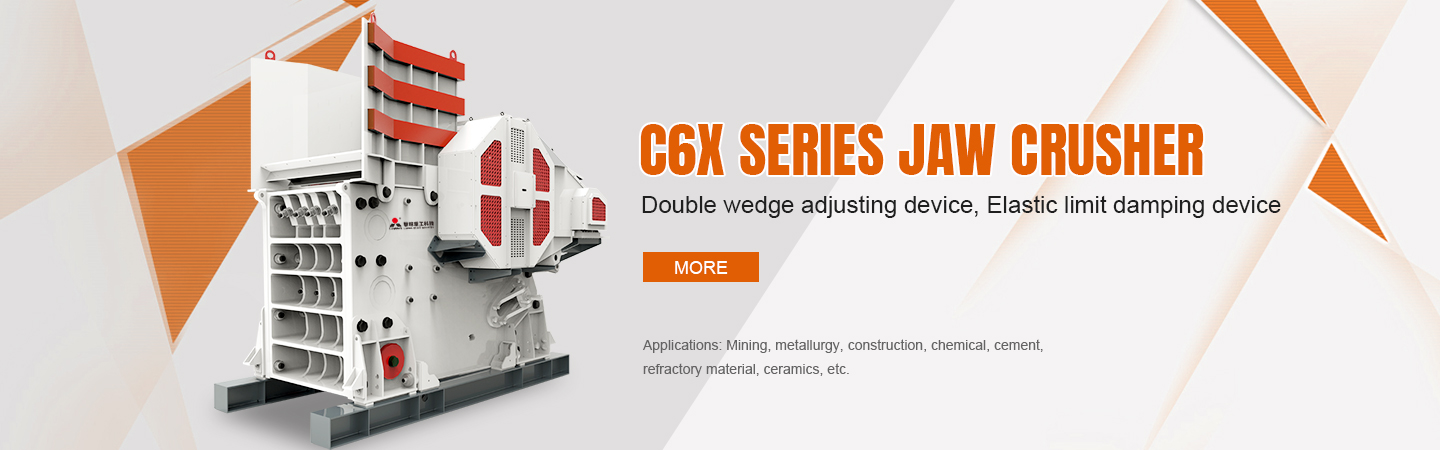
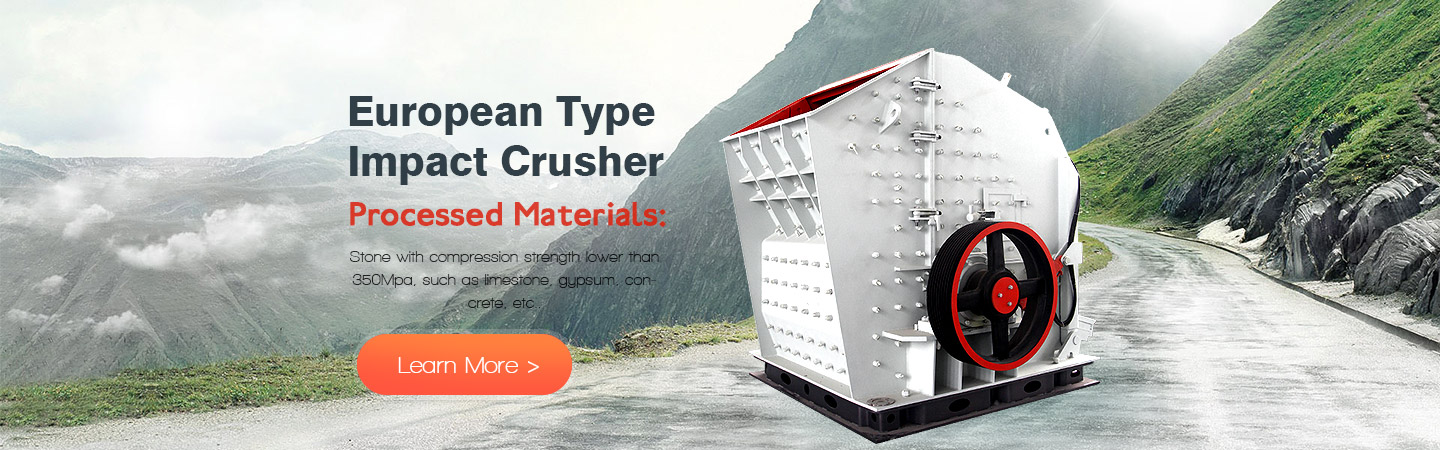
Primary jaw crushers from manufacturers like ZWC Outotec and Sandvik are widely deployed in Azerbaijani operations for initial reduction due to their robustness and low maintenance demands. These serve as reliable feed preparation units for downstream VSI systems. For secondary and tertiary crushing, impact crushers such as the Terex Finlay IC-1310 provide high cubicity output suitable for premium concrete applications.
-
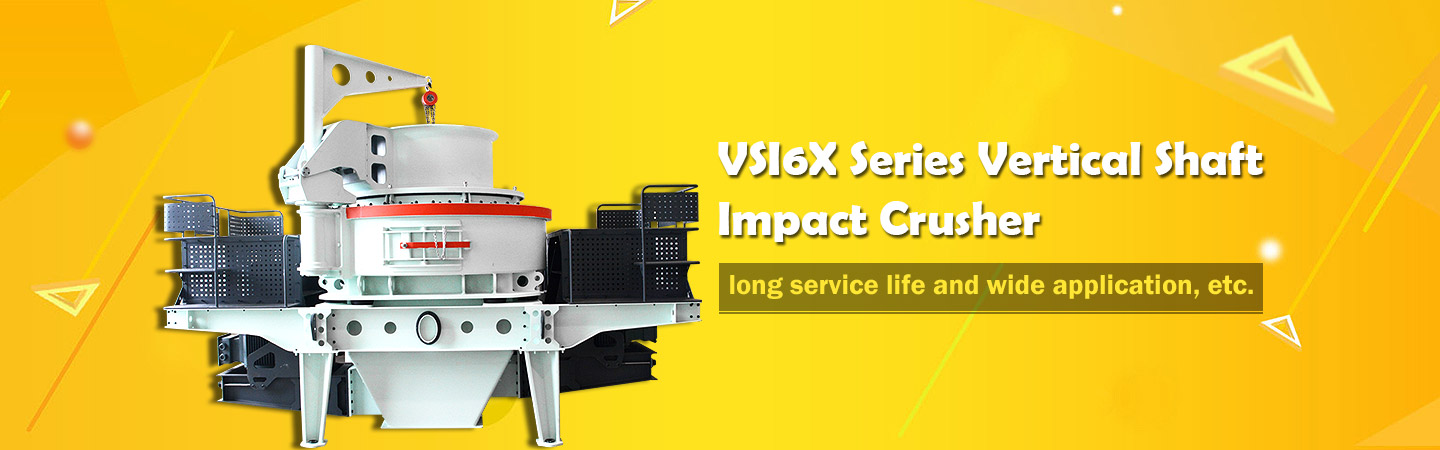
VSI machines are the cornerstone of modern sand production in Azerbaijan, particularly models engineered for artificial sand shaping. The Barmac® B Series VSI crushers (ZWC Outotec) deliver consistent particle shape and gradation, essential for meeting national construction standards. These units perform exceptionally with harder rock types common in the Greater Caucasus region, where angular particle interlock enhances structural integrity in concrete.
-
For mid-scale operations in regions like Ganja or Nakhchivan, the Sandvik QI442 and Powerscreen Warrior 1400 offer scalable solutions with modular design and ease of transport—critical for quarries with limited infrastructure. Their auto-control systems adjust rotor speed and feed rate in real time, optimizing energy use and reducing wear in abrasive feed conditions.
-
Local compatibility also hinges on service support and spare parts availability. Turkish and Chinese OEMs such as SBF Made and Camelway have gained traction due to shorter supply chains and competitive servicing networks in Azerbaijan. However, for long-term operational efficiency and reduced downtime, European-engineered machines with local technical partners (e.g., ZWC’s Baku service center) remain preferred for high-capacity sites.
-
Power efficiency and water usage are additional considerations, especially in arid zones. Dry processing VSIs with air classification systems minimize water dependency, aligning with environmental regulations in protected quarrying areas.
-
Integration with screening and washing units (e.g., McLanahan or CDE sand screws) ensures final product consistency, achieving exact specifications for fine modulus and silt content required by Baku’s expanding infrastructure projects.
-
In sum, the best-performing sand crushing and VSI configurations in Azerbaijan combine proven mechanical design with regional adaptability, supported by responsive technical ecosystems and alignment with local geological and regulatory conditions.
Cost, Maintenance, and ROI of Sand Making Machines in Azerbaijani Projects
-
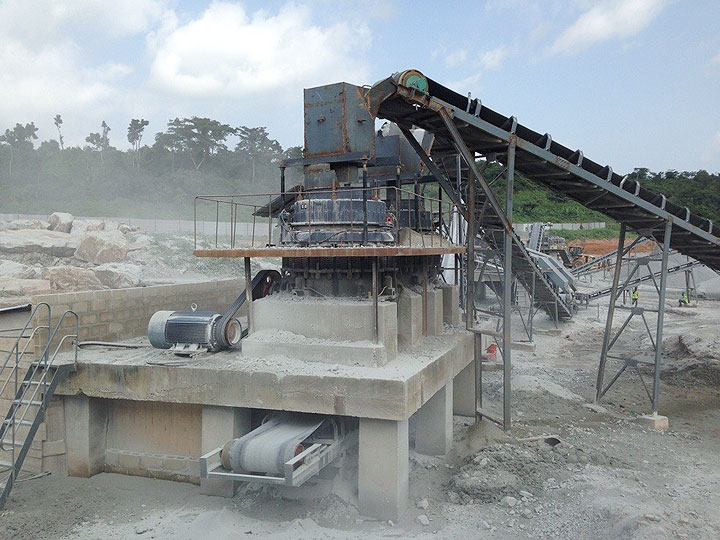
Sand making machines deployed in Azerbaijani construction aggregate operations entail a significant initial capital outlay, typically ranging from $80,000 to $250,000 depending on model capacity, automation level, and integration requirements. High-efficiency vertical shaft impact (VSI) crushers dominate the market due to their ability to produce well-graded, cubically shaped sand meeting national construction standards.
-
Operational costs are influenced by energy consumption, wear part replacement, and labor. Modern VSI units in Azerbaijan’s mid-sized plants consume 30–50 kWh per ton of sand produced, with electricity representing 60–70% of ongoing expenses. Given Azerbaijan’s competitive industrial energy tariffs—averaging $0.07–$0.09/kWh—energy efficiency directly impacts cost per ton. Wear components such as anvils, liners, and rotors require scheduled replacement every 600–1,200 operating hours depending on feed material abrasiveness; local availability of spare parts remains limited, often necessitating procurement from international suppliers, which adds 10–15% to maintenance budgets.
-
Preventive maintenance is critical to ensuring consistent output and minimizing unplanned downtime. Best-practice operators in Baku and Ganja implement bi-weekly inspections, lubrication audits, and vibration monitoring, reducing failure rates by up to 40%. Training local technicians in diagnostic protocols has proven cost-effective, lowering reliance on foreign service teams.
| Factor | Typical Range in Azerbaijani Context |
|---|---|
| Initial Investment | $80,000 – $250,000 |
| Energy Cost per Ton | $2.10 – $4.50 |
| Maintenance Cost (Annual) | 8–12% of machine value |
| Payback Period | 14–22 months |
- Return on investment is driven by local demand for construction sand, which has grown at 6.3% CAGR over the past five years due to urban development and infrastructure projects such as the Baku Circular Road and Absheron housing initiatives. Selling machine-made sand at $18–$24 per ton (versus $30+ for natural river sand) enables rapid cost recovery. Facilities operating at 70% capacity or higher typically achieve ROI within 18 months. Integration with existing crushing circuits further enhances profitability by reducing feed preparation costs.
Frequently Asked Questions
What is a gravel sand making machine and how does it work in Azerbaijan’s construction industry?
A gravel sand making machine, commonly known as a VSI (Vertical Shaft Impact) crusher, is a high-efficiency machine used to produce artificial sand from gravel, rocks, or quarry by-products. In Azerbaijan, where demand for construction aggregates is growing rapidly due to infrastructure expansion, these machines are critical for transforming locally available basalt, limestone, or river gravel into high-grade construction sand. The VSI operates by accelerating raw material through a high-speed rotor, causing particles to collide and fracture into cubical, uniformly sized sand—ideal for concrete and asphalt applications.
Why is artificial sand production important for Azerbaijan’s construction sector?
Artificial sand production is vital in Azerbaijan due to strict environmental regulations on river sand mining and rising demand for quality building materials in urban development projects such as those in Baku, Ganja, and the Absheron Peninsula. Natural sand reserves are limited and ecologically sensitive, making manufactured sand a sustainable, consistent, and cost-effective alternative. Gravel sand making machines enable local producers to meet national construction standards while reducing dependence on imports and minimizing environmental degradation.
Which type of sand making machine is best suited for Azerbaijan’s geological conditions?
For Azerbaijan’s diverse geology—characterized by hard basalt, limestone, and quartz-rich aggregates—the Vertical Shaft Impact (VSI) crusher is optimal. Specifically, models like the Barmac-type VSI are recommended due to their ability to handle high-abrasion materials efficiently with low wear costs. These machines deliver superior grain shape and gradation required for high-strength concrete used in seismic-resilient buildings, which is essential in Azerbaijan’s earthquake-prone regions.
How do climate and environmental regulations in Azerbaijan impact sand making operations?
Azerbaijan’s semi-arid to subtropical climate, particularly in industrial zones, demands equipment with dust suppression and water recycling systems to comply with environmental regulations enforced by the Ministry of Ecology and Natural Resources. Sand making machines deployed should include integrated dust collectors, closed-circuit washing systems, and noise enclosures to meet compliance standards. Additionally, the government’s emphasis on green construction encourages the use of dry-type screening and electrostatic precipitators in gravel sand production plants.
What capacity range should a gravel sand making machine have for medium to large projects in Azerbaijan?
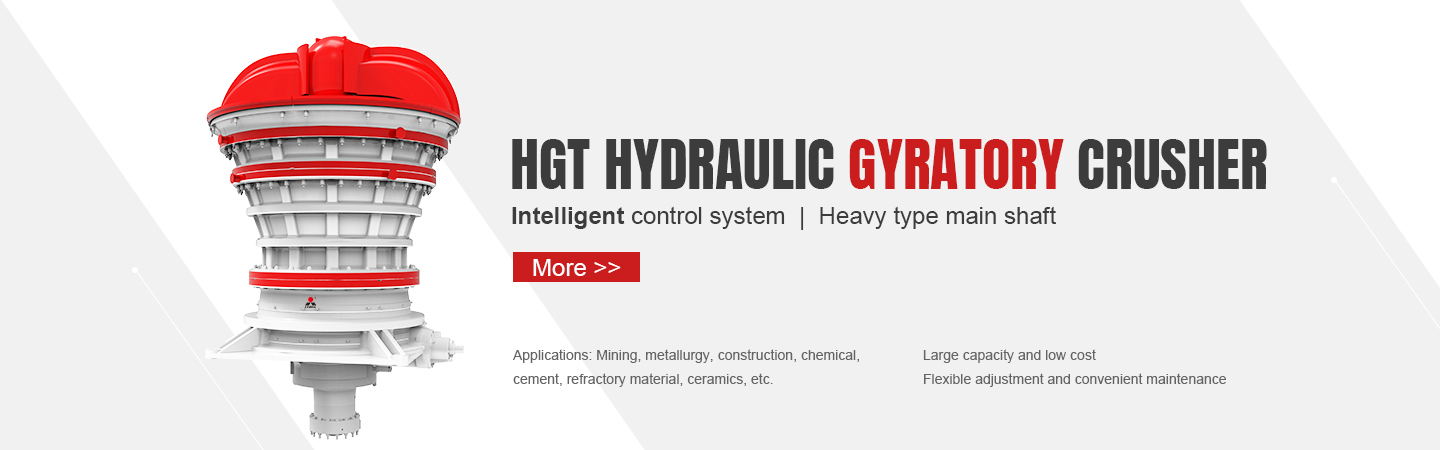
For medium to large-scale operations—such as supplying material for metro expansions, highways, or housing projects—gravel sand making systems should ideally operate between 50 to 300 tons per hour (TPH). A modular plant configuration combining jaw crushers, cone crushers, and a VSI crusher ensures flexibility and scalability. In Azerbaijan, integrated 100–200 TPH plants are most common, balancing efficiency with operational cost and ease of transport across varied terrain.
Can gravel sand making machines process recycled construction waste in Azerbaijan?
Yes, modern VSI-based sand making machines can effectively process recycled concrete and construction debris into high-quality artificial sand. In Azerbaijan, where urban redevelopment generates significant construction waste, recycling through sand making plants supports circular economy goals. Advanced models feature adjustable feed controls and metal detectors to handle heterogeneous input, producing sand that meets ASTM and GOST standards for secondary aggregates.
What maintenance protocols are essential for sand making machines operating in Azerbaijan?
Routine maintenance is critical due to abrasion from hard rock materials and variable operating conditions. Key protocols include weekly inspection of wear parts (e.g., blow bars, liners, and rotor components), monthly alignment checks, lubrication system monitoring, and real-time vibration analysis. Operators in Azerbaijan should source OEM-certified spare parts and adhere to preventive maintenance schedules using IoT-enabled monitoring systems, which are increasingly adopted in modern quarry operations across the Caspian region.
How does sand quality from a gravel sand making machine meet Azerbaijani construction standards?
Sand produced by advanced VSI crushers complies with GoS (State Standard) of Azerbaijan and international benchmarks like EN 12620 and ASTM C33. Key quality indicators—such as fineness modulus (2.6–3.0), silt content (<3%), and particle shape (cubicity >85%)—are achieved through precise rotor speed control, air classification, and multi-stage screening. Producers in Azerbaijan must conduct regular third-party lab testing and obtain certification from the State Agency on Standardization, Metrology, and Patents.
What are the power and infrastructure requirements for installing a sand making plant in Azerbaijan?
Sand making plants require stable 6–10 kV power supply and 3-phase electricity, commonly available in industrial zones near Baku, Sumgait, and Mingachevir. A 150 TPH plant typically demands 250–400 kW, necessitating backup generators in areas with grid instability. Additionally, access to water (for wet processing), haul roads, and proximity to raw material sources are critical. Integration with solar hybrid systems is emerging in remote regions to reduce operational carbon footprint and energy costs.
Are there government incentives for investing in sand making technology in Azerbaijan?
Yes, the Azerbaijani government promotes domestic aggregate production through tax incentives, simplified licensing under the ASAN xidmət system, and inclusion in priority investment projects within the “National Economy Development Plan.” Investors in eco-friendly sand making plants may access customs duty exemptions on imported machinery and benefit from the Free Economic Zones (e.g., Sumgait FEZ), which offer reduced corporate tax rates and streamlined export procedures.
How can operators optimize sand yield and reduce waste in gravel sand making plants?
Optimization is achieved through closed-circuit crushing with multi-deck screens and air classifiers that separate fines precisely. Implementing AI-driven process control systems allows real-time adjustment of feed rate, rotor speed, and cascade ratio, maximizing yield and minimizing ultra-fines. In Azerbaijan, pairing VSI crushers with modular washing plants has reduced material loss by up to 25%, improving profitability and sustainability in commercial operations.
What safety and training standards should operators follow for gravel sand making machines in Azerbaijan?
Operators must comply with Azerbaijan’s Labor Code and industrial safety regulations set by the State Labor Inspectorate. Mandatory training includes equipment operation, lockout/tagout procedures, PPE usage, and emergency response. Certified training programs from OEMs (e.g., ZWC, Sandvik) are recommended, and plants should conduct quarterly safety drills. Remote monitoring and automated shutdown systems further enhance operational safety in high-throughput environments.