
Table of Contents
- Why Italy Needs Advanced Dolomite Sand Making Technology
- Key Components of a High-Performance Dolomite Sand Production Line
- Meeting Italian Construction Standards with Engineered Dolomite Sand
- Environmental and Operational Advantages of Modern Sand Making Plants
- Optimizing Dolomite Processing for Italian Quarries and Infrastructure Projects
- Frequently Asked Questions
- What is a Dolomite Sand Making Plant and Why is it Relevant for Italy?
- How Does a Dolomite Sand Making Plant Differ from a Standard Quarry Operation?
- What Equipment is Essential in a High-Efficiency Dolomite Sand Making Plant?
- How Can Dolomite Manufactured Sand Meet Italian Construction Standards?
- What Are the Environmental Considerations for Operating a Dolomite Sand Plant in Italy?
- Can Dolomite Sand Replace Natural Sand in Italian Infrastructure Projects?
- What Are the Key Site Selection Criteria for a Dolomite Sand Plant in Italy?
- How Do Automation and Industry 4.0 Enhance Dolomite Sand Plant Performance?
- What Maintenance Protocols Ensure Longevity of a Dolomite Sand Plant?
- How Is Dust and Noise Controlled in an Italian Dolomite Sand Plant?
- What Are the Typical Capital and Operational Costs for a Dolomite Sand Plant in Italy?
- How Can a Dolomite Sand Plant Support Italy’s Green Building and Circular Economy Goals?
Italy’s construction industry stands at the forefront of innovation, where tradition meets cutting-edge sustainability—ushering in a new era of eco-conscious building practices. At the heart of this evolution lies the dolomite sand making plant, a transformative solution designed to meet the growing demand for high-quality, environmentally responsible construction materials. Dolomite, renowned for its strength, durability, and natural abundance in the Italian geology, offers an ideal raw material for producing premium manufactured sand. Advanced sand making plants leverage precision engineering to crush, shape, and grade dolomite into consistent, specification-ready aggregates—perfect for concrete, asphalt, and structural applications. These plants not only enhance material performance but also significantly reduce environmental impact by minimizing quarry waste and lowering reliance on natural sand extraction. For Italian contractors, developers, and municipalities committed to sustainable infrastructure, investing in a dolomite sand making plant is more than a practical choice—it’s a strategic step toward greener, smarter, and more resilient construction across the nation.
Why Italy Needs Advanced Dolomite Sand Making Technology
-
Italy’s construction sector faces mounting pressure to reconcile infrastructure development with environmental stewardship, resource efficiency, and compliance with stringent EU sustainability directives. The country’s reliance on natural sand, traditionally sourced from riverbeds and quarries, is no longer viable due to ecological degradation, regulatory restrictions, and supply chain volatility. This necessitates a strategic shift toward engineered construction materials—specifically, advanced dolomite sand production.
-
Dolomite, abundant in regions such as the Dolomites and Lombardy, presents a geologically and chemically suitable alternative for manufactured sand. However, conventional crushing and screening methods fail to yield consistent gradation, particle shape, and low micro-fines content required for high-performance concrete. Advanced dolomite sand making technology—featuring vertical shaft impactors (VSI), precise air classification, and closed-loop moisture control—ensures optimal particle morphology, cubical shape, and adherence to UNI EN 12620 standards for aggregates in concrete.
-
Italy’s seismic retrofitting programs, transportation infrastructure upgrades, and urban regeneration projects demand materials with superior durability, bond strength, and long-term performance. Dolomite sand, when produced with precision, enhances concrete workability, reduces cement consumption, and improves resistance to freeze-thaw cycles—critical in alpine and coastal environments. Furthermore, engineered sand reduces variability in mix design, directly contributing to structural reliability and compliance with technical specifications under DM 17/01/2018 (NTC2018).
-
From a sustainability standpoint, advanced sand making enables full utilization of quarry by-products and minimizes over-extraction of natural resources. Integrated dry or hybrid processing systems reduce water consumption—an essential advantage in drought-prone regions such as Sicily and Sardinia. Closed-circuit plants with real-time monitoring and dust suppression align with Italy’s National Energy and Climate Plan (NECP) and circular economy goals.
-
Investment in smart, automated dolomite sand plants also strengthens domestic supply chain resilience. It reduces dependency on imported sand and mitigates logistics bottlenecks in densely populated areas. With Industry 4.0 integration, these systems offer predictive maintenance, energy optimization, and traceability—key for BIM-driven construction and green public procurement.
Italy’s transition to advanced dolomite sand production is not merely a technical upgrade—it is a strategic imperative for sustainable, code-compliant, and future-ready construction.
Key Components of a High-Performance Dolomite Sand Production Line
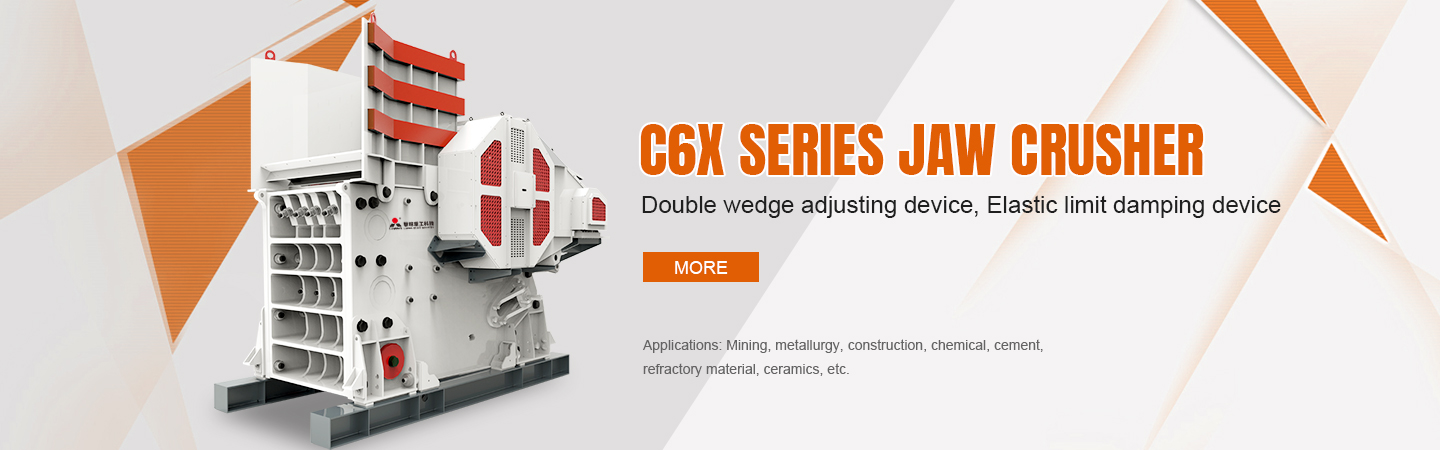
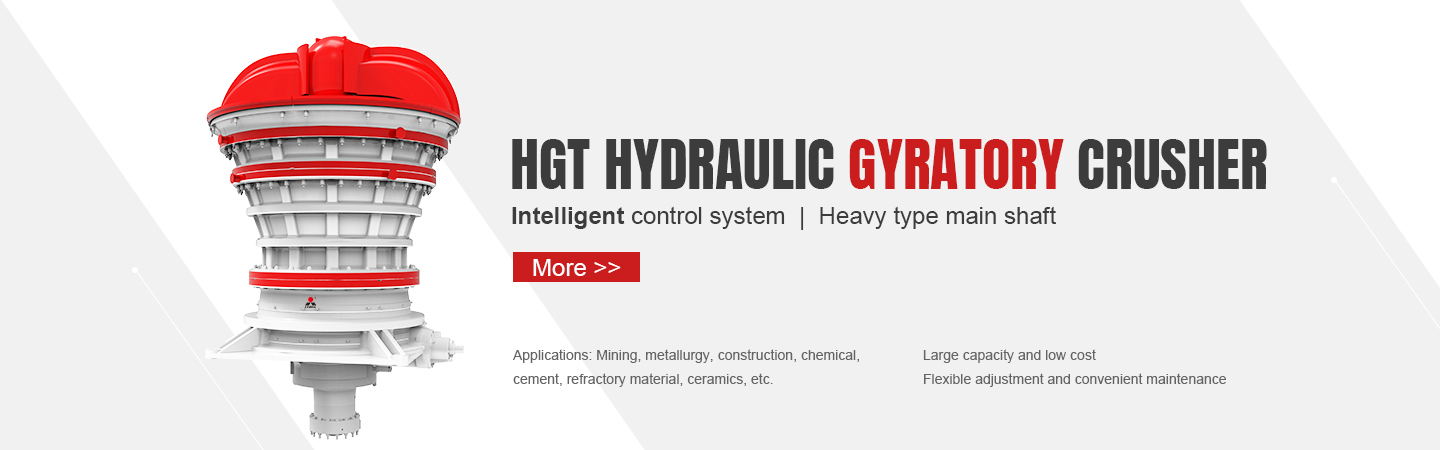
- Primary crusher (jaw or gyratory crusher)
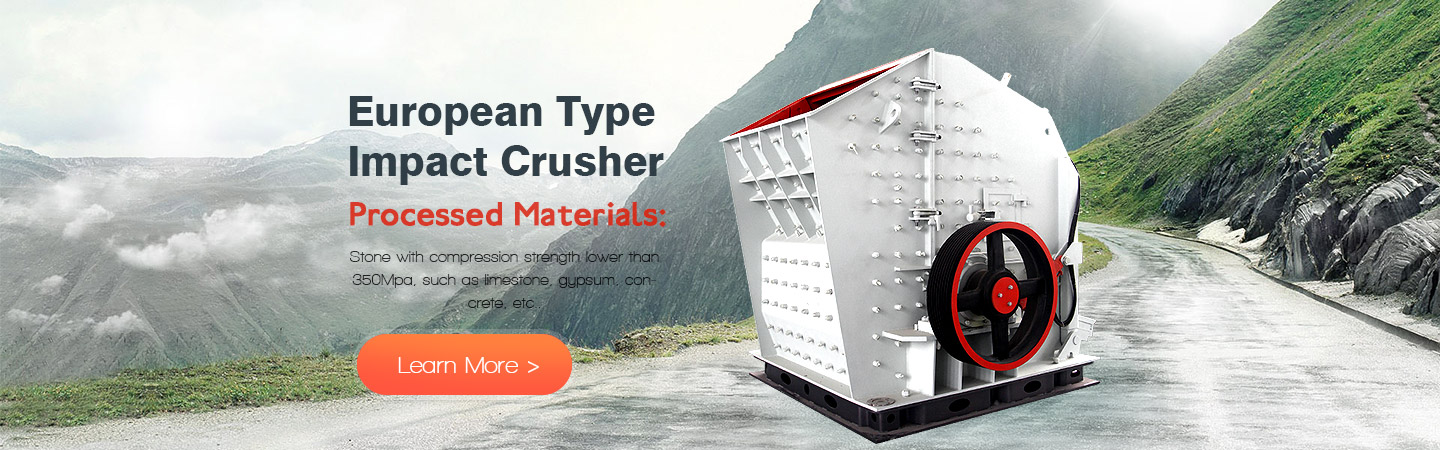
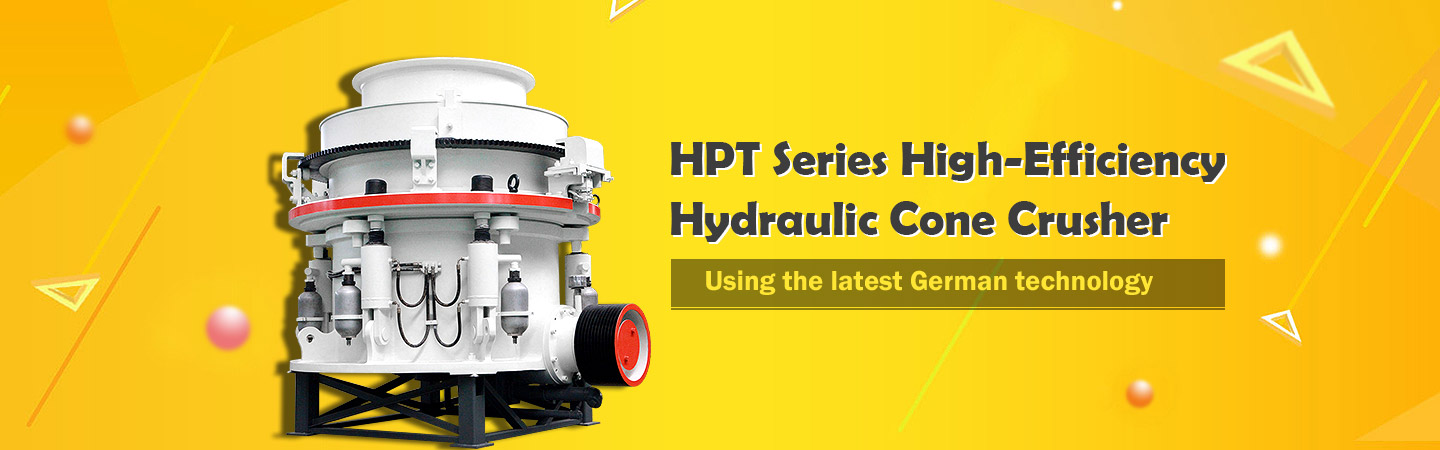
- Secondary crusher (cone or impact crusher)
- Tertiary crusher (vertical shaft impact crusher, VSI)
- Vibrating feeders and conveyors
- Screening units (incl. air sieving or high-frequency screens)
- Dust collection and suppression systems
- Moisture control mechanisms
- Centralized control and monitoring system
A high-performance dolomite sand production line integrates precision-engineered components to ensure maximum efficiency, product consistency, and operational sustainability. The process begins with a robust primary crushing stage, typically utilizing a jaw or gyratory crusher to reduce large dolomite boulders into manageable feed sizes. This stage sets the foundation for downstream efficiency and must be optimized for consistent throughput and minimal wear.
Secondary crushing employs cone or impact crushers to further reduce particle size, preparing the material for the crucial shaping phase. The tertiary stage relies on a vertical shaft impact (VSI) crusher, which is pivotal in producing high-quality, cubically shaped sand with superior particle morphology. The VSI crusher enables precise control over gradation, meeting stringent construction standards required in Italian infrastructure projects.
Efficient material handling is ensured through vibrating feeders and a continuous conveyor system, designed to minimize blockages and maintain steady flow. Screening units, often incorporating high-frequency or air-sieving technology, separate the final product into precise fractions, ensuring compliance with EN 12620 for aggregates used in concrete.
Dust management is integral to environmental compliance and worker safety. High-efficiency dust collectors—such as cartridge filters or baghouses—coupled with water spray systems, mitigate airborne particulates throughout the plant. Given dolomite’s low moisture affinity, integrated moisture control systems prevent material adhesion and ensure stable processing.
Automation plays a critical role. A centralized PLC-based control system monitors crusher performance, feed rates, screen efficiency, and energy consumption in real time. Remote diagnostics and predictive maintenance algorithms reduce downtime and extend equipment life.
Finally, the entire configuration must align with EU environmental directives and Italian acoustics and emissions regulations. Modular design facilitates scalability, ease of maintenance, and rapid deployment—critical for projects with evolving demand. Together, these components ensure a reliable, sustainable supply of engineered dolomite sand for high-performance concrete, road bases, and specialty construction applications.
Meeting Italian Construction Standards with Engineered Dolomite Sand
-
Engineered dolomite sand has emerged as a pivotal material in meeting Italy’s stringent construction standards, particularly within the context of seismic resilience, durability, and environmental compliance. Italian building codes, such as NTC 2018 (Norme Tecniche per le Costruzioni), emphasize material consistency, particle gradation, and mechanical performance—criteria that engineered dolomite sand meets through precision processing and mineralogical stability.
-
Unlike natural river sand, which varies in composition and may contain deleterious substances, engineered dolomite sand is produced under controlled conditions in advanced crushing and classification plants. This ensures consistent grain size distribution, angular particle shape, and low moisture content—key attributes for optimal concrete workability, strength development, and long-term structural integrity. The high magnesium calcium carbonate content in dolomite enhances resistance to sulfate attack and alkali-silica reaction, both critical concerns in Italy’s diverse climatic and geological zones.
-
In seismic-prone regions, where ductility and load-bearing reliability are paramount, concrete mixes incorporating engineered dolomite sand demonstrate improved cohesion and reduced segregation. Studies conducted in collaboration with Italian technical universities confirm that mortars using this material achieve compressive strength values exceeding 45 MPa at 28 days, aligning with structural grade requirements for residential and infrastructure projects.
-
Environmental compliance is equally addressed. Dolomite sand production leverages sustainable quarrying practices and closed-loop water recycling systems, minimizing ecological disruption. Furthermore, its use supports circular economy initiatives by reducing reliance on depleted natural sand deposits, thereby complying with EU and Italian environmental directives, including Legislative Decree 152/2006.
-
Compatibility with industrial additives and supplementary cementitious materials ensures seamless integration into high-performance concrete formulations. The material’s low water absorption and thermal stability also contribute to enhanced curing behavior and reduced shrinkage cracking—factors directly influencing service life and maintenance costs in Italian infrastructure projects.
-
As Italy advances its sustainable construction agenda, engineered dolomite sand represents a technically sound, code-compliant, and environmentally responsible solution—positioning modern dolomite sand plants as essential contributors to the nation’s resilient and low-impact built environment.
Environmental and Operational Advantages of Modern Sand Making Plants
- Utilizes closed-circuit crushing and screening systems to minimize material loss and ensure consistent granulometry, enhancing raw material efficiency
- Integrates advanced dust suppression technologies, including centralized bag filters and misting systems, achieving compliance with Italy’s stringent air quality regulations (EU Directive 2008/50/EC)
- Employs wet processing or hybrid dry-wet configurations to control particulate emissions, particularly critical in densely populated or ecologically sensitive regions of northern Italy
- Incorporates modular plant designs that reduce on-site construction time, lowering the carbon footprint associated with installation and commissioning
- Features energy-efficient vertical shaft impact (VSI) crushers with adjustable rotor speeds, reducing specific energy consumption by up to 25% compared to conventional horizontal shaft impactors
- Adopts variable frequency drives (VFDs) across conveyor and pump systems to match energy input with production demand, optimizing electrical load and reducing grid strain
- Implements real-time monitoring via SCADA systems, enabling predictive maintenance and minimizing unplanned downtime, thus improving overall equipment effectiveness (OEE)
- Achieves water recycling rates exceeding 90% through closed-loop hydrocyclone and thickener setups, crucial in regions facing seasonal water stress
- Reduces truck transport frequency through on-site stockpiling automation and batch loading controls, cutting logistics-related emissions and traffic impact
- Supports circular economy objectives by enabling the use of processed construction and demolition waste as partial feedstock, aligning with Italy’s National Waste Prevention Programme
Modern dolomite sand making plants are engineered to reconcile high-volume production with environmental stewardship. By integrating precision crushing technology with ecological safeguards, these installations significantly reduce their operational footprint while meeting the strict material specifications required for Italian concrete, mortar, and precast applications. Automation and remote diagnostics further ensure consistent product quality—typically achieving a micro-fine modulus of 2.6–3.0 and silt content below 3%—without compromising sustainability metrics. The alignment with EN 12620:2018 standards for aggregates in concrete underscores their technical credibility. Furthermore, noise attenuation measures—such as acoustic enclosures and vibration-damped foundations—limit sound emissions to below 75 dB(A) at 10 meters, facilitating coexistence with residential zones. These operational and environmental attributes position advanced sand making plants not only as production assets but as strategic enablers of sustainable infrastructure development across Italy’s evolving construction landscape.
Optimizing Dolomite Processing for Italian Quarries and Infrastructure Projects
-
Implementation of advanced crushing and screening technologies tailored to the geological properties of Italian dolomite ensures optimal particle shape and size distribution for construction applications. Given the variable hardness and silica content across Apennine and Alpine deposits, primary jaw and secondary cone crushers configured for controlled reduction ratios enhance throughput while minimizing wear costs.
-
Closed-circuit vertical shaft impact (VSI) crushing is recommended for tertiary processing, producing sand with superior angularity and gradation compliance for high-performance concrete. Integration of air classification systems post-crushing allows precise control of fines content (typically 5–15% passing 75 µm), aligning with UNI EN 12620 standards for fine aggregates in structural concrete.
-
Water management systems, including high-efficiency hydrocyclones and dewatering screens, reduce effluent discharge and enable >90% water recirculation—critical for operations in ecologically sensitive regions such as the Dolomites, where regulatory compliance with Italian Legislative Decree 152/2006 is mandatory.
-
Real-time quality monitoring via on-line particle analyzers (e.g., laser diffraction systems) at transfer points enables immediate feedback adjustments to crusher settings and screen media, reducing batch rejection rates and ensuring consistency for infrastructure projects demanding strict adherence to technical specifications.
-
Modular plant design supports phased scalability and mobility, allowing rapid deployment near project sites—particularly beneficial for large-scale public works such as high-speed rail corridors (e.g., the Turin–Lyon base tunnel) and seismic retrofitting initiatives in central Italy. Reduced transport distances lower both carbon emissions and logistics costs.
-
Dust suppression through enclosed conveyors, centralized baghouse filtration, and misting systems at transfer points ensures compliance with regional air quality regulations while improving worker safety and minimizing community impact.
-
Strategic collaboration with geological surveys and civil engineering firms enables predictive feedstock analysis, optimizing plant calibration based on anticipated dolomite composition. This proactive approach reduces downtime and enhances resource utilization across heterogeneous quarry zones.
-
End-product traceability via digital batch logging supports certification under ISO 17025 and facilitates integration into BIM-based construction workflows, increasingly required for public tenders under Italy’s National Recovery and Resilience Plan (PNRR) infrastructure allocations.
Frequently Asked Questions
What is a Dolomite Sand Making Plant and Why is it Relevant for Italy?
A Dolomite Sand Making Plant is an integrated processing facility designed to crush, shape, and grade dolomite rock into high-quality construction sand. In Italy, where dolomite-rich regions like the Dolomites provide abundant raw material, such plants support sustainable local infrastructure development. These plants are especially relevant due to Italy’s demand for durable, low-alkali aggregates in concrete production and roadworks, with engineered sand offering consistent gradation and reduced environmental impact compared to river sand extraction.
How Does a Dolomite Sand Making Plant Differ from a Standard Quarry Operation?
Unlike conventional quarries focused on bulk aggregate production, a dolomite sand making plant emphasizes fine particle control, particle shape optimization, and closed-circuit recycling. It typically integrates VSI (Vertical Shaft Impact) crushers, advanced screening, and wet or dry classification systems to produce sand that meets EU construction standards (e.g., UNI EN 12620). Automation and real-time monitoring further distinguish these plants, ensuring consistent quality for high-performance concrete used in Italy’s seismic zones.
What Equipment is Essential in a High-Efficiency Dolomite Sand Making Plant?
A high-efficiency plant includes: jaw or cone crushers for primary reduction, vertical shaft impact (VSI) crushers for fine shaping, multi-deck vibrating screens for precise grading, and sand screws or hydrocyclones for fines recovery. For Italy’s eco-regulations, closed-loop water recycling systems and dust suppression units are essential. Advanced plants employ AI-powered control systems to maintain optimal feed rate, crushing force, and particle size distribution.
How Can Dolomite Manufactured Sand Meet Italian Construction Standards?
Dolomite manufactured sand must comply with UNI EN 12620 for aggregates in concrete and UNI 11133-1 for sand gradation. Key parameters include particle size distribution (0/4 mm), low clay content, appropriate fineness modulus (2.6–3.0), and minimal water absorption. Rigorous on-site QA/QC protocols — including automated sieve analysis and methylene blue testing — ensure conformity. Properly processed dolomite sand enhances concrete workability and reduces alkaline-silica reaction risks in Italian building projects.
What Are the Environmental Considerations for Operating a Dolomite Sand Plant in Italy?
Italian environmental regulations (Legislative Decree 152/2006) require dust emission control (≤ 10 mg/Nm³), noise reduction (<65 dB at site boundary), and zero-discharge water systems. Plants must conduct EIAs (Environmental Impact Assessments) and secure ISPRA-compliant permits. Using electrified or hybrid crushing units reduces carbon footprint, and biodiversity offset programs may be needed near protected alpine zones. Recycling >95% of process water addresses Italy’s strict water use standards.
Can Dolomite Sand Replace Natural Sand in Italian Infrastructure Projects?
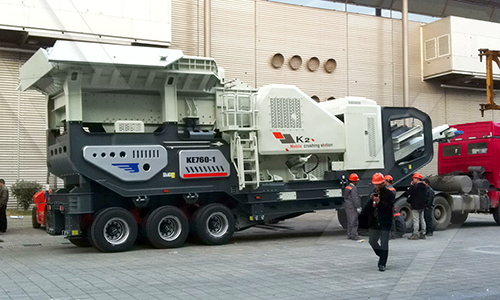
Yes, dolomite manufactured sand is increasingly replacing river sand in Italy due to sustainability and quality control advantages. It offers superior consistency, angular particle shape for better interlock, and reduced deleterious materials. Projects such as high-speed rail (e.g., TAV), highway resurfacing, and seismic retrofitting in cities like Milan and Naples now specify M-sand (manufactured sand) to ensure durability and meet circular economy goals under Italy’s National Recovery and Resilience Plan (PNRR).
What Are the Key Site Selection Criteria for a Dolomite Sand Plant in Italy?
Optimal site selection requires proximity to dolomite quarries (minimizing haulage), access to electrical infrastructure (>5 MWh/day capacity), and alignment with regional land-use plans (Piani Territoriali di Coordinamento). Buffer zones from residential areas (>500 m) and connectivity to rail/road logistics networks are critical. Hydrogeological stability assessments are mandatory in alpine regions to prevent landslide risks, per Italian Civil Protection guidelines.
How Do Automation and Industry 4.0 Enhance Dolomite Sand Plant Performance?
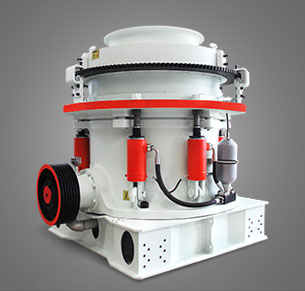
Modern plants use IoT-enabled sensors, SCADA systems, and predictive maintenance algorithms to monitor crusher wear, screen efficiency, and particle gradation in real time. AI-driven feed optimization adjusts crusher RPM and closed-side setting dynamically, improving yield by up to 18%. Remote diagnostics via cloud platforms reduce downtime, while blockchain-tracked quality reports ensure compliance for public tenders — increasingly required in Italy’s transparent procurement framework.
What Maintenance Protocols Ensure Longevity of a Dolomite Sand Plant?
Expert maintenance includes weekly inspections of VSI anvil and rotor wear, monthly lubrication audits, and quarterly alignment checks on vibrating equipment. Using OEM-certified wear parts and condition-based monitoring (vibration, temperature) avoids unplanned outages. Italian operators often adopt ISO 55000 asset management systems and schedule shutdowns during low-construction seasons (e.g., winter) for major overhauls.
How Is Dust and Noise Controlled in an Italian Dolomite Sand Plant?
Dust is managed via baghouse filters (with >99.5% efficiency), water sprays at transfer points, and complete enclosure of conveyor systems. Noise is mitigated with acoustic barriers, silencers on compressors, and low-noise electric motors. Plants undergo biannual emissions testing by ARPA (Regional Environmental Protection Agency) to maintain operating licenses under Italian Legislative Decree 152/2006.
What Are the Typical Capital and Operational Costs for a Dolomite Sand Plant in Italy?
A medium-scale (100 TPH) plant requires €3.5–5 million capex, including crushers, screens, control systems, and environmental safeguards. Operational costs average €18–25/ton, driven by energy (35–40%), labor (25%), and maintenance (20%). However, proximity to dolomite sources in northern Italy reduces hauling expenses, and selling premium-grade sand to urban construction sectors yields strong ROI, typically within 4–6 years.
How Can a Dolomite Sand Plant Support Italy’s Green Building and Circular Economy Goals?
By substituting natural sand mining, dolomite plants reduce riverbed degradation and fossil fuel use in transport. Integrating solar-powered conveyors and recycling quarry overburden into co-products supports GBCI and ITACA certification for green buildings. Some plants partner with cement manufacturers to supply carbon-cured aggregates, aligning with Italy’s 2030 carbon neutrality targets in construction under the PNRR.