
Table of Contents
- Why High-Capacity Iron Ore Crushing Is Critical for Philippines Mining Operations
- Key Features of Advanced Crusher Plants Delivering Stable Output in Challenging Conditions
- Maximizing Processing Speed with Efficient Iron Ore Crushing Technology
- Customizing Crusher Plant Design for Philippine Geology and Infrastructure Needs
- Reducing Downtime and Maintenance Costs in Tropical Mining Environments
- Frequently Asked Questions
- What is a high-capacity iron ore crusher plant and why is it vital for mining operations in the Philippines?
- How does a high-capacity crusher plant ensure stable output in tropical climates like the Philippines?
- Which crushing technologies are most effective for high-throughput iron ore processing in Southeast Asia?
- What role does automation play in achieving fast and efficient iron ore processing?
- How do you manage power consumption in a high-capacity iron ore crusher plant?
- What feed size and capacity ranges are typical for high-capacity iron ore plants in the Philippines?
- How is dust and environmental impact controlled in an iron ore crushing plant?
- What maintenance practices ensure long-term reliability of high-capacity crushers?
- Can high-capacity iron ore crusher plants be customized for remote mining sites in the Philippines?
- What safety features are integrated into high-capacity iron ore processing plants?
- How does ore hardness affect crusher selection and throughput in Philippine geology?
- What are the key factors in selecting a supplier for a high-capacity iron ore crusher plant in the Philippines?
In the rapidly expanding mining sector of the Philippines, operational efficiency and consistent output are paramount to maintaining competitive advantage. A high-capacity iron ore crusher plant is no longer a luxury—it’s a strategic necessity. Engineered to meet the rigorous demands of large-scale extraction, modern crushing plants deliver unmatched processing speed, durability, and reliability, ensuring continuous throughput even under challenging conditions. With advanced automation, optimized energy consumption, and robust design tailored for tropical climates, these systems minimize downtime while maximizing yield. For Philippine mining operations aiming to scale production without compromising on quality, investing in a high-performance iron ore crusher plant translates to faster processing, stable output, and long-term profitability. As infrastructure development and global demand for iron ore continue to rise, integrating a state-of-the-art crushing solution becomes a cornerstone of sustainable growth and operational excellence in the region’s evolving mineral economy.
Why High-Capacity Iron Ore Crushing Is Critical for Philippines Mining Operations
-
High-capacity iron ore crushing is a fundamental requirement for sustainable and competitive mining operations in the Philippines, where geological complexity and rising production demands necessitate robust processing infrastructure. The archipelago hosts substantial iron ore reserves, particularly in regions such as Masbate, Surigao, and Agusan, but these deposits often feature variable ore hardness and inconsistent feed sizes. Efficient liberation of valuable minerals begins with primary size reduction, making high-throughput crushing systems indispensable for maintaining consistent downstream processing performance.
-
In modern iron ore operations, plant uptime and throughput directly influence profitability. Low-capacity crushers create bottlenecks, leading to underutilized grinding circuits, increased energy consumption per ton, and inconsistent feed gradation—factors that compromise overall recovery rates. High-capacity crushing plants mitigate these inefficiencies by delivering uniform product sizing at sustained feed rates, ensuring optimal performance across secondary and tertiary stages, including grinding, classification, and magnetic separation.
-
The tropical climate in the Philippines introduces additional operational challenges, including high rainfall and humidity, which can lead to ore moisture buildup and material handling issues. Advanced high-capacity crushers equipped with anti-clogging designs and integrated scalping systems enhance resilience under such conditions, minimizing unplanned stoppages and preserving throughput stability.
-
Furthermore, expanding domestic and international demand for Philippine iron ore—driven by infrastructure development and steel manufacturing growth in Asia—demands scalable processing solutions. High-capacity crushing enables mining operators to meet volume commitments reliably, strengthen supply chain credibility, and achieve economies of scale that reduce unit processing costs.
-
Environmental and regulatory compliance also favors efficient crushing technology. Modern high-capacity plants incorporate dust suppression, noise reduction, and energy-efficient drive systems, aligning with the Philippines’ increasing focus on sustainable mining practices under the Mining Act and related environmental guidelines.
In summary, high-capacity iron ore crushing is not merely a technical upgrade but a strategic necessity for Philippine mining operations seeking operational stability, cost control, regulatory adherence, and long-term competitiveness in global markets.
Key Features of Advanced Crusher Plants Delivering Stable Output in Challenging Conditions
-
Robust Feed Control Systems: Advanced iron ore crusher plants integrate automated vibrating feeders with variable frequency drives (VFDs) to ensure consistent material flow, minimizing surges and blockages. These systems dynamically adjust feed rates based on crusher load, maintaining optimal throughput even with fluctuating ore characteristics common in the Philippines’ tropical mining environments.
-
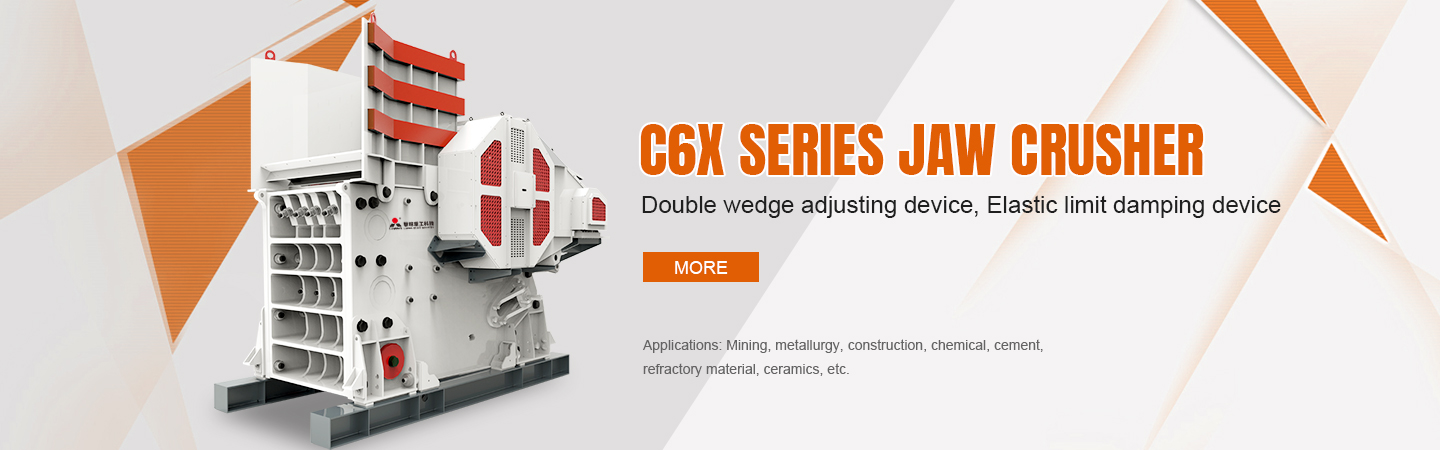
Multi-Stage Crushing Configuration: High-capacity plants employ a three-stage crushing process—primary jaw crushers, secondary cone crushers, and tertiary impact or fine cone crushers—to achieve precise particle size reduction. This staged approach ensures uniform output gradation suitable for downstream beneficiation, while reducing wear on individual components and enhancing overall processing resilience.
-
Intelligent Monitoring and Diagnostics: Integrated Supervisory Control and Data Acquisition (SCADA) systems continuously monitor crusher performance, hydraulic pressure, temperature, and power consumption. Real-time analytics enable predictive maintenance, reducing unplanned downtime. Remote diagnostics allow technical teams to troubleshoot and optimize operations without on-site presence, critical in remote Philippine mining locations.
-
Dust and Moisture Management: Tropical humidity and frequent rainfall in the Philippines necessitate advanced sealing and dust suppression systems. Crusher plants are equipped with fully enclosed transfer points, water atomization systems, and cyclone dust collectors to maintain operational cleanliness and protect sensitive components from corrosion and clogging.
-
High-Strength, Corrosion-Resistant Components: Given the abrasive nature of iron ore and corrosive tropical conditions, critical wear parts—mantles, concaves, and liners—are fabricated from high-manganese steel or composite alloys. Modular designs allow rapid replacement, reducing maintenance time and improving equipment availability.
-
Energy-Efficient Drive Systems: Modern crusher plants utilize high-efficiency motors and optimized gearboxes that reduce power consumption per ton crushed. Regenerative braking systems in conveyor integrations further enhance energy recovery, contributing to lower operational costs and improved sustainability.
-
Scalable Modular Design: Plants are engineered with modular configurations that allow scalability based on ore volume fluctuations. Pre-engineered modules facilitate rapid deployment and reconfiguration, ensuring adaptability to shifting operational demands across different mine phases.
These features collectively ensure stable, high-volume output under the demanding geoclimatic and logistical conditions prevalent in Philippine iron ore operations.
Maximizing Processing Speed with Efficient Iron Ore Crushing Technology
-
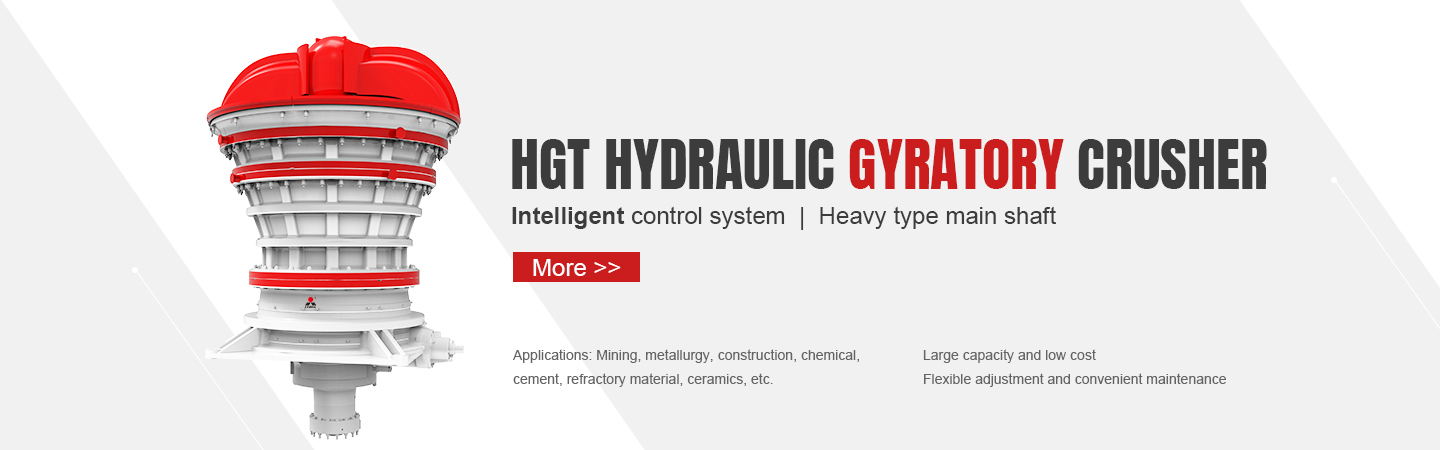
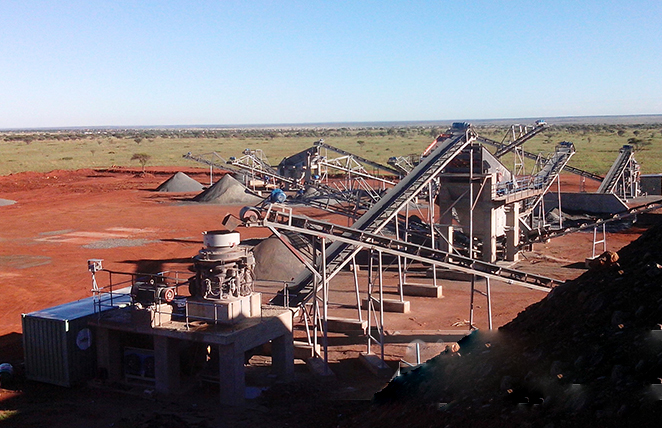
Implement high-efficiency primary gyratory crushers designed for high throughput and consistent feed preparation, ensuring optimal particle size distribution for downstream processes. These crushers deliver reliable performance under high tonnage loads typical in Philippine iron ore operations, minimizing bottlenecks in the initial reduction stage.
-
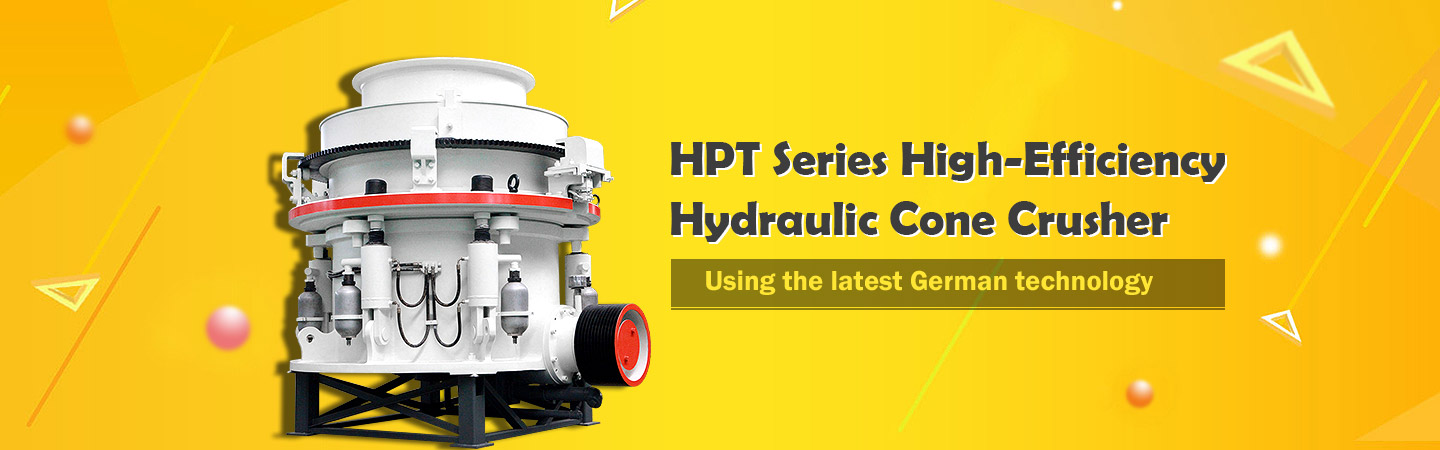
Integrate secondary and tertiary cone crushing stages equipped with advanced hydraulic adjustment and overload protection systems. Modern multi-hydro-jaw and intelligent cone crushers enable real-time adjustment of closed-side settings, maintaining consistent product gradation while maximizing throughput and reducing downtime due to tramp iron or blockages.
-
Utilize automated process control systems with real-time monitoring of crusher load, power draw, and feed rate. These systems dynamically adjust crusher parameters to match variations in ore hardness and feed characteristics, preserving energy efficiency and throughput stability—critical in operations with fluctuating feed from open-pit mines.
-
Optimize material flow through robust vibrating grizzly feeders (VGF) with scalable apertures to pre-screen fines and regulate feed uniformity. Uniform feed distribution prevents surging and overloading, directly enhancing crusher efficiency and reducing mechanical stress.
-
Employ closed-circuit crushing configurations with high-frequency screening decks. Recirculating oversized material ensures final product meets strict size specifications, typically under 10 mm for efficient grinding. This closed-loop system reduces rework and enhances overall plant availability.
-
Prioritize wear part longevity through the use of high-grade manganese or composite alloy liners, reducing replacement frequency and unplanned stoppages. Predictive maintenance protocols, supported by vibration analysis and thermal imaging, extend component life and sustain processing continuity.
-
Design plant layout for minimal material transfer distance and elevation change between stages, reducing energy consumption in conveyance and lowering cycle time. Strategic placement of crushers, screens, and conveyors supports seamless material progression and reduces inertial delays.
-
Select crushers with high reduction ratios and power-to-capacity efficiency metrics, ensuring minimal energy loss per ton crushed. Energy recovery systems and variable frequency drives (VFDs) further refine power usage patterns, aligning motor output with real-time demand.
By combining robust mechanical design, intelligent automation, and optimized circuit configuration, iron ore processing plants in the Philippines can achieve sustained high-capacity operation with minimal latency between extraction and output, directly supporting export readiness and operational competitiveness.
Customizing Crusher Plant Design for Philippine Geology and Infrastructure Needs
-
Site-specific geotechnical assessment is paramount when designing high-capacity iron ore crusher plants in the Philippines. The archipelago’s geology features highly variable rock hardness, frequent fault zones, and elevated moisture content in ore bodies—particularly in Mindanao and the Visayas—necessitating crusher configurations that balance throughput with wear resistance.
-
Primary jaw crushers should be selected with heavy-duty toggle mechanisms and deep crushing chambers to handle the high silica and goethite content typical of Philippine iron ore. Incorporating hydraulic setting adjustment systems allows rapid adaptation to fluctuations in feed gradation caused by weathering and tropical rainfall.
-
Given the prevalence of seismic activity, structural design must conform to the Philippine Building Code and DPWH standards. Foundations require dynamic load analysis and vibration isolation, particularly for gyratory and cone crushers operating above 500 tons per hour. Anchoring systems should account for both horizontal seismic coefficients and soil liquefaction potential in coastal or alluvial sites.
-
Power infrastructure limitations across remote mining regions demand energy-efficient drive systems. Integrating variable frequency drives (VFDs) on conveyor and crusher motors enables load matching and reduces peak demand penalties. Onsite substation design should include redundancy and harmonic filtering to protect sensitive control systems.
-
Moisture management is critical due to high annual rainfall. Enclosed transfer points, elevated conveyor structures, and drainage-integrated apron feeders minimize material buildup and downtime. Pre-screening with aggressive amplitude grizzlies removes fines and water-laden clay before primary crushing.
-
Modular construction enhances deployment speed and scalability. Prefabricated skid-mounted units simplify logistics in areas with narrow roads and limited heavy-lift access. Designing with ISO container-compatible modules allows transport via standard trucking and port infrastructure.
-
Dust suppression must comply with ECC/EMB air quality regulations. Closed-circuit ventilation with baghouse collectors at transfer and crushing points ensures particulate emissions remain below 20 mg/Nm³. Water spray systems with misting nozzles should be calibrated to avoid ore agglomeration.
-
Automation architecture must support remote monitoring and predictive maintenance. SCADA integration with real-time throughput, power draw, and bearing temperature telemetry enables rapid response—crucial in geographically isolated operations. Redundant communication links via satellite or LTE ensure uptime even during monsoon disruptions.
Reducing Downtime and Maintenance Costs in Tropical Mining Environments
-
Implement predictive maintenance protocols utilizing IoT-enabled sensors to monitor crusher bearing temperatures, lubrication levels, and motor performance in real time. Continuous data acquisition allows for early detection of anomalies, reducing unplanned downtime by up to 45% in high-humidity tropical conditions.
-
Employ corrosion-resistant materials in critical components, particularly in feed chutes, liners, and hydraulic systems. Stainless steel overlays and polymer-based coatings mitigate degradation caused by persistent moisture and saline-laden air common in coastal Philippine mining regions.
-
Optimize lubrication schedules using environment-specific greases with high water resistance and thermal stability. Automatic lubrication systems ensure consistent application, minimizing wear under continuous operation and reducing manual intervention.
-
Design crusher enclosures with enhanced ventilation and moisture extraction systems. Positive-pressure air filtration prevents ingress of humid air and abrasive dust, preserving internal mechanisms and electrical systems.
-
Integrate modular wear part designs to expedite changeouts. Quick-release clamping systems and standardized components reduce liner replacement time by 30–50%, maintaining processing continuity during scheduled maintenance.
-
Conduct bi-weekly alignment and tensioning checks on V-belts and drive systems, as humidity-induced slippage and belt swelling are prevalent in tropical climates. Laser alignment tools ensure precision, extending drive component life.
-
Train local maintenance teams in root cause failure analysis (RCFA) and condition-based response protocols. Empowering on-site personnel reduces dependency on external technicians and accelerates troubleshooting.
-
Utilize digital twin modeling to simulate crusher performance under variable feed conditions and moisture content. This enables preemptive adjustments to throughput parameters, avoiding overload scenarios that lead to mechanical stress.
-
Establish a spare parts inventory buffer on-site, prioritizing high-failure items such as toggle plates, pitman assemblies, and hydraulic seals. Proximity to tropical storm zones necessitates resilience against supply chain interruptions.
-
Schedule maintenance during off-peak rainfall periods to minimize environmental interference. Pre-rainy season audits should include drainage system inspection and backup power testing to ensure operational readiness.
-
Adopt remote diagnostics through cloud-connected control systems. OEM support can analyze performance trends and recommend interventions without physical site visits, improving response efficiency.
These measures collectively enhance equipment availability and reduce cost per ton of processed ore. In tropical mining environments, where environmental stressors amplify mechanical fatigue, a proactive, data-driven maintenance strategy is not optional—it is essential for ensuring stable output and sustained processing efficiency.
Frequently Asked Questions
What is a high-capacity iron ore crusher plant and why is it vital for mining operations in the Philippines?
A high-capacity iron ore crusher plant is an integrated system designed to process large volumes of raw iron ore into smaller, manageable sizes for further beneficiation and smelting. In the Philippines, where iron ore deposits vary in hardness and moisture content, such plants ensure consistent throughput, reduce downtime, and support scalable mining output—critical for meeting both domestic demand and export targets.
How does a high-capacity crusher plant ensure stable output in tropical climates like the Philippines?
High-capacity plants designed for tropical environments incorporate weather-resistant components, corrosion-protected conveyor systems, and sealed electrical enclosures to combat humidity and monsoon conditions. Advanced automation and real-time monitoring systems maintain consistent feed control and crusher settings, minimizing output fluctuations despite moisture-laden feed materials common in Philippine mining regions.
Which crushing technologies are most effective for high-throughput iron ore processing in Southeast Asia?
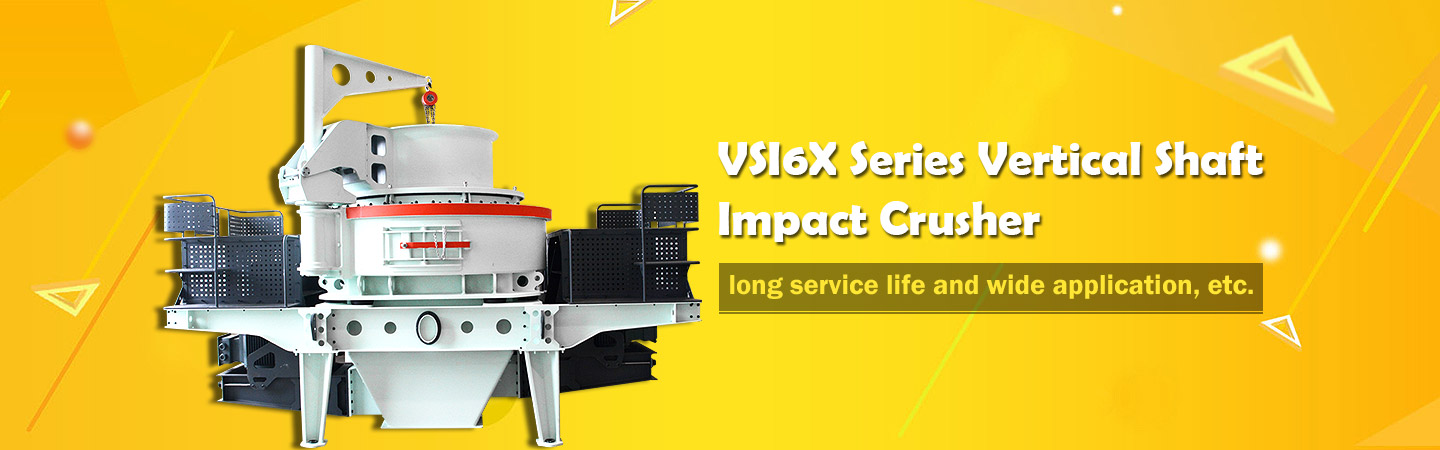
For high-throughput iron ore processing, a combination of jaw crushers (primary), cone crushers (secondary/tertiary), and vertical shaft impactors (VSI) delivers optimal results. Modern high-capacity plants in the Philippines often use multi-hydrocone crushers with intelligent hydraulic adjustment systems to maintain tight product size control and maximize uptime, even under abrasive feed conditions.
What role does automation play in achieving fast and efficient iron ore processing?
Automation in high-capacity crusher plants integrates PLC-based control systems, real-time feed rate sensors, and remote diagnostics to optimize performance. In Philippine operations, this enables predictive maintenance, automatic overload response, and seamless coordination between crushing, screening, and conveying stages—reducing manual intervention and increasing processing speed by up to 30%.
How do you manage power consumption in a high-capacity iron ore crusher plant?
Efficient power management involves selecting energy-optimized motors, using variable frequency drives (VFDs) to match energy use with load demand, and implementing regenerative braking systems on conveyors. Leading plants in the Philippines employ energy audits and smart grid integration to reduce kilowatt-hour consumption per ton of processed ore—critical in regions with unstable or expensive power infrastructure.
What feed size and capacity ranges are typical for high-capacity iron ore plants in the Philippines?
High-capacity iron ore crusher plants in the Philippines typically handle feed sizes up to 1,200 mm and process between 300 to 2,000 tons per hour (TPH), depending on ore hardness and end-product specifications. Plants are often modular, allowing scalability as mining operations expand, and are engineered to maintain efficiency across fluctuating feed conditions.
How is dust and environmental impact controlled in an iron ore crushing plant?
State-of-the-art plants use enclosed transfer points, high-efficiency baghouse filters, and automated water spray systems to suppress dust. In the Philippines, compliance with the Department of Environment and Natural Resources (DENR) standards mandates the integration of dust monitoring systems, noise barriers, and sediment control basins to minimize ecological disruption.
What maintenance practices ensure long-term reliability of high-capacity crushers?
A proactive maintenance strategy includes condition-based monitoring (vibration, oil analysis), scheduled wear-part replacements, and digital log tracking via CMMS (Computerized Maintenance Management Systems). For Philippine operations, localized service hubs and OEM-trained technicians reduce downtime and extend the lifecycle of critical components such as mantle assemblies and toggle plates.
Can high-capacity iron ore crusher plants be customized for remote mining sites in the Philippines?
Yes, modern plants are designed for modular transport and rapid assembly, with containerized control rooms and prefabricated structural components. This enables deployment in remote locations such as Mindanao or Palawan, where logistical challenges are mitigated through skid-mounted units and mobile crushing solutions tailored to site-specific ore characteristics.
What safety features are integrated into high-capacity iron ore processing plants?
Advanced safety systems include emergency stop networks, guarded rotating parts, real-time gas detection (for enclosed areas), and AI-powered CCTV for hazard detection. In the Philippines, plants adhere to OSH (Occupational Safety and Health) standards with automated lockout/tagout (LOTO) procedures and remote operation capabilities to protect workers in high-risk zones.
How does ore hardness affect crusher selection and throughput in Philippine geology?
Iron ore in the Philippines varies from medium to high compressive strength (150–250 MPa). Plants must use crushers with hardened manganese liners and adjustable closed-side settings (CSS) to handle harder feedstocks. Pre-screening and ROM (Run-of-Mine) feed analysis are essential to optimize throughput and prevent crusher jamming or excessive wear.
What are the key factors in selecting a supplier for a high-capacity iron ore crusher plant in the Philippines?
Critical factors include proven regional experience, local service support, compliance with Philippine mining regulations (DENR-MMEM), and a track record of reliable uptime. Leading suppliers offer turnkey solutions with engineering, installation supervision, operator training, and performance guarantees—ensuring seamless integration into existing mining infrastructure.