
Table of Contents
- Why Copper Ore Crushing Is Critical for Malaysia’s Mining Industry
- Types of Copper Ore Crushing Equipment Suitable for Malaysian Operations
- Key Features to Look for in Copper Ore Crushers for Tropical Climates
- Top Suppliers of Copper Ore Crushing Machinery in Malaysia and Southeast Asia
- Optimizing Copper Extraction: From Crushing to Processing in Malaysian Mines
- Frequently Asked Questions
- What types of copper ore crushing equipment are best suited for Malaysia’s geological conditions?
- How does tropical climate in Malaysia affect copper ore crushing operations?
- What capacity range should copper ore crushing plants have for medium-scale mining in Malaysia?
- Are mobile or stationary crushing plants better for copper ore in Malaysia?
- What anti-abrasion technologies should copper ore crushers use in Malaysia?
- How can energy efficiency be optimized in copper ore crushing in Malaysia?
- What environmental regulations must copper ore crushing equipment comply with in Malaysia?
- What role does automation play in modern copper ore crushing plants in Malaysia?
- How do you minimize downtime in copper ore crushing operations in Malaysia?
- What is the expected lifespan of copper ore crushing equipment in Malaysia’s operating conditions?
- Which manufacturers supply the most reliable copper ore crushing equipment for Malaysia?
- How does ore hardness affect crusher selection for Malaysian copper mines?
Malaysia’s growing mineral processing sector is placing increasing demand on efficient, reliable copper ore crushing equipment to support sustainable extraction and optimal yield. As domestic and international interest in Malaysia’s copper resources intensifies, selecting the right crushing solutions becomes paramount to maximizing productivity while minimizing operational costs and environmental impact. Advanced technologies in primary jaw crushers, cone crushers, and impact crushers now offer tailored performance for the region’s unique geological profiles and processing requirements. These innovations deliver superior size reduction, consistent output, and enhanced energy efficiency—key factors in maintaining competitiveness in today’s dynamic mining landscape. From small-scale operations to large industrial plants, the integration of robust, low-maintenance crushing systems ensures seamless downstream processing and improved ore liberation. This article explores the most effective copper ore crushing equipment available for Malaysian applications, highlighting cutting-edge solutions that combine durability, precision, and smart engineering to meet the evolving needs of the nation’s mineral industry.
Why Copper Ore Crushing Is Critical for Malaysia’s Mining Industry
-
Copper ore crushing is a foundational step in Malaysia’s mineral processing chain, directly influencing the efficiency, recovery rates, and economic viability of copper extraction. As the country intensifies efforts to develop its mining sector sustainably, effective primary and secondary crushing operations ensure optimal liberation of copper minerals from host rock, enabling downstream processes such as grinding, flotation, and refining to perform at peak efficiency.
-
Malaysia’s copper deposits, while often occurring in complex sulphide matrices, require precise size reduction to expose valuable minerals without excessive over-grinding or energy waste. Inadequate crushing leads to poor liberation, increased reagent consumption, and lower concentrate grades—factors that erode profitability and operational sustainability. Modern crushing equipment, including jaw crushers for primary reduction and cone or impact crushers for secondary stages, provides the controlled particle size distribution essential for maximizing mineral recovery.
-
Energy efficiency is a critical concern in mineral processing, where comminution can account for up to 60% of total plant energy usage. Advanced copper ore crushing systems designed for Malaysian geologies integrate automation, real-time monitoring, and adaptive control mechanisms to minimize energy consumption while maintaining throughput. This is particularly important as Malaysia aligns its mining practices with global environmental, social, and governance (ESG) standards.
-
Furthermore, reliable crushing equipment enhances operational continuity. Downtime due to equipment failure or frequent maintenance disrupts production cycles and inflates operational costs. Solutions tailored to Malaysia’s tropical climate and variable ore characteristics—such as corrosion-resistant materials, modular designs, and scalable capacity—ensure long-term resilience and adaptability across diverse mining sites.
-
From an economic perspective, efficient crushing directly supports Malaysia’s ambition to add value domestically rather than exporting raw ore. By achieving consistent feed size for downstream processing, local operators can produce higher-grade concentrates suitable for domestic refining or premium international markets.
-
In sum, copper ore crushing is not merely a mechanical step but a strategic enabler of efficiency, sustainability, and profitability in Malaysia’s evolving mining industry.
Types of Copper Ore Crushing Equipment Suitable for Malaysian Operations
- Jaw Crusher
- Gyratory Crusher
- Cone Crusher
- Impact Crusher
- Hammer Mill
- Roll Crusher
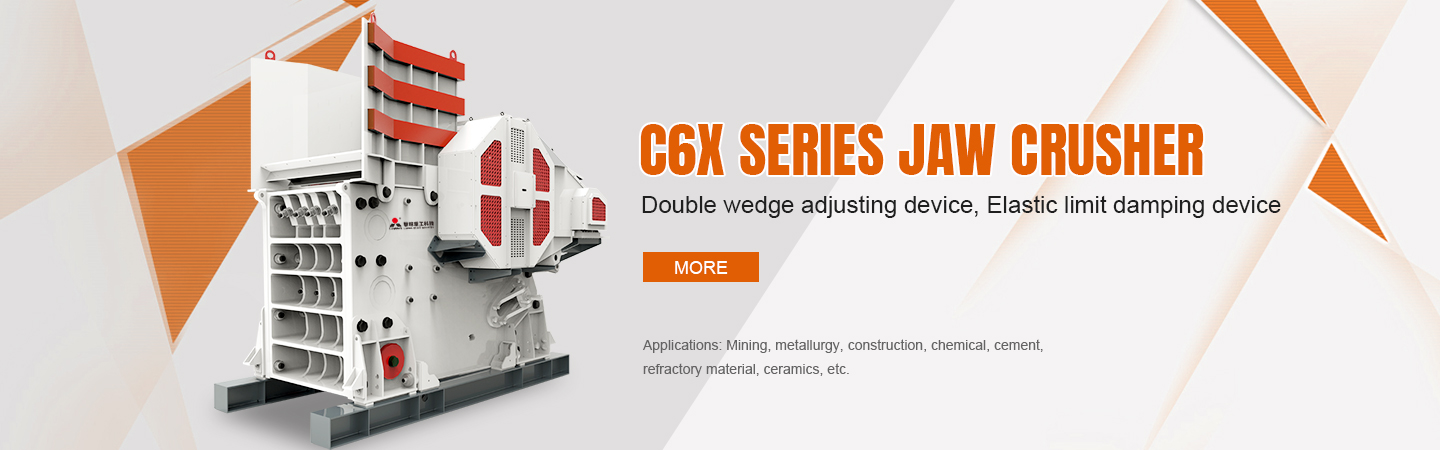
Jaw crushers are the primary choice for initial size reduction of copper ore in Malaysian operations due to their robustness, reliability, and ability to handle high-moisture feed material common in tropical mining environments. Their simple toggle mechanism ensures consistent performance with minimal maintenance, making them ideal for remote or high-throughput sites. Stationary and mobile configurations are widely deployed across Peninsular Malaysia’s mineral-rich regions.
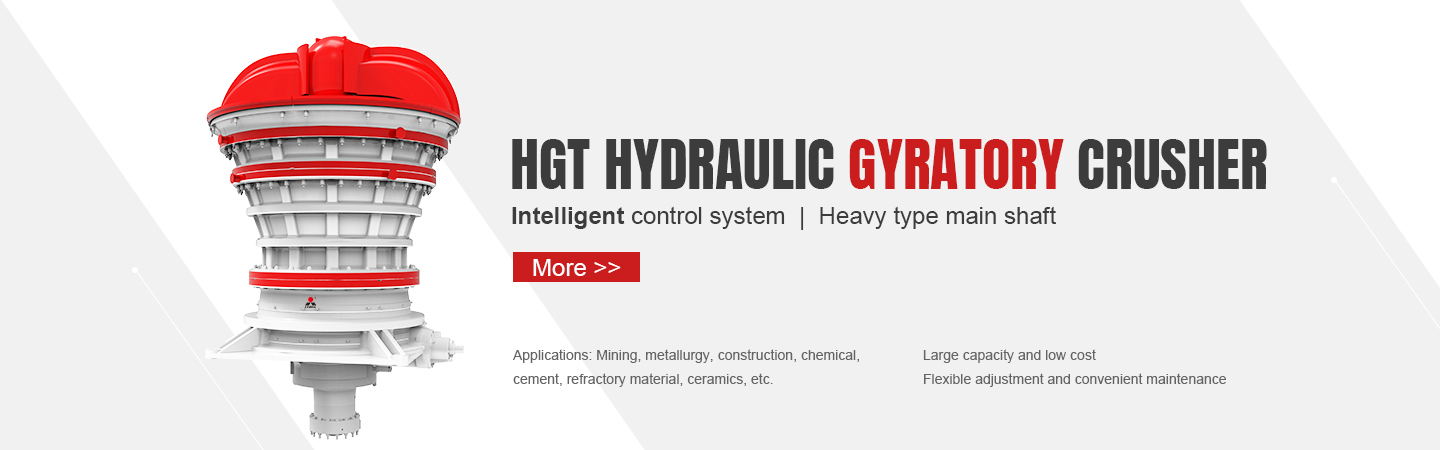
Gyratory crushers offer superior capacity and efficiency in large-scale copper processing plants where continuous, high-volume feed is required. Their conical head and oscillating motion deliver uniform size reduction and are particularly effective in handling hard and abrasive ore bodies typical in Malaysian geological formations. Although they require more complex installation and foundation support, their long-term operational efficiency justifies deployment in primary crushing circuits.
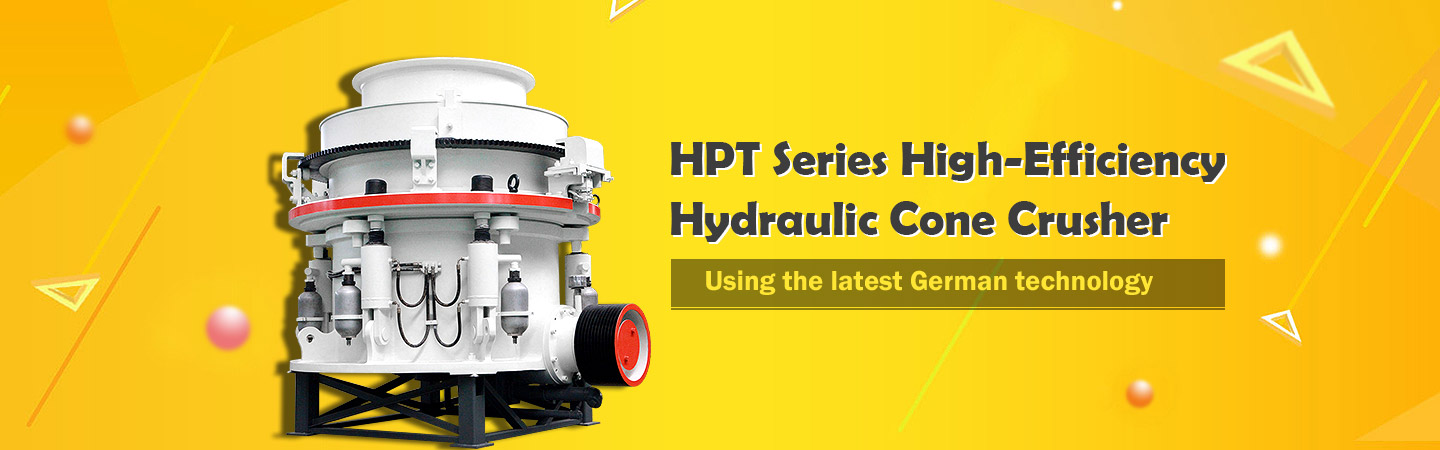
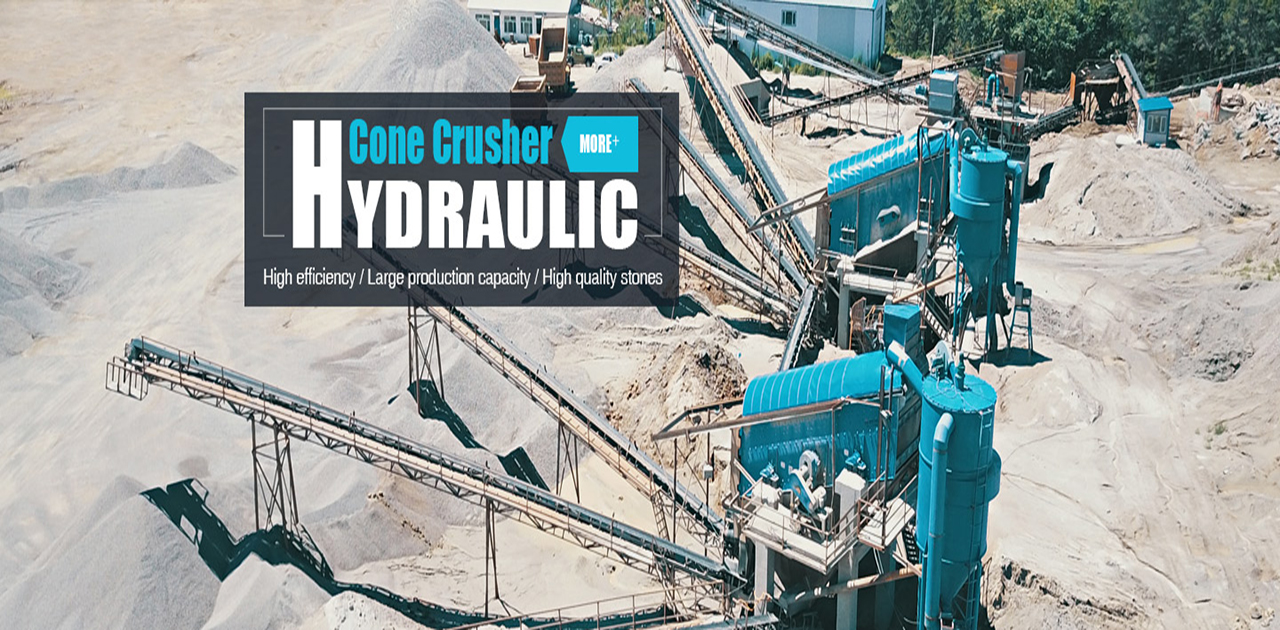
Cone crushers are extensively used for secondary and tertiary crushing stages, providing precise particle size control essential for downstream flotation processes. Models with hydraulic adjustment and overload protection are preferred in Malaysia due to fluctuating feed characteristics and the need for sustained uptime. Advanced multi-cylinder hydraulic cone crushers deliver optimized throughput and reduced energy consumption, aligning with sustainability goals in modern mineral processing.
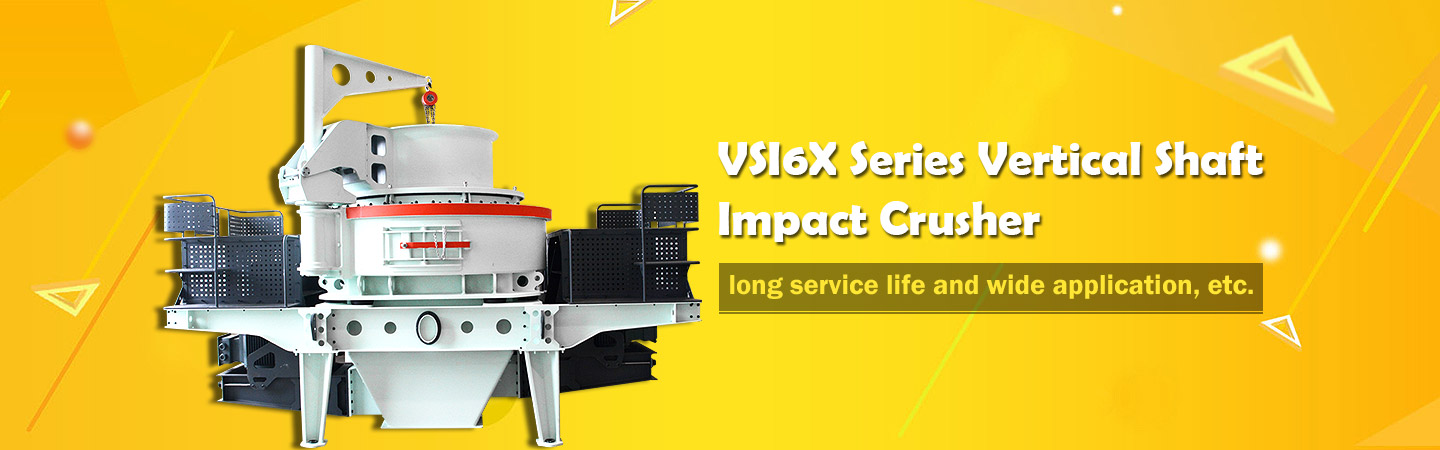
Impact crushers, including horizontal and vertical shaft variants, are suitable for softer copper ores or recycling applications. While less common in hard-rock copper circuits, they offer high reduction ratios and cubical product shape, beneficial for specific beneficiation flowsheets.
Hammer mills and roll crushers serve niche roles, particularly in small-scale or artisanal operations where ore is pre-oxidized or low-abrasion. Their compact footprint and moderate power requirements suit localized processing units, especially in East Malaysia where infrastructure constraints exist.
Equipment selection must account for ore hardness, moisture content, production scale, and logistical access. Modular and mobile crushing units are gaining traction in Malaysia due to rapid deployment capabilities and adaptability to shifting mining frontiers. Integration with screening and conveying systems further enhances system efficiency.
Key Features to Look for in Copper Ore Crushers for Tropical Climates
-
Robust corrosion-resistant materials: In tropical climates such as Malaysia’s, high humidity and frequent rainfall accelerate metal degradation. Copper ore crushers must be constructed with corrosion-resistant alloys, particularly in critical components like jaw plates, liners, and structural frames. Stainless steel fasteners and protective powder coatings enhance longevity under persistent moisture exposure.
-
Effective sealing and ingress protection: Dust-laden environments combined with monsoon-level precipitation necessitate crushers equipped with advanced sealing systems. Look for IP65-rated electrical enclosures and labyrinth seals on rotating shafts to prevent water and fine particulate ingress, which can compromise bearing integrity and reduce equipment lifespan.
-
High thermal tolerance and cooling efficiency: Ambient temperatures in Malaysia often exceed 35°C, with added heat generated from prolonged crushing operations. Crushers should feature integrated cooling mechanisms—such as oil cooling systems in hydraulic circuits and thermally optimized drive motors—to maintain operational stability and prevent overheating.
-
Adaptive moisture management: Tropical ore feed often contains elevated moisture content due to frequent rain exposure. Crushers must incorporate design features that minimize clogging, such as wide discharge openings, self-cleaning篦板 (grizzly bars), and vibration-assisted feeding systems. Jaw and cone crushers with anti-blocking technology ensure consistent throughput despite wet feed conditions.
-
Modular and serviceable design: High rainfall and humidity increase maintenance frequency. Equipment with modular components, ground-level service access, and quick-change wear parts reduces downtime. Hydraulic adjustment and overload systems enable rapid recalibration after wear or blockage, critical in maintaining continuous processing in high-throughput operations.
-
Energy efficiency with variable frequency drives (VFDs): Power reliability can fluctuate in remote tropical mining regions. Crushers equipped with VFDs adapt motor speed to load conditions, reducing energy consumption and mechanical stress during startup—particularly beneficial during rainy-season operational disruptions.
-
Proven performance in tropical installations: Prioritize manufacturers with documented deployments in Southeast Asia or comparable equatorial regions. Field-proven reliability under sustained heat, humidity, and abrasive feed conditions provides assurance of durability beyond laboratory specifications.
Selecting a copper ore crusher for Malaysia demands more than mechanical capacity—it requires climate-adaptive engineering. Prioritizing corrosion resistance, environmental sealing, thermal resilience, and moisture tolerance ensures uninterrupted mineral processing efficiency despite tropical challenges.
Top Suppliers of Copper Ore Crushing Machinery in Malaysia and Southeast Asia
-
FLSmidth
A global leader in mineral processing, FLSmidth maintains a strong operational presence across Southeast Asia, including Malaysia. The company supplies advanced copper ore crushing solutions, including gyratory and cone crushers engineered for high throughput and durability in tropical mining environments. Their SmartCrusher technology integrates real-time monitoring and predictive maintenance, enhancing operational efficiency and reducing downtime. FLSmidth collaborates closely with local engineering firms to ensure compliance with regional safety and environmental standards, making them a preferred partner for large-scale copper processing projects. -
Sandvik Mining and Rock Solutions
Sandvik offers a comprehensive range of mobile and stationary crushing equipment tailored to the complex geology of Southeast Asian copper deposits. Their QH and CH series cone crushers are widely deployed in Malaysian mineral processing plants due to their robust design and energy efficiency. Sandvik’s digital ecosystem, OptiUptime, enables remote diagnostics and performance optimization, ensuring maximum uptime. The company’s regional service centers in Kuala Lumpur and Jakarta provide rapid technical support and spare parts delivery, critical for minimizing operational disruption. -
ZWC Outotec (now ZWC)
ZWC delivers scalable crushing solutions suitable for both greenfield and retrofit copper ore operations. Their Nordberg® HP Series cone crushers are particularly effective in secondary and tertiary crushing stages, offering high reduction ratios and consistent product size. In Malaysia, ZWC has supported several copper-gold projects with integrated crushing and screening plants designed for compact footprints—essential in space-constrained sites. The company emphasizes lifecycle support, including performance audits and operator training, to extend equipment longevity. -
CITIC Heavy Industries
As a leading Chinese supplier with growing influence in Southeast Asia, CITIC provides cost-effective, high-capacity crushing machinery suited for medium to large copper operations. Their C系列 (C-Series) gyratory crushers are engineered for high abrasion resistance, a critical factor given the siliceous gangue often associated with regional copper ores. CITIC has established partnerships with Malaysian contractors to facilitate installation and commissioning, backed by localized service networks in Indonesia and Thailand. -
McLanahan Corporation
Specializing in sustainable mineral processing, McLanahan offers custom crushing systems incorporating energy-efficient designs and water management integration—valuable in environmentally sensitive areas. Their Universal Jaw Crushers are frequently selected for primary copper ore reduction due to reliability and ease of maintenance.
These suppliers demonstrate technical excellence, regional adaptability, and comprehensive support frameworks, positioning them as key enablers of efficient copper ore processing across Malaysia and Southeast Asia.
Optimizing Copper Extraction: From Crushing to Processing in Malaysian Mines
-
Copper extraction in Malaysian mines demands a systematic optimization of the comminution and processing chain, beginning at the primary crushing stage and extending through to final mineral recovery. Given the variable ore characteristics across Peninsular and East Malaysian deposits—ranging from porphyry-style mineralization to structurally complex vein systems—equipment selection must balance robustness with adaptability.
-
Primary crushing typically employs jaw or gyratory crushers capable of handling feed sizes up to 1,200 mm, reducing ore to approximately 150–200 mm. In Malaysia’s tropical climate, where high humidity and rainfall contribute to ore moisture, crushers with anti-clogging designs and integrated scalping grizzlies are essential to maintain throughput and reduce downtime.
-
Secondary and tertiary crushing stages utilize cone or horizontal shaft impact (HSI) crushers to achieve particle sizes suitable for grinding circuits. Integration of closed-circuit configurations with vibrating screens ensures precise size classification, minimizing over-grinding and energy waste in downstream ball or SAG mills.
-
Pre-concentration techniques such as sensor-based ore sorting are increasingly deployed to reject waste rock ahead of grinding. This reduces energy consumption and processing costs, particularly in low-grade deposits where waste constitutes a significant portion of mined material.
-
Grinding efficiency is further enhanced through high-pressure grinding rolls (HPGR) or stirred milling in select operations, contributing to finer liberation and improved leach kinetics in subsequent hydrometallurgical processing.
-
For oxide and secondary sulfide ores prevalent in certain Malaysian prospects, heap leaching remains a cost-effective recovery method. Optimized agglomeration after crushing—using binders and controlled moisture—improves permeability and copper extraction rates.
-
In refractory or high-sulfide ores, flotation circuits following ultra-fine grinding deliver superior concentrate grades. Advanced process control systems, incorporating real-time particle size analyzers and automated reagent dosing, enhance flotation stability and recovery.
-
Water management and energy efficiency are critical in Malaysia’s ecologically sensitive regions. Closed-loop water recycling systems and variable frequency drives (VFDs) on crushers and pumps reduce environmental impact while lowering operational costs.
-
Equipment suppliers must offer localized support, corrosion-resistant materials for humid conditions, and modular designs to accommodate remote site logistics. Ultimately, optimizing copper extraction hinges on integrating reliable, energy-efficient crushing technology with adaptive process flows tailored to local orebody characteristics.
Frequently Asked Questions
What types of copper ore crushing equipment are best suited for Malaysia’s geological conditions?
Malaysia’s copper ore deposits, often found in tropical weathering environments with variable hardness and moisture content, require robust and versatile crushing equipment. Primary jaw crushers are ideal for initial size reduction due to their ability to handle abrasive feed. Secondary and tertiary stages benefit from cone crushers, which offer precise gradation control and high efficiency. In regions with high humidity or clay-laden ore, impact crushers or gyratory crushers with anti-clogging features are recommended. Equipment with corrosion-resistant materials is also crucial due to Malaysia’s high rainfall and humidity.
How does tropical climate in Malaysia affect copper ore crushing operations?
Malaysia’s tropical climate—characterized by heavy rainfall, high humidity, and elevated temperatures—impacts crushing equipment by accelerating wear and promoting material adhesion. Moist ore can lead to blockages in chutes and screens, reducing throughput. To mitigate these issues, operators should use crushers with integrated water evacuation systems, anti-stick linings, and sealed bearings. Additionally, placing crushing plants under covered structures or using weather-resistant enclosures improves equipment longevity and operational continuity.
What capacity range should copper ore crushing plants have for medium-scale mining in Malaysia?
For medium-scale copper mining operations in Malaysia, crushing plants with a capacity of 100 to 300 tonnes per hour (TPH) are optimal. This range balances operational efficiency, capital investment, and adaptability to fluctuating ore grades. Modular plants allow scalability and relocation across remote mining sites. Configurations typically include a primary jaw crusher feeding a secondary cone crusher, followed by vibrating screens for closed-circuit crushing to achieve target product sizes between 6–12 mm.
Are mobile or stationary crushing plants better for copper ore in Malaysia?
For Malaysia’s diverse and often remote mining terrain, mobile crushing plants offer superior flexibility and lower setup costs. They are ideal for small to medium operations with shifting extraction points. Modern mobile plants integrate jaw, cone, and screening units on tracked or wheeled platforms for rapid deployment. However, stationary plants remain preferable for long-term, high-volume operations due to higher throughput stability and lower maintenance per ton crushed. The decision hinges on mine lifespan, infrastructure access, and logistical constraints.
What anti-abrasion technologies should copper ore crushers use in Malaysia?
Given the abrasive nature of Malaysian copper ores, critical crusher components—mantles, concaves, jaw plates, and liners—should be manufactured from high-manganese steel or composite alloys with work-hardening properties. Modern solutions include modular wear parts for quick replacement and automated wear monitoring systems that predict maintenance intervals. Some advanced plants incorporate tungsten-carbide overlays or ceramic-reinforced linings to extend component life by up to 40% in high-abrasion conditions.
How can energy efficiency be optimized in copper ore crushing in Malaysia?
Energy consumption can be minimized through pre-screening to remove fines before crushing, optimizing feed size distribution, and using variable frequency drives (VFDs) on crusher motors to match load conditions. Implementing automation systems like crusher cavity-level control and real-time throughput monitoring ensures consistent loading and reduces power spikes. Additionally, selecting high-efficiency motors compliant with IEC 60034 standards and recovering waste heat from hydraulic systems contributes to lower operational energy costs.
What environmental regulations must copper ore crushing equipment comply with in Malaysia?
Crushing operations in Malaysia must comply with Department of Environment (DOE) regulations under the Environmental Quality Act 1974. Key requirements include dust suppression systems (e.g., fog cannons, enclosures with filters), noise control below 75 dB at site boundaries, and proper sedimentation ponds for wash water. Operators require an Environmental Impact Assessment (EIA) approval for large projects. Equipment must also adhere to the Department of Occupational Safety and Health (DOSH) standards for worker protection and emission control.
What role does automation play in modern copper ore crushing plants in Malaysia?
Automation enhances safety, consistency, and productivity in Malaysian copper crushing operations. Programmable Logic Controllers (PLCs) and SCADA systems enable remote monitoring of crusher parameters such as feed rate, motor load, and discharge size. Automated tramp iron detection and purge systems protect downstream equipment. Predictive maintenance algorithms analyze vibration and temperature data to prevent unplanned downtime. Integration with GPS and fleet management software is growing in mobile plants for real-time optimization.

How do you minimize downtime in copper ore crushing operations in Malaysia?
Minimizing downtime requires a proactive maintenance strategy combining preventive, predictive, and condition-based approaches. Key practices include scheduled lubrication cycles, real-time vibration analysis, thermal imaging of motors and drive systems, and keeping critical spares (e.g., mantles, eccentric sleeves) onsite. Partnering with OEMs for remote diagnostics and training local technicians ensures rapid troubleshooting. Redundant conveyor feed systems and mobile crusher backups further reduce operational vulnerability.
What is the expected lifespan of copper ore crushing equipment in Malaysia’s operating conditions?
Under Malaysia’s humid and abrasive conditions, well-maintained copper ore crushing equipment typically lasts 8 to 12 years. Jaw and cone crushers with proper wear part management can exceed 20,000 operating hours. Lifespan depends heavily on maintenance regimes, feed consistency, and the use of climate-adapted materials (e.g., stainless steel chutes, sealed housings). Regular upgrades to control systems and wear components can extend service life beyond 15 years, particularly in stationary installations.
Which manufacturers supply the most reliable copper ore crushing equipment for Malaysia?
Top-tier suppliers include ZWC Outotec, Sandvik, and FL Smidth, known for engineering durability and climate-resilient designs. Chinese manufacturers like SBM and Zhongxin (ZXMining) offer cost-effective, CE-certified alternatives with local support networks in Southeast Asia. For modular and mobile solutions, Kleemann (Wirtgen Group) and McCloskey provide adaptable systems suited to Malaysian terrain. Selection should prioritize after-sales service, spare parts availability in Johor or Klang, and multilingual technical support.
How does ore hardness affect crusher selection for Malaysian copper mines?
Malaysian copper ores vary from moderate (Mohs 4–5) in weathered zones to hard (Mohs 6–7) in primary deposits. Harder ores demand high-compressive-strength crushers—typically jaw crushers for primary and multi-hydrocone crushers for secondary stages. Softer or oxidized ores may allow efficient processing with impact crushers, offering higher reduction ratios and cubical product shapes. Petrographic analysis and Bond Work Index testing are recommended to match ore characteristics with the most energy-efficient crushing configuration.