
Table of Contents
- Why Mozambique Needs Advanced Pebble Crushing Technology for Resource Development
- Types of Pebble Crushing Equipment Optimized for Mozambican Geological Conditions
- Top Features to Look for in Durable and Low-Maintenance Crushing Machinery
- How Local Infrastructure and Energy Availability Influence Equipment Selection
- Support, Maintenance, and Training Services for Long-Term Operational Success
- Frequently Asked Questions
- What is the most efficient type of pebble crushing equipment for hard quartzite in Mozambique?
- How does Mozambique’s tropical climate affect pebble crushing equipment performance?
- What capacity range is ideal for pebble crushing plants in Mozambican mining operations?
- Are mobile crushing units better than stationary plants for Mozambique’s remote sites?
- How can wear part longevity be maximized in abrasive pebble crushing applications?
- What regulatory and environmental considerations affect crusher operations in Mozambique?
- Which crusher setup is best for producing construction-grade aggregates from river pebbles in Mozambique?
- How important is power supply compatibility when selecting crushing equipment in rural Mozambique?
- Can local Mozambican contractors maintain advanced pebble crushing systems?
- What are the logistical challenges in importing pebble crushing equipment into Mozambique?
- How does feed size variability impact crusher selection in Mozambican quarries?
- What safety standards must pebble crushing equipment meet for operation in Mozambique?
Mozambique’s mining and construction sectors are experiencing dynamic growth, driven by expanding infrastructure projects and increased mineral exploration—making efficient material processing more critical than ever. At the heart of this evolution lies the need for advanced pebble crushing equipment capable of delivering high performance, reliability, and operational cost savings in demanding environments. With abundant natural stone resources and a growing demand for quality aggregates, the country presents a prime opportunity for innovative crushing solutions tailored to local challenges. High-efficiency pebble crushers offer the ideal blend of robust engineering and optimized throughput, enabling operators to maximize productivity while minimizing downtime and energy consumption. Designed for versatility and ease of maintenance, these systems support sustainable development by enhancing resource utilization across quarries, roadworks, and large-scale mining operations. As Mozambique accelerates its industrial transformation, integrating smart, durable crushing technology is no longer a luxury—it’s a strategic imperative for staying competitive in a rapidly evolving market.
Why Mozambique Needs Advanced Pebble Crushing Technology for Resource Development
-
Mozambique’s mineral endowment, particularly in graphite, coal, heavy minerals, and emerging rare earth elements, positions it as a strategically significant player in Africa’s mining landscape. However, unlocking the full economic potential of these resources demands optimization across processing workflows—especially in comminution, where energy consumption and operational efficiency are paramount.
-
Traditional crushing circuits in Mozambican operations frequently rely on outdated or undersized equipment, leading to inefficiencies in downstream grinding. This is particularly evident in semi-autogenous (SAG) mill operations, where pebbles—coarse, uncrushed fragments—accumulate and reduce throughput. Without efficient pebble crushing, SAG mills experience recirculating loads that degrade performance, increase energy use, and shorten equipment lifespan.
-
Advanced pebble crushing technology addresses this bottleneck by reintroducing crushed pebbles back into the grinding circuit as finer feed. This reduces the burden on SAG mills, enhances overall circuit throughput by up to 15–20%, and lowers specific energy consumption—a critical advantage in a country where energy infrastructure remains a constraint and operational costs must be tightly managed.
-
Mozambique’s remote mining sites further compound logistical and maintenance challenges. Modern pebble crushers are engineered for robustness, with modular designs, remote monitoring, and predictive maintenance capabilities. These features minimize downtime and extend service intervals—key considerations for operations in geographically isolated regions with limited technical support.
-
In the construction sector, where aggregate quality and consistency directly impact infrastructure durability, high-efficiency pebble crushing enables better gradation control and reduced waste. This supports national development goals by improving the quality and cost-effectiveness of road, port, and urban construction projects.
-
The integration of advanced pebble crushing is not merely a technical upgrade—it is a strategic enabler of sustainable resource development. By improving energy efficiency, reducing carbon intensity per ton processed, and enhancing recovery rates, such technologies align with Mozambique’s commitments to responsible mining and long-term industrial growth.
-
For Mozambique to transition from resource extraction to value-added processing, adopting state-of-the-art comminution solutions is imperative. Advanced pebble crushing represents a high-impact, scalable intervention that enhances competitiveness, supports decarbonization, and maximizes economic return from finite geological assets.
Types of Pebble Crushing Equipment Optimized for Mozambican Geological Conditions
-
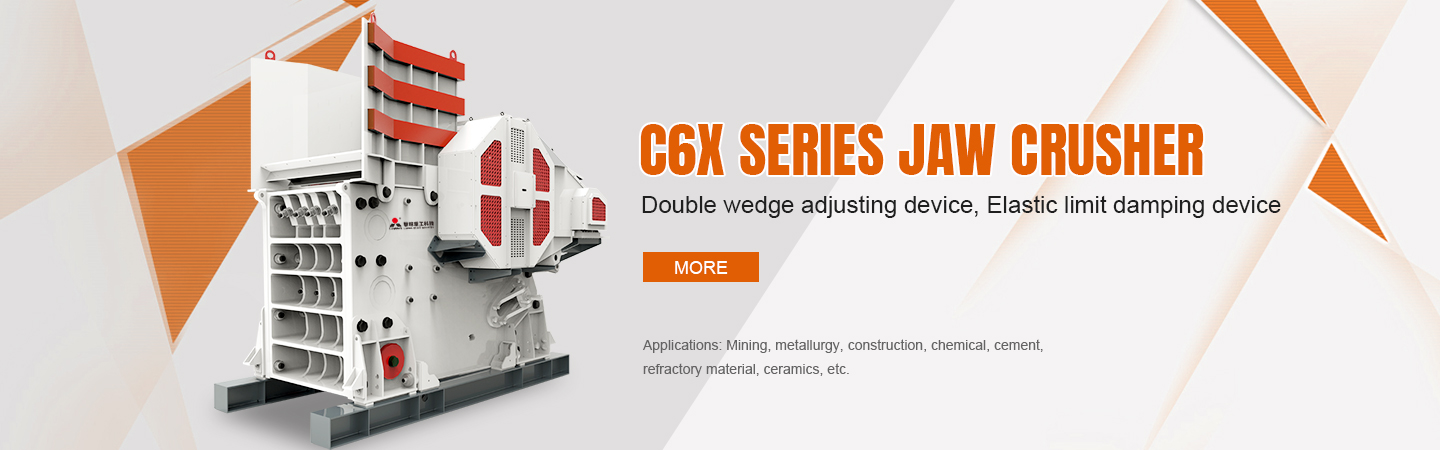
Jaw Crushers: In Mozambique’s hard rock environments—particularly in quartzite and metamorphic formations—primary jaw crushers with deep crushing chambers and high-compressive strength components deliver consistent feed size reduction. Models featuring manganese steel liners and adjustable closed-side settings are preferred for handling variable pebble feed compositions common in niobium and rare earth element deposits.
-
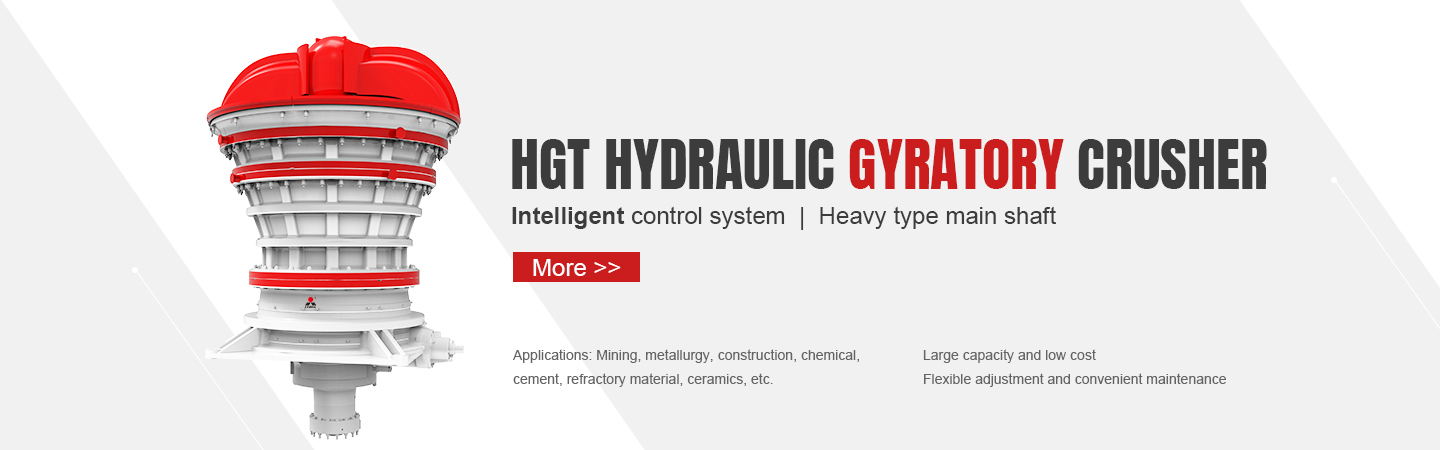
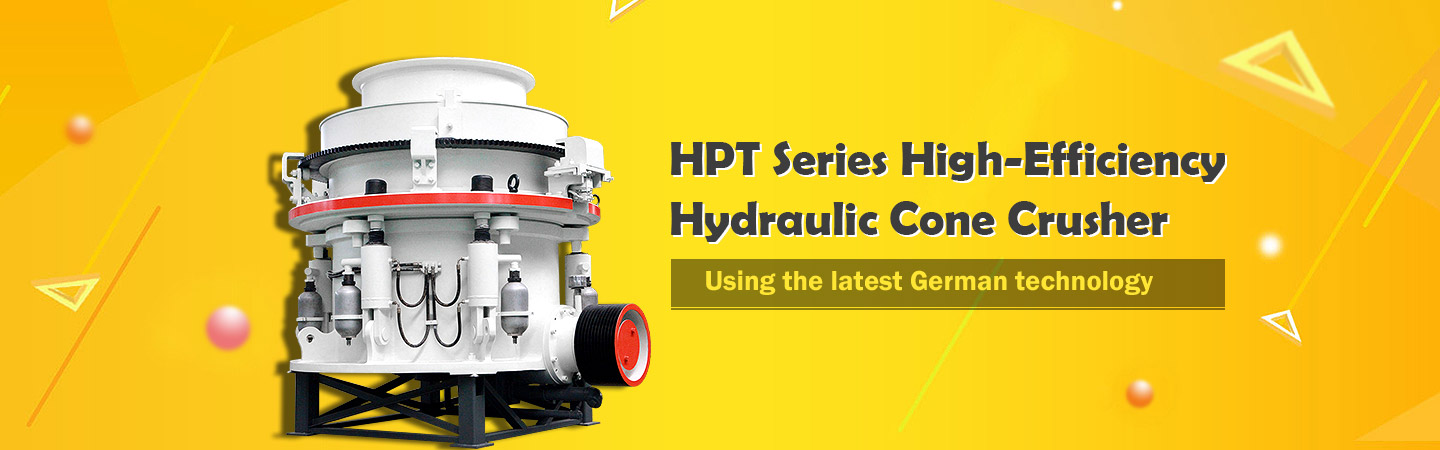
Cone Crushers (Multi-Cylinder Hydraulic): For secondary and tertiary crushing stages, multi-cylinder hydraulic cone crushers provide superior control over product size distribution. Their overload protection systems are critical in Mozambique, where erratic feed hardness due to mixed lithologies can cause abrupt stress spikes. Units with automated tramp release and hydraulic clearance adjustment maintain uptime in remote operations.
-
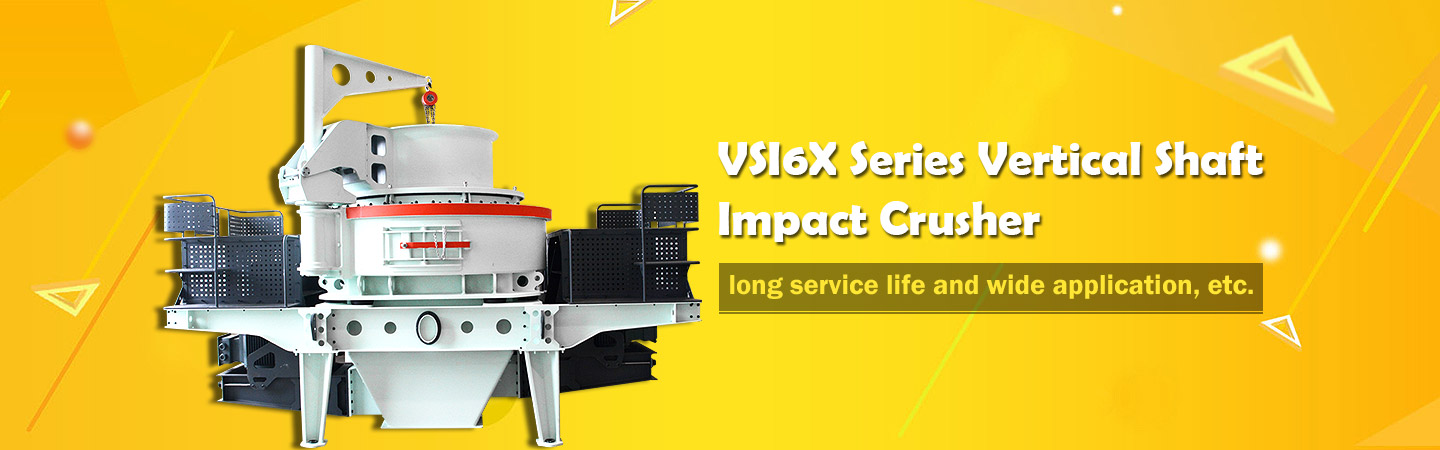
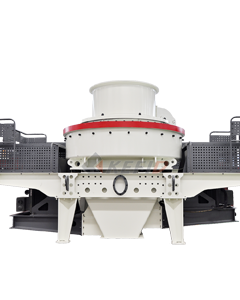
Vertical Shaft Impact (VSI) Crushers: Where construction-grade aggregate or high-value industrial sand is required, VSI crushers excel in producing cubical particles from river pebbles and weathered granites. In Mozambican coastal and alluvial zones, closed-circuit VSI systems with rock-on-rock crushing chambers minimize wear costs and optimize shape for concrete applications.
-
Hybrid Portable Plants: Given Mozambique’s logistical challenges and dispersed project sites, mobile and semi-mobile crushing units integrating jaw-cone-VSI configurations offer rapid deployment. Units with anti-corrosion coatings and elevated chassis are adapted to high humidity and seasonal flooding in low-lying regions such as the Zambezi Delta.
| Equipment Type | Optimal Feed Size (mm) | Output Capacity (tph) | Key Adaptation for Mozambique |
|---|---|---|---|
| Primary Jaw Crusher | 150–800 | 100–600 | Manganese liners; dust suppression for dry inland zones |
| Multi-Cylinder Cone | 50–150 | 80–450 | Hydraulic tramp release; vibration monitoring |
| VSI Crusher | 30–60 | 50–300 | Rock-on-rock chamber; moisture-tolerant feed design |
| Mobile Hybrid Plant | 200–700 | 100–500 | Containerized modules; GPS-enabled remote diagnostics |
Proper equipment selection hinges on site-specific mineralogy and infrastructure access. In the Moatize coal corridor, pebble circuits must integrate magnetic pre-screening to avoid ferrous contamination. In northern Cabo Delgado, where seismic activity is monitored, static loads and foundation design for fixed plants require geotechnical validation. Real-time telemetry systems integrated into crushing circuits enable predictive maintenance—essential in areas with limited technical labor. All solutions must comply with MEM-MIREMPA environmental directives, particularly regarding dust emissions and noise attenuation near communities.
Top Features to Look for in Durable and Low-Maintenance Crushing Machinery
- Robust frame construction utilizing high-tensile steel alloys to withstand continuous vibration and heavy loads, ensuring structural integrity in high-throughput pebble crushing operations
- Sealed, labyrinth-style bearing protection systems to prevent contamination from dust and moisture, significantly reducing wear and unplanned maintenance in Mozambique’s arid and seasonally humid environments
- Hydraulic tramp release and automated clearing mechanisms that allow the crusher to safely eject uncrushable materials, minimizing downtime and protecting critical components
- Optimized cavity design with adjustable closed-side settings for precise output control, enabling consistent production of required aggregate sizes for construction and mining applications
- Integrated overload protection and real-time monitoring via embedded sensors for load, temperature, and vibration, facilitating predictive maintenance and maximizing equipment lifespan
- Energy-efficient drive systems featuring variable frequency drives (VFDs) that adapt motor speed to feed conditions, reducing power consumption without sacrificing throughput
- Wear-resistant manganese steel liners and blow bars with modular design for rapid replacement, reducing changeover time and extending service intervals
- Compact, modular configuration for ease of transport and installation—critical for remote mining sites in Mozambique with limited infrastructure access
- Dual-stage dust suppression integration points compatible with water spray or chemical misting systems, supporting environmental compliance and operator safety
Durable crushing machinery for pebble processing must prioritize operational continuity under abrasive conditions. Equipment should feature hardened components designed for extended wear life, particularly in feed and discharge zones where particle impact is most severe. The use of finite element analysis (FEA)-validated designs ensures stress points are mitigated before deployment. Additionally, low-maintenance attributes such as centralized lubrication systems with continuous oil filtration reduce on-site servicing demands and extend bearing performance.
For Mozambique’s evolving mining and construction sectors, selecting machinery with remote diagnostics capability enables real-time performance tracking and swift troubleshooting, especially valuable in areas with limited technical support. Compatibility with local power sources and fuel efficiency are equally critical to sustain operations in off-grid locations. Ultimately, the ideal crushing solution combines mechanical resilience, intelligent automation, and serviceability to deliver consistent output with minimal lifecycle cost.
How Local Infrastructure and Energy Availability Influence Equipment Selection
-
Proximity to reliable energy sources is a primary determinant in the selection of pebble crushing equipment in Mozambique’s mining and construction sectors. Grid connectivity remains uneven across regions, particularly in remote extraction zones where off-grid or hybrid power solutions are often necessary. In such environments, equipment with lower peak power demands or compatibility with diesel-generator or solar-hybrid systems presents a strategic advantage. High-efficiency electric-driven crushers require stable voltage and frequency, making them viable primarily near urban centers or established mining concessions with substations.
-
Conversely, mobile and semi-mobile crushing units powered by internal combustion engines offer operational flexibility in areas with limited or no grid access. These units, while slightly less efficient in energy conversion, reduce dependency on infrastructure development timelines and allow for earlier project commissioning. Their deployment is particularly effective in Mozambique’s northern and western provinces, where infrastructure lags despite high mineral potential.
-
Transportation infrastructure further influences equipment logistics and configuration. Modular crushing systems that can be disassembled and transported via standard trucks are essential where road quality, bridge load limits, or seasonal weather conditions restrict movement of oversized loads. The availability of rail corridors—such as those linking Tete Province to port terminals—enables deployment of larger, stationary high-throughput systems with lower long-term operating costs.
-
Water availability, though secondary to power and transport, affects dust suppression and closed-circuit wet screening requirements. In arid regions like Gaza Province, dry processing configurations with integrated air filtration and dust control are prioritized to minimize water dependency and comply with environmental regulations.
| Factor | Equipment Implication |
|---|---|
| On-grid power | Enables high-efficiency electric drives, variable frequency drives (VFDs), and automated control systems |
| Off-grid power | Favors diesel-hydraulic drives or hybrid-ready systems with energy recovery capabilities |
| Poor road access | Requires compact, modular units with rapid assembly and transportability |
| Proximity to rail | Supports deployment of large-scale, high-capacity fixed plants |
| Low water availability | Dictates dry crushing and screening setups with advanced dust management |
The integration of local infrastructure constraints into equipment design and selection ensures not only technical feasibility but also sustainable operational economics. For Mozambique, aligning crusher technology with regional energy and transport realities is critical to achieving high efficiency and project bankability.
Support, Maintenance, and Training Services for Long-Term Operational Success
-
Comprehensive support, maintenance, and training services are integral to maximizing the operational lifespan and performance efficiency of high-efficiency pebble crushing equipment in Mozambique’s mining and construction sectors. These services ensure consistent uptime, reduce total cost of ownership, and enhance safety and productivity across diverse operating environments.
-
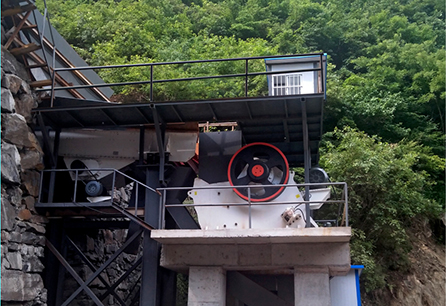
Post-commissioning technical support is delivered through a responsive, locally anchored service network, enabling rapid intervention in the event of equipment anomalies. Remote diagnostics, supported by IoT-enabled monitoring systems, allow real-time performance tracking and predictive maintenance planning. This proactive approach minimizes unplanned downtime and mitigates the risk of component failure under high-load conditions common in hard-rock crushing applications.
-
Preventive maintenance programs are customized based on site-specific operational data, including feed characteristics, duty cycles, and environmental conditions. Scheduled inspections, lubrication management, wear-part replacement protocols, and structural integrity assessments are conducted by certified technicians using OEM-approved tools and procedures. Maintenance logs are digitally maintained to ensure traceability and compliance with equipment warranties and regulatory standards.
-
Spare parts availability is optimized through strategic inventory stocking in key regional hubs within Mozambique, ensuring fast turnaround for critical components. All parts are genuine, engineered to match original design specifications, and subjected to rigorous quality control to maintain crushing efficiency and rotor balance.
-
Training programs are structured to build in-house technical capacity across operational, maintenance, and supervisory personnel. Curriculum modules cover safe operating procedures, routine maintenance tasks, troubleshooting protocols, and emergency response measures. Training is delivered through blended formats—on-site workshops, digital learning platforms, and simulator-based sessions—to accommodate diverse learning needs and operational schedules.
-
Ongoing performance reviews and technical audits are conducted annually to assess equipment health, operator competency, and process optimization opportunities. These evaluations feed into continuous improvement plans, aligning equipment performance with evolving project requirements and sustainability goals.
-
The integration of support, maintenance, and training into a unified service framework ensures long-term operational resilience, enabling Mozambique’s mineral extraction and infrastructure development sectors to achieve peak productivity with minimized lifecycle costs.
Frequently Asked Questions
What is the most efficient type of pebble crushing equipment for hard quartzite in Mozambique?
Jaw crushers paired with cone crushers offer the most efficient solution for processing hard quartzite in Mozambique. The jaw crusher handles primary reduction with high compressive strength resistance, while multi-cylinder hydraulic cone crushers provide precise secondary and tertiary crushing with excellent product shaping—critical for aggregate quality in infrastructure projects.
How does Mozambique’s tropical climate affect pebble crushing equipment performance?
High humidity and seasonal rainfall in Mozambique can lead to material moisture buildup and potential blockages in crushers. Closed-circuit plants with integrated scalping screens, moisture-resistant liners, and adequate drainage systems are recommended. Additionally, using crushers with anti-corrosion coatings and sealed bearings mitigates rust and wear in humid environments.
What capacity range is ideal for pebble crushing plants in Mozambican mining operations?
For mid-scale mining and construction aggregates in Mozambique, a capacity of 100–300 tons per hour (TPH) is optimal. Modular mobile or semi-mobile crushing plants in this range offer scalability, ease of transport across remote regions, and efficient fuel consumption—essential for operations with fluctuating feed rates and logistical constraints.
Are mobile crushing units better than stationary plants for Mozambique’s remote sites?
Yes, mobile pebble crushing units are generally superior for Mozambique’s remote and infrastructure-limited regions. They reduce setup time, eliminate the need for permanent foundations, and allow relocations as quarry fronts shift. Tracked or wheeled mobile jaw and impact crushers offer rapid deployment, especially in tantalum or gemstone mining zones where operations are transient.
How can wear part longevity be maximized in abrasive pebble crushing applications?
Maximizing wear part life requires selecting manganese or high-chrome alloy liners, mantles, and concaves matched to feed hardness. Implementing regular monitoring via automated wear measurement systems, maintaining proper choke feeding, and optimizing closed-side settings (CSS) significantly reduce abrasion. In Mozambique, partnering with OEMs offering local technical support ensures timely replacement and calibration.
What regulatory and environmental considerations affect crusher operations in Mozambique?
Operators must comply with Mozambique’s environmental regulations under the Ministry of Land and Environment, including dust suppression plans, noise control, and EIA (Environmental Impact Assessment) approvals. Water recycling systems and enclosed conveyor designs minimize ecological impact. Equipment should meet ISO 14001 standards and local emission norms for diesel-powered mobile units.
Which crusher setup is best for producing construction-grade aggregates from river pebbles in Mozambique?
A three-stage crushing circuit—primary jaw crusher, secondary cone crusher, and tertiary vertical shaft impact (VSI) crusher—is ideal for producing high-quality, cubical aggregates from river pebbles. This configuration ensures optimal particle shape and gradation for concrete and road base applications, meeting Mozambican construction standards (NPMN) and SANS 1083 specifications.
How important is power supply compatibility when selecting crushing equipment in rural Mozambique?
Critical. Off-grid and rural sites often rely on diesel generators, so selecting crushers with low kW/ton energy consumption and voltage-flexible electric drives is essential. Hybrid systems combining solar-charged battery banks for control systems and diesel-hydraulic crushers offer reliable, cost-efficient operation while reducing long-term fuel dependency.
Can local Mozambican contractors maintain advanced pebble crushing systems?
Yes, but success depends on OEM-provided training programs and availability of spare parts. Leading manufacturers like Sandvik, ZWC, and Powerscreen offer on-site operator training, remote diagnostics, and regional service hubs in Southern Africa. Establishing maintenance partnerships with these providers ensures high uptime and technical proficiency among local teams.
What are the logistical challenges in importing pebble crushing equipment into Mozambique?
Key challenges include port congestion at Maputo or Nacala, customs delays, oversized shipment restrictions, and inland transport limitations. Using containerized modular plants or equipment designed for flat-pack shipping reduces risks. Engaging Mozambican customs brokers and aligning with INCOTERMS that include DAP (Delivered at Place) optimizes import efficiency.
How does feed size variability impact crusher selection in Mozambican quarries?
Highly variable feed sizes necessitate robust primary crushers with large feed openings and overload protection. Hybrid jaw crushers with adjustable toggle plates or semi-mobile units featuring prescreening conveyors prevent bottlenecks. Real-time feed monitoring with sensors ensures consistent throughput and protects downstream equipment from surges.
What safety standards must pebble crushing equipment meet for operation in Mozambique?
Crushing plants must comply with both international (ISO 12100, CE) and Mozambican occupational safety regulations. Key requirements include emergency stop systems, guarded moving parts, dust extraction with PPE integration, and acoustic enclosures. Regular third-party safety audits and OHS training programs in Portuguese or local languages ensure site-wide compliance.