
Table of Contents
- Why Colombia’s Gold Mining Industry Needs Energy-Efficient Crushing Technology
- How Low Power Consumption Crushers Reduce Operational Costs in South American Mines
- High-Efficiency Gold Ore Crushing Equipment Designed for Colombia’s Unique Geology
- Comparing Energy-Saving Technologies in Gold Ore Crushers: Performance & ROI
- Sustainable Mining in Colombia: Cutting Carbon Footprint with Smart Crushing Systems
- Frequently Asked Questions
- What makes energy-saving gold ore crushing equipment ideal for Colombia’s mining operations?
- How does low power consumption impact operational costs in Colombian gold mining?
- Which types of crushers offer the highest energy efficiency for gold ore in tropical climates?
- Can high-efficiency crushing equipment handle variable-grade gold ore commonly found in Colombia?
- What role does equipment automation play in reducing power consumption?
- How do manufacturers optimize gold ore crushing efficiency without sacrificing durability?
- Are mobile or modular crushing units better suited for Colombian gold mines?
- What maintenance practices maximize efficiency and minimize energy waste in crushing equipment?
- How does crusher selection impact downstream processing efficiency in gold recovery?
- What certifications should Colombian buyers look for in energy-saving crushing equipment?
- Can renewable energy integration enhance the efficiency of gold ore crushing systems?
- What are the lifecycle cost advantages of high-efficiency crushing equipment in Colombian mining?
In Colombia’s dynamic mining sector, where rich gold reserves meet growing demands for sustainable practices, the need for efficient, energy-conscious processing solutions has never been more critical. Traditional ore crushing methods often entail excessive power consumption and operational inefficiencies, driving up costs and environmental impact. Enter next-generation energy-saving gold ore crushing equipment—engineered to deliver high throughput and superior reduction ratios while significantly reducing energy use. These advanced systems leverage cutting-edge technologies such as optimized kinematics, intelligent automation, and robust yet lightweight materials to maximize performance with minimal electrical demand. Designed for Colombia’s diverse geological conditions and remote mining operations, these solutions offer not only enhanced durability and lower maintenance but also substantial savings on energy and operational expenses. As the industry shifts toward greener, more cost-effective practices, adopting high-efficiency crushing technology is no longer an option—it’s a strategic imperative for competitive, responsible mining in Colombia’s evolving landscape.
Why Colombia’s Gold Mining Industry Needs Energy-Efficient Crushing Technology
-
Colombia’s gold mining sector, a cornerstone of the national economy, faces mounting pressure to align productivity with environmental responsibility and operational sustainability. With over 80% of mining operations classified as small to medium-scale, energy inefficiency in ore processing remains a systemic challenge, particularly in primary and secondary crushing stages.
-
Conventional crushing equipment in use across many Colombian operations relies on outdated motor systems and suboptimal mechanical designs, resulting in excessive power draw and frequent maintenance cycles. These inefficiencies drive up production costs and limit scalability, particularly in remote regions where grid access is unreliable and diesel-generated power dominates.
-
Energy-efficient crushing technology directly addresses these constraints by integrating variable frequency drives (VFDs), optimized chamber geometries, and high-strength, low-mass components. These innovations reduce power consumption by up to 30% while maintaining or improving throughput, a critical advantage in regions with constrained energy infrastructure.
-
The deployment of energy-saving crushers also supports compliance with Colombia’s evolving environmental regulations, including resolution 1594 of 2020, which mandates reductions in greenhouse gas emissions from extractive industries. Lower energy demand translates directly into reduced carbon footprints, enhancing the sector’s social license to operate.
-
Additionally, energy-efficient systems reduce operational heat and mechanical stress, leading to longer service intervals and lower spare parts consumption—key benefits for operations managing tight maintenance budgets and limited technical staff.
-
Given Colombia’s expanding focus on formalizing artisanal and small-scale mining (ASM), scalable and low-power crushing solutions offer a pathway to modernization without compromising economic viability. These technologies enable higher recovery rates from complex ore bodies while minimizing energy intensity per ton of processed material.
-
The integration of smart monitoring systems in modern crushing equipment further enhances performance by enabling real-time optimization of load distribution and motor output, adapting dynamically to feed variability common in Colombian ore sources.
-
Ultimately, the adoption of energy-efficient crushing technology is not merely an operational upgrade but a strategic imperative. It strengthens the resilience of Colombia’s gold mining industry amid rising energy costs, tightening environmental standards, and growing demand for responsibly sourced minerals.
How Low Power Consumption Crushers Reduce Operational Costs in South American Mines
-
Energy efficiency in mineral processing operations is a decisive factor in reducing operational expenditures, particularly in remote South American mining regions where electricity infrastructure is limited and energy tariffs are high. Low power consumption crushers address this challenge by integrating advanced motor technologies, optimized kinematics, and intelligent load management systems that significantly decrease kilowatt-hour usage per ton of processed gold ore.
-
These crushers utilize variable frequency drives (VFDs) to match motor output with real-time feed conditions, minimizing idle and overload energy waste. Compared to conventional units, modern low-power models achieve up to 30% reduction in energy consumption while maintaining or improving throughput rates. In Colombian gold mines, where grid access is often constrained and diesel-generated power remains costly, such savings translate directly into lower fuel procurement and maintenance costs for auxiliary power systems.
-
Reduced thermal load and mechanical stress from optimized power use extend component lifespan, decreasing the frequency of rotor, bearing, and liner replacements. This reliability reduces unplanned downtime and associated labor costs, particularly critical in high-availability operations where crusher stoppages cascade through downstream processes.
-
Additionally, lower power demand enables integration with renewable microgrids—such as solar or hybrid systems—further insulating operations from volatile energy prices. Mines in Antioquia and Chocó have demonstrated that pairing energy-efficient crushers with localized renewable generation cuts total energy costs by over 40% within three years of deployment.
-
Maintenance intervals are extended due to reduced heat buildup and vibration, decreasing lubricant consumption and technician dispatch frequency—key advantages in geographically isolated sites. Remote monitoring capabilities often embedded in these systems allow predictive maintenance planning, optimizing spare parts logistics and minimizing inventory holding costs.
-
From a lifecycle cost perspective, the capital premium for low power consumption crushers is typically offset within 12 to 18 months through energy and maintenance savings. Regulatory trends in Colombia toward carbon reporting and energy efficiency standards further enhance the long-term economic and compliance value of adopting such equipment.
-
In summary, low power consumption crushers deliver measurable reductions in operational costs through energy savings, enhanced reliability, compatibility with sustainable power sources, and reduced maintenance burdens—making them a strategic asset for economically and environmentally sustainable gold ore processing in South America.
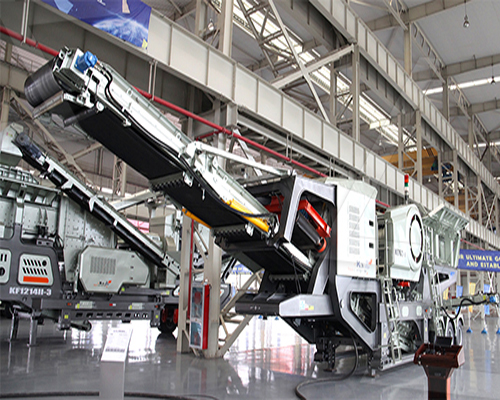
High-Efficiency Gold Ore Crushing Equipment Designed for Colombia’s Unique Geology
-
Engineered for Colombia’s complex geological profile, high-efficiency gold ore crushing equipment integrates advanced kinematics and robust metallurgy to maximize throughput while minimizing energy consumption. The region’s ore bodies—characterized by variable hardness, high silica content, and frequent presence of sulfides—demand solutions tailored to resist abrasion and maintain consistent performance under fluctuating feed conditions.
-
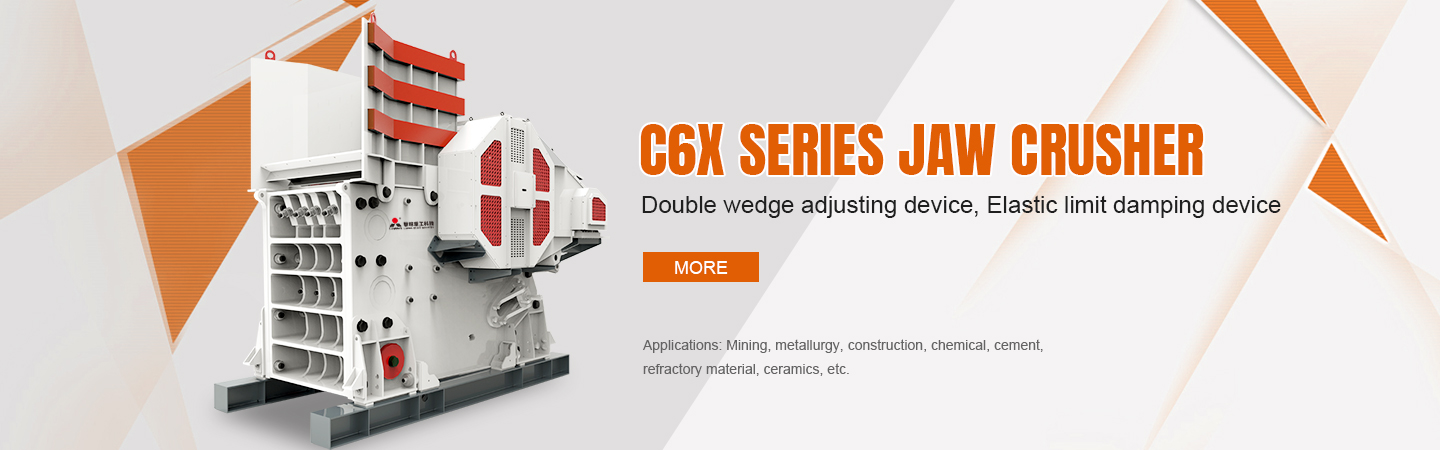
Primary jaw crushers, designed with optimized cavity geometry and adjustable toggle systems, deliver higher reduction ratios in single passes, reducing the need for secondary processing stages. These units utilize high-strength manganese steel liners and modular components for rapid maintenance, critical in remote mining operations where downtime equates to significant operational loss.
-
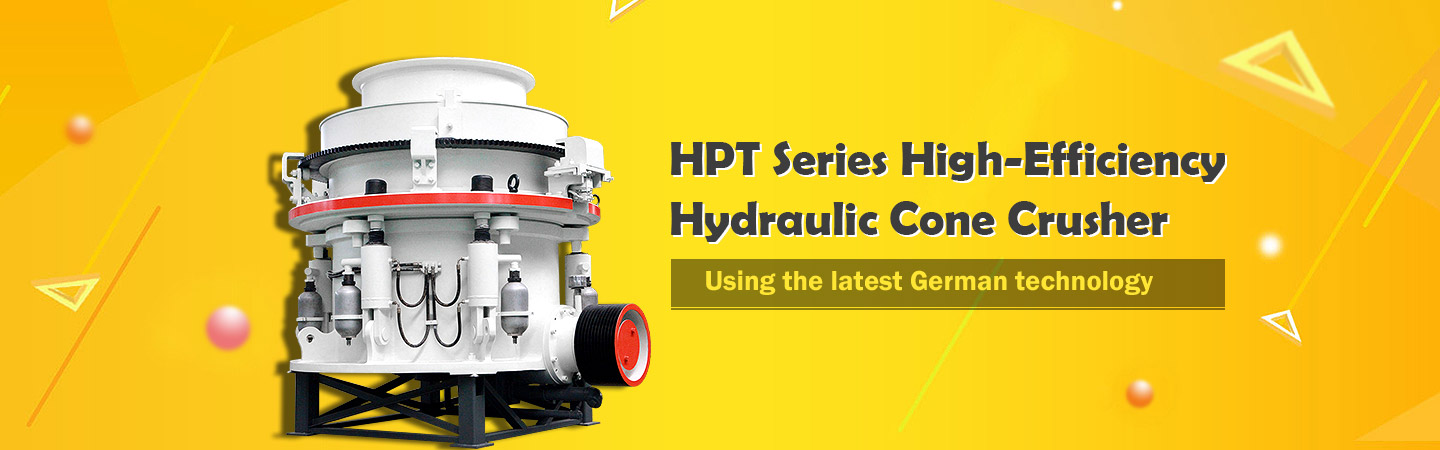
Secondary and tertiary stages employ high-pressure grinding rolls (HPGR) and advanced cone crushers featuring intelligent hydraulic adjustment and real-time load monitoring. These systems adapt dynamically to feed variations common in Colombian alluvial and hard rock deposits, ensuring uniform product size and reduced over-grinding—directly contributing to lower power consumption per ton crushed.
-
The integration of variable frequency drives (VFDs) across crushing circuits enables precise motor control, aligning energy input with material demand. This results in up to 30% reduction in electrical load during low-feed periods, a frequent occurrence in intermittent small-to-medium scale operations prevalent in Antioquia and Chocó.
| Feature | Benefit in Colombian Context |
|---|---|
| Modular jaw dies | Rapid replacement in areas with limited technical support |
| HPGR technology | Energy savings of 15–25% vs. conventional SAG mills |
| Dust suppression integration | Complies with environmental regulations in ecologically sensitive zones |
| Remote monitoring via IoT | Enables predictive maintenance across dispersed mining sites |
-
Equipment frameworks also incorporate corrosion-resistant coatings and sealed bearing systems to withstand Colombia’s tropical humidity and seasonal rainfall, preserving mechanical integrity and reducing unplanned servicing. Additionally, mobile and semi-mobile crushing plants offer strategic flexibility, enabling relocation across concession boundaries without substantial civil works.
-
By combining energy-efficient drive systems with geology-responsive design, modern crushing solutions achieve throughputs exceeding 200 tph at specific energy draws below 1.2 kWh/ton—setting new benchmarks for sustainability and productivity in Colombia’s gold sector.
Comparing Energy-Saving Technologies in Gold Ore Crushers: Performance & ROI
| Technology | Specific Energy Consumption (kWh/t) | Throughput Efficiency (t/h) | Maintenance Intensity | Estimated ROI Period (Years) |
|---|---|---|---|---|
| High-Pressure Grinding Rolls (HPGR) | 1.8–2.4 | High | Low | 2.5–3.5 |
| Variable Frequency Drive (VFD) Retrofitted Jaw Crushers | 3.0–3.6 | Moderate to High | Low | 1.8–2.5 |
| Hybrid Cone Crushers with Optimized Liner Profiles | 2.6–3.2 | High | Moderate | 2.0–3.0 |
| Sensor-Based Ore Sorting Pre-Crushing Systems | 1.5–2.2 (system-wide) | Variable | Low to Moderate | 2.2–3.8 |
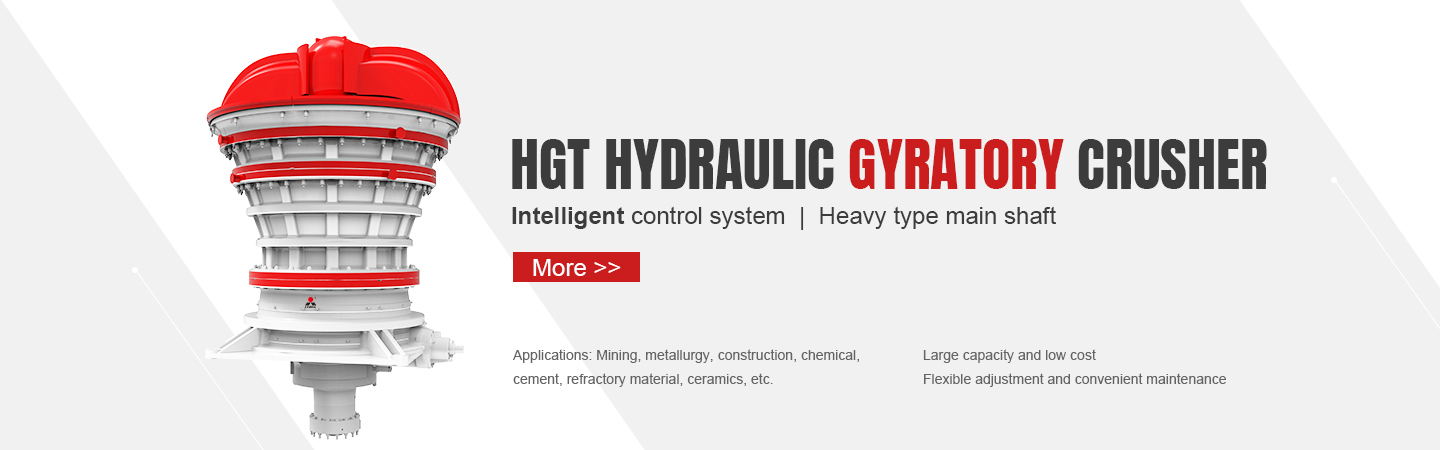
Energy efficiency in gold ore crushing operations is a critical performance determinant, particularly in Colombia’s energy-cost-sensitive mining regions. Among available technologies, High-Pressure Grinding Rolls (HPGR) deliver among the lowest specific energy consumption, leveraging compressive inter-particle crushing to reduce downstream load. Their integration into primary or secondary circuits consistently achieves 20–30% energy savings over conventional cone crushers, with faster payback in high-tonnage operations.
Variable Frequency Drive (VFD) retrofits represent a cost-effective upgrade path for existing jaw crusher installations. By dynamically adjusting motor speed to feed conditions, VFDs eliminate energy waste during underload operation and reduce mechanical stress. Field data from Antioquia-based operations show sustained energy reductions of 18–25%, with ROI often realized in under two years due to low upfront costs and minimal downtime during installation.
Hybrid cone crushers incorporating adaptive chamber design and high-efficiency motors achieve balanced performance between throughput and energy use. Their optimized liner profiles extend wear life and maintain consistent product size, reducing recirculation load. While initial capital exceeds standard models, the cumulative energy and maintenance savings support compelling ROI, particularly in variable ore hardness environments.
Sensor-based pre-crushing sorting systems offer transformative energy savings by rejecting waste rock upstream. Using X-ray transmission or laser sensing, these systems eject barren material before crushing, reducing effective throughput by 15–30%. Though dependent on ore heterogeneity, sites with high waste-to-ore ratios report system-wide energy reductions exceeding 25%, with payback periods aligned with mid-life plant upgrades.
For Colombian gold operations, technology selection must balance ore characteristics, scale, and grid reliability. HPGR and sensor-based sorting offer the highest efficiency gains but require significant capital and process re-engineering. VFD integration provides immediate, scalable benefits, making it ideal for incremental modernization.
Sustainable Mining in Colombia: Cutting Carbon Footprint with Smart Crushing Systems
-
Sustainable mining in Colombia is increasingly defined by strategic integration of energy-efficient technologies, with smart crushing systems emerging as pivotal enablers of carbon footprint reduction in gold ore processing. As Colombia intensifies its commitment to decarbonization under national climate targets and international mining sustainability frameworks, operators are prioritizing equipment upgrades that balance throughput, energy use, and environmental performance.
-
Conventional jaw and cone crushers have historically contributed significantly to mine-site energy demand and indirect emissions due to inefficient motor loads and suboptimal operational parameters. In contrast, modern smart crushing systems incorporate variable frequency drives (VFDs), real-time sensor feedback, and adaptive control algorithms that dynamically adjust crusher settings based on feed characteristics. This precision reduces energy waste, minimizes mechanical wear, and enhances overall comminution efficiency.
-
In Colombia’s Andean and Pacific regions, where gold ore often exhibits variable hardness and moisture content, the adaptability of smart crushers ensures consistent performance while reducing specific energy consumption by up to 25% compared to legacy systems. These systems also integrate with plant-wide energy management platforms, enabling centralized monitoring of power draw and equipment health—key features for mines pursuing ISO 50001 certification or ESG compliance.
-
Furthermore, the deployment of high-efficiency motors, regenerative braking mechanisms, and optimized crushing chamber geometries contributes to lower grid dependency and reduced diesel generator use in off-grid operations. For remote artisanal and small-scale mining (ASM) cooperatives supported by formalization initiatives, modular smart crushers with solar hybrid power compatibility offer scalable, low-emission alternatives.
-
Equipment manufacturers serving the Colombian market are now co-engineering solutions tailored to local geology and infrastructure constraints, emphasizing ruggedness, ease of maintenance, and lifecycle energy modeling. These advancements align with Colombia’s National Mining Agency (ANM) directives to modernize extraction practices while advancing energy sovereignty.
-
Ultimately, the adoption of intelligent, low-power gold ore crushing equipment is not merely an operational upgrade—it represents a foundational shift toward carbon-conscious mining. As Colombia positions itself as a leader in responsible resource development, smart crushing systems will remain instrumental in achieving both economic efficiency and environmental stewardship.

Frequently Asked Questions
What makes energy-saving gold ore crushing equipment ideal for Colombia’s mining operations?
Energy-saving gold ore crushing equipment is engineered to operate efficiently in Colombia’s diverse terrains and remote mining locations, where power supply can be inconsistent and costly. These systems incorporate variable frequency drives (VFDs), optimized chamber designs, and high-efficiency motors to reduce power consumption by up to 30%. Their modular construction allows for easier transport and installation in challenging Andean or Amazonian regions, while maintaining consistent throughput—critical for small-to-medium-scale gold operations common in Colombia.
How does low power consumption impact operational costs in Colombian gold mining?
Low power consumption directly reduces electricity and fuel expenses, which are significant cost drivers in off-grid or diesel-dependent mining operations across Colombia. High-efficiency crushers with energy recovery systems and intelligent load balancing can cut energy costs by 25–40%, improving profit margins. For Colombian miners operating under tight regulatory and environmental constraints, reduced energy use also supports compliance with sustainability standards and lowers the carbon footprint per ton of ore processed.
Which types of crushers offer the highest energy efficiency for gold ore in tropical climates?
In Colombia’s tropical and humid climates, hybrid jaw-cone crusher systems with corrosion-resistant alloys and sealed bearings deliver optimal energy efficiency. Modern hydraulic cone crushers with automated cavity clearing and real-time power monitoring adjust dynamically to feed variations, minimizing energy waste. Additionally, pre-screening feed material reduces recirculation load, further enhancing efficiency. These features ensure durability and sustained performance despite high moisture and abrasive content in Colombian gold deposits.
Can high-efficiency crushing equipment handle variable-grade gold ore commonly found in Colombia?
Yes, advanced energy-saving crushers are designed with adjustable settings and adaptive control systems that accommodate fluctuating ore hardness and feed size. For Colombia’s geologically complex zones—like Antioquia and Chocó—this adaptability ensures consistent reduction ratios without overloading motors. Intelligent sensors detect material density and adjust stroke and speed accordingly, maintaining high throughput while minimizing energy per ton, even with mixed-grade feed.
What role does equipment automation play in reducing power consumption?
Automation in energy-saving crushers includes real-time monitoring of motor load, feed rate, and chamber pressure, enabling predictive optimization. Systems integrated with SCADA or IoT platforms analyze operational data to prevent inefficiencies such as jamming or underfeeding. In Colombian operations, where skilled labor may be limited, automated overload protection and shutdown procedures also prevent energy spikes and costly downtime.
How do manufacturers optimize gold ore crushing efficiency without sacrificing durability?
Top-tier equipment uses finite element analysis (FEA) to reinforce high-stress zones while minimizing material mass, reducing inertia and energy demand. Wear parts made from ultra-high manganese steel or composite alloys extend service life in abrasive gold ore environments. Additionally, optimized kinematics—such as pendulum motion in energy-efficient jaw crushers—maximize material flow and reduce power draw, maintaining durability in Colombia’s rugged mining conditions.
Are mobile or modular crushing units better suited for Colombian gold mines?
Modular, mobile crushing units are superior for Colombia’s artisanal and small-scale mining sectors due to their portability, quick setup, and scalability. These systems reduce infrastructure costs and can be relocated as deposits deplete. Equipped with energy-efficient diesel-electric hybrid drives, they maintain high productivity with lower fuel consumption—ideal for remote operations where grid access is limited.
What maintenance practices maximize efficiency and minimize energy waste in crushing equipment?
Regular calibration of toggle tension, lubrication of bearings, and inspection of wear liners are essential to sustain efficiency. In Colombia, using condition monitoring tools (e.g., vibration sensors, thermal imaging) allows predictive maintenance, preventing energy-draining mechanical faults. Cleaning crushing chambers promptly and aligning feed conveyors also ensure uniform loading, avoiding motor strain and power spikes.
How does crusher selection impact downstream processing efficiency in gold recovery?
An energy-efficient primary crusher producing uniformly sized output (typically 10–20 mm) improves ball mill feed consistency, reducing grinding energy by 15–20%. For Colombian operations integrating cyanidation or gravity recovery, optimized fragmentation enhances gold liberation, increasing recovery rates. Proper crusher selection thus has a cascade effect on the entire processing chain’s efficiency.
What certifications should Colombian buyers look for in energy-saving crushing equipment?
Buyers should prioritize equipment certified under ISO 50001 (energy management), CE, and EPA Tier 4 Final emissions standards. Third-party energy efficiency validations (e.g., ENERGY STAR industrial benchmarks) and compliance with Colombia’s MinAmbiente regulations ensure both performance credibility and regulatory alignment. Manufacturer-provided energy consumption audits and lifecycle assessments add accountability.
Can renewable energy integration enhance the efficiency of gold ore crushing systems?
Yes, energy-saving crushers with low inrush currents and DC compatibility can be paired with solar-hybrid microgrids common in Colombian off-grid mines. Systems with energy storage buffers allow operation during non-sunny periods, while real-time load management aligns high-power crushing cycles with peak solar generation. This integration cuts diesel dependency and stabilizes energy costs over long-term deployments.
What are the lifecycle cost advantages of high-efficiency crushing equipment in Colombian mining?
Despite higher initial investment, energy-efficient crushers deliver 20–35% lower total cost of ownership over a 10-year lifecycle due to reduced power, maintenance, and downtime expenses. In Colombia, where operational continuity impacts profitability, high uptime and energy resilience enhance return on investment. Additionally, compliance with environmental policies mitigates future regulatory risks and potential retrofitting costs.