Table of Contents
- Why Gabbro Crushing is Critical for Sweden’s Construction and Infrastructure Growth
- Top Gabbro Crusher Types Optimized for Sweden’s Harsh Nordic Conditions
- Leading Gabbro Crusher Manufacturers Supplying the Swedish Market
- How Swedish Quarries Are Maximizing Output with Advanced Gabbro Crushing Technology
- Environmental and Operational Considerations for Gabbro Crushers in Sweden
- Frequently Asked Questions
- What type of gabbro crusher is best suited for Swedish quarry conditions?
- How does sub-zero climate affect gabbro crusher performance in Sweden?
- What are the compliance requirements for operating a gabbro crusher in Sweden?
- How can wear parts longevity be maximized in Swedish gabbro crushing operations?
- What feed size range is ideal for a gabbro crusher in Nordic quarry applications?
- Which crushing circuit configuration delivers the highest efficiency for Swedish gabbro producers?
- How do Nordic power sources impact gabbro crusher selection?
- What dust and noise mitigation strategies are mandated in Swedish gabbro quarries?
- How does automation improve gabbro crusher productivity in Sweden?
- What’s the average production capacity of a gabbro crushing plant in Sweden?
- Are mobile gabbro crushers viable in remote Swedish locations?
- How do Swedish sustainability standards influence gabbro crusher design choices?
In the rugged landscapes of Scandinavia, where durability and performance define the infrastructure that binds nations, the demand for high-quality aggregates has never been greater. Gabbro, with its exceptional strength and resilience, stands as a cornerstone material in road construction, railway ballast, and heavy-duty concrete applications across Sweden. Meeting this demand requires more than brute force—it demands precision, efficiency, and innovation in crushing technology. Enter advanced gabbro crusher solutions engineered specifically for Sweden’s challenging geological and climatic conditions. Designed for maximum throughput, minimal downtime, and energy-efficient operation, these high-performance crushing systems are transforming aggregate production across the region. From primary jaw crushers to sophisticated cone and impact solutions, modern equipment delivers consistent gradation and superior product shape—critical for today’s stringent construction standards. As Sweden continues to invest in sustainable infrastructure, the integration of robust, intelligent crushing technology ensures that gabbro processing is not only efficient but future-ready.
Why Gabbro Crushing is Critical for Sweden’s Construction and Infrastructure Growth
-
Gabbro, a coarse-grained, dark-colored igneous rock abundant in Sweden’s Precambrian bedrock, serves as a cornerstone material for durable construction and infrastructure development. Its high compressive strength, resistance to weathering, and excellent skid resistance make it ideal for road surfacing, railway ballast, and high-performance concrete applications. Crushing gabbro efficiently and to precise specifications is therefore not merely an operational task—it is a strategic imperative for Sweden’s sustained infrastructure advancement.
-
Sweden’s commitment to resilient, long-life infrastructure—evident in national road expansions, rail modernization projects like the Stockholm Bypass, and urban development in rapidly growing municipalities—demands a consistent supply of high-quality crushed aggregate. Gabbro, when properly crushed, delivers superior mechanical properties compared to many alternative rock types, reducing lifecycle maintenance costs and enhancing structural integrity.
-
However, gabbro’s inherent hardness and abrasiveness present significant challenges for standard crushing equipment, leading to accelerated wear, higher energy consumption, and reduced throughput if not addressed with purpose-built technology. High-efficiency crushing solutions—featuring optimized chamber design, advanced materials handling, and intelligent automation—are essential to achieve target particle shape, size distribution, and production rates without compromising operational sustainability.
-
Modern gabbro crushing plants deployed across Scandinavia integrate tier-4 compliant electric and hybrid-drive crushers, wear-resistant manganese and composite liners, and closed-loop screening systems to maximize yield and minimize waste. These systems ensure compliance with Sweden’s stringent environmental regulations while supporting electrification and carbon reduction goals in the construction sector.
-
Furthermore, localized gabbro crushing reduces reliance on imported aggregates, enhances supply chain resilience, and supports regional economies—particularly in northern Sweden, where infrastructure demands are increasing alongside mining and renewable energy projects.
-
In summary, efficient gabbro crushing directly enables Sweden’s capacity to deliver durable, sustainable, and cost-effective infrastructure. Investing in advanced, Scandinavian-optimized crushing technology is not a peripheral concern—it is central to maintaining construction momentum in one of Europe’s most geologically and climatically demanding regions.
Top Gabbro Crusher Types Optimized for Sweden’s Harsh Nordic Conditions
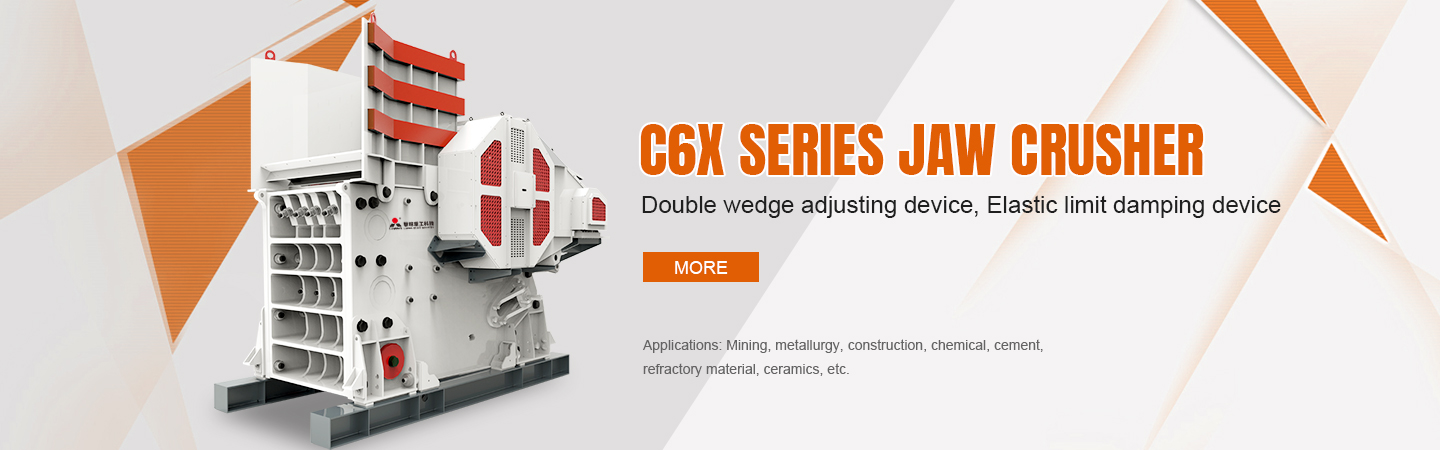
- Jaw Crushers with Reinforced Frames and Cold-Resistant Alloys
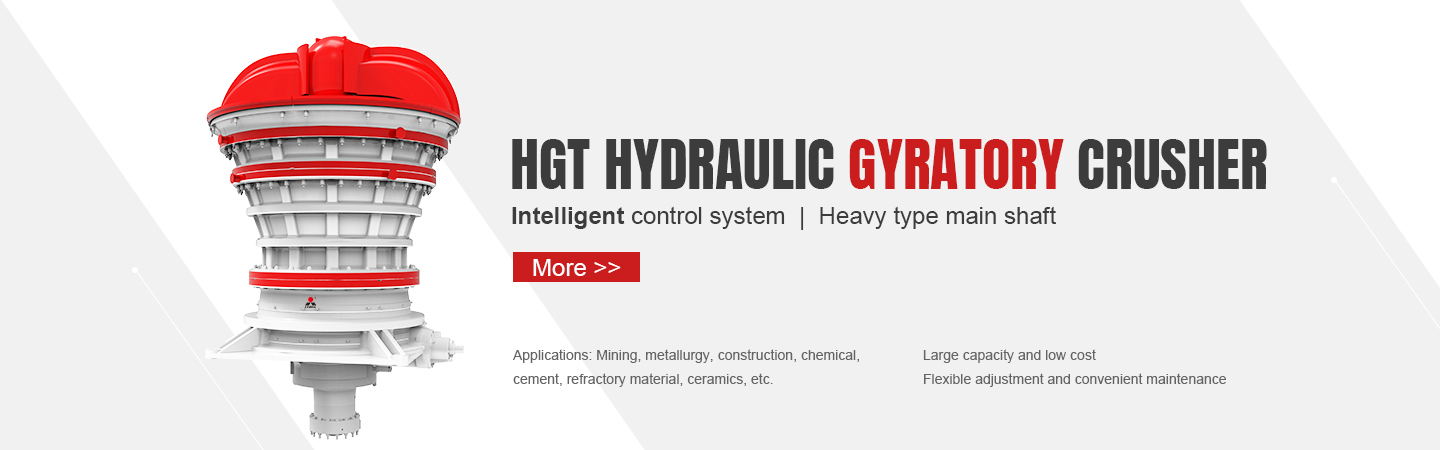
- Gyratory Crushers Featuring Heated Lubrication Systems
- Robust Cone Crushers with Hydraulic Tramp Release and Anti-Icing Housings
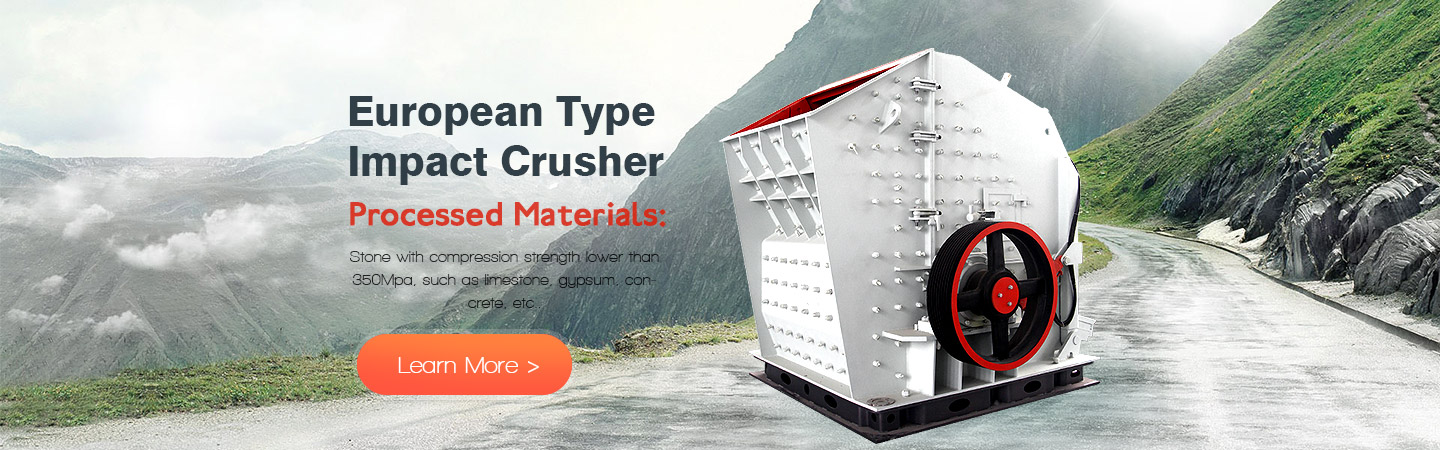
- Impact Crushers Designed for Low-Temperature Operation with Insulated Rotors
In Sweden’s demanding Nordic environment, characterized by sub-zero temperatures, high moisture levels, and abrasive gabbro feedstocks, crusher selection is critical to maintaining operational continuity and crushing efficiency. Gabbro, a dense, hard igneous rock prevalent in Scandinavian quarries, requires robust machinery capable of sustained performance under mechanical and thermal stress. The following crusher types have been optimized for these conditions, ensuring reliability, longevity, and consistent product quality.
Jaw crushers remain a primary choice for initial gabbro reduction, particularly models engineered with reinforced steel frames and cold-resistant manganese alloys. These enhancements prevent brittle fracture in temperatures frequently below -20°C and improve wear resistance against gabbro’s high silica content. Pre-heating systems for lubricants and electrically heated hydraulic lines further ensure cold-start reliability.
Gyratory crushers, deployed in high-capacity installations, incorporate heated lubrication circuits to maintain oil viscosity during extended winter operations. Their sealed bearing assemblies minimize moisture ingress, reducing corrosion and unplanned downtime. Advanced monitoring systems track bearing temperature and alignment in real time, enabling predictive maintenance in remote locations.
Cone crushers, ideal for secondary and tertiary crushing, feature hydraulic tramp release mechanisms that protect internal components from uncrushable material—common in gabbro feed with embedded quartz veins. Units designed for Nordic use include insulated housing and trace heating on hydraulic reservoirs to prevent fluid gelling. Closed-circuit configurations with integrated screens enhance final product consistency despite variable moisture in feed material.
Impact crushers, while less common for hard gabbro, are viable when equipped with hardened blow bars and insulated rotors to mitigate thermal shock. Their inclusion is justified in specialized applications requiring cubical particle shape and high throughput under controlled feed conditions.
All equipment must comply with stringent Swedish environmental and safety standards, including noise reduction and dust suppression integration. OEMs supplying to the Scandinavian market increasingly offer modular, containerized units with remote diagnostics—critical for minimizing service delays in sparsely populated or arctic regions.
Leading Gabbro Crusher Manufacturers Supplying the Swedish Market
-
ZWC Outotec
ZWC Outotec stands as a dominant force in Sweden’s gabbro crushing sector, leveraging its Nordic roots and extensive local service network. The company delivers integrated crushing solutions engineered for high productivity and durability in cold climates. Its Nordberg® MP series cone crushers are particularly suited to gabbro processing, offering consistent gradation and reduced wear costs. ZWC’s modular plant designs facilitate rapid deployment and integration into existing aggregate operations, with automation systems like IC7000 enhancing process control and energy efficiency. With service hubs in Gothenburg and Malmö, ZWC ensures prompt technical support and spare parts delivery across Sweden. -
Sandvik Mining and Rock Solutions
Sandvik combines Swedish engineering excellence with global application expertise, positioning itself as a preferred supplier of gabbro crushing equipment. The QH and QS series cone crushers are optimized for hard rock applications such as gabbro, providing high reduction ratios and cubical particle shape—critical for premium aggregate markets. Sandvik’s Crushers 4.0 digital platform enables predictive maintenance and remote diagnostics, minimizing unplanned downtime. The company’s commitment to sustainability is reflected in low-emission electric-driven models and energy-efficient drive systems, aligning with Sweden’s stringent environmental policies. Local manufacturing in Sweden enhances supply chain resilience and customization capabilities. -
Terex Minerals Processing Systems
Terex MPS has strengthened its presence in Scandinavia through strategic partnerships and tailored solutions for challenging feed materials like gabbro. The company’s Canica VSI crushers are frequently deployed in tertiary and quaternary stages to produce high-quality, well-shaped aggregates. Terex’s Eagle jaw crushers provide robust primary crushing performance with advanced toggle systems that reduce maintenance intervals. Mobile and hybrid plant configurations offer flexibility for seasonal operations and remote quarry sites. The company’s collaboration with Swedish distributors ensures regulatory compliance and technical training in line with local safety standards. -
Kleemann (Wirtgen Group)
Represented in Sweden through authorized dealers, Kleemann offers the MOBICAT series of mobile jaw and cone crushers, widely adopted for gabbro due to their compact footprint and high throughput. The MR 130 Z and MC 120 Z models feature intelligent crushing control and integrated screening, maximizing yield. Kleemann’s solutions are particularly effective in infrastructure projects requiring on-site crushing and material recycling. Fuel efficiency and noise reduction technologies meet Sweden’s environmental benchmarks, while digital reporting tools streamline reporting for sustainability audits.
How Swedish Quarries Are Maximizing Output with Advanced Gabbro Crushing Technology
-
Implementation of advanced gabbro crushing technology has significantly elevated productivity across Swedish quarries, where geomechanical conditions and high production demands necessitate precision and durability in aggregate processing. Gabbro, a dense, coarse-grained igneous rock abundant in Sweden’s bedrock, presents unique challenges due to its high abrasiveness and compressive strength. Modern crushing solutions—specifically engineered for Scandinavian geological profiles—have become instrumental in overcoming these challenges while maximizing yield and operational efficiency.
-
Leading Swedish operations now deploy multi-stage crushing circuits anchored by high-performance primary jaw crushers and secondary cone crushers equipped with intelligent automation systems. These systems utilize real-time feedback loops to adjust closed-side settings, optimize throughput, and reduce wear on critical components. Integration with Supervisory Control and Data Acquisition (SCADA) platforms enables remote monitoring of vibration, temperature, and power draw, facilitating predictive maintenance and minimizing unplanned downtime.
-
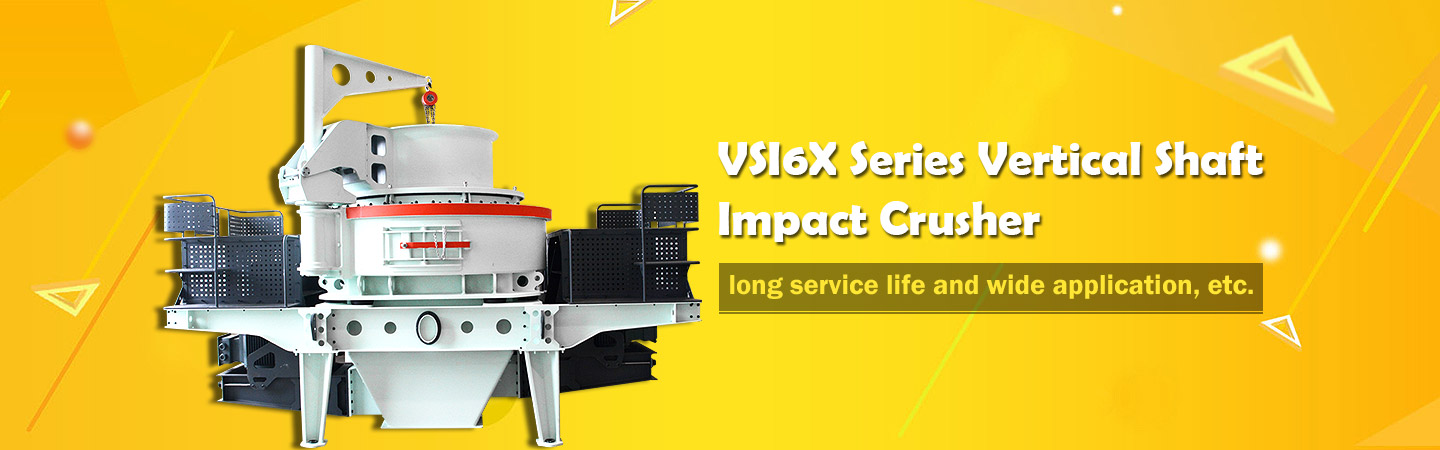
A key advancement lies in the development of hydraulic tramp release mechanisms and optimized liner profiles tailored to gabbro’s fracture mechanics. These enhancements extend component life by up to 35% compared to conventional setups, directly reducing operating costs and increasing uptime. Additionally, tertiary vertical shaft impact (VSI) crushers are increasingly employed to produce high-quality, cubically shaped aggregates that meet strict Swedish and EU specifications for road construction and precast concrete.
| Technology Component | Benefit in Gabbro Processing |
|---|---|
| Intelligent Cone Crushers | Adaptive crushing parameters, reduced fines |
| Wear-Resistant Liner Alloys | Extended service life in abrasive gabbro feed |
| Closed-Circuit Screening | Precise gradation control, minimal over-crushing |
| Energy-Optimized Drivetrains | 18–22% lower kWh/ton compared to legacy systems |
-
Sustainability is further enhanced through closed-loop water recycling and noise-dampened enclosures compliant with Swedish environmental regulations. Modular plant designs allow rapid reconfiguration, enabling quarries to adapt swiftly to changing market demands or feed variations.
-
The integration of data analytics and digital twin modeling is setting new benchmarks in process optimization. By simulating crusher performance under variable feed conditions, operators can pre-empt bottlenecks and maintain consistent product quality. As Swedish infrastructure projects intensify, these technological advancements ensure reliable, high-volume gabbro supply with minimal environmental impact.
Environmental and Operational Considerations for Gabbro Crushers in Sweden
-
Sweden’s stringent environmental regulations and unique climatic conditions necessitate specialized operational planning for gabbro crushing operations. Compliance with the Swedish Environmental Code and EU directives—particularly those governing emissions, noise, and water discharge—is foundational to sustainable quarrying.
-
Cold climate operations present logistical challenges, particularly during winter months when temperatures can fall below -20°C. Equipment must be fitted with cold-weather packages, including hydraulic system heaters, cold-resistant lubricants, and enclosed operator cabins with efficient heating. Failure to implement adequate winterization increases equipment downtime and maintenance costs.
-
Dust generation during gabbro crushing is a critical environmental concern. Sweden’s focus on air quality requires integrated dust suppression systems, such as enclosed conveyors, water sprays at transfer points, and high-efficiency baghouse filters on screening and crushing units. Real-time particulate monitoring is increasingly adopted to ensure continuous compliance with national air quality standards.
-
Noise mitigation is equally critical, particularly in proximity to residential zones or protected natural areas. Strategic placement of crushers, sound-dampening enclosures, and low-noise conveyor designs are standard best practices. Environmental impact assessments often require predictive noise modeling prior to operation.
-
Water management must address both runoff control and sediment containment. Closed-loop water recycling systems minimize freshwater consumption and reduce discharge risks. All sediment basins and drainage pathways must adhere to regulations set by the Swedish Environmental Protection Agency to prevent contamination of local waterways.
-
Energy efficiency is a key operational metric. Swedish crushers increasingly integrate variable frequency drives (VFDs), energy recovery systems, and automated load optimization to reduce electrical demand. Many operators are transitioning to hybrid or fully electric crushing plants to align with national carbon neutrality goals.
-
Finally, site rehabilitation planning must begin at the project’s inception. The Swedish model emphasizes progressive reclamation, where landforms are restored incrementally, ensuring minimal long-term ecological disruption. This approach supports biodiversity and often facilitates post-mining land use, such as forestry or renewable energy development.
Frequently Asked Questions
What type of gabbro crusher is best suited for Swedish quarry conditions?
A robust jaw crusher paired with a cone crusher secondary stage is optimal for Sweden’s hard, abrasive gabbro deposits. Given the country’s cold climate and high demand for durable aggregates in infrastructure, primary crushers with hydraulic protection systems and anti-freeze lubrication are recommended. Models like the Sandvik QJ341 (jaw) and CH440 (cone) are widely trusted for their reliability in Scandinavian operations.
How does sub-zero climate affect gabbro crusher performance in Sweden?
Cold temperatures can cause material freeze-up, lubricant thickening, and metal brittleness. To mitigate this, crushers used in Sweden must feature enclosed lubrication systems with heaters, electrical tracing on critical components, and weather-protective enclosures. Pre-heating protocols and cold-weather greases (e.g., ISO VG 100 or lower) are essential for maintaining uptime during winter.
What are the compliance requirements for operating a gabbro crusher in Sweden?
Gabbro crushers in Sweden must comply with EU CE standards, Swedish Work Environment Authority (Arbetsmiljöverket) regulations, and environmental permits under the Environmental Code. Noise emissions must meet HA-LJ02/07 (typically <80 dB at 7 m), and dust control systems must adhere to the Swedish Environmental Protection Agency’s PM10 guidelines.
How can wear parts longevity be maximized in Swedish gabbro crushing operations?
Due to gabbro’s high silica and hardness (Mohs 6–7), using premium manganese steel liners (Mn18Cr2 or Mn22) in jaw and cone crushers significantly extends wear life. Implementing real-time condition monitoring, proper choke feeding, and maintaining correct closed-side settings (CSS) reduces fatigue and abrasion. OEM-recommended tier wear components from manufacturers like ZWC and Sandvik outperform generic alternatives.
What feed size range is ideal for a gabbro crusher in Nordic quarry applications?
The optimal primary feed size for gabbro crushers in Sweden is 0–750 mm, aligning with typical blast fragmentation practices in Nordic quarries. Primary jaw crushers should have a large feed opening (e.g., 1100 mm x 700 mm) to accommodate larger boulders. Secondary crushers perform best with 0–150 mm input to ensure consistent product gradation for asphalt and concrete applications.
Which crushing circuit configuration delivers the highest efficiency for Swedish gabbro producers?
A three-stage closed-circuit setup—primary jaw crushing, secondary cone crushing, and tertiary high-efficiency cone or vertical shaft impact (VSI) crushing—delivers superior gradation control and capacity. Integrating screens with spray bars for wash and classification ensures compliance with Swedish road authority (Trafikverket) aggregate specs, particularly for 4–16 mm fractions.
How do Nordic power sources impact gabbro crusher selection?
Sweden’s grid-supplied renewable electricity (hydro and nuclear) supports electric-driven crushers, eliminating diesel emissions and lowering operational costs. Modern electric-hybrid crushers like the ZWC Lokotrack LT1213S (impact) or Nordberg GPY530 (cone) offer higher efficiency and reduced carbon footprint—key for ESG-compliant operations.
What dust and noise mitigation strategies are mandated in Swedish gabbro quarries?
Swedish regulations require enclosed conveyor transfer points, water spray systems at all feed and discharge points, and centralized baghouse dust collectors with HEPA filtration. Noise abatement includes sound enclosures, mufflers on compressors, and topographical screening. Real-time environmental monitoring is increasingly adopted to meet local municipality permit conditions.
How does automation improve gabbro crusher productivity in Sweden?
Swedish operators leverage crusher automation platforms like ZWC Metrics or Sandvik Automation Suite for predictive maintenance, load optimization, and remote diagnostics. These systems integrate with SCADA and GPS fleet management to reduce downtime, especially critical during short operational windows in winter months.
What’s the average production capacity of a gabbro crushing plant in Sweden?
Mid-sized stationary plants in Sweden typically produce 300–600 tph, while mobile setups (e.g., ZWC Lokotrack series) range from 200–400 tph. Throughput depends on gabbro hardness, moisture content, and discharge specifications. High-output plants serving major infrastructure projects (e.g., E4 corridor expansion) often exceed 800 tph with dual-line circuits.
Are mobile gabbro crushers viable in remote Swedish locations?
Yes, mobile crushers like the Sandvik QH3320 or ZWC Lokotrack LT200HP are ideal for remote or temporary Swedish sites with challenging access. Their quick setup, modular design, and ability to follow the working face reduce haul distances and fuel consumption—critical for minimizing costs in sparsely populated regions like Norrland.
How do Swedish sustainability standards influence gabbro crusher design choices?
Sweden’s carbon-neutral targets by 2045 push contractors toward electric, zero-emission crushers and closed-loop water recycling systems. OEMs now offer energy-efficient models with regenerative drives and IoT-enabled energy tracking. EPEAT-certified components and recyclable wear parts are also prioritized to meet public procurement sustainability benchmarks.