
Table of Contents
- Optimizing Copper Ore Processing in Argentina with Advanced Sand Making Technology
- Key Components and Machinery in Copper Ore Sand Production Plants
- Adapting Sand Making Plants to Argentina’s Mining Geography and Infrastructure
- Enhancing Efficiency and Sustainability in Copper-Based Aggregate Production
- Investment Opportunities and Market Growth for Sand Making in Argentine Mining
- Frequently Asked Questions
- What is a Copper Ore Sand Making Plant and how is it utilized in Argentina?
- What are the key components of a copper ore sand making line?
- Why is VSI crushing technology preferred in copper ore sand making?
- How does Argentina’s mining regulation impact sand plant design?
- Can copper ore tailings be used in sand production?
- What are the power and water requirements for a sand plant in Argentina’s remote mines?
- How do environmental conditions in Argentina affect plant durability and maintenance?
- What regulatory certifications are required for operating a sand plant in Argentina?
- How is sand quality monitored and controlled in copper ore processing?
- What is the typical throughput capacity of a copper ore sand making plant in Argentina?
- How does ore hardness affect crusher selection in copper sand plants?
- Can sand from copper ore be used in concrete and infrastructure projects?
Argentina’s expanding mining sector is embracing innovative technologies to meet growing global demand for copper, a cornerstone of the green energy transition. At the heart of this evolution lies the Copper Ore Sand Making Plant—a transformative solution designed to enhance efficiency, reduce environmental impact, and maximize resource recovery. Engineered for the unique geological and operational challenges of Argentine mines, these advanced processing plants utilize state-of-the-art crushing, grinding, and classification systems to produce high-quality sand from copper ore byproducts. By transforming waste into valuable construction-grade material, mining operations not only improve profitability but also support sustainable practices. With increasing investment in infrastructure and renewable energy projects across Latin America, the ability to locally produce premium sand offers strategic economic advantages. This integration of smart engineering and circular economy principles is redefining modern mining, positioning Argentina as a forward-thinking leader in responsible mineral extraction.
Optimizing Copper Ore Processing in Argentina with Advanced Sand Making Technology
-
Advanced sand making technology is transforming copper ore processing in Argentina, where expanding mining operations demand higher efficiency, reduced environmental impact, and improved material recovery. Integrating modern vertical shaft impactors (VSI) and automated control systems into copper ore sand making plants enables operators to achieve precise particle size distribution, essential for downstream flotation and leaching processes.
-
Argentina’s copper-rich regions, particularly in San Juan and Catamarca provinces, benefit significantly from these innovations. Traditional crushing and grinding circuits often generate excessive fines or uneven granulometry, compromising recovery rates. By contrast, advanced sand making units produce a consistent, cubical product with optimized surface area, enhancing reagent contact during mineral processing and increasing overall metal extraction efficiency.
-
Energy efficiency is a critical advantage. Modern VSI crushers operate with 20–30% lower specific energy consumption compared to conventional tertiary crushing systems. When coupled with variable frequency drives (VFDs) and real-time monitoring, these systems dynamically adjust rotor speed and feed rate based on ore hardness and moisture content—common variables in Argentina’s arid, high-altitude mining environments.
-
Water scarcity in the Andean Puna region necessitates dry processing solutions. Advanced sand making plants support dry classification and air-assisted separation, minimizing freshwater use. Additionally, closed-loop dust suppression systems meet stringent environmental regulations while protecting equipment longevity and worker health.
-
Integration with digital twin technology allows predictive maintenance and performance optimization across the processing chain. By simulating operational scenarios, operators can preempt bottlenecks, reduce downtime, and extend wear part life—key considerations given supply chain constraints in remote mining locations.
-
Scalability further enhances deployment feasibility. Modular sand making units can be staged incrementally, aligning capital expenditure with production ramp-up—particularly valuable for emerging projects in Argentina’s growing copper sector.
-
These technological advancements collectively improve grind efficiency, reduce operating costs, and support Argentina’s strategic goal of sustainable copper production. As global demand for high-purity copper concentrates rises, leveraging advanced sand making technology positions Argentine mining operations for long-term competitiveness, resource efficiency, and compliance with evolving environmental standards.
Key Components and Machinery in Copper Ore Sand Production Plants
- Jaw crusher
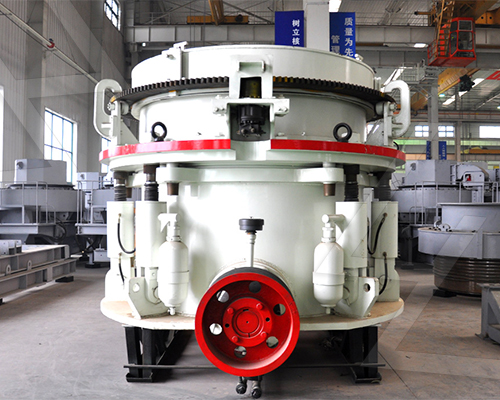
- Cone crusher
- Vertical shaft impact crusher (VSI)
- Vibrating feeder
- Vibrating screen
- Belt conveyor
- Dust collection system
- Control panel and automation system
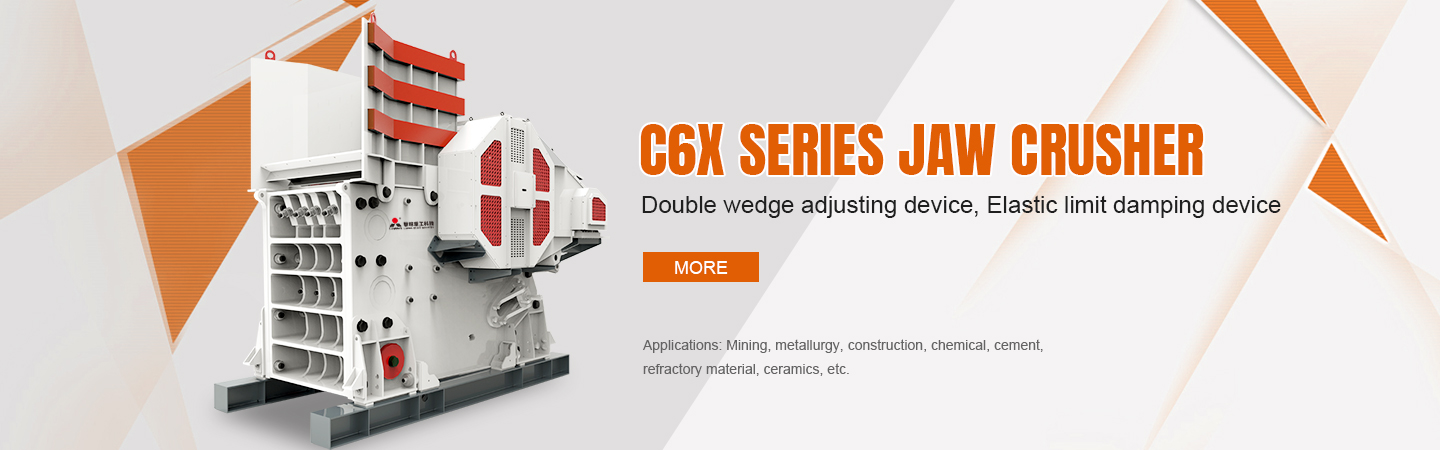
Primary crushing in copper ore sand production begins with the jaw crusher, which reduces run-of-mine ore to a size suitable for secondary processing. Designed for high reduction ratios and durability under abrasive conditions, modern jaw crushers incorporate hydraulic adjustment and overload protection to minimize downtime.
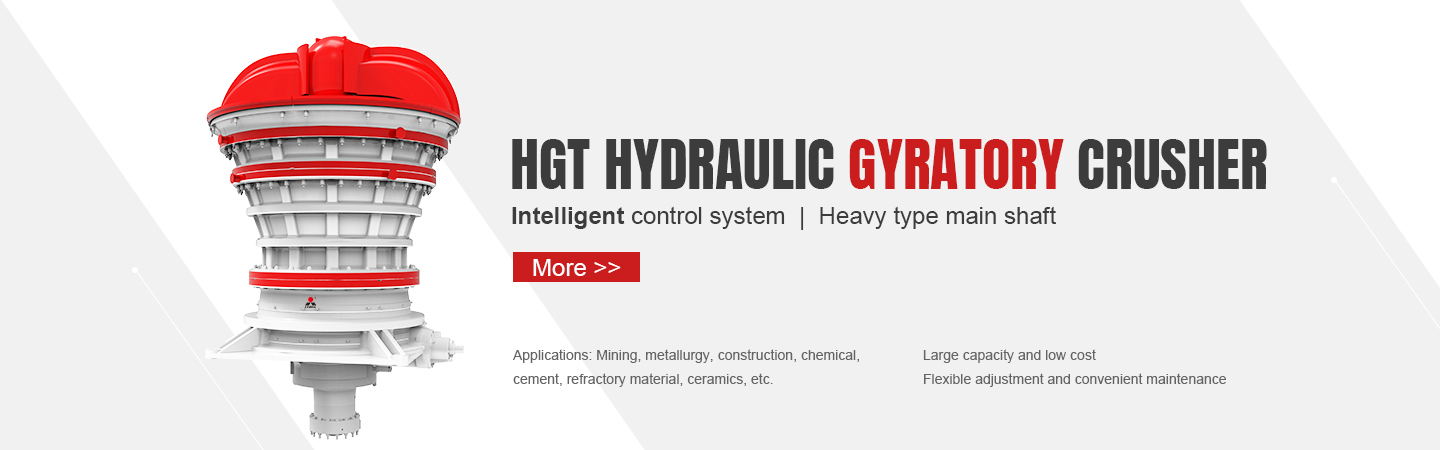
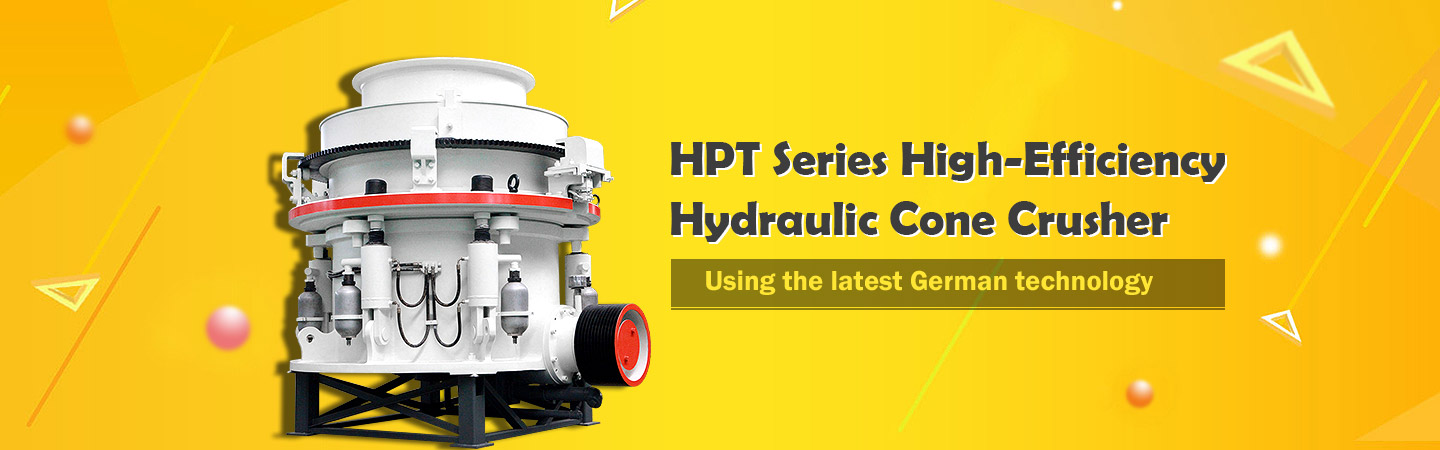
The cone crusher performs secondary crushing, delivering finer and more uniform particle size distribution. Advanced models offer automated cavity clearance and real-time performance monitoring, essential for maintaining consistent feed to downstream units in remote or high-capacity operations.
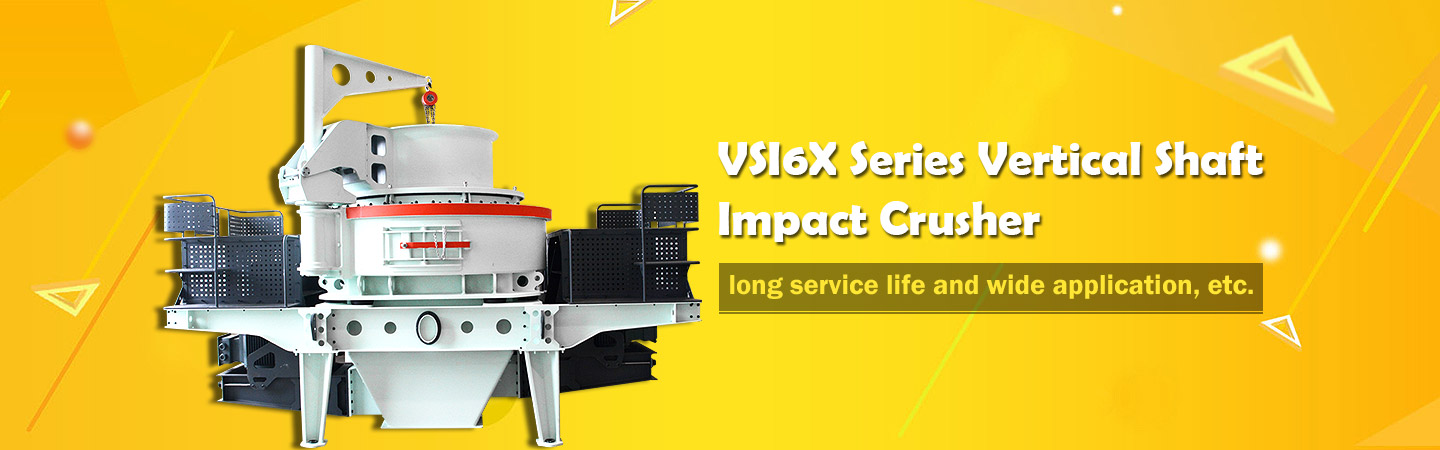
Final shaping and sand production occur in the vertical shaft impact crusher (VSI), which imparts high-velocity impact forces to fracture particles along natural fissures. This results in cubical grains with optimized gradation—critical for both metallurgical processing efficiency and potential by-product sale as construction sand. VSIs in copper applications are engineered with wear-resistant materials to handle the abrasive nature of copper-bearing rock.
A vibrating feeder ensures continuous, controlled material flow into the primary crusher, preventing surges that could overload the system. Coupled with vibrating screens, it enables efficient scalping of fines before crushing and precise classification post-crushing. Multi-deck screens with modular panels allow rapid adaptation to varying ore characteristics common in Argentinean deposits.
Belt conveyors transport material between stages, designed for steep inclines and long hauls with minimal spillage. High-tensile belts and self-aligning idlers ensure reliability in dusty, remote environments.
Dust generation—particularly during crushing and transfer points—is mitigated through centralized dust collection systems using baghouse filters, ensuring compliance with environmental regulations and protecting equipment longevity.
Integrated control panels with SCADA interfaces enable centralized monitoring of motor loads, vibration levels, and throughput. Remote diagnostics and predictive maintenance algorithms enhance operational continuity, particularly valuable in Argentina’s expansive mining regions where on-site technical support may be limited.
Plant configuration must account for variable feed gradation, moisture content, and hardness variations across copper ore bodies. A modular, scalable design facilitates future expansion and adaptation to evolving operational demands.
Adapting Sand Making Plants to Argentina’s Mining Geography and Infrastructure
-
Argentina’s diverse mining geography, spanning the arid Puna plateau in the northwest to the Andean foothills, presents unique challenges and opportunities for deploying copper ore sand making plants. Successful adaptation requires alignment with regional topography, mineralogy, and logistical constraints.
-
The primary copper-bearing regions—Salta, Jujuy, and Catamarca—feature high-altitude operations (often above 3,500 meters), where reduced oxygen levels impact equipment efficiency. Sand making plants must incorporate derated motors and enhanced cooling systems to maintain throughput and reduce mechanical stress. Moreover, modular plant designs are preferred due to limited access and difficult terrain, enabling transport via disassembled components and rapid on-site reassembly.
-
Water scarcity in the Puna region necessitates dry processing or closed-loop water recycling systems. Dry-classification sand making setups, coupled with dust suppression technology, minimize environmental impact while complying with Argentina’s stringent environmental regulations. When water is used, ultra-high-efficiency thickeners and filters reduce consumption to less than 0.5 m³/ton, aligning with sustainability mandates.
-
Infrastructure limitations—such as underdeveloped road networks and intermittent power supply—demand energy-resilient designs. Integration of hybrid power systems (solar-diesel-grid hybrid) ensures operational continuity. Additionally, plants should be equipped with remote monitoring and predictive maintenance capabilities to reduce downtime and technician dispatch frequency.
-
Ore characteristics in Argentina vary significantly; porphyry deposits often contain variable hardness and silica content. Crusher and VSI configurations must be adjustable to handle feed variability without compromising sand quality. Real-time ore sorting technologies upstream of the sand circuit enhance feed consistency and reduce wear on downstream equipment.
-
Finally, regulatory compliance with local content requirements and labor standards is critical. Partnerships with Argentine engineering firms and use of locally sourced structural components not only support compliance but also accelerate permitting and community acceptance.
-
In sum, optimizing sand making plants for Argentina requires a holistic integration of altitude-tolerant engineering, water-efficient processes, energy resilience, and adaptive crushing technology—ensuring efficiency, compliance, and long-term operational viability in one of South America’s most strategic mining frontiers.
Enhancing Efficiency and Sustainability in Copper-Based Aggregate Production
-
Implementation of advanced crushing and screening technologies significantly reduces energy consumption in copper-based aggregate production. Modern vertical shaft impactors (VSI) and high-frequency screens optimize particle size distribution, minimizing reprocessing and enhancing throughput. These systems are calibrated to handle the variable hardness of copper ore byproducts, ensuring consistent output while lowering operational strain.
-
Integration of closed-loop water recycling systems mitigates freshwater dependency and reduces environmental discharge. By capturing, treating, and reusing process water, plants achieve compliance with Argentina’s evolving environmental regulations while addressing regional water scarcity concerns. Sedimentation tanks and hydrocyclone units are critical in maintaining water clarity and system efficiency.
-
Automation and real-time monitoring platforms enhance process control and predictive maintenance. Sensor networks track vibration, temperature, and feed rates across crushers, conveyors, and screens, enabling early fault detection and minimizing unplanned downtime. Remote diagnostics and digital twin models allow operators in centralized command centers to simulate adjustments before deployment, improving responsiveness and reducing energy waste.
-
Selective processing techniques maximize resource recovery from copper ore tailings. By applying gravity separation and magnetic sorting upstream of sand production, inert materials are removed early, reducing load on downstream units. This strategy not only improves final product quality but also extends equipment lifespan and lowers maintenance costs.
-
Renewable energy integration—particularly solar PV arrays—supplements grid power in remote mining regions of Argentina. Hybrid energy systems reduce reliance on diesel generators, cutting both carbon emissions and long-term energy expenses. Energy audits conducted quarterly ensure alignment with sustainability benchmarks.
-
Dust suppression through enclosed conveyance and localized misting systems maintains air quality and safeguards worker health. Captured particulates are reintroduced into the process stream, minimizing material loss and supporting zero-waste objectives.

-
Modular plant design enables scalability and rapid deployment across diverse geological zones. Pre-engineered units reduce construction time and onsite environmental impact, while standardized components streamline spare parts inventory and technician training.
These strategies collectively elevate operational efficiency, reduce ecological footprint, and align copper-based aggregate production with Argentina’s sustainable mining agenda.
Investment Opportunities and Market Growth for Sand Making in Argentine Mining
-
Argentina’s mining sector is undergoing significant transformation, driven by rising global demand for copper and strategic investments in mineral processing infrastructure. The expansion of copper exploration and production, particularly in the Andean regions of San Juan, Catamarca, and Salta, has created a compelling environment for downstream value-addition activities such as sand making.
-
Copper ore sand making—processing crushed copper ore into high-quality construction-grade aggregates—represents an underexploited yet economically viable opportunity. Traditionally, mining waste and fine by-products have been disposed of in tailings facilities. However, advancements in crushing, screening, and shaping technologies now enable operators to convert these materials into marketable sand products, reducing waste and unlocking new revenue streams.
-
The domestic construction industry’s steady growth, supported by public infrastructure initiatives and private development, is increasing demand for construction aggregates. Argentina currently imports a portion of its high-quality sand, particularly in urban centers. Localized sand production from copper ore processing can reduce import dependency while lowering transportation costs and carbon emissions.
-
Investment in integrated sand making plants offers mining companies vertical integration benefits. By incorporating sand production into existing processing circuits, operators improve resource efficiency, comply with environmental regulations, and enhance ESG performance through waste minimization.
-
Technological adoption is accelerating. Modern vertical shaft impact (VSI) crushers, advanced moisture control systems, and modular plant designs enable efficient, scalable operations adaptable to remote mining sites. Equipment suppliers are increasingly offering turnkey solutions tailored to Argentina’s geological and logistical conditions.
-
Regulatory support for value-added mineral processing, coupled with government incentives for mining innovation, further strengthens the investment case. Provinces such as Jujuy and Salta have introduced policies to promote local beneficiation, aligning with national goals of industrial diversification.
-
Foreign direct investment in Argentina’s mining sector remains robust, with international firms partnering with local entities to develop sustainable processing solutions. Joint ventures focused on aggregate production from mine by-products are emerging as a strategic pathway to market entry.
-
Long-term market growth is underpinned by copper’s critical role in electrification and renewable energy infrastructure. As mine lifespans extend and operations scale, the economic case for sand making will strengthen, positioning Argentina as a regional leader in resource-efficient mining practices.
Frequently Asked Questions
What is a Copper Ore Sand Making Plant and how is it utilized in Argentina?
A Copper Ore Sand Making Plant is a specialized mineral processing facility designed to crush, grind, and process copper ore into fine sand or aggregate suitable for construction or further metallurgical processing. In Argentina, where copper mining is expanding—particularly in the Andean regions such as San Juan and Catamarca—these plants integrate advanced crushing and sand-making technologies (like VSI crushers) to valorize by-product materials from copper extraction, enhancing resource efficiency and reducing waste.
What are the key components of a copper ore sand making line?
A copper ore sand making plant consists of several critical components: a primary jaw crusher for initial size reduction, secondary and tertiary cone or impact crushers, a vertical shaft impact (VSI) crusher for fine sand production, vibrating screens for classification, belt conveyors for material transfer, and often a sand washing and dewatering system. Advanced systems may also include automated process control (SCADA) for optimizing throughput and product quality, critical in remote Argentine mining operations.
Why is VSI crushing technology preferred in copper ore sand making?
VSI (Vertical Shaft Impact) crushers are highly effective in copper ore sand production due to their ability to produce well-graded, cubically shaped sand with controlled particle size distribution. Their autogenous crushing action minimizes metal wear—important when processing abrasive copper-bearing rock—and enables higher yields of usable sand (0–5 mm), contributing to cost-efficiency and compliance with construction aggregate standards in Argentina.
How does Argentina’s mining regulation impact sand plant design?
Argentina’s mining regulations, governed by provincial authorities and aligned with national environmental standards (e.g., Secretariat of Mining), require environmental impact assessments (EIA), water usage permits, and tailings management plans. Sand making plants must incorporate dust suppression, water recycling systems (to align with water-scarce conditions in the Puna region), and noise control—all influencing plant configuration, permitting timelines, and operational compliance.
Can copper ore tailings be used in sand production?
Yes, copper ore tailings—finely ground waste from mineral processing—can be repurposed in sand making plants to generate construction-grade aggregates. This approach supports Argentina’s growing emphasis on mine waste valorization and circular economy practices. Proper dewatering, classification, and removal of residual reagents are essential to meet safety and quality standards for civil engineering applications.
What are the power and water requirements for a sand plant in Argentina’s remote mines?
Sand making plants in Argentina’s remote copper mining zones typically require 500–2,000 kW of electrical power, often supplied via diesel generators or hybrid renewable microgrids due to limited grid access. Water consumption ranges from 5–15 m³/hour, though closed-loop water recycling systems (>90% recovery) are standard to comply with strict water conservation mandates, especially in arid regions like the Andean highlands.
How do environmental conditions in Argentina affect plant durability and maintenance?
Harsh environmental conditions—high altitude (up to 4,000 masl), low oxygen, temperature extremes, and abrasive dust—require robust engineering: sealed bearings, corrosion-resistant materials, high-efficiency air filtration, and derated motors. Plants operating in Argentina must be designed for low maintenance cycles and remote monitoring to ensure reliability and reduce downtime in isolated locations.
What regulatory certifications are required for operating a sand plant in Argentina?
Operators must obtain mining exploitation rights, environmental permits (under Provincial Law and National Framework Law 24,585), ISO 14001 for environmental management, and may need ISO 9001 for product quality. Compliance with Argentine Industrial Standards (IRAM) for aggregates and securing approvals from local water and environmental agencies (e.g., DINAMA in San Juan) are mandatory before commissioning.
How is sand quality monitored and controlled in copper ore processing?
Sand quality is controlled through real-time particle size analysis (laser diffraction), moisture sensors, and periodic lab testing for gradation (ASTM C136), fineness modulus, and specific gravity. In Argentina, where construction projects demand high consistency, automated sampling and process control systems ensure the final product meets IRAM or ASTM standards for use in concrete and road base applications.
What is the typical throughput capacity of a copper ore sand making plant in Argentina?
Sand making plants in Argentina range from 50 to 300 tons per hour, depending on the scale of the copper mine and downstream demand. Modular, scalable designs are preferred to match mining output, with larger operations (e.g., near major copper projects like Quebrada Blanca Phase 2 or Taca Taca) deploying high-capacity systems to maximize by-product utilization.
How does ore hardness affect crusher selection in copper sand plants?
Copper ores in Argentina often contain hard minerals like quartz and chalcopyrite (Mohs hardness 3–6), necessitating wear-resistant crushers. For harder feed, combination circuits with hydraulic cone crushers followed by VSI units are recommended. Wear parts made from high-chrome alloys or tungsten carbide extend service life, reducing downtime in continuous operations.
Can sand from copper ore be used in concrete and infrastructure projects?
Yes, properly processed copper ore sand—with controlled gradation, low silt content, and free of reactive sulfides—can be used in non-structural concrete, road bases, and masonry applications. However, rigorous testing for alkali-silica reactivity (ASR) and leaching potential (NAG test) is required to ensure compliance with Argentine construction codes (e.g., CIRSOC) and environmental safety.