Table of Contents
- Understanding Feldspar Processing Needs in Chile’s Mining Industry
- Essential Types of Feldspar Crushing Equipment for High-Volume Production
- Why Chilean Feldspar Operations Require Durable and Scalable Crushers
- Optimizing Feldspar Crushing Plants for Energy Efficiency and Low Maintenance
- Leading Suppliers of Feldspar Crushing Equipment Serving the Chilean Market
- Frequently Asked Questions
- What types of feldspar crushing equipment are most suitable for Chile’s mining conditions?
- How does Chile’s geology influence the selection of feldspar crushing machinery?
- What are the power supply considerations for operating feldspar crushing plants in northern Chile?
- Which mobile vs. stationary crushing setups are recommended for feldspar in Chile?
- How can moisture in feldspar feed be managed in Chile’s humid coastal zones?
- What environmental compliance standards affect feldspar crushing operations in Chile?
- How does altitude affect the performance of feldspar crushing equipment in Chile?
- What spare parts availability strategies are critical for uninterrupted feldspar crushing in Chile?
- Can feldspar crushing circuits be automated for improved efficiency in Chilean operations?
- What safety standards should be followed when installing feldspar crushers in Chile?
- How do transportation logistics influence crushing equipment choice in Chile?
In the heart of South America’s thriving mining sector, Chile stands as a strategic hub for feldspar extraction, driven by growing global demand for ceramics, glass, and industrial minerals. As operations scale to meet production targets, selecting the right feldspar crushing equipment becomes paramount to ensuring efficiency, reliability, and cost-effectiveness across the mineral processing chain. From primary jaw crushers to advanced cone and impact crushing systems, the right machinery not only enhances throughput but also optimizes particle size distribution for downstream applications. In Chile’s diverse and often challenging terrain, durability and adaptability are non-negotiable. Leading manufacturers now offer tailored solutions engineered to withstand abrasive materials and high-volume processing while minimizing downtime and maintenance costs. This article explores the top-performing crushing technologies transforming feldspar operations across Chile, spotlighting innovations in automation, energy efficiency, and wear protection that are setting new benchmarks in performance. Discover how strategic equipment selection is empowering Chilean producers to maximize yield and remain competitive in a dynamic global market.
Understanding Feldspar Processing Needs in Chile’s Mining Industry
-
Feldspar processing in Chile’s mining industry is driven by the mineral’s strategic importance in ceramics, glass manufacturing, and as a fluxing agent in metallurgical applications. With Chile’s expanding industrial base and proximity to key South American and Pacific Rim markets, efficient and scalable feldspar processing operations are critical for maintaining competitive advantage.
-
The geological characteristics of feldspar deposits in Chile—primarily found in granitic and pegmatitic formations across the Andean region—require processing solutions tailored to variable hardness, mineralogical impurities (notably iron-bearing minerals), and moisture content. Effective liberation of feldspar from quartz and mica necessitates a well-structured comminution circuit, beginning with primary crushing and progressing through secondary and tertiary stages to achieve target particle size distributions.
-
Moisture management is particularly crucial in arid northern regions where dust suppression is essential for both environmental compliance and worker safety. Closed-circuit crushing systems equipped with air filtration and water spray systems are increasingly adopted to mitigate particulate emissions during size reduction.
-
Given the energy intensity of mineral processing, Chilean operators prioritize energy-efficient crushing technologies. Modern jaw crushers with optimized toggle mechanisms and gyratory crushers featuring variable speed drives offer improved throughput with reduced power consumption. Additionally, the integration of automated control systems allows for real-time adjustments to feed rate and crusher settings, enhancing consistency and reducing downtime.
-
Liberation studies and mineralogical analysis are routinely conducted prior to equipment selection to ensure compatibility between feed characteristics and crushing parameters. For instance, harder feldspar varieties may require robust compression crushers, whereas softer feed may allow for high-speed impact crushing with lower wear costs.
-
Sustainability regulations in Chile are tightening, prompting operators to adopt machinery with lower environmental footprints. Equipment manufacturers must demonstrate compliance with local emissions standards and provide solutions for noise reduction, water recycling, and recyclable wear parts.
-
Ultimately, selecting appropriate feldspar crushing equipment in Chile demands a holistic understanding of geological, operational, and regulatory factors. The integration of durable, efficient, and environmentally sound machinery is essential to support the long-term viability of feldspar operations in the region.
Essential Types of Feldspar Crushing Equipment for High-Volume Production
- Jaw Crusher
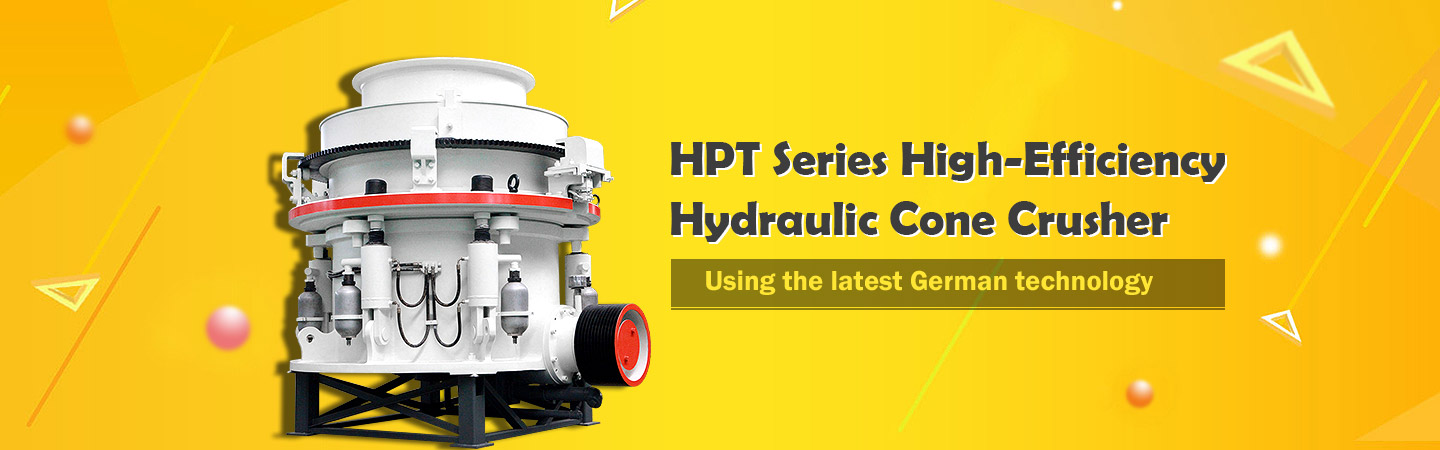
- Cone Crusher
- Impact Crusher
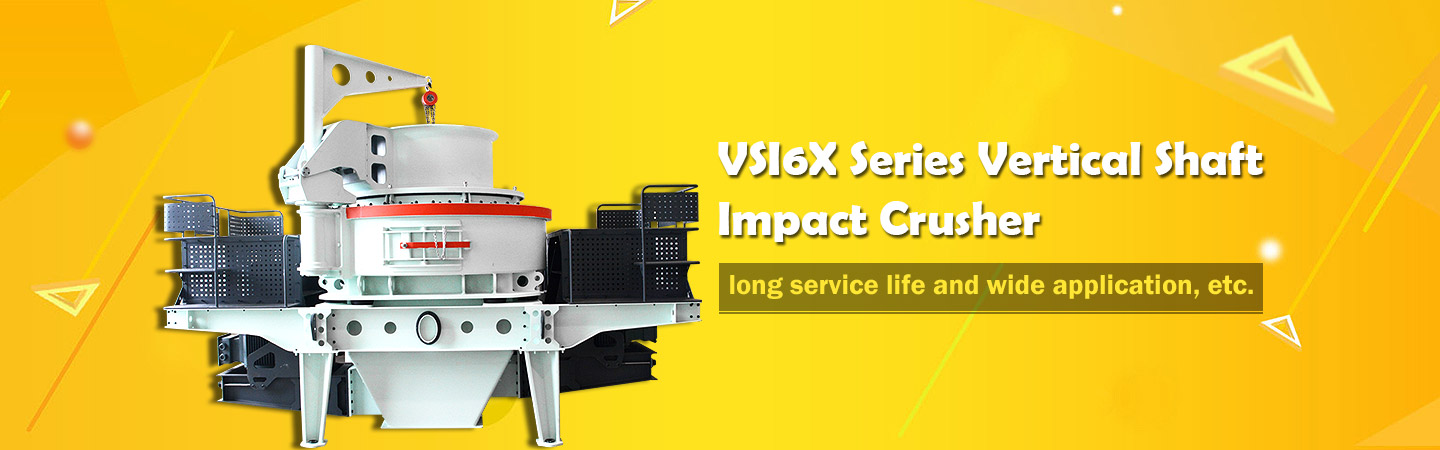
- Vertical Shaft Impact (VSI) Crusher
- Vibrating Feeder
- Vibrating Screen
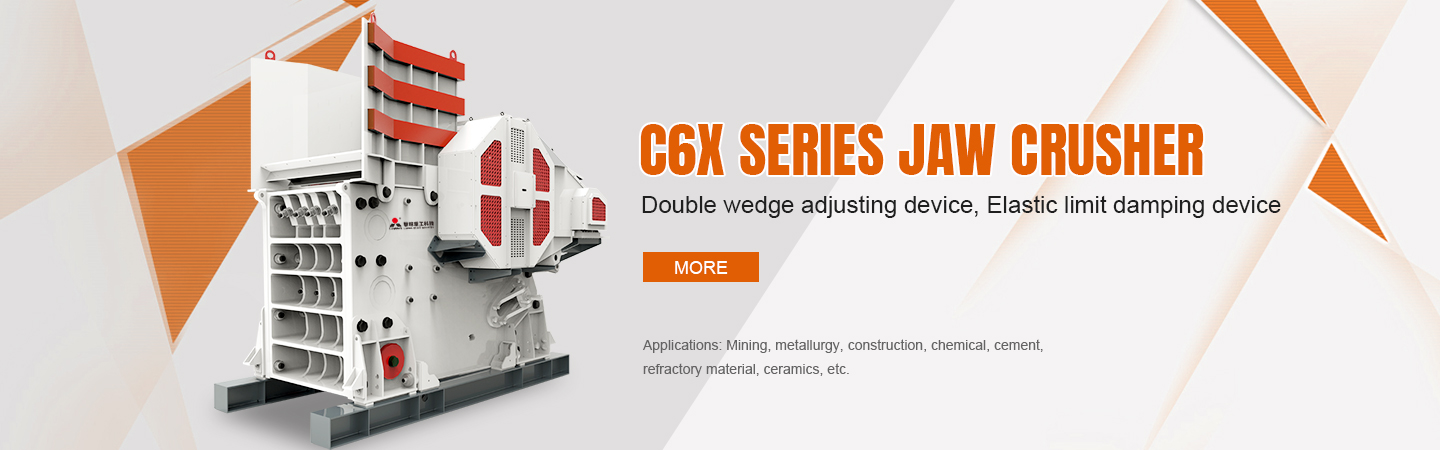
For high-volume feldspar processing in Chile’s demanding mineral environment, selecting the correct crushing equipment is critical to achieving consistent throughput, optimal particle size distribution, and minimal operational downtime. The primary stage relies heavily on the jaw crusher, which provides reliable initial size reduction of run-of-mine feldspar. Engineered for high compressive strength materials, modern jaw crushers offer deep crushing chambers and adjustable closed-side settings, enabling efficient handling of large feed sizes common in Chilean deposits.
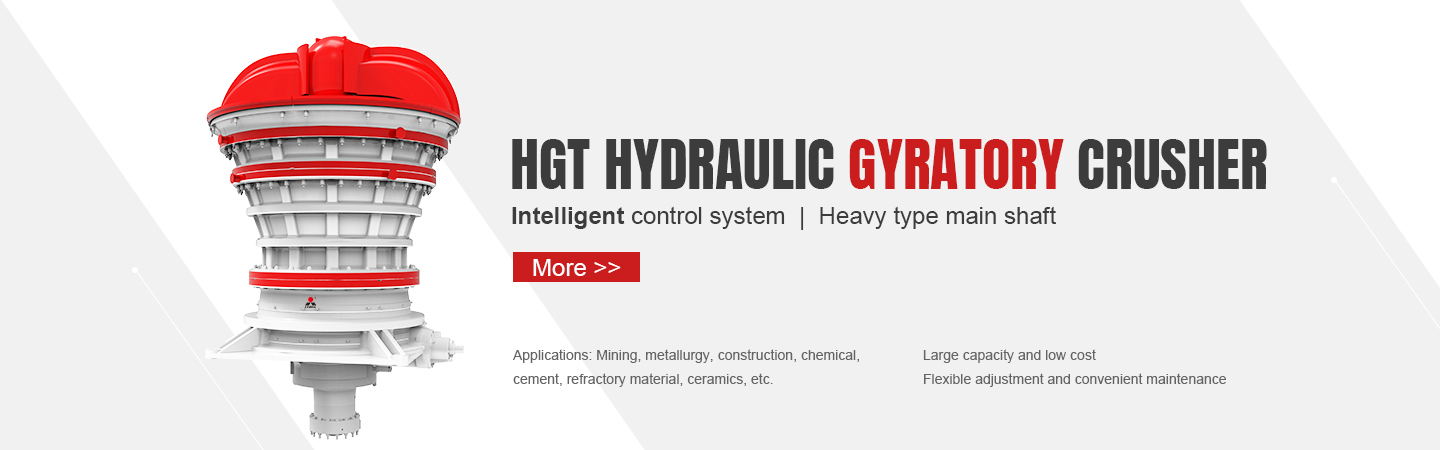
Secondary and tertiary crushing typically employ cone crushers, which deliver superior product shape and consistent gradation required for downstream processing. In high-volume operations, multi-cylinder hydraulic cone crushers are preferred due to their high reduction ratios, precise control over output size, and automated tramp relief systems that protect against uncrushable materials. Their closed-circuit integration with vibrating screens ensures maximum yield and minimized recirculating loads.
For applications requiring fine crushing and enhanced particle shaping—particularly in feldspar destined for ceramics or glass manufacturing—vertical shaft impact (VSI) crushers are indispensable. Utilizing rock-on-rock or rock-on-anvil mechanisms, VSI crushers produce a cubical product with fewer fines, improving material marketability. Their ability to operate efficiently in closed-loop circuits further enhances control over final product specifications.
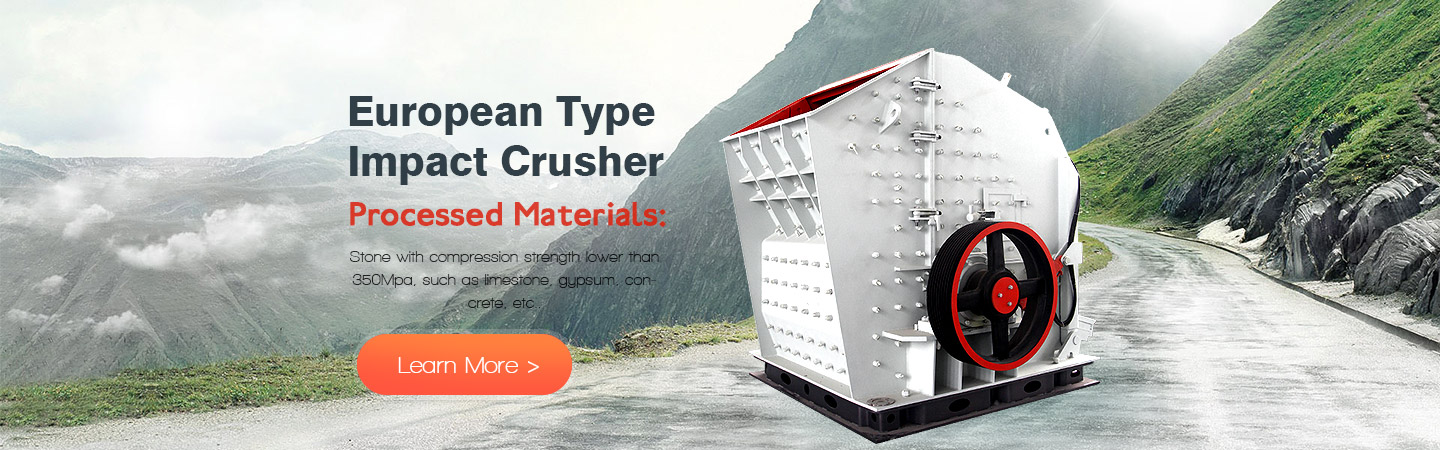
Impact crushers serve as an alternative in softer feldspar deposits, offering high reduction ratios and uniform product size in a single pass. However, their suitability depends on feed abrasiveness, which varies across Chile’s geological formations.
Supporting equipment—including heavy-duty vibrating feeders and multi-deck vibrating screens—ensures steady material flow and accurate sizing classification. These components are essential for maintaining continuous operation, especially under high tonnage conditions. Automation-ready feeders regulate material entry into crushers, preventing surges and optimizing load distribution.
All equipment must be selected with consideration for Chile’s remote mining regions, where reliability, ease of maintenance, and resistance to wear are paramount. Robust metallurgy, modular design, and compatibility with digital monitoring systems further enhance operational efficiency and reduce lifecycle costs in sustained high-volume production environments.
Why Chilean Feldspar Operations Require Durable and Scalable Crushers
-
Chilean feldspar deposits are characterized by high quartzitic content and significant hardness, necessitating crushing equipment capable of sustained operation under abrasive conditions. The geological profile of major feldspar-bearing regions—particularly in the Andean foothills and northern zones—features mineral assemblages that rapidly degrade standard crusher components, making durability a non-negotiable requirement.
-
Operational continuity is critical in Chile’s mineral processing supply chain, where feldspar is frequently processed in conjunction with other industrial minerals. Extended downtime due to wear part failure or inadequate machine resilience directly impacts downstream production schedules and export commitments. Crushers must therefore be engineered with hardened manganese steel liners, robust shafts, and advanced sealing systems to resist dust infiltration and mechanical fatigue.
-
Altitude plays a decisive role in equipment performance. Many Chilean feldspar operations are situated above 2,500 meters, where reduced air density impairs cooling efficiency and diminishes diesel engine output. Crushers deployed in these environments require powertrain adaptations and thermal management systems to maintain rated throughput and avoid overheating.
-
Scalability is equally imperative. Feldspar demand in ceramics, glass, and specialty chemical manufacturing fluctuates with global market cycles. Mining operations must rapidly adjust throughput without sacrificing energy efficiency or product size consistency. Modular crusher configurations—such as tiered jaw and cone crushing circuits with variable speed drives—allow progressive capacity expansion while maintaining optimal size reduction ratios.
-
Water scarcity in northern Chile further constrains processing design. Dry crushing operations place additional stress on equipment due to the absence of dust suppression via wet methods. Crushers must incorporate dust-tight enclosures and advanced filtration to comply with environmental regulations while minimizing maintenance intervals.
-
Finally, logistical constraints in remote mining regions demand equipment with high mean time between failures (MTBF) and locally supportable maintenance protocols. Original equipment manufacturers must offer comprehensive technical support networks and spare parts availability within Chile to ensure operational resilience.
In sum, Chilean feldspar crushing demands machinery designed for extreme abrasion, altitude, and operational flexibility—combining metallurgical robustness with intelligent scalability to sustain processing efficiency across variable production demands.
Optimizing Feldspar Crushing Plants for Energy Efficiency and Low Maintenance
-
Implement closed-circuit crushing configurations utilizing advanced cone and high-pressure grinding roll (HPGR) technologies to minimize over-grinding and reduce specific energy consumption. Feldspar deposits in Chile often exhibit variable hardness; thus, selecting crushers with hydraulic adjustment and overload protection ensures consistent product size and reduces mechanical stress, extending component life.
-
Integrate variable frequency drives (VFDs) across conveyor systems and crushing motors to match energy input with real-time throughput demands. This dynamic control reduces idle power consumption and mitigates thermal degradation of motor windings, contributing to lower maintenance intervals and improved electrical efficiency.
-
Prioritize equipment with modular, wear-resistant liner designs made from high-chrome alloys or composite ceramics. These materials significantly prolong liner life in gyratory and cone crushers, particularly under the abrasive conditions typical of feldspar processing. Automated liner wear monitoring systems enable predictive maintenance, minimizing unplanned downtime.
-
Optimize feed control using vibratory feeders equipped with load cells and real-time mass flow feedback. Uniform material presentation prevents choke-feeding and ensures crushers operate at peak efficiency. Upstream scalping screens with self-cleaning decks remove fines before primary crushing, reducing unnecessary energy expenditure on already-liberated particles.
-
Employ centralized lubrication and cooling systems with continuous contamination monitoring. Maintaining optimal oil cleanliness and temperature in crusher bearings directly correlates with mean time between failures (MTBF). Remote diagnostic capabilities allow Chilean operators to detect anomalies early, particularly critical in remote Andean mining regions.
-
Conduct periodic energy audits using portable power analyzers to benchmark specific energy consumption (kWh/ton) across crushing stages. Benchmark against industry best practices—target values below 0.8 kWh/ton for tertiary crushing in optimized feldspar circuits. Use audit data to recalibrate crusher settings, adjust closed-side settings (CSS), and validate performance gains from upgrades.
-
Select OEMs offering comprehensive lifecycle support, including digital twin modeling and Chile-specific spare parts logistics. Machines designed for ease of maintenance—featuring hydraulic tramp release, quick-access inspection points, and standardized fasteners—reduce mean time to repair (MTTR) and enhance operational continuity in high-altitude installations.
Leading Suppliers of Feldspar Crushing Equipment Serving the Chilean Market
-
ZWC Outotec: A dominant force in mineral processing solutions, ZWC Outotec offers fully integrated feldspar crushing systems tailored to Chile’s geological and operational conditions. Their portfolio includes jaw, cone, and impact crushers engineered for high throughput and reliability in abrasive environments. The Nordberg® C Series™ jaw crushers and HP Series™ cone crushers are widely deployed in Chilean feldspar operations for their robust performance and low cost-per-ton. ZWC’s local service network in key mining regions such as Antofagasta and Coquimbo ensures rapid technical support, spare parts availability, and operational optimization.
-
Sandvik Mining and Rock Technology: Sandvik delivers precision-engineered crushing equipment suited to feldspar processing, with models like the QJ341 and QA451 enhancing primary and secondary crushing efficiency. Their mobile and stationary solutions integrate advanced automation and monitoring systems, enabling Chilean operators to achieve consistent product size distribution and reduced downtime. Sandvik’s commitment to sustainability is reflected in energy-efficient designs and remote diagnostics, which align with Chile’s growing emphasis on low-impact mining practices. Regional presence through Santiago-based technical centers facilitates site-specific engineering and after-sales service.
-
FLSmidth: Known for comprehensive mineral processing lines, FLSmidth provides tailored crushing circuits incorporating tertiary impactors and high-pressure grinding rolls (HPGR) where fines generation and energy efficiency are critical. Their DELKOR BQR™ crushing systems are designed for scalability and integration with downstream beneficiation processes common in Chilean feldspar operations. FLSmidth’s global expertise, combined with localized engineering support, enables seamless deployment in both greenfield and retrofit projects.
-
McLanahan Corporation: Specializing in size reduction and material handling, McLanahan offers customizable solutions such as the Universal Jaw Crusher andSizer Crusher, which are particularly effective in minimizing over-grinding of feldspar. Their equipment is designed for ease of maintenance and resilient operation in remote Andean locations. McLanahan’s direct collaboration with Chilean processors ensures that equipment configurations meet strict mineralogical specifications and production targets.
These suppliers distinguish themselves through technical innovation, lifecycle support, and adaptation to Chile’s unique topography and regulatory environment, forming the backbone of modern feldspar processing infrastructure in the country.
Frequently Asked Questions
What types of feldspar crushing equipment are most suitable for Chile’s mining conditions?
Jaw crushers, cone crushers, and vertical shaft impactors (VSIs) are the most effective for feldspar processing in Chile. Equipment must be corrosion-resistant and able to handle variable feed sizes due to the region’s seismic activity and arid, abrasive environments. Machines built with high-grade manganese steel components are recommended for prolonged wear life in Chile’s high-altitude, low-moisture mining regions.
How does Chile’s geology influence the selection of feldspar crushing machinery?
Chile’s Andean geology produces hard, crystalline feldspar veins with high silica content, requiring robust primary crushing. Crushers with high compression strength capabilities—such as double-toggle jaw crushers and multi-cylinder hydraulic cone crushers—are preferred for initial size reduction. Secondary and tertiary stages benefit from VSI crushers to achieve consistent, cubical end products suitable for ceramic and glass industries.
What are the power supply considerations for operating feldspar crushing plants in northern Chile?
Northern Chile often relies on hybrid power systems combining grid electricity, diesel generators, and increasingly, solar energy. Crushing equipment should be selected with variable frequency drives (VFDs) and energy-efficient motors to adapt to inconsistent power delivery in remote areas like the Atacama Desert. Mobile units with onboard power integration offer operational flexibility.
Which mobile vs. stationary crushing setups are recommended for feldspar in Chile?
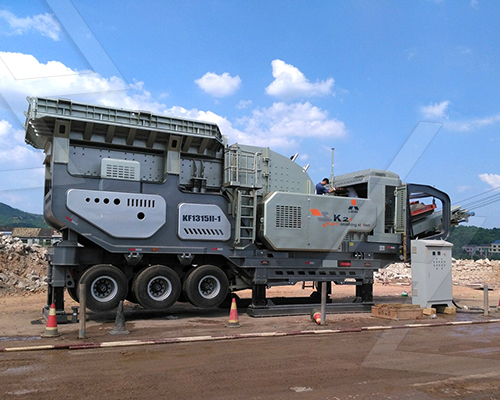
For remote or temporary deposits, mobile jaw and cone crushing plants provide rapid deployment, reduced infrastructure costs, and relocation ease—ideal for Chile’s expansive mining regions. However, for high-tonnage permanent operations near processing hubs like Mejillones, stationary multi-stage crushing circuits with advanced automation deliver superior throughput and product control.
How can moisture in feldspar feed be managed in Chile’s humid coastal zones?
In coastal areas such as Valparaíso, ambient humidity can lead to material handling issues. Two-stage crushing with a grizzly feeder and scalping screen pre-removes fines and moisture-prone fines. Additionally, incorporating air sweep systems in closed-circuit crushers prevents clogging. Crushing equipment with anti-clog hydraulic adjustment systems (e.g., modern cone crushers) enhances reliability.
What environmental compliance standards affect feldspar crushing operations in Chile?
Chile’s SMA (Medio Ambiente) regulations require dust suppression, noise control, and water management. Expert setups include enclosed conveyor systems, water sprays at transfer points, and baghouse dust collectors. Equipment with CE and ISO 14001-certified designs ensures compliance with regional environmental oversight, especially near protected areas like the Altiplano.
How does altitude affect the performance of feldspar crushing equipment in Chile?
Mining districts in northern Chile often operate above 3,000 meters, reducing air density and engine efficiency. Diesel-powered mobile crushers should be high-altitude rated with turbocharged engines. Electrical components require derating adjustments, and cooling systems must be oversized to prevent overheating under thin-air conditions.
What spare parts availability strategies are critical for uninterrupted feldspar crushing in Chile?
Due to logistical challenges, operators should stock critical wear parts—mantles, concaves, toggle plates, and VSI anvils—locally in hubs like Antofagasta or Copiapó. Partnering with OEMs offering on-site technical support and Chilean distribution networks (e.g., ZWC, Sandvik, FLSmidth) ensures faster turnaround during unplanned downtime.
Can feldspar crushing circuits be automated for improved efficiency in Chilean operations?
Yes, modern crushing plants integrate PLC-based automation and SCADA systems to monitor feed rate, power draw, and crusher settings in real time. Remote diagnostics via IoT-enabled sensors (e.g., ZWC Metrics or Sandvik’s OptiCloud) allow predictive maintenance and operational adjustments—crucial for large-scale, hard-rock feldspar facilities in isolated regions.
What safety standards should be followed when installing feldspar crushers in Chile?
Compliance with Chile’s DS 594 (Health and Safety in Mining) and ISO 12100 is mandatory. Crushers must include emergency stop systems, lockout-tagout points, and vibration monitoring. Safety guarding per NOM-017-STPS follows international best practices. Advanced systems incorporate AI-driven alerts for abnormal load conditions or bearing failures.
How do transportation logistics influence crushing equipment choice in Chile?
Chile’s long, narrow geography and rugged terrain necessitate modular or skid-mounted equipment for easier transport. Self-contained mobile crushers with road-legal trailers reduce delivery time and civil works. For inland sites, equipment must comply with national road transport limits and be compatible with local rigging and crane capacities.