Table of Contents
- Why Peru’s Feldspar Industry Needs High-Capacity Crushing Solutions
- Key Features of a High-Performance Feldspar Crusher Plant
- Ensuring Stable Output with Advanced Crushing Technology
- Maximizing Processing Speed Without Sacrificing Quality
- Optimizing Feldspar Production for Mining and Industrial Applications in Peru
- Frequently Asked Questions
- What makes a high-capacity feldspar crusher plant suitable for Peru’s geological and logistical conditions?
- How does a stable output design enhance feldspar processing efficiency in Peru?
- Which crusher technology delivers the fastest processing for high-capacity feldspar operations?
- What maintenance protocols ensure long-term reliability in tropical and high-altitude Peruvian mines?
- How is dust and environmental compliance managed in Peruvian feldspar crusher plants?
- Can a feldspar crusher plant be scaled to match increasing production demands in Peru?
- What automation systems optimize performance in a feldspar crushing plant?
- How is energy efficiency maximized in high-capacity Peruvian feldspar plants?
- What transport and installation challenges arise when deploying a crusher plant in Peru’s interior?
- Which quality certifications should a high-capacity feldspar crusher plant have for Peruvian operations?
- How do expert crusher plant designs mitigate geological variability in Peruvian feldspar deposits?
- What is the typical ROI timeline for investing in a high-capacity feldspar crusher plant in Peru?
Peru’s growing demand for high-quality feldspar in ceramics, glass, and industrial applications calls for advanced processing solutions that combine power, precision, and dependability. Meeting this need, the high-capacity feldspar crusher plant delivers exceptional performance tailored to the unique geological and operational challenges of Peruvian mineral processing. Engineered for continuous operation, this state-of-the-art crushing system ensures stable output and rapid material processing, even under demanding conditions. Featuring robust components, intelligent automation, and optimized throughput dynamics, the plant maximizes productivity while minimizing downtime and maintenance costs. With a design focused on energy efficiency and consistent granulometry, it supports downstream processing with superior feed material uniformity. Proven in rugged environments, the crusher plant offers scalable solutions for medium to large-scale mining and mineral processing operations across Peru. Backed by technical expertise and comprehensive support, this high-capacity system represents the ideal fusion of innovation and reliability—driving faster processing, higher yields, and long-term operational success in Peru’s evolving industrial landscape.
Why Peru’s Feldspar Industry Needs High-Capacity Crushing Solutions
-
Peru’s feldspar industry has experienced steady growth due to rising global demand for ceramics, glass, and paint—sectors where feldspar is a critical raw material. However, domestic processing capabilities have not kept pace with production demands, particularly in size reduction at the primary and secondary stages. This gap highlights the urgent need for high-capacity crushing solutions to maintain competitiveness in international markets.
-
Existing crushing infrastructure in many Peruvian feldspar operations relies on outdated or undersized equipment, leading to bottlenecks in throughput, inconsistent product sizing, and increased downtime. As mining operations expand to meet export requirements, particularly from Asia and Europe, the limitations of conventional crushers become increasingly apparent. High-capacity crushing plants are no longer optional—they are essential for operational scalability and cost efficiency.
-
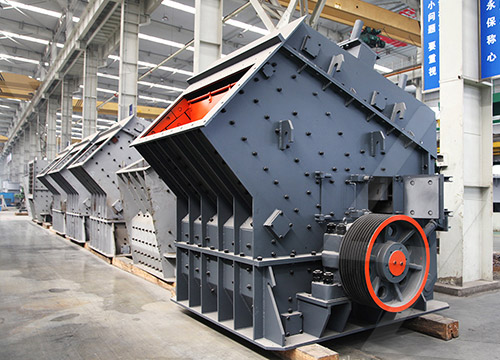
A high-capacity feldspar crusher plant directly addresses three core challenges: volume, consistency, and speed. Modern high-output crushers can process 300–500 tons per hour with precision sizing, ensuring downstream processes such as milling and classification operate efficiently. This capacity reduces cycle times, optimizes labor utilization, and lowers cost per ton—critical metrics for margin-sensitive mineral processors.
-
Furthermore, Peru’s geology presents abrasive feldspar deposits often intermixed with quartz and other hard minerals. This demands crushing equipment engineered for durability and wear resistance. High-capacity plants equipped with advanced manganese or alloy steel components demonstrate superior longevity under such conditions, minimizing maintenance frequency and maximizing uptime.
-
Energy efficiency is another compelling factor. New-generation crushers incorporate hydraulic adjustment systems, automated monitoring, and optimized kinematics that reduce power consumption per ton crushed. For Peruvian operators aiming to meet environmental standards and reduce operating costs, these features offer measurable advantages.
-
Finally, rapid processing enabled by high-capacity systems aligns with just-in-time supply chain models increasingly adopted by ceramic and glass manufacturers. Faster turnaround from mine to market strengthens Peru’s position as a reliable, responsive supplier.
In summary, high-capacity crushing solutions are not merely productivity enhancers—they are strategic assets enabling Peru’s feldspar industry to scale sustainably, maintain product quality, and compete globally.
Key Features of a High-Performance Feldspar Crusher Plant
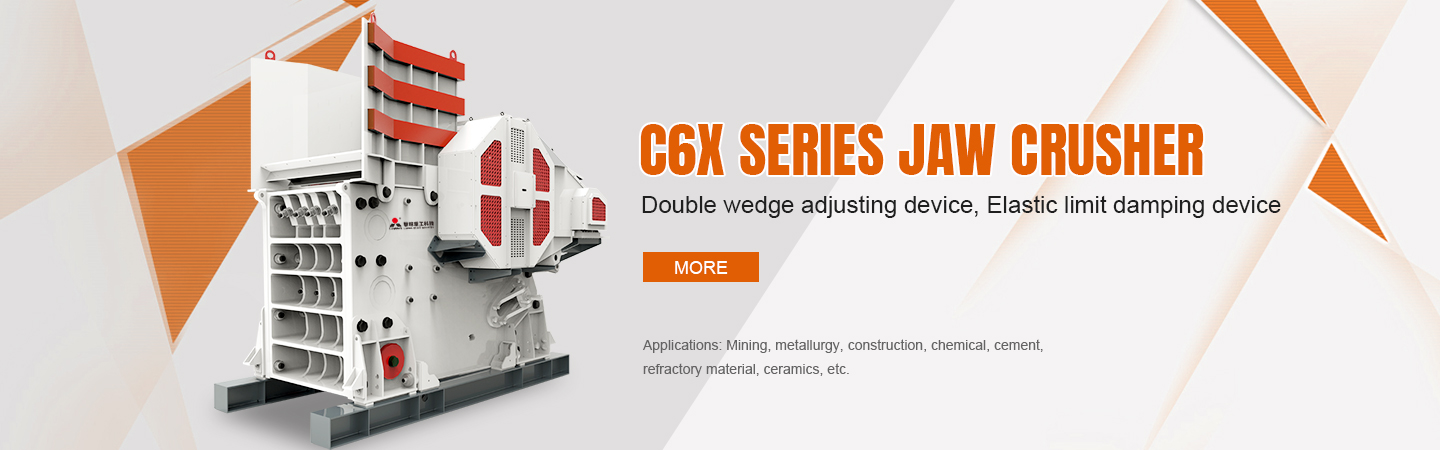
- Robust primary jaw crusher designed for high-compression strength feldspar, ensuring consistent feed reduction with minimal wear and maximum uptime
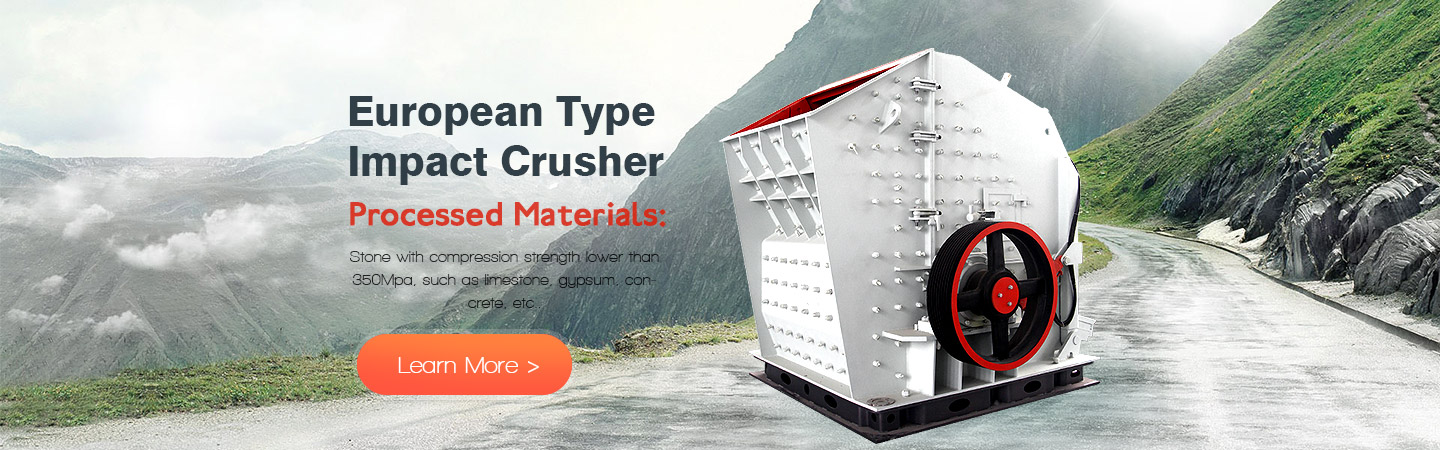
- Dual-stage crushing configuration integrating a secondary cone or impact crusher to achieve precise particle size distribution and enhanced liberation of feldspar grains
- Fully automated control system with real-time monitoring of load, temperature, and throughput, enabling rapid adjustments and predictive maintenance
- High-efficiency vibrating feeder with variable amplitude control to regulate material flow and prevent blockages, especially critical in Peru’s variable feed conditions
- Optimized closed-circuit screening system utilizing multi-deck, high-frequency screens to ensure accurate product sizing and efficient recirculation of oversize material
- Modular plant design with pre-engineered skid-mounted components, enabling rapid deployment and relocation across remote Peruvian mining sites
- Advanced wear protection using manganese steel liners and composite jaw plates, significantly extending component life under abrasive feldspar feed
- Dust suppression system integrated at transfer points and crushers, meeting environmental compliance standards while improving operator safety and equipment longevity
- Energy-efficient motors and variable frequency drives (VFDs) calibrated to match crusher load, reducing power consumption without sacrificing throughput
- Scalable throughput capacity ranging from 150 to 500 tph, configurable to match mine production targets and downstream processing requirements
The crushing circuit is engineered for maximum mechanical efficiency and operational reliability under the demanding geological and climatic conditions typical of Peruvian feldspar deposits. Emphasis is placed on minimizing downtime through intelligent diagnostics and easy access to critical components. Hydraulic adjustment and overload protection systems ensure continuous operation even with variable feed quality. The plant’s structural integrity is reinforced to withstand seismic activity common in the region, with ISO-certified fabrication standards applied throughout.
Material handling is optimized through engineered chute design and wear-resistant linings, reducing spillage and maintenance frequency. Water recycling and dust management systems ensure environmental compliance in ecologically sensitive zones. All electrical and control systems adhere to IEC and NEC standards, with remote SCADA integration available for centralized plant supervision.
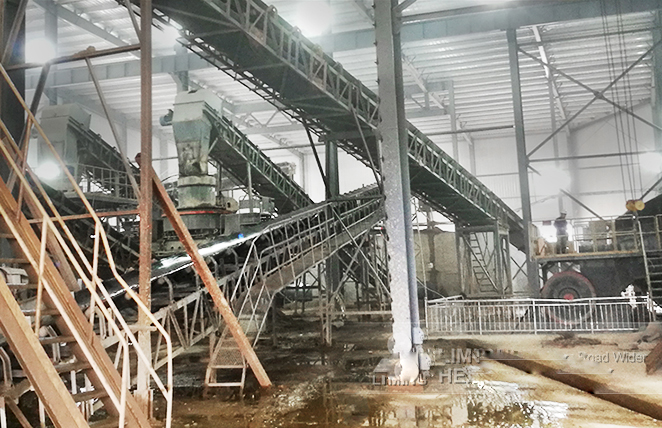
This high-capacity configuration delivers superior product consistency, essential for ceramic and glass-grade feldspar markets, while maintaining low operating costs per ton—critical for long-term commercial viability in Peru’s competitive mineral export landscape.
Ensuring Stable Output with Advanced Crushing Technology
-
Advanced crushing technology is fundamental to maintaining stable output in high-capacity feldspar processing operations, particularly under the demanding geological and operational conditions present in Peru. Ensuring consistent product size, throughput, and energy efficiency requires integration of precision-engineered crushers equipped with intelligent control systems and robust mechanical design.
-
Modern high-capacity feldspar crusher plants utilize multi-stage crushing circuits incorporating primary jaw crushers, secondary cone or impact crushers, and tertiary vertical shaft impactors (VSI). This staged reduction approach allows for controlled size distribution, minimizing over-crushing and optimizing downstream processing. The selection of crusher type and configuration is based on feed characteristics, desired final product gradation, and plant capacity targets—typically exceeding 500 tons per hour in large-scale Peruvian operations.
-
Hydraulic adjustment and overload protection systems in cone and impact crushers play a critical role in maintaining operational stability. These systems dynamically respond to variations in feed composition and tramp metal intrusion, automatically adjusting chamber settings or relieving pressure to prevent downtime. Coupled with real-time monitoring via PLC-based control panels, operators can maintain optimal crushing parameters and detect anomalies before they impact performance.
-
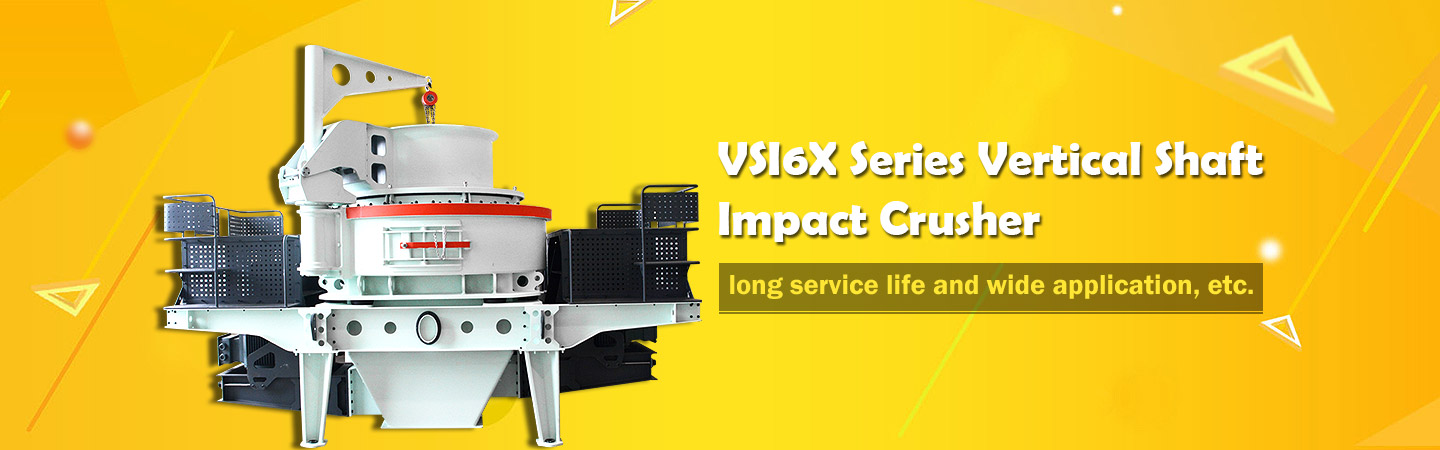
Robust rotor and anvil designs in VSI crushers, along with wear-resistant materials such as high-chrome alloys and tungsten carbide, significantly extend component life and reduce maintenance frequency. Uniform feed distribution, achieved through vibratory feeders with variable speed drives, ensures consistent loading across the crushing chamber—preventing uneven wear and vibration-induced failures.
-
Dust suppression and material handling systems are integrated to preserve crusher efficiency and operator safety. Enclosed transfer points, water spray systems, and cyclone collectors mitigate dust generation, which, if uncontrolled, can lead to mechanical abrasion and airflow disruption within the system.
-
Ultimately, stable output in feldspar crushing is not solely dependent on machine quality, but on the holistic integration of intelligent automation, predictive maintenance protocols, and material flow optimization. Plants in Peru benefit from technology platforms that provide remote diagnostics, performance analytics, and adaptive control algorithms—ensuring sustained high output, reduced operational risk, and long-term reliability in challenging Andean environments.
Maximizing Processing Speed Without Sacrificing Quality
- Implement closed-circuit crushing with real-time monitoring to ensure consistent particle size distribution while minimizing over-crushing and recirculation load.
- Integrate variable frequency drives (VFDs) on feeder and conveyor systems to dynamically match throughput to crusher capacity, reducing bottlenecks and optimizing material flow.
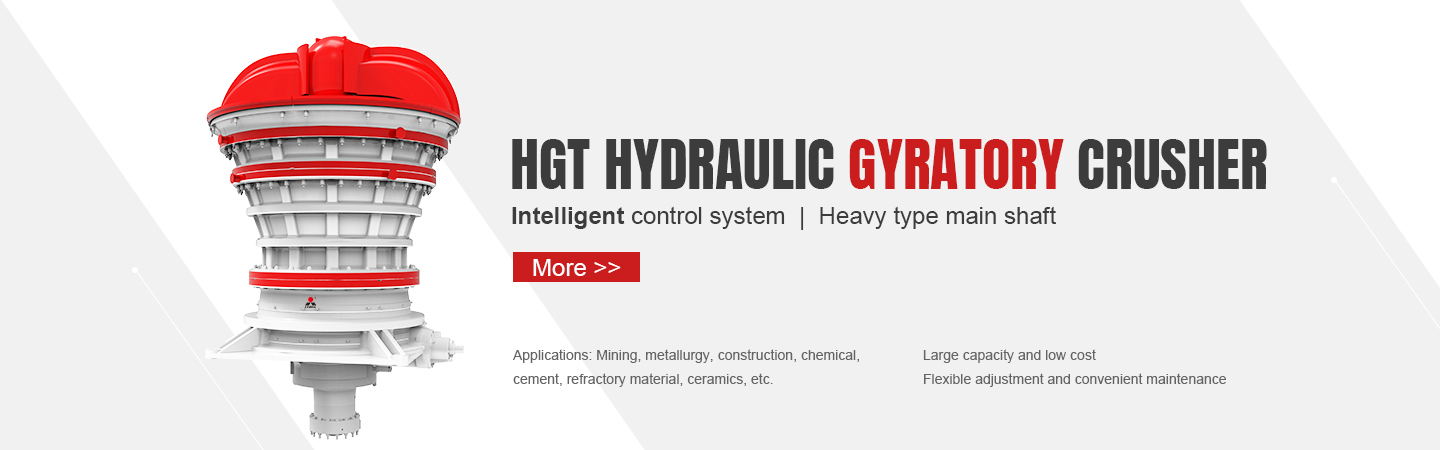
- Utilize high-efficiency cone crushers with advanced cavity design tailored for feldspar’s moderate hardness and abrasive characteristics, enabling high reduction ratios at elevated throughput rates.
- Employ automated crusher setting controls linked to feed composition data from on-line analyzers, maintaining optimal throughput while preserving product quality and minimizing wear.
- Install intelligent lubrication and cooling systems that adapt to load and ambient conditions, preventing downtime due to thermal stress and extending component life under continuous operation.
Crusher selection must balance rotor speed, feed size, and chamber geometry to maximize liberation of valuable feldspar grains without generating excessive fines. Primary jaw crushers should be sized to deliver uniform feed to secondary and tertiary stages, avoiding surge loading. Twin-roll crushers or high-speed vertical shaft impactors (VSI), when used in final stages, must be calibrated for selective fracturing along mineral grain boundaries to maintain mineralogical integrity.
Material handling infrastructure plays a critical role: inclined chutes with abrasion-resistant liners and optimized angles ensure smooth transfer, reducing kinetic energy loss and blockages. Vibrating grizzlies upstream of the primary crusher efficiently scalping fines, decreasing unnecessary processing load and increasing effective throughput.
Dust generation—common in feldspar processing—must be mitigated via centralized dust collection with cyclonic pre-separation and baghouse filtration. This preserves visibility, ensures compliance, and protects sensitive control electronics, all contributing to uninterrupted high-speed operation.
Finally, predictive maintenance protocols powered by vibration analysis, oil spectrometry, and thermal imaging allow preemptive intervention without unplanned stoppages. When paired with remote monitoring platforms, operators can fine-tune parameters in real time, adjusting for variations in feed grade or moisture content without compromising output quality.
The integration of robust mechanical design, smart automation, and process discipline ensures that processing speed is not achieved at the expense of product consistency or plant reliability—delivering the high-capacity performance required in Peru’s competitive mineral processing landscape.
Optimizing Feldspar Production for Mining and Industrial Applications in Peru
-
Optimize feed preparation through precise control of moisture content and feed gradation to maximize throughput and crusher efficiency. High-capacity feldspar processing in Peru demands consistent input material, ideally pre-screened to remove sub-fraction particulates and contaminants such as mica or quartz overburden common in Andean deposits.
-
Implement closed-circuit crushing with multi-stage configurations: primary jaw crushing followed by secondary cone or impact crushing, and tertiary vertical shaft impact (VSI) crushing for precise grain sizing. This approach ensures product uniformity required for ceramic and glass manufacturing sectors, where particle size distribution directly impacts end-product quality.
-
Integrate automated process control systems to monitor real-time variables including feed rate, power draw, and crusher closed-side setting (CSS). Automation enhances responsiveness to ore variability across Peruvian feldspar deposits—ranging from intrusive pegmatites in Cajamarca to hydrothermal veins in Arequipa—and maintains optimal operating parameters for sustained high output.
-
Prioritize wear part selection using high-grade manganese or alloyed steels tailored to the abrasiveness of local feldspar. Regular inspection and predictive maintenance protocols minimize unplanned downtime, a critical factor in remote mining regions where logistical delays can impact operational continuity.
-
Incorporate modular plant design to allow scalability and relocation across mining concessions. Given Peru’s diverse topography and evolving mining concessions, mobile or semi-mobile high-capacity plants offer strategic flexibility, reducing capital risk and enabling rapid deployment.
-
Emphasize energy efficiency through variable frequency drives (VFDs) on feeders and conveyors, synchronized with crusher load. Energy consumption optimization is essential for compliance with Peru’s growing emphasis on sustainable mining practices and reduces operating costs in regions with variable power infrastructure.
-
Conduct routine mineralogical analysis to adjust processing parameters based on K-feldspar versus plagioclase dominance. Tailoring the crushing and classification process to mineral composition ensures higher purity output, meeting stringent industrial specifications for use in tile manufacturing, paint fillers, and specialty glass.
-
Collaborate with local geological surveys and metallurgical labs to refine comminution models specific to Peruvian feldspar lithologies. This data-driven approach enhances plant performance forecasting and supports long-term operational planning under fluctuating ore characteristics.
Frequently Asked Questions
What makes a high-capacity feldspar crusher plant suitable for Peru’s geological and logistical conditions?
Peru’s diverse terrain and high-altitude mining regions demand robust, modular, and transportable crushing solutions. High-capacity feldspar crusher plants designed for Peru feature seismic-resistant foundations, adaptive feed systems for variable ore hardness, and corrosion protection for humid coastal or acidic mine environments. Expert configurations integrate mobile or semi-mobile units with diesel-electric hybrid power options to overcome grid instability, ensuring uninterrupted processing in remote Andean operations.
How does a stable output design enhance feldspar processing efficiency in Peru?
Stable output is achieved through closed-circuit crushing systems with real-time automation, including adjustable eccentric speed gyratory crushers and intelligent vibration monitoring. These systems maintain consistent product size (typically 6–12 mm for feldspar), reducing downstream grinding energy by up to 22%. For Peru’s export-oriented feldspar industry, this stability ensures uniformity required by ceramics and glass manufacturers in Asia and North America.
Which crusher technology delivers the fastest processing for high-capacity feldspar operations?
For high-throughput feldspar plants, compound cone crushers with laminated crushing chambers and hydraulic clearance adjustment offer the fastest and most efficient processing. These crushers achieve 500–1,200 tons per hour (TPH) output with low fines generation. Paired with high-frequency screening and feeder synchronization, they reduce bottlenecks and ensure rapid material turnover—critical for Peru’s growing industrial mineral export targets.
What maintenance protocols ensure long-term reliability in tropical and high-altitude Peruvian mines?
Expert maintenance includes scheduled greasing systems with temperature-compensating lubricants, predictive analytics via IoT vibration sensors, and modular wear-part replacement strategies. In high-altitude zones (>3,000 masl), turbocharged hydraulic systems and altitude-adjusted cooling prevent overheating. Tropical humidity zones require sealed electrical enclosures (IP65+) and stainless-steel chutes to combat moisture-induced deterioration.
How is dust and environmental compliance managed in Peruvian feldspar crusher plants?
Integrated dry fog suppression systems and baghouse filters (efficiency >99.7%) are standard in compliant plants. In ecologically sensitive regions like Cajamarca, closed-loop water recycling with sedimentation tanks minimizes freshwater use. Expert designs align with MINEM’s DS-050-2016-EM regulations, incorporating real-time air quality monitors and acoustic enclosures to meet 85 dBA noise limits.
Can a feldspar crusher plant be scaled to match increasing production demands in Peru?
Yes—modular high-capacity plants utilize scalable processing configurations, such as parallel secondary crushing lines and expandable screen decks. Expert layouts reserve space for future tertiary VSI crushers or beneficiation units. With Peru’s feldspar demand rising 6.4% annually (MINEM 2023), scalable plants reduce downtime and CAPEX by enabling phased expansion without redesign.
What automation systems optimize performance in a feldspar crushing plant?
Advanced plants deploy SCADA-integrated PLC systems with AI-driven feed optimization and predictive maintenance algorithms. These monitor crusher load, power draw, and wear rates in real time. For Peruvian operations, remote monitoring via satellite or 4G allows centralized control from Lima or Trujillo, minimizing on-site labor needs and boosting OEE (Overall Equipment Effectiveness) to over 90%.
How is energy efficiency maximized in high-capacity Peruvian feldspar plants?
Energy savings are achieved through variable frequency drives (VFDs), regenerative braking on conveyors, and multi-stage crushing with optimal size reduction ratios. Expert designs prioritize energy recovery tunnels and heat-exchange systems in hydraulic circuits. Many top-tier plants in Peru now integrate solar hybrid power systems, cutting operational energy costs by 30–40%.
What transport and installation challenges arise when deploying a crusher plant in Peru’s interior?
Mountainous access routes require engineered transport plans using self-propelled modular trailers (SPMTs). Equipment is often disassembled into ISO-compatible modules for air or river barge delivery to regions like Puno or Apurímac. Expert EPC contractors conduct pre-installation route surveys and use helicopter-assisted lifts for critical components in inaccessible zones.
Which quality certifications should a high-capacity feldspar crusher plant have for Peruvian operations?
Primarily required certifications include ISO 9001 (Quality), ISO 14001 (Environmental), and ISO 45001 (Safety). Additionally, machines should comply with Peruvian INACAL standards and carry CE or ANSI/CEA safety markings. For export-oriented plants, third-party validation from SGS or Bureau Veritas ensures traceability and metallurgical consistency of crushed feldspar.
How do expert crusher plant designs mitigate geological variability in Peruvian feldspar deposits?
Utilizing adaptive crushing algorithms and variable CSS (closed-side setting) controls, modern plants adjust in real time to changes in feldspar hardness and quartz content. Pre-crushing ore sorting via LIBS (Laser-Induced Breakdown Spectroscopy) reduces dilution and rejects waste early. This flexibility is essential in Peru’s mixed pegmatite-hosted deposits, where feldspar grades fluctuate significantly across veins.
What is the typical ROI timeline for investing in a high-capacity feldspar crusher plant in Peru?
With optimized design and stable export pricing (~USD 90–110/ton for beneficiated feldspar), expert-run plants achieve ROI within 18–26 months. Faster returns are driven by high TPH rates (>800 TPH), low OPEX via automation, and alignment with value-added processing (e.g., magnetic separation for ceramic-grade product). Favorable mining policies in regions like Arequipa further reduce payback periods.