Table of Contents
- Why Calcite Sand Production is Vital for South Africa’s Infrastructure Growth
- How Calcite Sand Making Machines Boost Mining and Industrial Efficiency
- Key Features to Look for in a Calcite Sand Making Machine for African Conditions
- Top Benefits of Using Advanced Sand Making Technology in South African Quarries
- Sustainable and Cost-Effective Calcite Processing Equipment for Long-Term Success
- Frequently Asked Questions
- What is a calcite sand making machine and how does it work?
- Why is the VSI crusher the preferred choice for calcite sand production in South Africa?
- What are the key features to look for in a calcite sand making machine for arid regions of South Africa?
- How does the hardness of calcite affect sand making machine selection?
- What maintenance practices maximize uptime for calcite sand making machines?
- Can calcite sand replace natural river sand in construction projects in South Africa?
- What environmental regulations affect calcite sand production in South Africa?
- How does moisture content in calcite feed impact sand making efficiency?
- What are the top brands offering reliable calcite sand making machines in South Africa?
- How can plant operators optimize energy consumption in calcite sand production?
- What particle size distribution is ideal for calcite sand in cementitious applications?
- Is mobile or fixed calcite sand making plant better for South African mining operations?
South Africa’s construction and mining sectors are undergoing a transformative evolution, driven by rising demand for high-quality, sustainable materials and efficient processing technologies. At the heart of this advancement lies the calcite sand making machine—a precision-engineered solution revolutionizing the way calcite is processed into premium construction sand. With abundant calcite reserves across regions like Limpopo and North West, South Africa is uniquely positioned to leverage this resource, and advanced sand making machines offer the ideal blend of productivity, energy efficiency, and minimal environmental impact. These high-efficiency systems utilize innovative crushing and shaping mechanisms to produce uniformly graded, durable sand that meets stringent industry standards—perfect for concrete production, road construction, and mineral processing. As infrastructure development accelerates nationwide and sustainability becomes paramount, investing in cutting-edge calcite sand making technology is not just a strategic advantage—it’s a necessity. For local operators, this means reduced operational costs, enhanced output quality, and greater competitiveness in a rapidly growing market.
Why Calcite Sand Production is Vital for South Africa’s Infrastructure Growth
-
Calcite sand production plays a pivotal role in advancing South Africa’s infrastructure development by serving as a critical input in construction-grade aggregates, cement manufacturing, and road base materials. With sustained urbanization and government-driven infrastructure initiatives—such as the National Infrastructure Plan 2050 and expanded public transport networks—demand for high-quality, locally sourced construction materials has intensified.
-
The geological abundance of calcite-rich limestone in regions such as Limpopo, Mpumalanga, and the Northern Cape provides South Africa with a strategic advantage. Efficient calcite sand making machines convert this natural resource into uniformly graded, high-purity sand suitable for concrete formulation, mortar production, and asphalt mixing. This reduces dependency on imported sand and mitigates supply chain vulnerabilities.
-
Conventional river sand extraction poses environmental and regulatory challenges, including ecosystem degradation and compliance with stricter water use licensing. Mechanically processed calcite sand presents a sustainable alternative, offering consistent particle size distribution, enhanced strength properties, and reduced water consumption during production. This aligns with South Africa’s environmental management goals and supports green building practices.
-
In mining operations, calcite sand is also used in mineral processing, pH stabilization, and tailings management. Integrating advanced sand making machines—featuring vertical shaft impactors and closed-circuit screening—ensures optimal yield, energy efficiency, and minimal waste. These systems are adaptable to South Africa’s variable feedstock quality and can be deployed in remote or off-grid locations with modular power integration.
-
Economically, localized calcite sand production stimulates job creation, supports small and medium-sized enterprises in the construction supply chain, and reduces transport costs by decentralizing material sourcing. Projects such as affordable housing, rail rehabilitation, and water infrastructure benefit from cost-stable, reliable material inputs.
-
Furthermore, adherence to South African National Standards (SANS 1083) for aggregates is enhanced through precision engineering in modern calcite sand processing units, ensuring compliance with structural safety and durability requirements.
In sum, the integration of high-efficiency calcite sand making technology is not merely an operational upgrade—it is a strategic enabler of infrastructure resilience, environmental compliance, and inclusive economic growth across South Africa.
How Calcite Sand Making Machines Boost Mining and Industrial Efficiency
-
High-efficiency calcite sand making machines have become pivotal assets in South Africa’s mining and construction sectors, where demand for finely processed mineral aggregates continues to rise. These machines leverage advanced vertical shaft impact (VSI) technology to transform raw calcite into uniformly graded, high-purity sand suitable for cement production, road base materials, and specialty fillers in industrial applications.
-
The core advantage lies in operational precision and throughput optimization. Modern calcite sand making machines achieve consistent particle size distribution—typically within 0.075 mm to 4.75 mm—ensuring compliance with SANS and ISO standards for construction aggregates. This level of control reduces material reprocessing, minimizes waste, and enhances downstream usability, directly improving project timelines and material yield.
-
Energy efficiency is another critical performance metric. Leading models integrate adjustable rotor speeds and optimized crushing chambers, reducing power consumption by up to 30% compared to conventional jaw or cone crushing systems. This efficiency is particularly valuable in South Africa, where energy costs and grid reliability remain operational concerns for mining enterprises.
-
Integration into existing processing lines is seamless, with modular designs supporting scalability and minimal downtime during installation. Automated control systems enable real-time monitoring of feed rate, vibration, and temperature, allowing operators to maintain optimal performance under variable load conditions. Predictive maintenance alerts further reduce unplanned outages, contributing to higher overall equipment effectiveness (OEE).
-
From a sustainability standpoint, these machines support responsible resource utilization. Closed-circuit configurations with integrated screens and washers allow for water recycling and fines recovery, aligning with environmental regulations in sensitive mining regions. Additionally, producing high-quality calcite sand locally reduces reliance on imported aggregates, lowering transportation emissions and supporting economic localization.
-
In South Africa’s evolving industrial landscape, where infrastructure development and mineral beneficiation are strategic priorities, calcite sand making machines represent a convergence of technological advancement and practical utility. Their deployment not only elevates processing standards but also strengthens supply chain resilience across construction and mining value chains.
Key Features to Look for in a Calcite Sand Making Machine for African Conditions
-
Robust construction using high-grade wear-resistant materials is essential to withstand the abrasive nature of calcite and the demanding operational environments across South Africa. Given the variability in feed material and frequent operation in remote mining or construction sites, the machine must incorporate reinforced steel frames and modular wear parts that are easily replaceable to minimize downtime.
-
Dust suppression integration is a critical consideration due to the fine particulate nature of calcite and strict environmental and occupational health regulations. Machines equipped with built-in water spray systems or compatible with dust collection units ensure compliance with South African safety standards while protecting operator health and reducing environmental impact.
-
Power efficiency and adaptability to variable grid conditions are paramount. Many operations in rural or developing regions face inconsistent power supply. Therefore, the calcite sand making machine should support voltage fluctuations and ideally offer dual power options—electric drive with soft starters or optional diesel-hydraulic configurations for off-grid sites.
-
Adjustable output specifications are necessary to meet diverse end-use requirements in construction aggregates, cement production, and mineral processing. A machine with variable rotor speed, adjustable impact plates, and multiple cavity configurations allows precise control over particle size distribution, shape, and fineness modulus, ensuring product conformity with SANS and regional standards.
-
Remote monitoring and diagnostic capabilities enhance operational continuity. Machines featuring IoT-enabled sensors for real-time tracking of vibration, temperature, and wear status enable predictive maintenance, reducing unplanned outages—particularly valuable in decentralized sites with limited technical staff.
-
Local serviceability and spare parts availability determine long-term viability. Equipment designed with standardized components and supported by established local suppliers or service partners in South Africa ensures faster turnaround during maintenance cycles. OEMs with regional technical training programs further support sustainable adoption.
-
Finally, scalability and modular design facilitate integration into both small-scale crushing plants and large mining circuits. A machine that can be paired with feeders, screens, and conveyors in a plug-and-play configuration offers flexibility for evolving production needs across South Africa’s dynamic construction and extractive sectors.
Top Benefits of Using Advanced Sand Making Technology in South African Quarries
-
Improved Aggregate Quality and Consistency
Advanced sand making technology ensures precise control over particle size distribution, shape, and grading. This results in manufactured sand that meets stringent South African National Standards (SANS) for construction aggregates. Cubical particle morphology enhances concrete workability, strength, and durability—critical factors in infrastructure projects across South Africa’s diverse climatic zones. -
Enhanced Operational Efficiency and Throughput
Modern calcite sand making machines integrate intelligent automation and real-time monitoring systems, reducing manual intervention and downtime. These technologies enable continuous operation under variable feed conditions, increasing quarry productivity by up to 30% compared to conventional crushing methods. High throughput rates support the growing demand for construction materials in urban expansion and public works initiatives. -
Reduced Energy Consumption and Operating Costs
Innovative rotor design and energy recovery mechanisms in advanced sand making equipment significantly lower specific energy consumption per ton of output. This efficiency translates into measurable cost savings, particularly important in a region where energy expenses represent a major operational burden. Lower wear rates on components also decrease maintenance frequency and spare parts expenditure. -
Environmental and Regulatory Compliance
Advanced systems incorporate dust suppression and closed-circuit water recycling, minimizing environmental impact and ensuring compliance with South Africa’s environmental management regulations. Reduced fugitive emissions and noise levels contribute to improved community relations, especially in quarries located near residential or ecologically sensitive areas. -
Optimal Utilization of Local Calcite Resources
South Africa possesses abundant calcite deposits, yet many remain underutilized due to processing limitations. High-efficiency sand making technology enables effective beneficiation of lower-grade or finely disseminated ores, converting previously non-viable resources into marketable construction materials. This supports resource sustainability and reduces reliance on natural sand extraction, helping preserve riverbeds and aquatic ecosystems. -
Integration with Digital Quarry Management
Leading sand making solutions offer compatibility with digital monitoring platforms, enabling predictive maintenance, remote diagnostics, and performance analytics. This digital integration supports data-driven decision-making, improves asset utilization, and aligns with South Africa’s broader industrial modernization objectives in mining and construction.
Sustainable and Cost-Effective Calcite Processing Equipment for Long-Term Success
-
Sustainable and cost-effective calcite processing equipment is a strategic imperative for South African construction and mining operations aiming to balance economic viability with environmental responsibility. High-efficiency calcite sand making machines designed for durability, low energy consumption, and minimal maintenance deliver long-term operational advantages in abrasive and high-throughput environments.
-
Modern vertical shaft impact (VSI) crushers, specifically engineered for calcite processing, offer superior particle shaping and consistent output quality. These machines utilize rock-on-rock crushing principles, reducing metallic wear and extending component life—critical for minimizing downtime and replacement costs. Advanced rotor designs and adjustable operating parameters allow precise control over product gradation, ensuring compliance with local construction standards while maximizing yield.
-
Energy efficiency is a cornerstone of sustainable processing. State-of-the-art calcite sand making systems integrate variable frequency drives (VFDs) and intelligent automation to match energy input with load demands, reducing power consumption by up to 25% compared to conventional setups. This not only lowers operational expenditures but also aligns with South Africa’s evolving energy sustainability goals.
-
Equipment constructed with wear-resistant alloys and modular components facilitates easy servicing and part replacement, further enhancing cost efficiency. Localized availability of spare parts and technical support reduces lead times and supports uninterrupted production—particularly vital in remote mining regions.
-
Dust suppression and water recycling systems are integral to environmentally responsible calcite processing. Closed-circuit configurations with integrated scrubbers and hydrocyclones minimize water usage and prevent particulate emissions, ensuring adherence to environmental regulations while conserving scarce resources.
-
Long-term success in South Africa’s calcite value chain depends on equipment that combines robust engineering with lifecycle cost optimization. Investing in high-efficiency sand making machines that emphasize energy savings, durability, and ease of maintenance ensures sustained productivity, regulatory compliance, and reduced carbon footprint—key drivers for competitive advantage in a resource-constrained economy.
Frequently Asked Questions
What is a calcite sand making machine and how does it work?
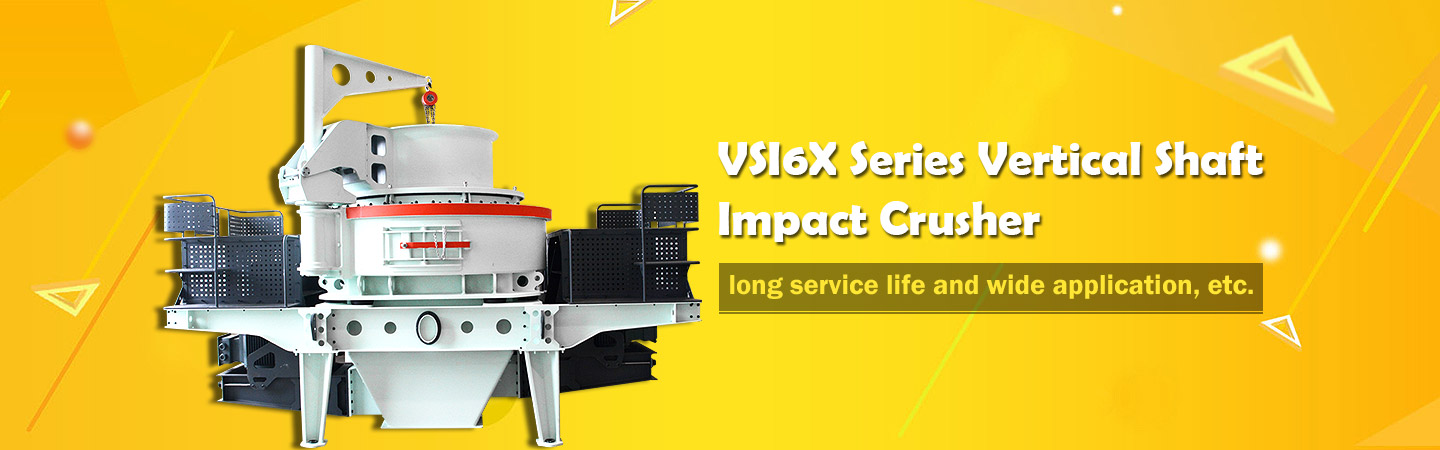
A calcite sand making machine, commonly referred to as a VSI (Vertical Shaft Impact) crusher, is engineered to produce high-quality manufactured sand from calcite ore. It operates by accelerating calcite feed material through a high-speed rotor, which then impacts it against a wear-resistant surface or other particles, resulting in cubical-shaped sand particles ideal for construction. The machine’s design ensures precise control over particle size distribution, minimizing fines and optimizing output for applications like concrete and mortar.
Why is the VSI crusher the preferred choice for calcite sand production in South Africa?
VSI crushers are preferred in South Africa due to their ability to produce consistent, high-quality sand with excellent grain shape and minimal impurities—critical for meeting SANS (South African National Standards) in building materials. Their high throughput and energy efficiency make them economically viable, particularly in regions where natural sand is scarce or over-exploited. Additionally, VSI technology handles the moderate hardness of calcite efficiently, reducing wear cost and downtime.
What are the key features to look for in a calcite sand making machine for arid regions of South Africa?
In arid regions with water scarcity, look for dry processing capabilities, dust suppression systems (e.g., dry fog or sealed enclosures), and robust wear protection against abrasive calcite dust. Machines with adjustable rotor speeds, modular liners, and remote monitoring enhance operational control. Also, prioritize models with low water dependency to comply with environmental regulations and reduce operational costs.
How does the hardness of calcite affect sand making machine selection?
Calcite has a Mohs hardness of 3, making it relatively soft compared to quartz or granite. This allows for higher throughput and reduced wear on components like blow bars and liners. However, the brittleness of calcite requires precise rotor speed adjustment to avoid over-pulverization. Sand making machines with variable frequency drives (VFDs) and optimized feed control are ideal to balance productivity and product quality.
What maintenance practices maximize uptime for calcite sand making machines?
Expert-level maintenance includes weekly inspection of wear parts (anvils, impact plates, rotors), lubrication system checks using high-temperature grease, and vibration analysis to detect imbalance. Implementing predictive maintenance with IoT sensors to monitor temperature, load, and feed consistency can prevent unplanned shutdowns. Regular calibration of feeders ensures uniform material distribution, extending component life.
Can calcite sand replace natural river sand in construction projects in South Africa?
Yes, properly processed calcite sand meets SANS 10227 and SANS 10197 specifications for fine aggregates. Its uniform gradation, angular particle shape, and low moisture content enhance concrete strength and reduce cement demand. In eco-sensitive areas where river sand mining is restricted, calcite manufactured sand provides a sustainable, consistent alternative when produced with controlled fines content and proper washing if needed.
What environmental regulations affect calcite sand production in South Africa?
Calcite sand operations must comply with NEMA (National Environmental Management Act), including dust emission controls (e.g., stack monitors and baghouses), noise level restrictions near residential areas, and water use licensing if wet processing is involved. Operators must conduct EIAs (Environmental Impact Assessments) and implement dust suppression and rehabilitation plans to gain and retain operational permits.
How does moisture content in calcite feed impact sand making efficiency?
High moisture in calcite feed (above 5%) can lead to rotor clogging, reduced throughput, and increased power consumption. For optimal efficiency, use pre-crushing and screening to remove fines and moisture, or integrate a drying system. In South Africa’s variable climates, closed-circuit plants with moisture sensors and automatic feed adjustment help maintain consistent production rates.
What are the top brands offering reliable calcite sand making machines in South Africa?
Leading global brands include ZWC Outotec, Sandvik, and FL Smidth, known for durable VSIs with local support networks. Chinese manufacturers like SBM and Camelway offer cost-effective, CE-certified models increasingly adopted in mid-scale operations. Selection should consider after-sales service, spare parts availability, and local agent technical competency, crucial for minimizing downtime.
How can plant operators optimize energy consumption in calcite sand production?
Use variable speed drives on feeders and crushers to match load demand, implement closed-loop automation for real-time adjustments, and stage crushing (coarse + fine) to reduce over-grinding. Conduct energy audits to identify inefficiencies, and integrate renewable energy sources where feasible. Optimizing rotor tip speed to match calcite’s friability can cut power use by up to 20%.
What particle size distribution is ideal for calcite sand in cementitious applications?
The ideal distribution follows Zone II of SANS 10227: 90–100% passing 4.75mm, 75–85% passing 2.36mm, and 45–60% passing 600µm. A controlled fines content (<15% below 75µm) ensures workability without excessive water demand. Achieving this requires precise VSI settings—adjusting rotor speed, feed rate, and cascade ratio—and post-crushing air classification if needed.
Is mobile or fixed calcite sand making plant better for South African mining operations?
Fixed plants offer higher capacity, better integration with auxiliary systems (like screening and washing), and lower operating costs per ton, ideal for long-term quarries. Mobile plants (track-mounted VSI units) suit remote or temporary sites, offering quick deployment and reduced infrastructure cost—advantageous for exploration-stage operations or contract crushing in Mpumalanga or Limpopo. The decision hinges on project duration, scalability needs, and logistics.