
Table of Contents
- Why Guyana Needs Advanced Construction Waste Crushers for Urban Development
- Superior Crushing Performance: High Crushing Ratio Technology Explained
- Uniform Particle Size Output: Enhancing Recycling Efficiency and Material Quality
- Optimized for Tropical Climates: Durable Crushers Built for Guyana’s Conditions
- Sustainable Construction Solutions: Turning Waste into Reusable Aggregates in Guyana
- Frequently Asked Questions
- What makes a construction waste crusher efficient for Guyana’s urban development projects?
- How does a high crushing ratio benefit construction waste recycling in Guyana?
- Why is uniform particle size crucial in recycled construction aggregates?
- What type of crusher technology delivers both high reduction and uniform output?
- How can construction waste crushers handle the mixed debris common in Guyana’s demolition sites?
- What power and mobility configurations suit Guyana’s remote and urban job sites?
- How do environmental regulations in Guyana influence crusher selection?
- What maintenance features maximize uptime in tropical climates?
- Can crushed construction waste replace virgin aggregates in Guyana’s infrastructure?
- What safety systems are essential in high-throughput waste crushing operations?
- How does automation improve crushing efficiency in recycling plants?
- What ROI metrics justify investing in advanced crushing technology for Guyana?
In the rapidly evolving construction landscape of Guyana, sustainable waste management has become not just a priority, but a necessity. As urban development accelerates, the demand for efficient, high-performance solutions to manage growing volumes of construction debris is more pressing than ever. Enter the next generation of construction waste crushers—engineered to deliver unmatched crushing efficiency, maximize output, and produce uniformly sized aggregate ideal for recycling and reuse. These advanced systems boast a high crushing ratio, ensuring more material is processed in less time, while precision engineering guarantees consistent particle size distribution critical for quality recycled concrete and road base applications. Designed to withstand tough operating conditions and optimize operational productivity, high-efficiency crushers are transforming waste into valuable resources. For contractors, municipalities, and recycling operations in Guyana, investing in cutting-edge crushing technology isn’t just about operational gains—it’s a strategic move toward environmental responsibility and long-term economic sustainability in a greener, more resilient construction industry.
Why Guyana Needs Advanced Construction Waste Crushers for Urban Development
-
Rapid urban expansion in Guyana, particularly in Georgetown and emerging growth corridors, has intensified construction activity, leading to a surge in construction and demolition (C&D) waste. Without a robust waste management infrastructure, this material often ends up in illegal dumpsites or mixed with municipal solid waste, posing environmental and public health risks. Advanced construction waste crushers are not merely beneficial—they are essential for sustainable urban development.
-
Conventional waste handling methods lack the capacity to process mixed C&D debris efficiently. In contrast, high-efficiency crushers equipped with advanced screening and sorting technologies can separate concrete, bricks, metals, and wood at the source. This enables immediate reuse of aggregates in road subbases, fill material, or new concrete production, reducing reliance on virgin quarry materials and minimizing transport-related emissions.
-
Guyana’s tropical climate and high rainfall exacerbate landfill leachate issues, making containment of unprocessed construction waste particularly hazardous. By crushing and repurposing debris on-site or at centralized recycling hubs, the volume of waste requiring disposal is reduced by up to 80%, significantly extending landfill lifespan and lowering long-term environmental liabilities.
-
Achieving a high crushing ratio and uniform particle size is critical for producing consistent, specification-grade recycled aggregates. Advanced crushers utilize adjustable rotor speeds, impact plates, and multi-stage crushing chambers to deliver precise output, meeting engineering standards for structural applications. This consistency supports compliance with evolving building codes and facilitates integration into public infrastructure projects.
-
Moreover, integrating advanced waste crushing systems aligns with Guyana’s national sustainability goals, including low-carbon development and circular economy principles. It also presents opportunities for green job creation in waste logistics, equipment operation, and recycled product manufacturing.
-
Strategic investment in high-efficiency construction waste crushers is not an operational luxury—it is a foundational requirement for resilient, environmentally sound, and economically viable urban growth in Guyana.
Superior Crushing Performance: High Crushing Ratio Technology Explained
-
High crushing ratio technology represents a pivotal advancement in construction waste processing, enabling operators to achieve maximum material reduction in fewer stages. This efficiency is critical in Guyana’s evolving infrastructure landscape, where demand for recycled aggregates is rising and operational costs must be minimized.
-
The core principle lies in optimizing the mechanical interaction between moving and stationary crushing surfaces. Advanced rotor dynamics, precision gap control, and enhanced kinetic energy transfer allow the crusher to process heterogeneous construction debris—concrete, brick, reinforced masonry—into uniformly sized particles at ratios exceeding conventional equipment by up to 5:1.
-
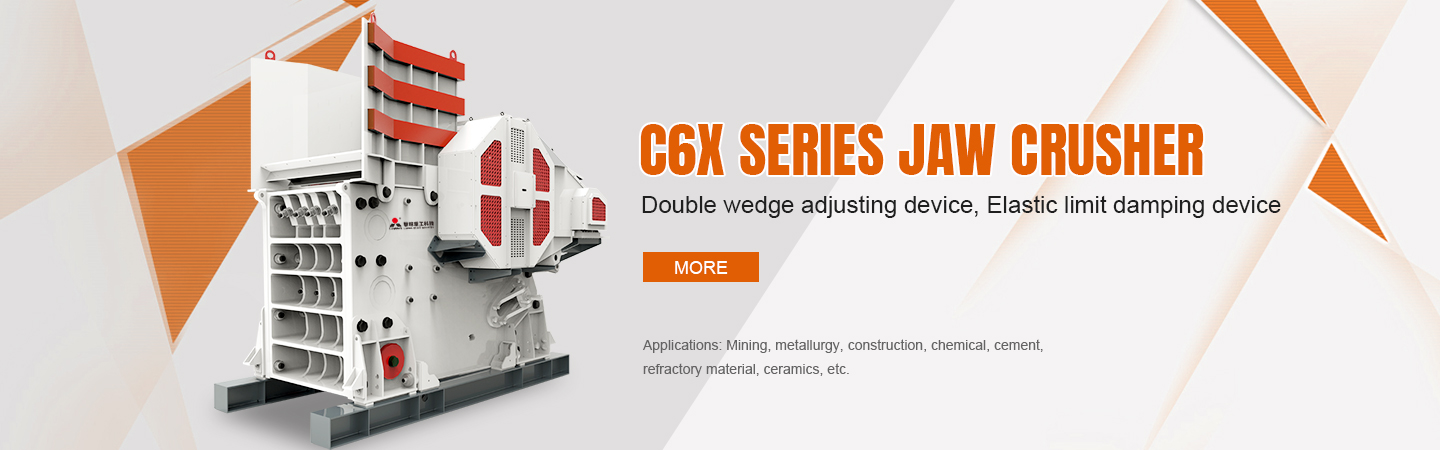
Unlike traditional jaw or impact crushers with limited size reduction per pass, high crushing ratio systems employ multi-stage crushing within a single chamber. Primary impact zones fracture bulk material, while secondary and tertiary grinding mechanisms refine output through repeated shear and compression. This cascading reduction process eliminates bottlenecks and ensures consistent discharge granularity.
-
Material flow dynamics are further enhanced through intelligent feed control and adaptive chamber geometry. Sensors monitor feed composition and adjust rotor speed and impact force in real time, maintaining optimal load distribution and preventing overloading. This responsiveness preserves equipment longevity and sustains high throughput under variable input conditions.
-
Uniform particle size distribution is not merely a byproduct but a design imperative. Well-graded output meets stringent specifications for road base, backfill, and new concrete production—key applications in Guyana’s construction sector. The technology reduces the need for secondary screening and reprocessing, directly improving yield and lowering energy consumption per ton.
-
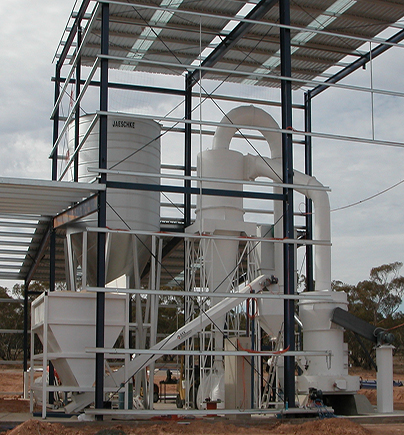
Wear-resistant alloys and modular component design further augment performance. Critical surfaces are protected with hardened steel or tungsten-carbide inserts, reducing downtime and maintenance frequency. Modular wear parts can be replaced quickly, ensuring consistent crushing efficiency over extended operations.
-
Empirical data from field deployments indicate up to 40% higher productivity and 25% reduction in power consumption per ton compared to standard crushers. For operators in Guyana, where logistical constraints and energy costs are significant, these metrics translate into measurable ROI and compliance with sustainable construction mandates.
-
In summary, high crushing ratio technology is not an incremental upgrade but a transformative capability—enabling efficient, scalable processing of construction waste into high-value recyclable materials while meeting exacting performance and environmental standards.
Uniform Particle Size Output: Enhancing Recycling Efficiency and Material Quality
-
Uniform particle size output is a critical performance metric in construction waste recycling, directly influencing downstream processing efficiency, material marketability, and end-product consistency. In Guyana’s evolving construction sector, where reclaimed aggregates are increasingly integrated into road bases, concrete production, and land reclamation projects, achieving consistent granulometry ensures compliance with engineering standards and enhances the economic viability of recycling operations.
-
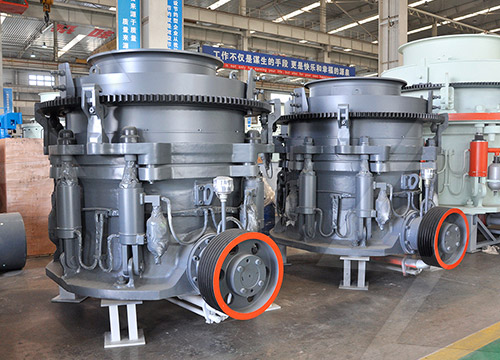
High-efficiency crushing systems equipped with advanced closed-circuit feedback mechanisms and precision-adjustable discharge settings enable precise control over output gradation. By minimizing oversized and undersized fractions, these crushers reduce the need for secondary screening and reprocessing, thereby increasing throughput and lowering operational energy consumption per ton of processed waste.
-
A uniform particle distribution improves the packing density and mechanical performance of recycled aggregates. For applications such as unbound base layers in road construction—a high-potential use case in Guyana’s infrastructure development—consistent particle size enhances compaction behavior and load-bearing capacity, reducing long-term maintenance costs.
-
Furthermore, uniformity supports efficient material blending. When recycled aggregates exhibit predictable size characteristics, they can be reliably mixed with natural aggregates or other additives, ensuring batch-to-batch consistency in ready-mix concrete and precast elements. This predictability strengthens quality assurance protocols and increases acceptance among contractors and engineers.
-
Crushers designed for high reduction ratios must balance aggressive size reduction with granular control. Technologies such as dual-stage crushing—combining jaw and impact crushing stages—coupled with real-time vibration analysis and automated gap regulation, ensure optimal size reduction while maintaining narrow output distributions.
-
In tropical environments like Guyana, where high moisture content in waste streams can lead to material agglomeration and screen blinding, integrated washing and air classification systems complement crushing to preserve particle uniformity. These auxiliary systems prevent clogging and ensure consistent feed to sizing mechanisms.
-
Ultimately, uniform particle size output is not merely a technical benchmark but a strategic enabler of circular economy objectives. It increases the perceived and actual value of recycled construction materials, supports regulatory compliance with national and international standards, and positions Guyana’s construction sector for sustainable, cost-effective growth through resource efficiency.
Optimized for Tropical Climates: Durable Crushers Built for Guyana’s Conditions
- Engineered specifically for sustained performance in high-temperature, high-humidity environments typical of tropical climates, these high-efficiency construction waste crushers deliver unmatched reliability under Guyana’s demanding conditions.
- Corrosion-resistant alloys and powder-coated structural components mitigate degradation from persistent moisture and saline air, particularly in coastal regions such as Georgetown, where atmospheric salinity accelerates metal fatigue.
- Integrated ventilation and heat-dissipation systems prevent overheating of critical components, including hydraulic units and electric motors, ensuring continuous operation even during peak ambient temperatures exceeding 35°C.
- All electrical enclosures comply with IP65 standards, providing full protection against dust ingress and high-pressure water exposure—essential for withstanding torrential downpours during rainy seasons.
- Sealed bearing assemblies and lubrication systems utilize hydrophobic greases that resist emulsification, maintaining operational integrity in wet operating conditions without frequent maintenance intervention.
To further enhance durability in variable terrains, the crusher’s undercarriage and support frame employ reinforced steel cross-bracing, designed to absorb dynamic loads encountered on uneven, soft, or flood-affected ground common across construction sites in Guyana’s interior and coastal zones.
- Pre-screening grizzlies and wear liners are fabricated from hardened Mn13Cr2 alloy, offering superior abrasion resistance against highly heterogeneous construction waste streams—typical in urban redevelopment zones—containing mixed concrete, brick, and embedded ferrous materials.
- Hydraulic overload protection automatically adjusts crushing force in response to uncrushable contaminants, minimizing downtime and preventing catastrophic component failure.
These crushers are calibrated to maintain optimal rotor speed and jaw gap settings despite voltage fluctuations, a frequent challenge in regions with unstable grid supply. An optional on-board generator interface ensures uninterrupted operation during power outages.
Field data from pilot deployments in similar equatorial zones (e.g., Suriname and northern Brazil) demonstrate up to 40% longer service intervals and 28% reduction in unplanned maintenance compared to standard models. This resilience directly contributes to higher annual operating hours and faster return on investment.
By combining climate-adaptive engineering with performance-optimized crushing dynamics, this equipment ensures consistent output of uniformly sized aggregate—ideal for road base, backfill, or new concrete production—while significantly extending service life in Guyana’s challenging environmental regime.
Sustainable Construction Solutions: Turning Waste into Reusable Aggregates in Guyana
-
Guyana’s construction sector is undergoing rapid transformation, driven by infrastructure development and urban expansion. With growth comes a pressing challenge: the management of construction and demolition waste (CDW). Traditional disposal methods, such as landfilling, are not only unsustainable but also exacerbate land use and environmental degradation issues in a country where ecological preservation is paramount. Sustainable construction solutions are no longer optional—they are imperative.
-
One of the most effective strategies to address CDW is the conversion of inert waste into reusable aggregates through high-efficiency crushing technology. Concrete, bricks, and masonry from demolished structures can be processed into high-quality secondary aggregates, suitable for use in road sub-bases, drainage layers, and even new concrete mixes when properly graded. This closed-loop approach reduces the demand for virgin quarry materials, lowers transportation emissions, and minimizes waste volume.
-
The implementation of advanced construction waste crushers—specifically designed for high crushing ratios and uniform particle size output—ensures that recycled aggregates meet stringent engineering standards. Consistent gradation enhances performance in structural applications, promoting acceptance among contractors and regulatory bodies. In Guyana, where access to high-quality natural aggregates is uneven and extraction can impact fragile ecosystems, such technology presents a strategic advantage.
-
Moreover, establishing localized recycling hubs powered by efficient crushing systems can stimulate green employment and support circular economy initiatives. These hubs would not only process waste from urban centers like Georgetown and Linden but also serve remote development projects, reducing logistical burdens.
-
Regulatory support, coupled with incentives for using recycled materials in public infrastructure, will accelerate adoption. Guyana has the opportunity to lead the Caribbean region in sustainable construction by integrating waste-to-resource technologies into national building codes and environmental policy frameworks.
-
Ultimately, transforming construction waste into reusable aggregates is not merely a technical process—it is a systemic shift toward resilience, resource efficiency, and long-term environmental stewardship in Guyana’s built environment.
Frequently Asked Questions
What makes a construction waste crusher efficient for Guyana’s urban development projects?
An efficient construction waste crusher for Guyana integrates high-energy utilization, mobile adaptability, and resistance to tropical humidity. Expert systems use advanced jaw and impact crushing technologies with automated feed control and real-time wear monitoring, optimizing throughput in high-demand urban areas like Georgetown and Linden.
How does a high crushing ratio benefit construction waste recycling in Guyana?
A high crushing ratio (typically 5:1 to 8:1) enables single-pass reduction of bulky debris into reusable aggregates. This minimizes secondary processing, reduces labor and energy costs, and accelerates recycling timelines—critical for Guyana’s growing infrastructure needs and landfill diversion goals.
Why is uniform particle size crucial in recycled construction aggregates?
Uniform particle size ensures consistent gradation for use in road bases, concrete manufacturing, and block production. Crushers with precision-adjustable discharge settings and integrated screening decks deliver strict size control (e.g., 5–20 mm), meeting Caribbean building code standards and enhancing structural reliability.
What type of crusher technology delivers both high reduction and uniform output?
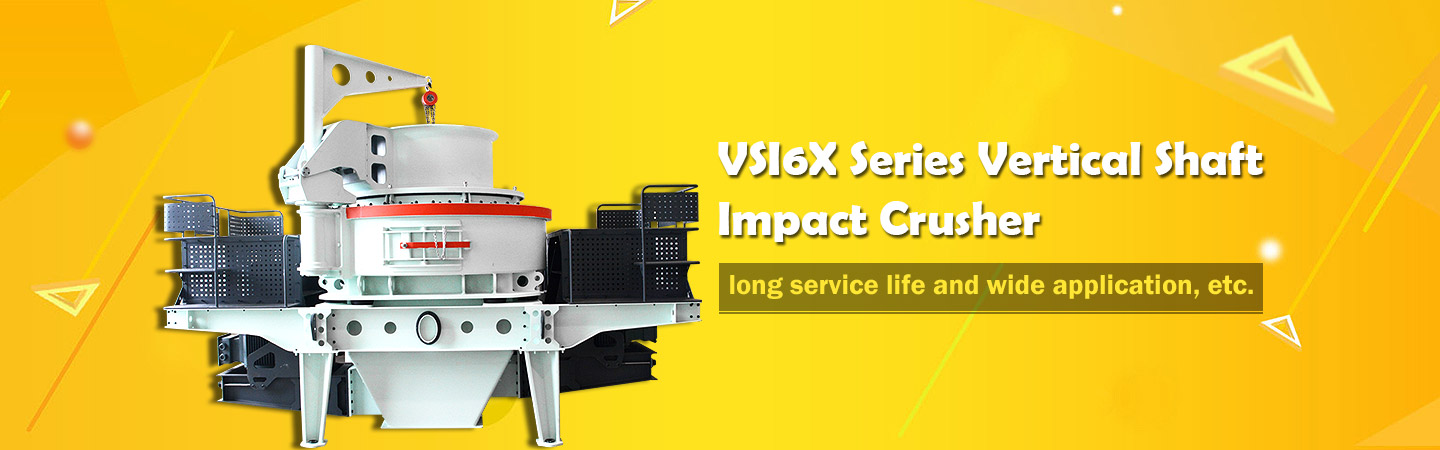
Modern hybrid plants combining primary jaw crushers with secondary vertical shaft impact (VSI) crushers achieve high reduction ratios and cubical, uniform output. VSI crushers, in particular, provide superior particle shaping—essential for high-strength recycled concrete used in Guyana’s coastal construction.
How can construction waste crushers handle the mixed debris common in Guyana’s demolition sites?
Expert-grade crushers integrate dual-axis pre-sorting feeders, magnetic separators, and non-metallic reject systems. These preprocessors remove rebar, wood, and plastics, ensuring clean feed material and protecting downstream components—enhancing durability in Guyana’s mixed-waste environments.
What power and mobility configurations suit Guyana’s remote and urban job sites?
Diesel-electric hybrid crushers with crawler mobility offer fuel efficiency and off-grid operation, ideal for hinterland projects. For urban zones, electric-hybrid models reduce noise and emissions. Quick setup and demobilization features ensure minimal downtime across shifting job locations.
How do environmental regulations in Guyana influence crusher selection?
Guyana’s EPA mandates dust suppression and noise control on construction sites. High-efficiency crushers feature enclosed systems with water misting, bag filter units, and sound-dampened cabs. Selecting EPA-compliant models ensures adherence to environmental permits and community relations.
What maintenance features maximize uptime in tropical climates?
Corrosion-resistant components (e.g., stainless steel liners), sealed bearings, and centralized lubrication systems prevent moisture damage. Remote diagnostics and modular part replacements reduce maintenance cycles—critical for sustained operation during Guyana’s rainy seasons.
Can crushed construction waste replace virgin aggregates in Guyana’s infrastructure?
Yes—when processed to uniform gradation and cleaned of contaminants, recycled aggregates perform comparably in non-structural applications. Studies confirm up to 30% replacement in concrete mixes and full use in sub-base layers, supporting sustainable development goals and reducing import dependence.
What safety systems are essential in high-throughput waste crushing operations?
Expert systems include emergency stop networks, hydraulic overload protection, real-time vibration monitoring, and RFID-based access control. These safeguards protect operators during continuous shifts, common in large-scale demolition and land reclamation projects.
How does automation improve crushing efficiency in recycling plants?
PLC-controlled automation adjusts feed rates, monitors crusher cavity level, and optimizes power draw via AI-driven load balancing. This reduces energy waste, prevents blockages, and maintains consistent output—key for commercial recycling facilities scaling to meet demand.
What ROI metrics justify investing in advanced crushing technology for Guyana?
Key ROI drivers include 40–60% lower operational costs per ton, 50%+ increase in recyclable yield, and reduced landfill fees. With Guyana’s construction sector growing at over 20% annually, high-efficiency crushers typically pay back within 18–24 months through material recovery and compliance savings.