

Table of Contents
- What Is Ore Mining Rubble and How Is It Formed During Extraction
- Key Characteristics and Types of Rubble in Metal Ore Mining Operations
- Processing and Recycling Methods for Sustainable Rubble Management
- Industrial Applications of Crushed Ore Mining Rubble in Construction
- Environmental Challenges and Reclamation Strategies for Mining Rubble
- Frequently Asked Questions
- What is ore mining rubble and how is it generated?
- How does ore mining rubble differ from tailings?
- What are the engineering challenges associated with handling large volumes of mining rubble?
- How can ore mining rubble be repurposed sustainably?
- What role does geochemical analysis play in rubble management?
- What are best practices for storing and stockpiling ore mining rubble?
- How does particle size distribution in mining rubble affect downstream processing?
- Can automation improve the handling of ore mining rubble?
- What environmental regulations govern the disposal of ore mining rubble?
- How is acid rock drainage mitigated in ore mining rubble stockpiles?
- What technologies are used to analyze and sort mining rubble?
- How does ore mining rubble impact mine closure and rehabilitation?
Beneath the rugged landscapes shaped by industrial progress lies a byproduct as complex as it is consequential—ore mining rubble. Formed during the extraction and processing of valuable minerals, this fragmented material is far more than discarded rock; it is a testament to humanity’s relentless pursuit of resources and a key player in both economic development and environmental challenges. Composed of varying aggregates, trace metals, and mineral residues, mining rubble’s composition reflects the geology of its origin and the methods used to unearth the earth’s hidden treasures. While often overlooked, this material holds emerging value in construction, land reclamation, and even innovative recycling technologies. Yet, its environmental footprint—ranging from soil and water contamination to habitat disruption—demands thoughtful management and sustainable practices. Understanding ore mining rubble is not merely an academic exercise; it is a critical step toward balancing resource extraction with ecological responsibility in an increasingly resource-conscious world.
What Is Ore Mining Rubble and How Is It Formed During Extraction
-
Ore mining rubble refers to the fragmented, heterogeneous material generated during the extraction of valuable minerals from the Earth’s crust. It consists primarily of waste rock, low-grade ore, and byproducts of mechanical and explosive processes employed in surface and underground mining operations. This material is distinct from processed tailings and is typically removed to access economically viable ore bodies.
-
The formation of mining rubble begins with overburden removal in open-pit and strip mining, where layers of soil and rock covering the ore deposit are excavated and set aside. Once the ore zone is exposed, drilling and blasting techniques fracture the host rock, producing large volumes of broken material. Selective extraction separates high-grade ore for processing; the remaining fragmented rock—often containing trace minerals, altered geology, or structurally unsound formations—becomes rubble.
-
In underground mining, rubble is produced through similar blasting methods, with added contributions from ground support failure, tunnel wall spalling, and development waste during drift and stope excavation. The physical and chemical characteristics of rubble depend on the parent rock type, mineralization patterns, and extraction methodology. Common components include quartzite, schist, basalt, shale, and varying concentrations of sulfides or oxides, all exhibiting differing degrees of weathering and mechanical degradation.
-
The size distribution of rubble ranges from fine gravel to boulder-sized fragments, influenced by blast design, rock mass quality, and equipment used. Unlike processed aggregates, mining rubble is typically unsorted and未经 homogenization, retaining the geological complexity of the orebody environment.
-
Environmental and engineering considerations arise due to the potential for acid rock drainage, particularly when rubble contains sulfide minerals such as pyrite. Upon exposure to air and water, these minerals can oxidize, producing sulfuric acid and leaching heavy metals into surrounding ecosystems.
-
Despite its status as waste, mining rubble has potential secondary applications, including backfill in mined voids, construction aggregate, and landform stabilization in reclamation projects. However, utilization requires careful geochemical assessment and engineering controls to mitigate environmental risks and ensure long-term stability.
Key Characteristics and Types of Rubble in Metal Ore Mining Operations
- Heterogeneous particle size distribution, ranging from fine silt to boulders exceeding one meter in diameter
- Variable mineralogical composition reflecting the host orebody and surrounding geology
- Elevated levels of trace metals and metalloids, particularly in sulfide-rich deposits
- Presence of weathering products such as iron oxides and clay minerals in near-surface material
- Structural instability due to angular fragment geometry and lack of cohesion
Rubble generated during metal ore mining operations is primarily categorized by origin and lithological properties. Waste rock rubble originates from overburden and interburden removal, typically consisting of non-ore-bearing but geotechnically significant material. Run-of-mine (ROM) rubble refers to fragmented ore and gangue extracted during primary blasting, often containing economically viable mineral concentrations requiring further processing. Development rubble arises from underground mine development activities, including drift and stope excavation, and is generally more lithologically uniform than surface-derived rubble.
Another critical classification is based on geochemical reactivity. Inert rubble exhibits low sulfide content and minimal acid-generating potential, making it suitable for certain civil applications. Reactive rubble, particularly from base metal sulfide deposits (e.g., Cu, Zn, Pb), often contains pyrite or arsenopyrite and poses significant environmental risks due to potential acid rock drainage (ARD) and metal leaching.
| Type | Origin | Key Characteristics | Management Consideration |
|---|---|---|---|
| Waste Rock Rubble | Surface stripping | Low metal content, variable grain size | Stockpiling or regrading; geochemical screening required |
| ROM Rubble | Primary blast fragmentation | Mixed ore-grade material, high heterogeneity | Pre-concentration or direct processing |
| Development Rubble | Underground development | Competent lithology, controlled size | Backfill potential or surface disposal |
| Weathered Rubble | Near-surface excavation | Clay-rich, oxidized minerals, friable structure | Dust control, slope stability risks |
Particle angularity and void ratio influence rubble’s hydraulic conductivity and mechanical behavior, affecting both handling and long-term storage stability. Effective characterization requires integrated geological, geochemical, and geotechnical assessment to determine appropriate handling, utilization, or disposal pathways. The physical and chemical attributes of rubble directly inform risk assessment frameworks, especially concerning leachate generation, dust emissions, and structural integrity of waste facilities.
Processing and Recycling Methods for Sustainable Rubble Management
-
Mechanical screening separates rubble by particle size using vibrating screens, enabling efficient sorting of reusable aggregates from fines and contaminants. This initial step is critical for downstream processing efficiency.
-
Magnetic separation removes ferrous metals from rubble streams, typically integrated after primary crushing. Eddy current separators further extract non-ferrous metals, enhancing material recovery and reducing landfill dependency.
-
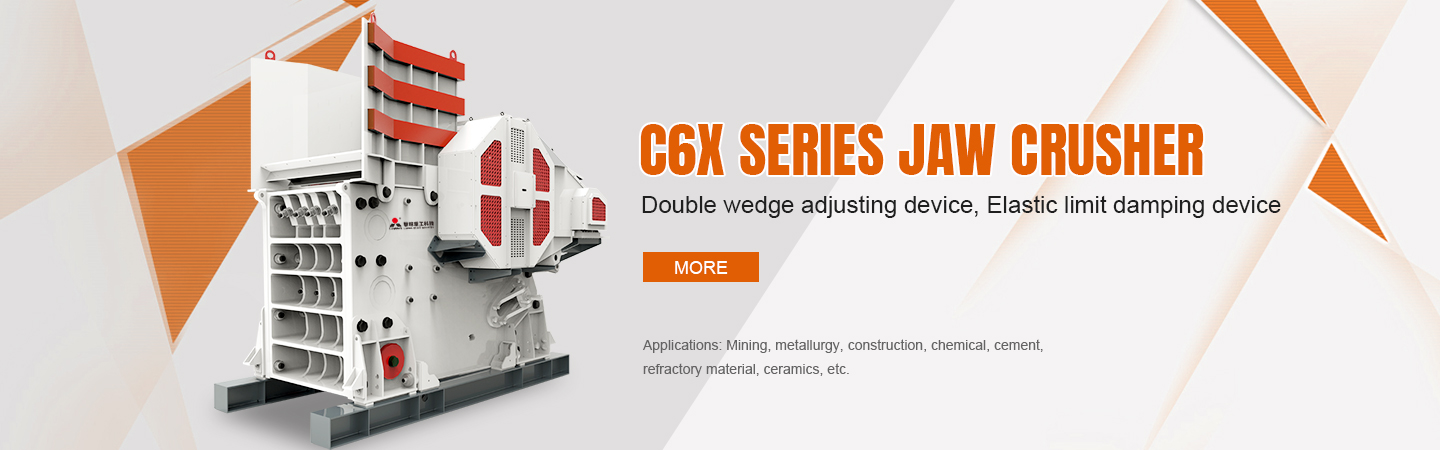
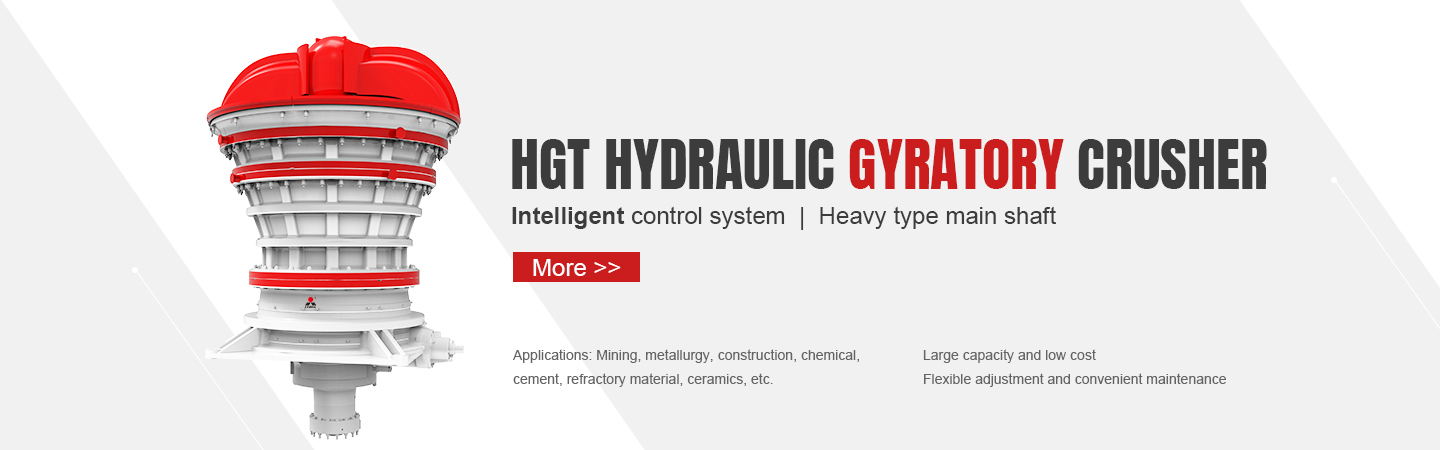
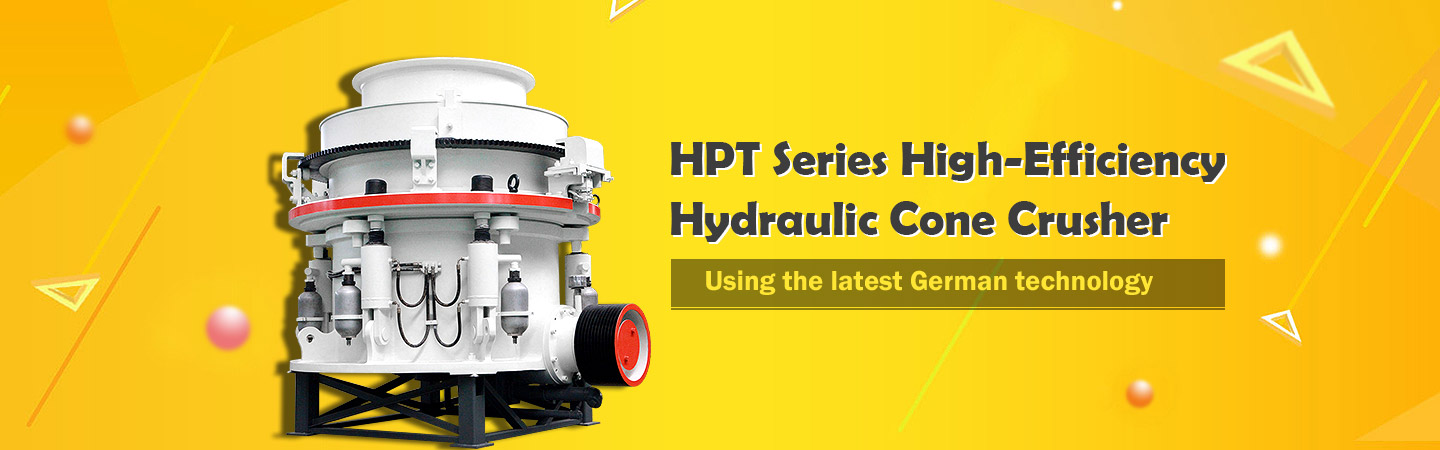
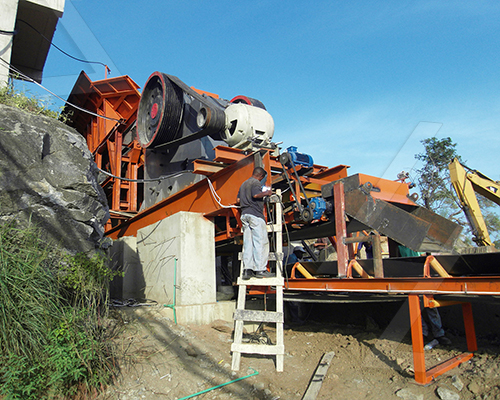
Advanced crushing circuits, including jaw, cone, and impact crushers, reduce rubble to specified gradations. Closed-loop systems with multi-stage crushing and screening maximize yield of high-quality recycled aggregates suitable for structural backfill or road base applications.
-
Air classification and optical sorting technologies distinguish materials by density and composition. Near-infrared (NIR) spectroscopy identifies plastic, wood, or gypsum contaminants in real time, enabling precise removal and improving recycled product purity.
-
Wet processing, involving scrubbing and hydrocyclones, reduces adhered dust and soluble contaminants. This method is particularly effective for rubble derived from mixed demolition waste where organic or clay content is elevated.
-
Chemical stabilization techniques, such as cement or lime addition, treat contaminated fines to immobilize heavy metals and improve geotechnical properties. Stabilized materials may be repurposed in controlled low-strength materials (CLSM), minimizing hazardous leachate risks.
-
Carbonation treatment exposes crushed concrete to controlled CO₂ environments, enhancing compressive strength and permanently sequestering carbon within the aggregate matrix. This process simultaneously improves product quality and reduces the carbon footprint of recycled materials.
-
Recycling facilities increasingly adopt digital monitoring systems integrating IoT sensors and data analytics to optimize throughput, energy use, and output consistency. Real-time quality control ensures compliance with standards such as EN 12620 or ASTM C33.
-
Closed-loop water recycling systems minimize freshwater consumption and prevent sediment-laden discharge. Settling ponds and filtration units treat process water, enabling reuse and reducing environmental impact.
-
End-use specifications dictate processing rigor; structural applications demand higher purity and mechanical performance than non-structural uses. Certification protocols verify compliance with safety and performance benchmarks, facilitating market acceptance.
Sustainable rubble management hinges on integrated processing that maximizes resource recovery while minimizing environmental degradation. The synergy of mechanical, physical, and chemical methods enables mining operations to transform waste into valuable secondary raw materials, aligning with circular economy objectives.
Industrial Applications of Crushed Ore Mining Rubble in Construction
-
Crushed ore mining rubble has emerged as a viable alternative material in construction, driven by the dual imperatives of resource efficiency and environmental stewardship. Sourced from waste streams of metal and mineral extraction processes, this material undergoes mechanical processing to meet engineering specifications for particle size, gradation, and strength.
-
The primary application lies in structural fill and sub-base construction for roads, railways, and industrial pavements. When properly processed, crushed ore rubble exhibits mechanical properties comparable to natural aggregates—offering high compressive strength, low plasticity, and good drainage characteristics. In infrastructure projects, its use reduces dependency on quarried virgin aggregates, thereby conserving natural resources and lowering transportation emissions.
-
In geotechnical engineering, stabilized crushed ore rubble is employed in soil nailing, slope reinforcement, and embankment construction. Its angular particle morphology enhances interlock and shear resistance, improving load distribution and long-term stability. When combined with cementitious binders or chemical stabilizers, the material achieves sufficient durability for load-bearing applications in non-residential developments.
-
Certain types of processed ore rubble—particularly from iron, copper, and base metal operations—contain siliceous or aluminosilicate components suitable for use in blended cements or as supplementary cementitious materials (SCMs). Though not universally applicable due to variable chemical composition, select streams can partially replace Portland cement in concrete, contributing to reduced carbon intensity in concrete production.
-
Environmental compatibility remains contingent on rigorous characterization. Potential presence of heavy metals or sulfidic minerals necessitates leachate testing (e.g., TCLP or SPLP protocols) and encapsulation strategies where required. When deemed inert or passivated, the material can be safely deployed in non-potable water drainage systems, noise barriers, and foundation backfill.
-
Regulatory compliance, material traceability, and performance validation through standardized testing (ASTM, EN, or ISO) are critical for acceptance in engineered applications. Long-term monitoring of field performance continues to inform best practices in material selection and design integration.
-
The industrial utilization of crushed ore rubble represents a convergence of circular economy principles and technical innovation, transforming a by-product of extraction into a functional construction resource with measurable environmental and economic benefits.
Environmental Challenges and Reclamation Strategies for Mining Rubble
-
Mining rubble presents significant environmental challenges due to its physicochemical properties and long-term stability issues. The primary concerns include acid rock drainage (ARD), metal leaching, dust generation, and habitat disruption. ARD occurs when sulfide minerals, particularly pyrite, in the rubble are exposed to oxygen and water, generating sulfuric acid and mobilizing toxic metals such as lead, arsenic, and cadmium into surrounding soil and water systems. This process can persist for decades, degrading aquatic ecosystems and compromising water quality.
-
Dust emissions from unconsolidated rubble piles contribute to air pollution and pose respiratory risks to nearby communities and wildlife. Fine particulates can transport heavy metals over long distances, increasing the contamination footprint. Additionally, the physical presence of rubble alters topography, impedes natural drainage patterns, and degrades terrestrial habitats, reducing biodiversity and ecosystem resilience.
-
Reclamation strategies must be proactive, site-specific, and integrated into mine planning from inception. Effective approaches include physical stabilization through grading and recontouring to minimize erosion and water infiltration. Cover systems—such as multi-layered engineered barriers using clay, soil, and geosynthetic materials—are deployed to limit oxygen diffusion and water percolation, thereby suppressing ARD.
-
In-situ treatments like alkaline amendments (e.g., limestone or lime) neutralize acidity and immobilize metals. Phytostabilization, the use of metal-tolerant vegetation, aids in dust suppression, promotes soil development, and enhances ecological function without introducing high-risk bioaccumulation pathways.
-
Monitoring is essential for long-term success. Geochemical testing, groundwater surveillance, and ecological assessments enable adaptive management, ensuring corrective actions are implemented when performance thresholds are exceeded.
-
Regulatory compliance, stakeholder engagement, and lifecycle cost analysis underpin sustainable reclamation. Modern practices emphasize transitioning rubble landforms into productive post-mining land uses—ranging from wildlife habitats to renewable energy sites—thereby integrating environmental restoration with socioeconomic value. The ultimate goal is to achieve a self-sustaining, ecologically functional landscape that mitigates legacy impacts and prevents future liabilities.
Frequently Asked Questions
What is ore mining rubble and how is it generated?
Ore mining rubble refers to fragmented rock material produced during the excavation and processing of mineral-bearing ores. It is generated through drilling, blasting, and mechanical extraction in both surface and underground mining operations. This rubble typically consists of low-grade ore, waste rock, and overburden, and must be managed efficiently to minimize environmental impact and optimize resource recovery.
How does ore mining rubble differ from tailings?
Ore mining rubble consists primarily of coarse, fragmented rock from excavation, whereas tailings are fine-grained byproducts left after mineral extraction and processing. Rubble is often handled at the mine face and may be used for backfill or construction, while tailings are typically slurry-disposed in engineered impoundments and require long-term geochemical management due to potential contamination.
What are the engineering challenges associated with handling large volumes of mining rubble?
Managing large volumes of mining rubble presents challenges including slope stability in waste dumps, dust control, water infiltration, and oxidation of sulfide minerals leading to acid rock drainage. Engineers must employ geotechnical assessments, proper compaction, drainage systems, and real-time monitoring to ensure structural integrity and environmental compliance.
How can ore mining rubble be repurposed sustainably?
Ore mining rubble can be repurposed as construction aggregate, backfill in mined-out voids, road base material, or for land reclamation projects. Advanced sorting technologies like sensor-based ore grading can further identify residual valuable minerals, enhancing resource efficiency and reducing waste footprint in alignment with circular economy principles.
What role does geochemical analysis play in rubble management?
Geochemical analysis determines the potential for acid-generating minerals, metal leaching, and environmental toxicity within rubble. This informs waste classification, storage design, and mitigation strategies such as encapsulation or alkaline amendment to prevent contamination of soil and water systems.
What are best practices for storing and stockpiling ore mining rubble?
Best practices include designing engineered waste rock dumps with proper grading and drainage, geosynthetic liners where necessary, progressive reclamation, and segregation of acid-generating from non-acid-generating materials. Regular geotechnical and hydrological monitoring ensures long-term stability and compliance with regulatory standards.
How does particle size distribution in mining rubble affect downstream processing?
Particle size distribution directly impacts leaching efficiency, transport logistics, and storage compaction. Uniformly sized rubble enhances heap leach permeability and recovery rates, while oversized fragments may require secondary crushing. Laser scanning and image analysis are used to optimize fragmentation from blasting operations.
Can automation improve the handling of ore mining rubble?
Yes, automation enhances rubble handling through autonomous haul trucks, drone-based volume surveys, AI-powered sorting systems, and real-time GPS monitoring of dump operations. These technologies improve safety, reduce operational costs, and increase precision in waste management and resource tracking.
What environmental regulations govern the disposal of ore mining rubble?
Regulations vary by jurisdiction but commonly require environmental impact assessments, waste classification, dust and runoff controls, closure plans, and post-mining land use commitments. Compliance with standards such as ISO 14001, EPA guidelines, or EU Mining Waste Directive is mandatory for permitting and ongoing operations.
How is acid rock drainage mitigated in ore mining rubble stockpiles?
Acid rock drainage (ARD) is mitigated through strategies such as co-disposal with alkaline materials, using dry covers or water covers to limit oxygen ingress, and constructing lined containment systems. Predictive kinetic testing helps design long-term management plans tailored to specific geochemical profiles.
What technologies are used to analyze and sort mining rubble?
Sensor-based sorting technologies—including X-ray transmission (XRT), near-infrared (NIR), and laser-induced breakdown spectroscopy (LIBS)—are deployed to identify and separate waste from potentially recoverable material in rubble. These systems enhance ore recovery and reduce transport and processing costs.
How does ore mining rubble impact mine closure and rehabilitation?
Responsible management of rubble is critical for successful mine closure. Properly engineered dumps with stable slopes, controlled geochemistry, and integrated vegetative cover reduce long-term liability. Rehabilitation strategies often involve phytostabilization, topsoil placement, and ongoing monitoring to ensure ecosystem recovery.