
Table of Contents
- Understanding the Core Function of Vertical Shaft Impact Crushers
- Critical Wear Parts in Vertical Shaft Impact Crushers and Their Roles
- Rotor Assembly: The Heart of Impact Crushing Performance
- Anvils, Liners, and Impact Surfaces: Protecting Against Abrasive Wear
- Maintenance Tips and Replacement Strategies for Optimal Crusher Uptime
- Frequently Asked Questions
- What are the core wear parts in a vertical shaft impact crusher and how do they affect performance?
- How do rotor design and wear part configuration impact VSI crusher efficiency?
- What materials are best suited for VSI crusher wear parts in abrasive applications?
- How often should VSI crusher wear parts be inspected and replaced?
- Can aftermarket VSI crusher parts match OEM performance and reliability?
- What causes premature wear in VSI crusher anvils and rock shelves?
- How does feed rate and size distribution affect VSI wear part longevity?
- What role does rotor balancing play in VSI crusher part maintenance?
- How do you optimize chamber configuration for different end-product specifications?
- What are the signs of failing VSI crusher bearings and how are they linked to wear part condition?
- How does rock-on-rock vs. rock-on-anvil crushing influence wear part selection?
- What advanced monitoring systems improve VSI crusher wear part management?
In the demanding world of aggregate production and mineral processing, the vertical shaft impact (VSI) crusher stands as a cornerstone of efficiency, delivering precisely shaped, high-quality end products. At the heart of its consistent performance lies a sophisticated assembly of critical components—each engineered to endure extreme wear and deliver optimal crushing dynamics. From the robust rotor and impact-resistant anvil to the precisely fitted wear liners and rock shelf, every part plays a pivotal role in maintaining throughput, minimizing downtime, and extending equipment life. Understanding the function, material composition, and maintenance needs of these essential VSI crusher parts is not just a matter of operational upkeep—it’s a strategic imperative for maximizing productivity and reducing total cost of ownership. As industries push for higher output and tighter tolerances, selecting and maintaining the right components becomes a decisive factor in achieving sustained operational excellence.
Understanding the Core Function of Vertical Shaft Impact Crushers
- Utilizes high-speed rotor to accelerate feed material against a wear-resistant surface or other particles
- Operates on the principle of rock-on-rock or anvil-on-rock impact for size reduction
- Achieves fine particle shaping and cubical product morphology critical in high-specification aggregates
- Functions as a tertiary or quaternary crusher in closed-loop processing circuits
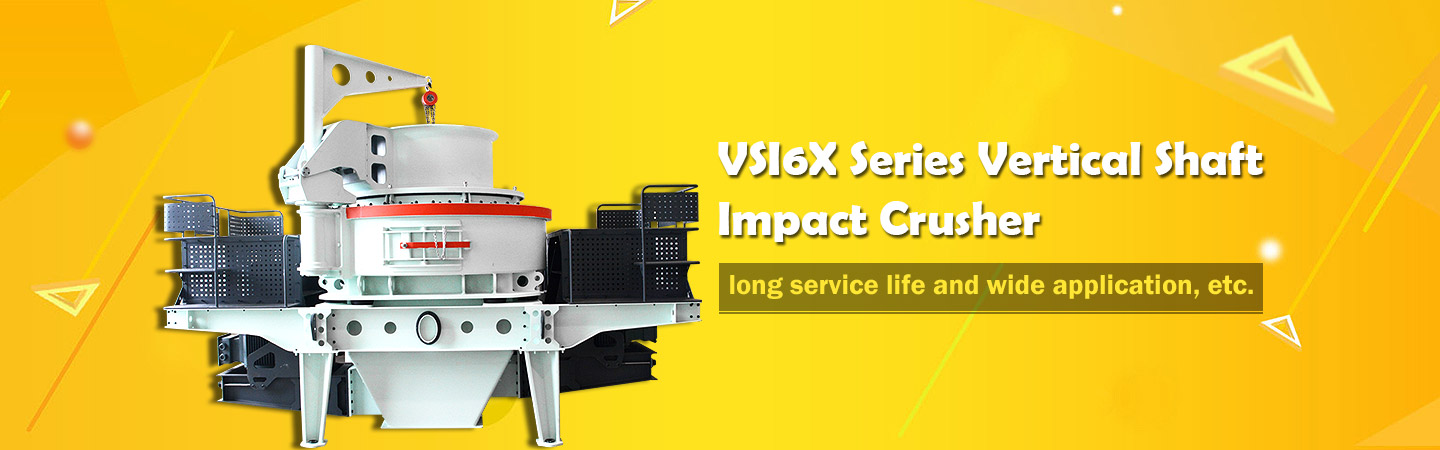
The core function of a vertical shaft impact (VSI) crusher centers on accelerating material to high velocities and directing it into controlled collisions that induce fracture along natural fissures. This mechanism prioritizes particle shape refinement and consistent gradation over raw throughput, distinguishing it from compressive crushers such as jaw or cone types. Material introduced into the crusher is fed through a central inlet into a high-speed rotating impeller. The impeller, driven by a precision-engineered motor and shaft assembly, imparts kinetic energy to the feed, propelling particles outward toward either a stationary anvil or a curtain of previously fed material (rock-on-rock).
In rock-on-rock configurations, the cascading bed of material lining the crushing chamber absorbs impact energy, promoting inter-particle fracture. This method reduces metal wear and produces a uniformly shaped final product ideal for asphalt and concrete applications. Alternatively, anvil-on-rock designs employ fixed impact plates to achieve more aggressive size reduction, suitable for harder or abrasive feedstocks, albeit with increased wear part consumption.
Critical to operational efficiency is the precise alignment and balance of the rotor, which directly influences vibration levels, bearing life, and energy transfer. The feed rate must be carefully regulated to maintain a consistent curtain of material, ensuring optimal collision dynamics. Uneven feeding leads to rotor imbalance, accelerated wear, and suboptimal product quality.
Modern VSI crushers integrate real-time monitoring systems to track rotor speed, temperature, and vibration, enabling predictive maintenance and sustained peak performance. The machine’s ability to produce well-graded, low-fines output with high cubical content makes it indispensable in premium aggregate production, recycling, and industrial mineral processing. Mastery of its operational parameters—feed characteristics, rotor velocity, and cascade control—determines both efficiency and component longevity.
Critical Wear Parts in Vertical Shaft Impact Crushers and Their Roles
-
Rotor: The rotor is the central component of a vertical shaft impact (VSI) crusher, responsible for accelerating feed material to high velocities. Its design and wear resistance directly influence crushing efficiency and product shape. Critical wear zones include the rotor tips and feed tube, which degrade over time due to abrasive contact. High-chromium cast iron or specialized alloys are commonly used to extend service life. Regular inspection and timely replacement are essential to maintain throughput and particle size consistency.
-
Rock Shox / Anvils: These stationary impact surfaces, also referred to as anvils or rock shelves, absorb the kinetic energy of high-speed particles thrown by the rotor. As primary contact points, they experience significant abrasive and impact wear. Adjustability allows for optimization of the crushing chamber geometry, influencing product gradation. Material selection—typically high-manganese or high-chromium steel—determines resistance to spalling and cracking under repeated stress.
-
Wear Plates (Backing Plates): Mounted behind impact zones, wear plates protect structural components from direct abrasion. While not directly involved in crushing, their integrity prevents costly damage to the crusher body. Hard-faced overlays enhance durability, and modular designs facilitate rapid replacement, minimizing downtime.
-
Feed Tube: Positioned at the rotor’s center, the feed tube guides material into the rotor’s acceleration path. Constant exposure to flowing aggregate leads to erosion, particularly at entry and discharge points. Wear-resistant liners or replaceable sleeves are integrated to prolong function. Misalignment or excessive wear can disrupt material flow, reducing efficiency and increasing rotor imbalance.
-
Aprons: These containment liners define the crushing chamber’s outer boundary and influence material retention time. Subject to both abrasion and impact, aprons control product fines generation and chamber pressure. Their profile and clearance relative to the rotor tips are critical for achieving optimal reduction ratios and minimizing recirculation.
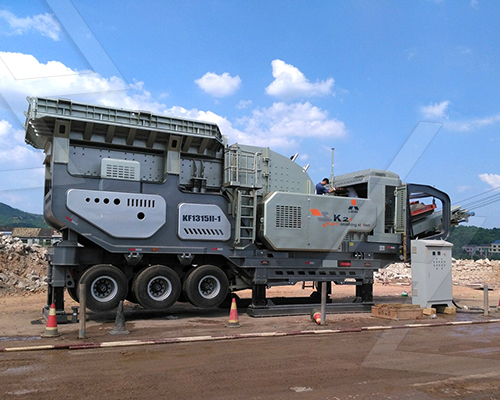
Each wear component must be monitored through scheduled inspections using dimensional checks and performance metrics. Proactive replacement, based on wear rate analysis and operational data, prevents catastrophic failure and maintains consistent product quality. Material compatibility, operating parameters, and feed characteristics must guide selection and maintenance protocols to ensure sustained efficiency and extended crusher longevity.
Rotor Assembly: The Heart of Impact Crushing Performance
-
Rotor assembly stands as the central determinant of performance and reliability in vertical shaft impact (VSI) crushers. Engineered to convert kinetic energy into targeted particle acceleration, the rotor directly governs crushing efficiency, product shape, and throughput capacity. Its rotational dynamics and structural integrity are pivotal in sustaining high-velocity impact events within the crushing chamber.
-
Precision-balanced rotor designs minimize vibration, reduce wear on bearings and housing, and extend service intervals. Constructed from high-strength alloy steels or forged metals, modern rotors withstand extreme cyclic loading and abrasive environments. Critical machining tolerances ensure uniform mass distribution, which is essential for maintaining operational stability at speeds exceeding 3,000 rpm.
-
Two primary rotor configurations dominate VSI applications: open-table and deep-cavity (or anvil) designs. Open-table rotors facilitate rapid material acceleration and are optimal for soft to medium-hard materials requiring high cubical output. Deep-cavity rotors, incorporating retention plates or anvils, enhance particle retention time and are preferred for harder feedstocks and superior shape control.
| Feature | Open-Table Rotor | Deep-Cavity Rotor |
|---|---|---|
| Material Suitability | Soft to medium-hard | Medium-hard to hard |
| Product Shape | High cubical content | Excellent cubical output |
| Throughput | High | Moderate to high |
| Wear Part Complexity | Lower | Higher |
-
The rotor’s wear component interface—specifically with hammers, blow bars, or shoes—dictates longevity and maintenance frequency. Tungsten carbide-tipped or hardened alloy inserts are commonly employed to resist abrasion, with modular designs enabling quick replacement and reduced downtime. Effective sealing mechanisms protect the rotor shaft from dust and moisture ingress, preserving bearing life.
-
Power transmission efficiency hinges on the coupling between the drive motor and rotor shaft. Direct-drive configurations with tapered shaft locks or hydraulic clamping systems ensure zero slippage and consistent torque delivery under variable loads.
-
Regular rotor inspection, including wear profiling and dynamic balancing, is non-negotiable for sustained peak performance. Asymmetrical wear or imbalance accelerates component fatigue and compromises final product quality.
-
In summary, the rotor assembly is not merely a component but the operational core of VSI crushing. Its design, material selection, and maintenance regimen directly influence crusher efficiency, product specification adherence, and total cost of ownership.
Anvils, Liners, and Impact Surfaces: Protecting Against Abrasive Wear
-
Anvils, liners, and impact surfaces are critical wear components in vertical shaft impact (VSI) crushers, directly influencing both operational efficiency and machine longevity. These elements are strategically positioned to absorb and redirect the kinetic energy of high-velocity feed material, facilitating particle-on-particle and particle-on-metal impact that defines VSI crushing mechanics. Their material composition, geometry, and placement must be precisely engineered to withstand severe abrasive and impact loading conditions.
-
Anvils serve as primary impact zones in rock-on-anvil configurations, where feed material strikes a fixed surface before being ejected into the crushing chamber. They are typically fabricated from high-chrome white iron or martensitic steel, selected for their balance of hardness and fracture toughness. Optimal anvil design incorporates replaceable modular segments to minimize downtime and facilitate targeted maintenance. Uniform wear distribution across the anvil surface is achieved through precise alignment with the rotor’s trajectory and feed regulation.
-
Liners protect the internal surfaces of the crusher casing, including the feed chute, vortex chamber, and discharge area. They are subjected to continuous abrasion from tumbling and rebounding particles. Liner materials range from Ni-Hard alloys to tungsten carbide overlays, depending on feed abrasiveness and throughput demands. Modern liner systems employ bolted or dovetail attachment mechanisms for rapid replacement and improved safety during servicing. Contoured liner profiles enhance material flow dynamics, reducing dead zones and minimizing recirculation that accelerates wear.
-
Impact surfaces on table liners and cascade plates interface directly with rotor-discharged material. These components require superior wear resistance due to repetitive high-stress contact. Advanced thermal treatments such as quenching and tempering are applied to achieve surface hardness values exceeding 55 HRC, while preserving core ductility to resist cracking under cyclic loading.
-
Effective wear protection requires systematic monitoring of component thickness, periodic rotation or repositioning of modular elements, and alignment with feed size distribution and throughput rates. Matching anvil, liner, and impact surface metallurgy to the specific application—whether hard rock, recycled concrete, or manufactured sand production—ensures sustained crushing efficiency, reduced operating costs, and extended service intervals.
Maintenance Tips and Replacement Strategies for Optimal Crusher Uptime
- Conduct daily visual inspections of the rotor, wear parts, and feed distribution to identify signs of uneven wear, misalignment, or material buildup.
- Monitor feed consistency rigorously; inconsistent feed rates or off-spec feed material accelerate wear and induce mechanical stress.
- Implement predictive maintenance protocols using vibration analysis and thermal imaging to detect early-stage bearing faults or rotor imbalance.
- Lubricate bearings according to OEM specifications, using high-temperature, high-load grease and ensuring proper seal integrity to prevent contamination.
- Maintain proper rotor balance by replacing worn or damaged rotor components in matched sets to avoid destructive vibration modes.
- Standardize wear part replacement based on wear life data collected from previous campaigns; avoid run-to-failure approaches that risk catastrophic damage.
- Keep a documented log of operating hours, power draw trends, and maintenance actions to enable data-driven decisions on part replacement intervals.
- Use only OEM-specification or certified aftermarket components for critical parts such as rock shelf liners, anvils, and rotor wear plates to ensure dimensional accuracy and metallurgical integrity.
- Calibrate feed cascade systems regularly to ensure symmetrical material distribution across the rotor’s impeller, minimizing uneven wear.
- Inspect drive belts or gearboxes (as applicable) monthly for tension, alignment, and wear, adjusting or replacing as necessary to maintain efficient power transmission.
| Component | Recommended Inspection Frequency | Key Wear Indicators |
|---|---|---|
| Rotor Assembly | Weekly | Cracking, erosion, imbalance, bolt fatigue |
| Anvils & Liners | Daily (visual), Weekly (measurement) | Thickness reduction >50%, spalling, deformation |
| Bearings | Monthly (vibration/temperature) | Elevated temps, noise, axial play |
| Drive System | Monthly | Belt wear, coupling misalignment, gearbox oil condition |
| Feed Chute & Cascade System | Weekly | Buildup, warping, asymmetry |
Establish a spare parts inventory strategy prioritizing high-wear items—such as rock shelves, anvils, and blow bars—while maintaining critical spares for bearings and shaft assemblies to minimize downtime. Rotate stock using FIFO (first in, first out) to prevent material degradation. Integrate equipment telemetry where available to automate condition monitoring and trigger maintenance workflows proactively. Consistent adherence to these practices ensures peak efficiency, extends component life, and sustains crusher availability above 90% in continuous operations.
Frequently Asked Questions
What are the core wear parts in a vertical shaft impact crusher and how do they affect performance?
The primary wear parts in a vertical shaft impact (VSI) crusher include rock liners (anvils), impact hammers (rock shoes), feed tubes, distributor cones, and rotor tips. These components directly influence crushing efficiency, product shape, and throughput. High-quality, properly aligned wear parts ensure cubical particle output, reduce maintenance downtime, and extend rotor life by minimizing unbalanced wear.
How do rotor design and wear part configuration impact VSI crusher efficiency?
Rotor design—whether open, semi-open, or table-feeder—determines energy transfer efficiency and material acceleration. Wear part configuration, particularly the positioning and profile of rock shelves and anvils, affects particle trajectory and impact angle. Optimizing both ensures maximum kinetic energy utilization, improving reduction ratio and minimizing fines generation in high-value aggregates.
What materials are best suited for VSI crusher wear parts in abrasive applications?
For highly abrasive feed materials like basalt or quartzite, wear parts fabricated from high-chromium white iron, martensitic steels, or tungsten carbide composites offer superior resistance. Modern OEM parts often use alloy blends heat-treated to >60 HRC to balance toughness and wear life. Proper material selection can extend part lifespan by 2–3x compared to standard manganese steel.
How often should VSI crusher wear parts be inspected and replaced?
Wear parts should be inspected every 40–80 operating hours in high-production environments. Critical indicators include thinning liners (>50% material loss), uneven rotor wear (>3 mm imbalance), or degraded product gradation. Scheduled replacement before catastrophic failure prevents rotor damage and maintains consistent output quality. Use laser profiling or micrometer checks for precision assessment.
Can aftermarket VSI crusher parts match OEM performance and reliability?
High-quality aftermarket parts from ISO-certified manufacturers can match or exceed OEM performance when using equivalent materials and precision casting techniques. However, critical components like rotors and cartridge bearings should be sourced from vetted suppliers with metallurgical traceability. Always verify chemical composition reports (MTRs) and performance testing data before integration.
What causes premature wear in VSI crusher anvils and rock shelves?
Premature wear typically results from incorrect feed gradation (excessive oversize), inadequate cascade control, or misaligned feed distribution. Off-center feeding creates uneven impact zones, accelerating localized wear. Additionally, moisture-laden or clay-contaminated feed promotes material packing, causing abrasive gouging. Implement pre-screening and flow regulators to mitigate these issues.
How does feed rate and size distribution affect VSI wear part longevity?
Consistent feed rate and optimal size distribution (typically 80–90% within 1/3 to 1/2 of the feed opening) ensure uniform material curtain formation inside the crushing chamber. Overloading or erratic feeding increases particle-on-part abrasion and induces shock loading. Automating feed control via mass flow sensors and variable-frequency drives (VFDs) enhances wear part life by up to 40%.
What role does rotor balancing play in VSI crusher part maintenance?
Rotor imbalance as low as 150 g·m can cause excessive vibration, leading to bearing fatigue, shaft deflection, and accelerated wear liner erosion. After each wear part replacement, dynamic balancing per ISO 1940 G2.5 standards is mandatory. Use on-site balancing systems or certified service centers to maintain rotational stability and prevent cascading component failure.
How do you optimize chamber configuration for different end-product specifications?
Chamber configuration—determined by anvil placement, throw distance, and cascade height—affects product shape and fines content. For high-cubical aggregates, use a deep chamber with closely spaced anvils to promote rock-on-rock crushing. For manufactured sand, a shallower chamber with tighter rotor-to-anvil clearance enhances abrasion milling. Adjust settings incrementally and validate via sieve analysis and particle imaging.
What are the signs of failing VSI crusher bearings and how are they linked to wear part condition?
Early signs include abnormal noise, elevated temperature (>85°C), or axial play in the shaft. Deteriorating wear parts can induce imbalance or misalignment, transferring excessive radial load to bearings. Conversely, failing bearings cause erratic rotor motion, accelerating uneven wear. Implement vibration monitoring and定期 infrared thermography to predict failures before collateral damage.
How does rock-on-rock vs. rock-on-anvil crushing influence wear part selection?
In rock-on-rock mode, wear is primarily on feed tube and rotor components, with anvils experiencing less direct impact—ideal for softer materials. Rock-on-anvil mode subjects anvils and liners to maximum stress, requiring ultra-hard facing materials but enabling tighter size control. Select wear parts based on operational mode and duty cycle; dual-mode crushers need modular, reconfigurable chamber parts.
What advanced monitoring systems improve VSI crusher wear part management?
Integrated IoT systems with real-time vibration sensors, wear cam monitoring, and acoustic emission detectors enable predictive maintenance. These systems correlate wear progression with operational parameters (speed, feed rate, power draw) to forecast part life within 5–8% accuracy. Pair with digital twin modeling for scenario testing and optimization without production downtime.